An extension of the Geneva Conventions could impose restrictions on cyberwarfare under ceasefire conditions and close a major loophole in international conflict.
June 8, 2026
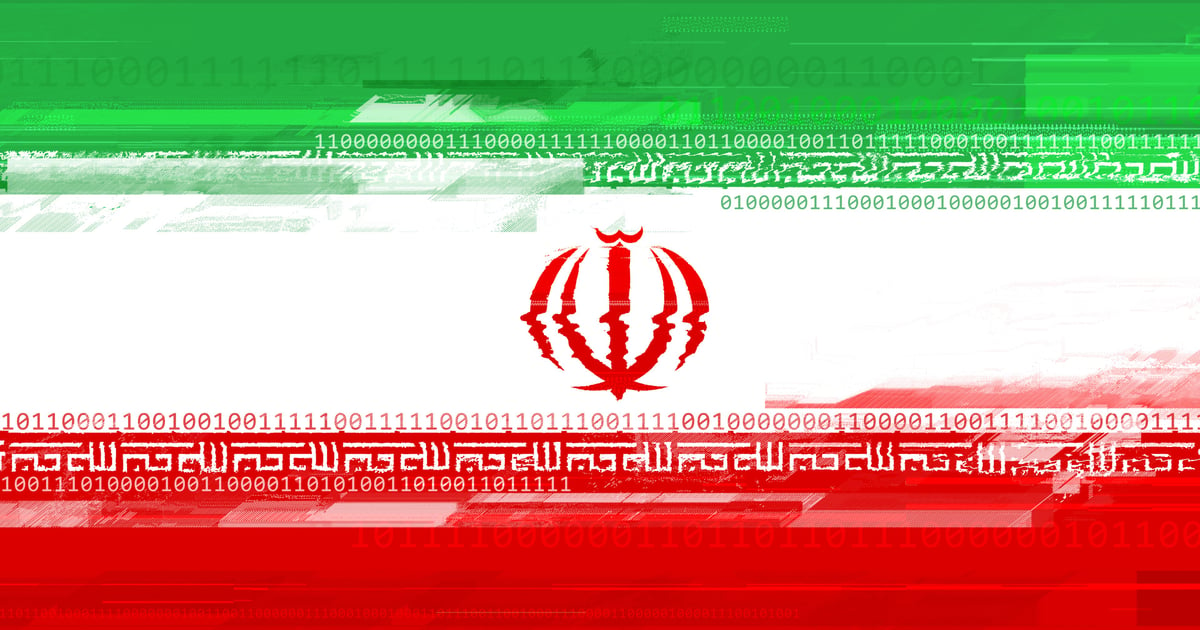
The United States and Iran have extended what began as a two-week ceasefire. The pause applies only to kinetic warfare, and even that didn't fully stop the shooting. The cyber front has no signs of a truce.
The day before that ceasefire took effect, six federal agencies — the FBI, CISA, NSA, EPA, DOE, and U.S. Cyber Command's Cyber National Mission Force — issued a joint advisory warning that Iranian-affiliated actors had been manipulating programmable logic controllers inside U.S. critical infrastructure since at least March. Victim organizations across water, energy, and government services confirmed operational disruptions and financial losses. Hours after the ceasefire took effect, one IRGC-linked group announced it was pausing attacks on the U.S., for now, while vowing to revive them "when the time is right." Another pledged operations against Israel would continue “at full force.”
Related:Exposed Fuel Tank Gauges Under Attack in the US