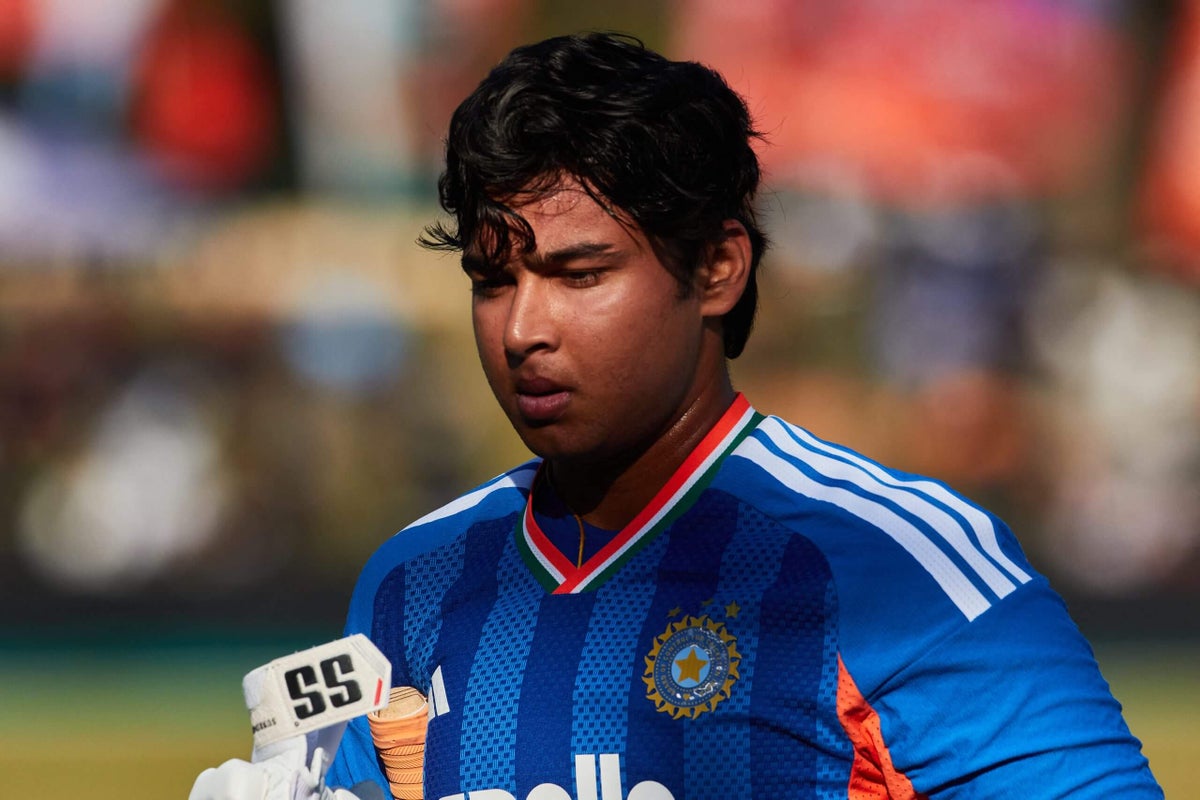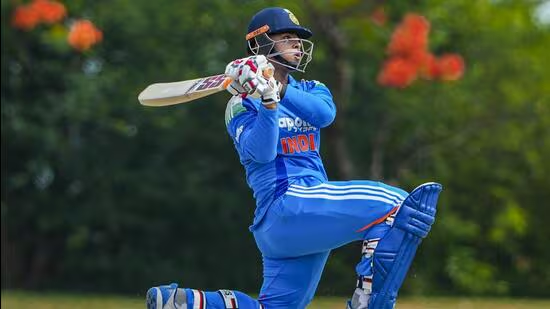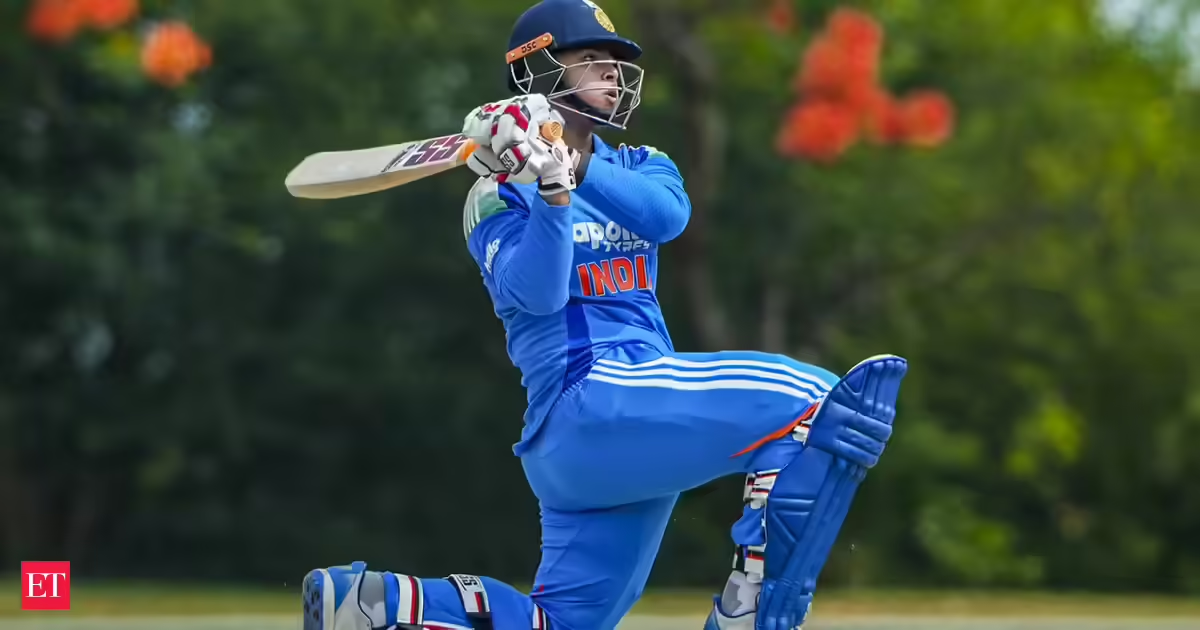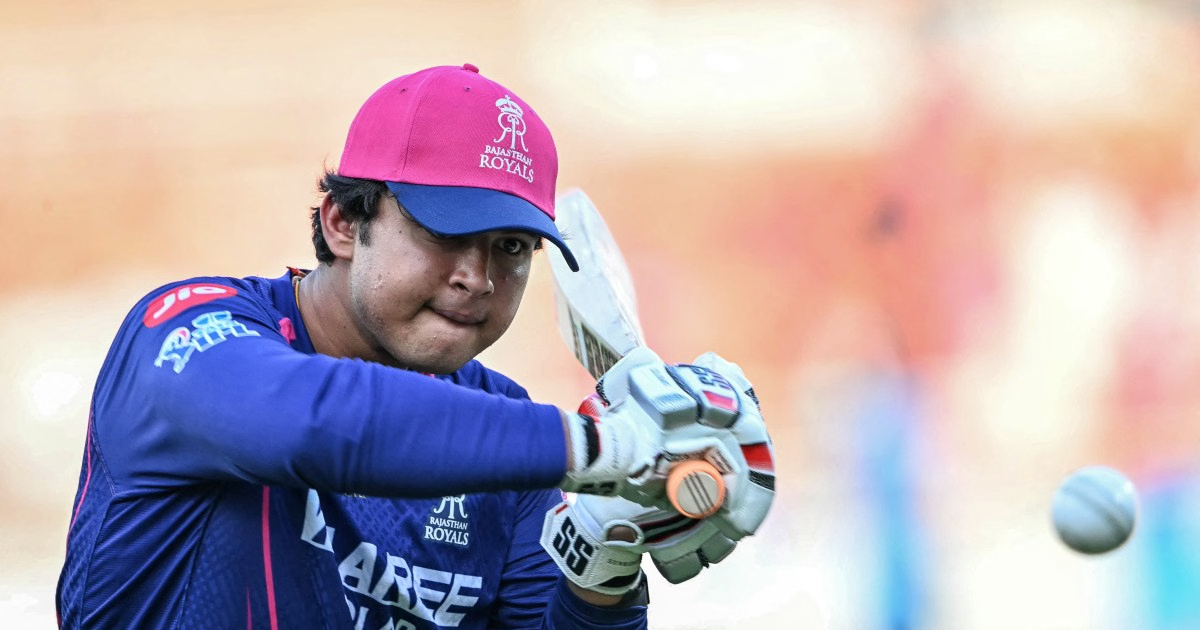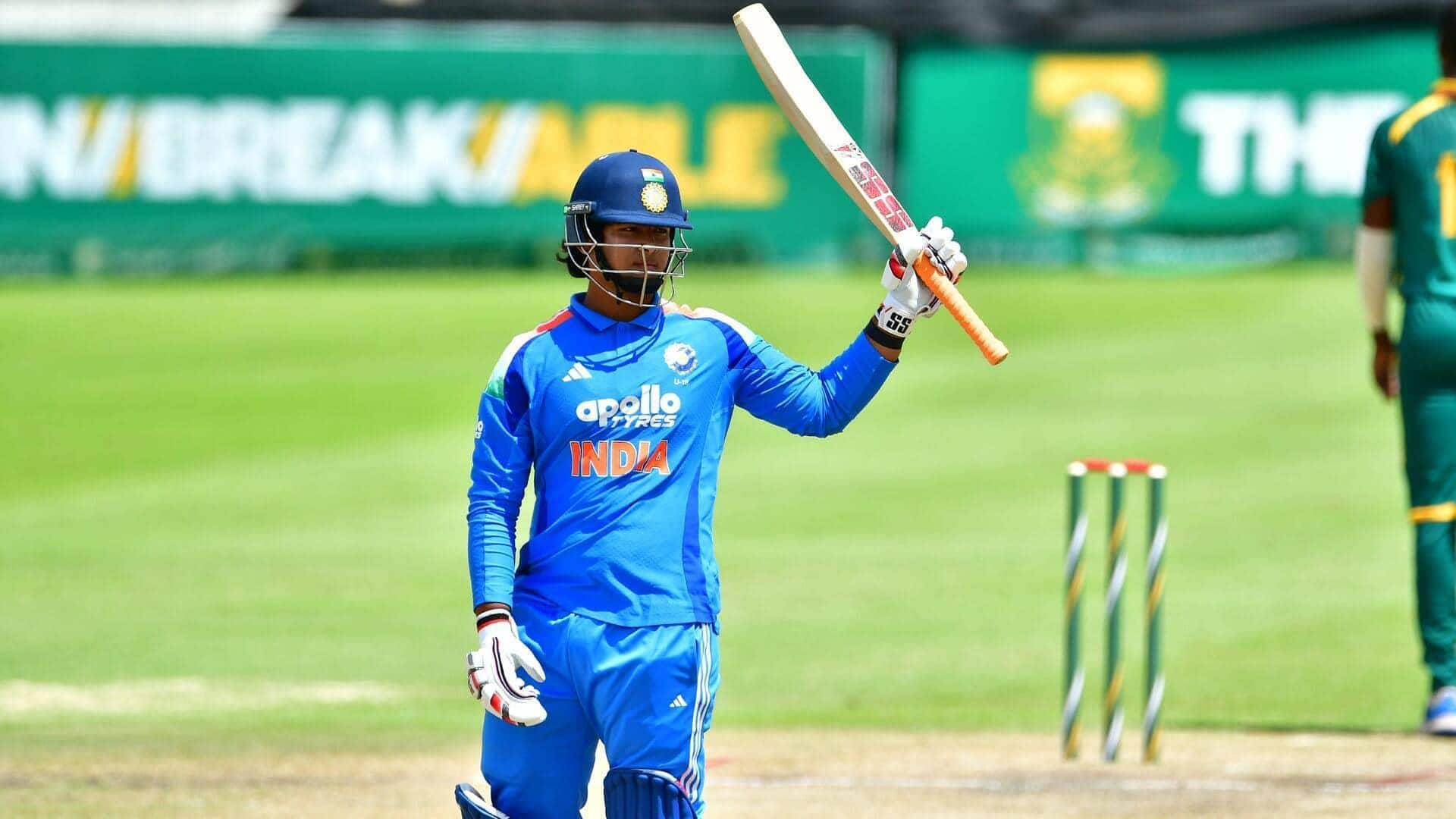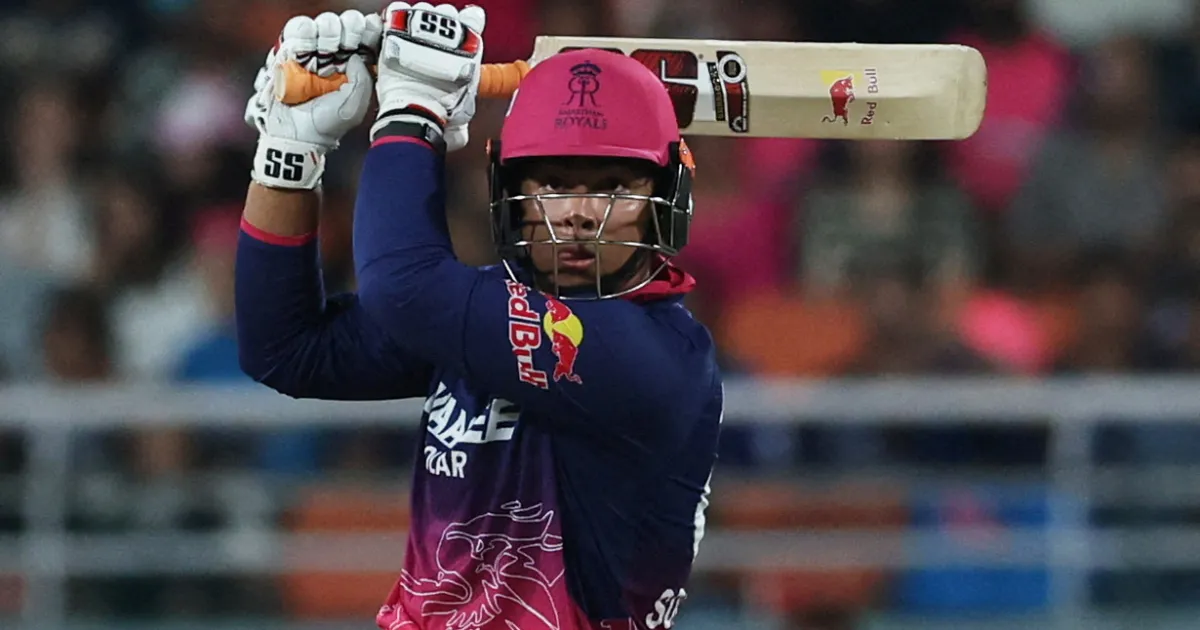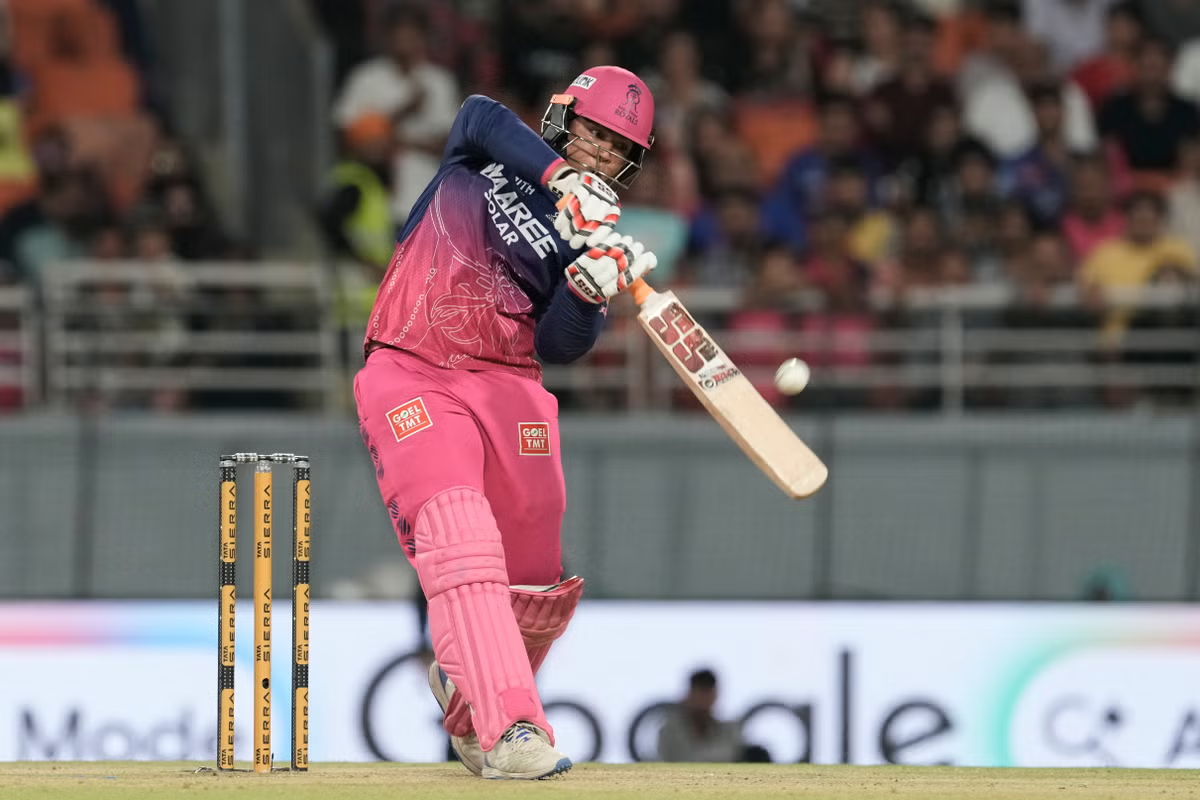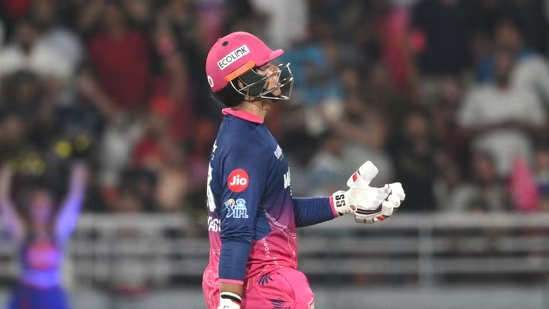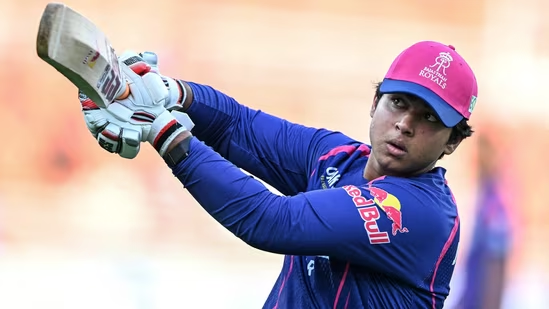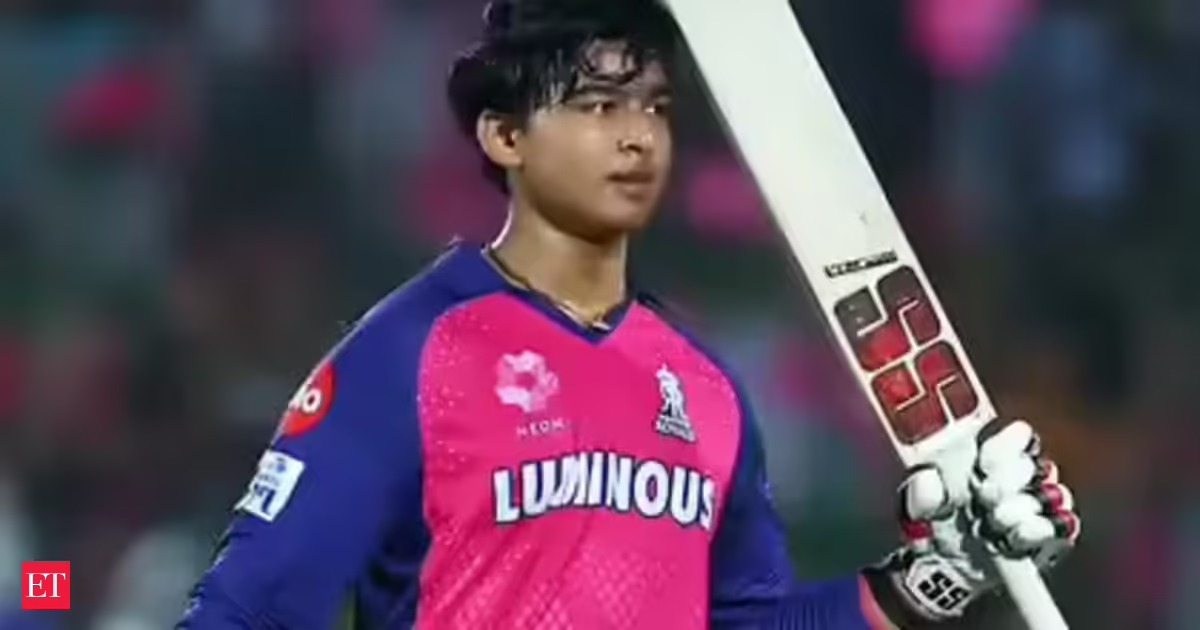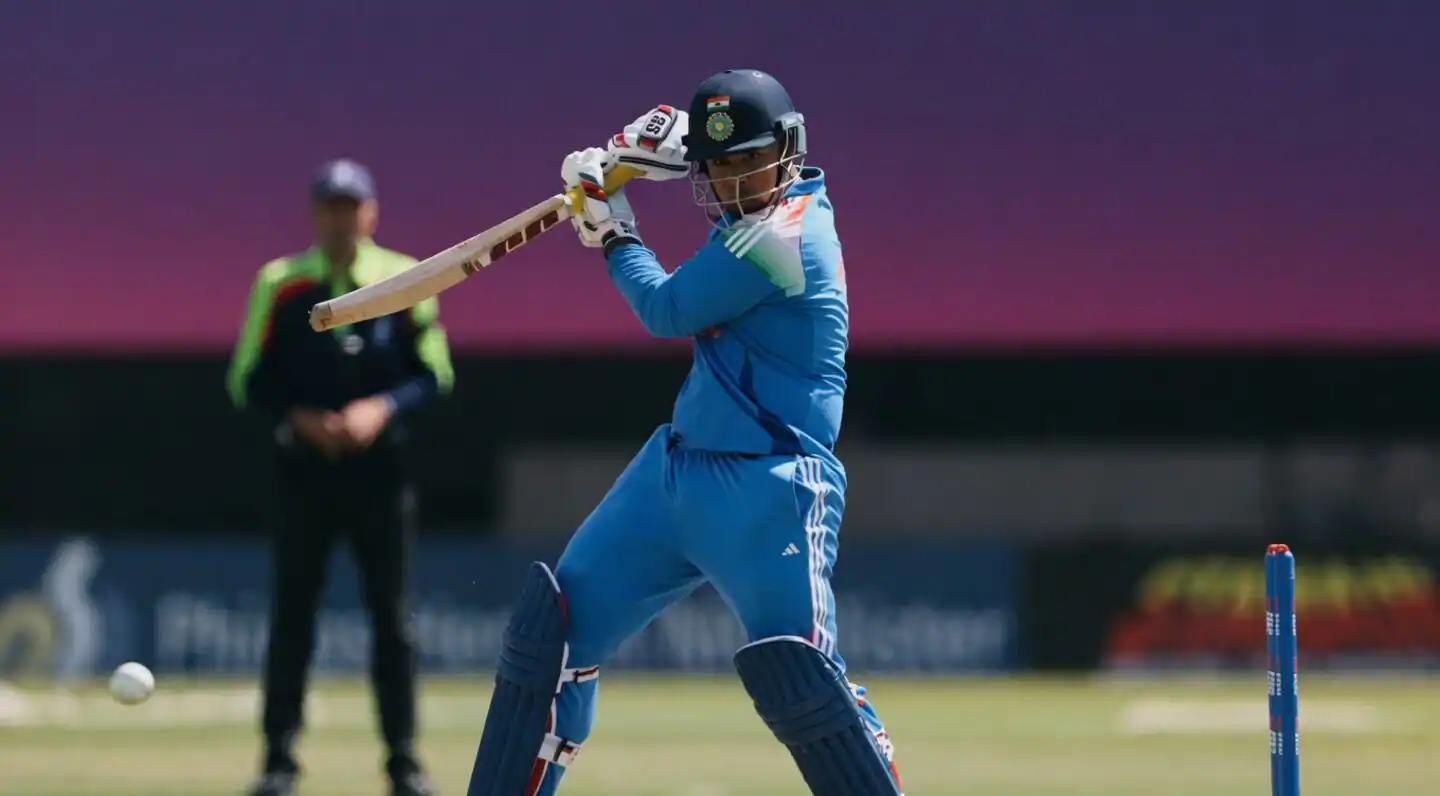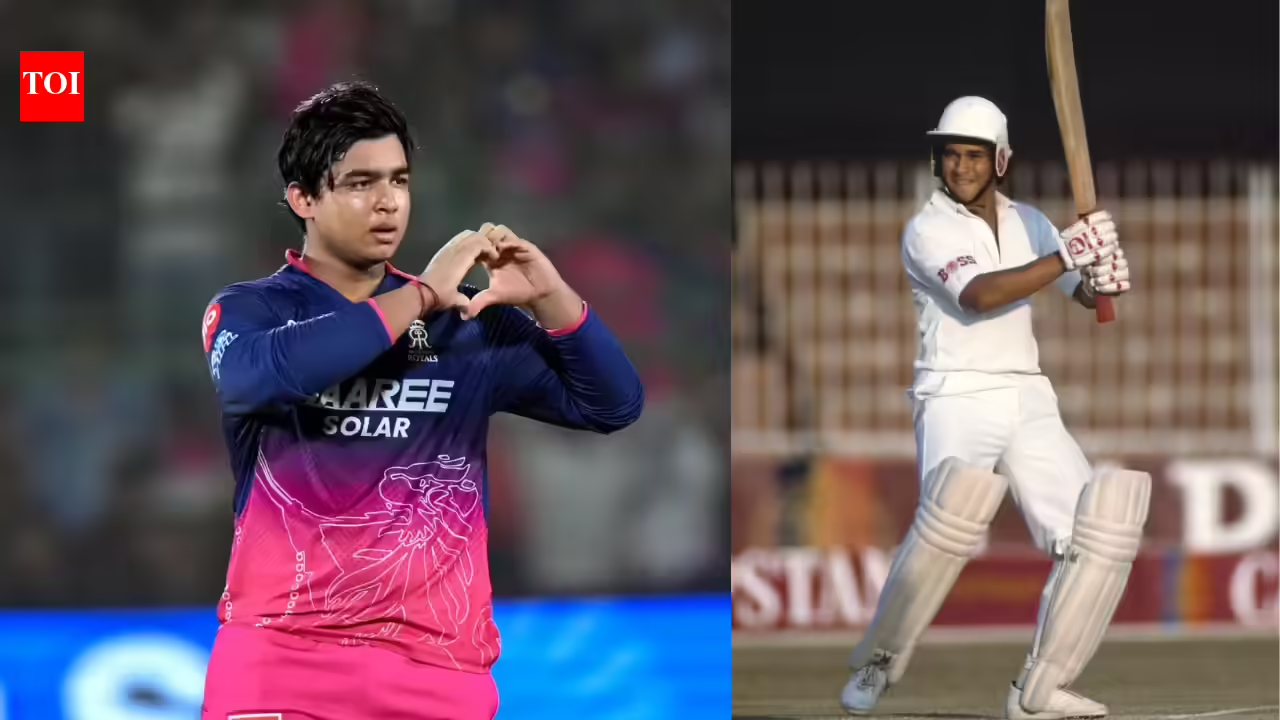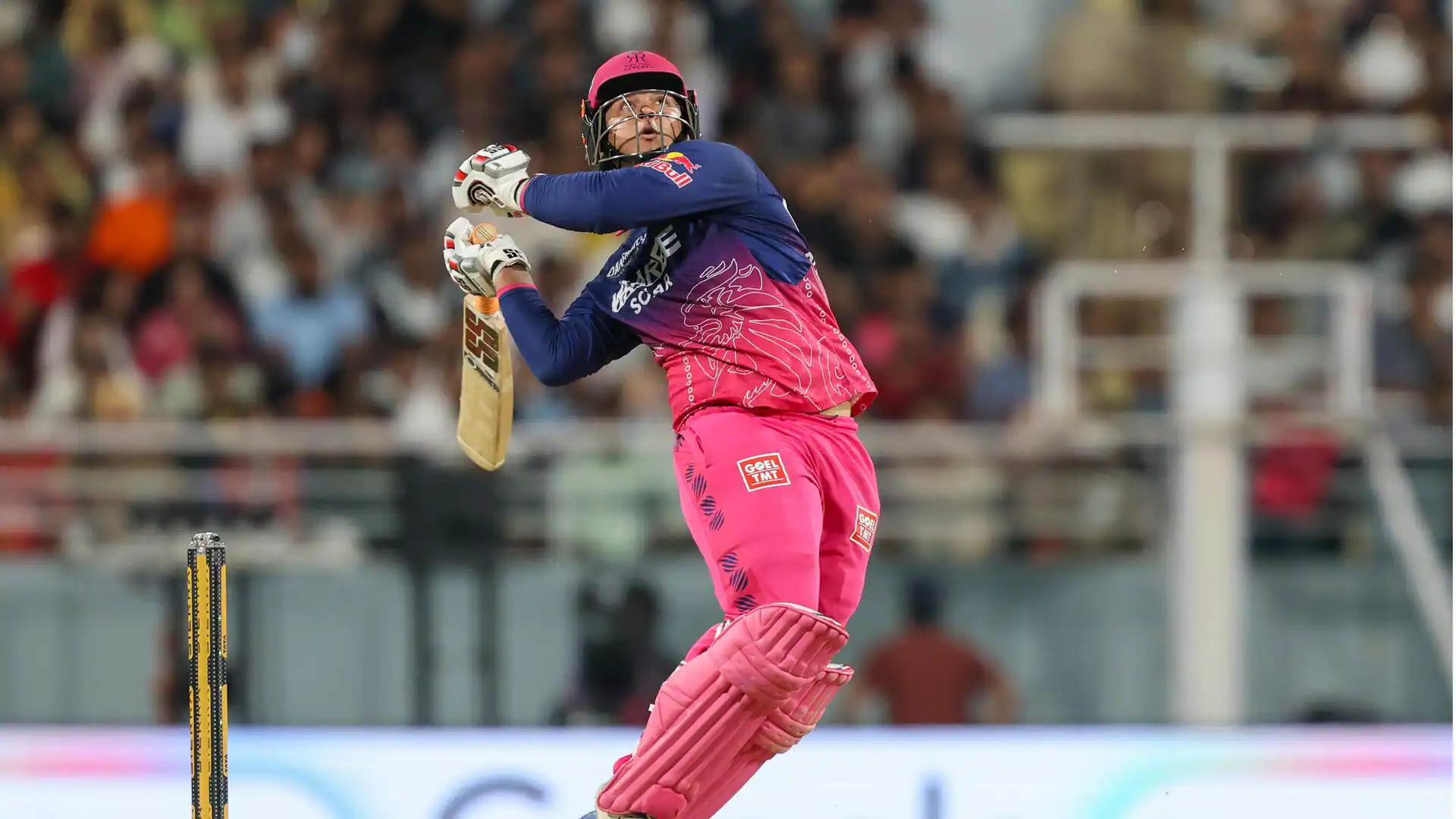
One August afternoon in 2004, August 16 to be precise, a familiar name popped up on the cell phone screen, indicating an incoming call from a recently retired and highly celebrated Indian fast bowler. The said individual was trying his hand at commentary, and was in Nairobi for a triangular one-day series involving host nation Kenya, and the ‘A’ teams of India and Pakistan.“Are you watching the match?” the old friend asked, excitedly, breathlessly. Under the mistaken and optimistic impression that he was seeking feedback on his commentary, one mumbled something under the breath when he piped up, “Turn on the TV. Watch this guy, he is something else.”‘This guy’ was a muscular, long-haired, earthy 23-year-old who had played for Bihar in 1999, and then for Jharkhand from the time the new state was carved out in November 2000. Five years of senior representative cricket had identified him as one for the future, though how much in the immediate future, one wasn’t sure.Then came the tri-series in Nairobi, where the right-hander batted at No. 3, and produced two bruising hundreds against Pakistan ‘A’, the first of them a day after India’s Independence Day. Batting with a freedom that seemed to be a tribute to the nation attaining independence, he tore into a formidable attack that included Iftikhar Anjum, Riaz Afridi, Mansoor Amjad, Qaiser Abbas and Naved Latif, all of them Pakistan internationals at one stage or the other.In an innings punctuated by 10 fours and two sixes, ‘this guy’ scored 120 off 122 deliveries, putting on 207 for the second wicket with opener, fellow centurion and current India head coach Gautam Gambhir. It was a muscular exhibition of unfettered ball-striking, an exhibition that made us all forever fans.As if to show that that wasn’t a flash in the pan, he made a slightly more measured unbeaten 119 in the next league clash against Pakistan, and even though he produced just 15 in the final in which India conquered their arch-rivals, the legend of ‘this guy’ was inescapably, inevitably born.Mahendra Singh Dhoni’s decimation of Pakistan ‘A’ was a foretaste was what was to come. Grateful for the timely tip from the former India fast bowler, one was able to glimpse shades of the immense power and great maturity and game-awareness that nestled in his formidable frame.That ‘A’ tri-series was a bit of a novelty in that it was beamed on live television, a luxury reserved only for internationals at the time (and even now, though T20 leagues too are a regular feature). Nearly 22 years on, another ‘A’ tri-series has fired the imagination even before a ball has been bowled, thanks to the presence in the Indian side of a mercurial 15-year-old who has already become a household name in the cricketing world.Foregone conclusionVaibhav Sooryavanshi’s inclusion in the Tilak Varma-led squad for the tournament that includes the developmental sides of Sri Lanka and Afghanistan was almost a foregone conclusion, given his exploits for Rajasthan Royals in the IPL. Last season, his first, threw up a 35-ball century (the second fastest in the tournament’s history), when the left-hander was but 14. This year, he snatched the Orange Cap with an extraordinary 776 runs at an otherworldly strike-rate of 237.30. Thrown in were two 15-ball half-centuries and a 36-ball hundred, as well as routine, nonchalant, irreverent decimation of the best fast bowlers in the world.How can you keep such a special talent out of the international game, never mind his tender age? How can you deprive audiences at the ground and those watching on television the opportunity to soak in this young lad parading his wares on a global canvas, entertaining and enthralling and exhilarating with his fearless batsmanship that is a gift from above, sure, but which has also been honed through hours and hours of single-minded practice that has staggered far wizened men?
The Sooryavanshi mania
Discover the rise of 15-year-old cricket prodigy Vaibhav Sooryavanshi, as he captures global attention with his explosive talent.
1,761 words~8 min read