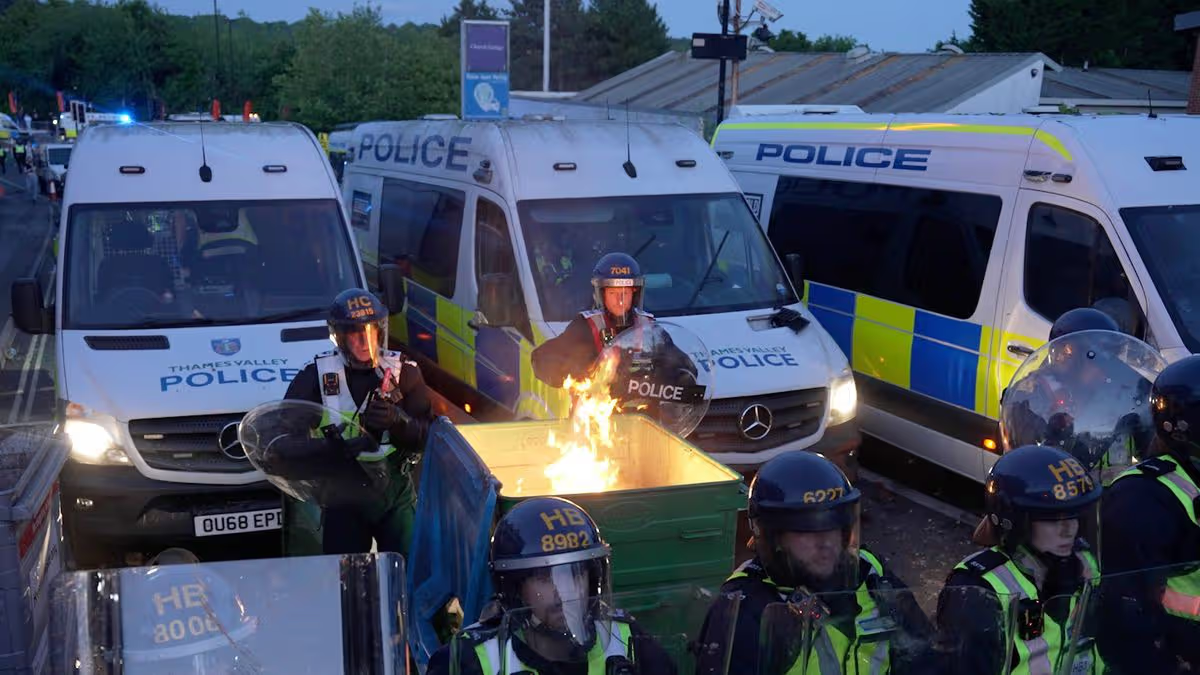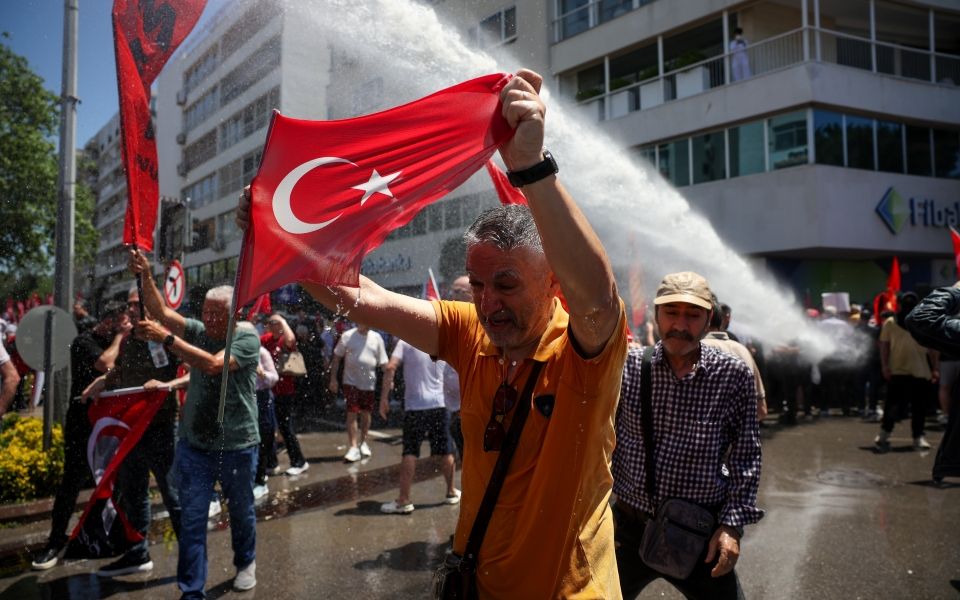
Think about how dangerous it would be to go through a crisis with Turkey in the age of social media. How easily public opinion would “ignite” if some were given the opportunity to light the fuse. It happened in the 19th century through newspaper headlines, and in the 20th century during the Imia crisis, through private television stations.
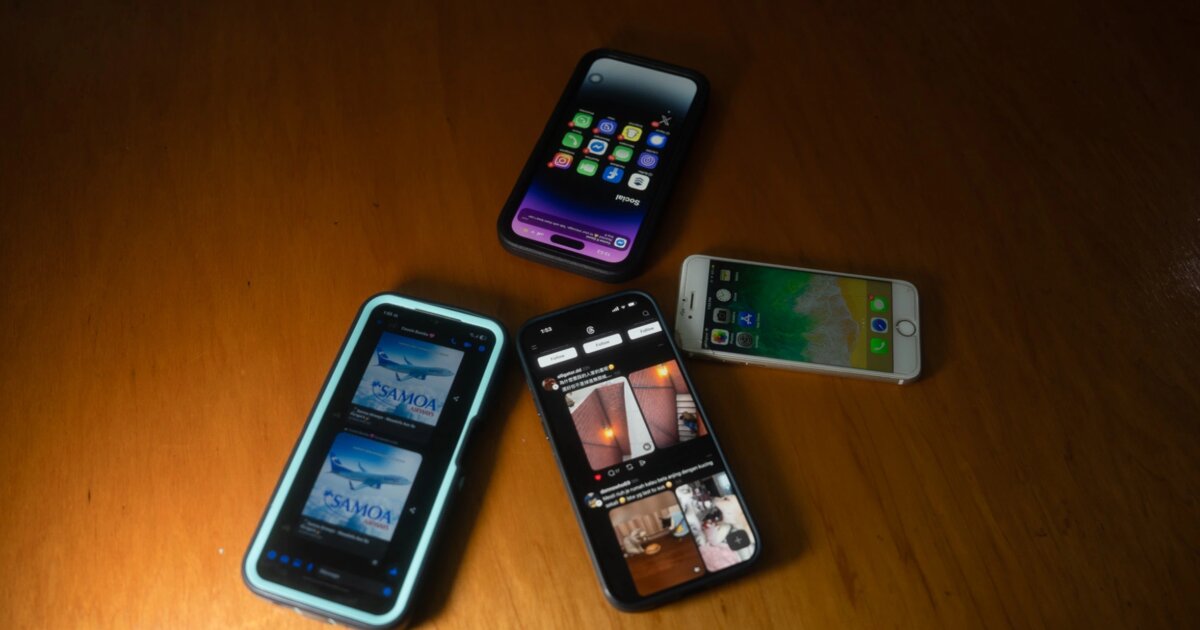
Today, all of this seems static and relatively harmless in the face of the current public debates on the Internet. In both Greece and Turkey, the keyboards of hatred and irrational aggravation can easily be fired up. A trivial incident can turn into something major within seconds, before accusations of “betrayal” start being thrown around. The next stage is, with mathematical certainty, the panicking of politicians, who can rarely resist the trends when the floodgates of social media are abruptly and violently opened.
The current landscape is also extremely anarchic and, even in conditions of national crisis, no phone call from a government official and no informal briefing will be able to put a stop to the madness.
The same, of course, applies to what will be allowed to be broadcast and what will not. We are not talking about cameras showing ship movements – which nowadays are depicted by satellites in real time – but about information or images that anyone can upload on a social media platform.