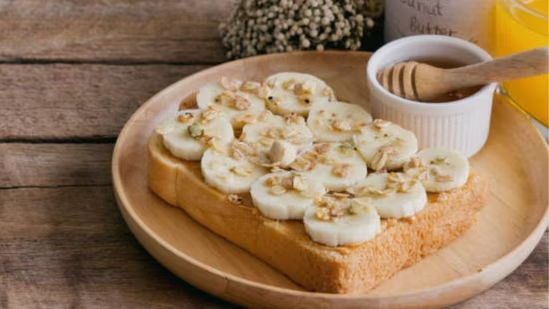
ByMAARIV ONLINEJUNE 8, 2026 20:00After a serious and difficult workout, the body needs various macronutrients to replenish energy, build muscles, and support metabolism. This is exactly why there are different types of snacks that combine high–quality protein with carbohydrates and antioxidants – which will provide you with everything you need. The most common and easiest option is a protein shake, but once in a while it is possible and even recommended to diversify – and if you are tired of it, here are some alternative options.Yogurt with Berries and Chia SeedsNutritional components: Whey protein, antioxidants, and dietary fibersFunctional benefits: Sustained muscle protein synthesis and reduction of inflammationYogurt (preferably Greek yogurt) provides a unique combination of fast–acting whey proteins and slow–digesting casein proteins, which have been proven to support muscle repair for several hours after a workout. Berries provide the body with anthocyanins and polyphenols, which are powerful antioxidants that can help neutralize oxidative stress and inflammation caused by intense exercise. For added texture and healthy fats, it is recommended to sprinkle chia seeds, which provide fiber that helps stabilize blood sugar levels after the workout.Yogurt with Berries and Chia Seeds (credit: SHUTTERSTOCK)Tuna and Whole Grain CrackersNutritional components: Lean protein, omega–3 fatty acids, and complex carbohydratesFunctional benefits: Maximizing the muscle–building responseTuna is exceptionally rich in leucine, an essential amino acid that functions as a central activation "switch" for protein and muscle building. The combination of lean protein with whole grain crackers provides the complex carbohydrates necessary to replenish glycogen stores lost during the workout.Cottage Cheese and Pineapple SlicesNutritional components: Casein protein, bromelain, and vitamin CFunctional benefits: Reduction of Delayed Onset Muscle Soreness (DOMS)Today we will not argue whether pineapple belongs on pizza – rather, we will offer you a tasty protein and energy snack that you can try. Cottage cheese is another excellent source of casein, a slow–release protein that helps maintain a positive nitrogen balance in the body, which is critical for tissue repair. Pineapple contains bromelain, an enzyme that studies suggest can reduce markers of inflammation associated with muscle damage. This combination is particularly effective for evening trainees as it supports muscle maintenance throughout the night.Cottage Cheese and Pineapple Slices (credit: SHUTTERSTOCK)Avocado Toast and Hard–Boiled EggNutritional components: Complete protein, monounsaturated fats, and cholineFunctional benefits: Absorption of highly bioavailable protein and fat–soluble vitaminsEggs are widely considered the "gold standard" for protein quality because their amino acid profile is highly bioavailable, meaning that human muscle tissue utilizes them easily. Serving them on avocado toast adds healthy monounsaturated fats to the menu, which help the body absorb the fat–soluble vitamins found in the egg yolk. This combination digests slower than a shake, providing sustained energy over time – which means you will not suddenly feel hungry after half an hour. We promise this snack is not the reason why millennials do not own their own home at age 30.<br>Steamed Edamame with Sea SaltNutritional components: Complete plant–based protein, iron, and magnesiumFunctional benefits: Plant–based muscle recovery and electrolyte replenishmentEdamame is one of the few plant foods that meet the criteria of a complete protein, meaning it contains all nine essential amino acids required for muscle repair. The young soybeans are harvested while still green and provide high levels of magnesium and potassium, which are essential minerals for muscle function and electrolyte balance after sweaty workouts. A light sprinkling of sea salt helps replenish sodium stores lost in sweat.Edamame (credit: INGIMAGE)Nut Butter and Apple SlicesNutritional components: Plant protein, potassium, and quercetinFunctional benefits: Reduction of cellular damage and stabilization of energy levelsApples contain quercetin, a polyphenol that provides faster recovery after a workout and helps reduce inflammation in active individuals prone to knee osteoarthritis. When combined with almond or peanut butter, the healthy fats and protein slow down the absorption of fruit sugars, creating a steady and moderate release of glucose into the bloodstream.<br>Low–Fat Chocolate MilkNutritional components: Carbohydrate–to–protein ratio of 3:1 or 4:1, calcium, and vitamin DFunctional benefits: Rapid glycogen synthesis and rehydrationChocolate milk is a beverage that was identified as aiding post–workout recovery as early as 20 years ago, primarily because it naturally provides a carbohydrate–to–protein ratio of 3:1 or 4:1, which supports glycogen resynthesis.Beyond macronutrients, its electrolyte profile makes it superior to regular water after an endurance workout. It is also a good source of calcium and vitamin D, both of which are essential for maintaining the bone mineral density required for high–intensity sports.<br>Protein Shake – Not Always the Best OptionA protein shake is an easy and convenient option for protein supplementation after a workout, but it is often a highly processed product that may contain artificial sweeteners, thickeners, and acids. These additives can cause digestive difficulties in certain people, leading to bloating or gas. When you choose to eat whole food as it is, you also get a variety of micronutrients and phytochemicals that are not found in protein powders.How to Choose a Nutritious Post–Workout SnackTo choose a nutritious snack that will do the job after a workout, you should choose snacks that provide 2–4 times more grams of carbohydrates than protein, and consume them within two hours after the workout. Spread your protein intake evenly throughout the day, combined with resistance exercises for optimal muscle protein synthesis.Choose a variety of whole food options to ensure your body receives a wide range of nutrients. Try different combinations to see which snacks make you feel most energetic and ready for your next workout. Of course, it is always advisable to consult a qualified professional to receive a specific recommendation tailored to your medical history and dietary goals.Follow us on Google
Tired of protein shakes? Here are 7 delicious snacks you should try | The Jerusalem Post
Every trainee needs to know that the body requires protein after a workout – but sometimes you simply get tired of protein shakes. This is exactly why there are 7 tasty and varied alternatives.
926 words~4 min read