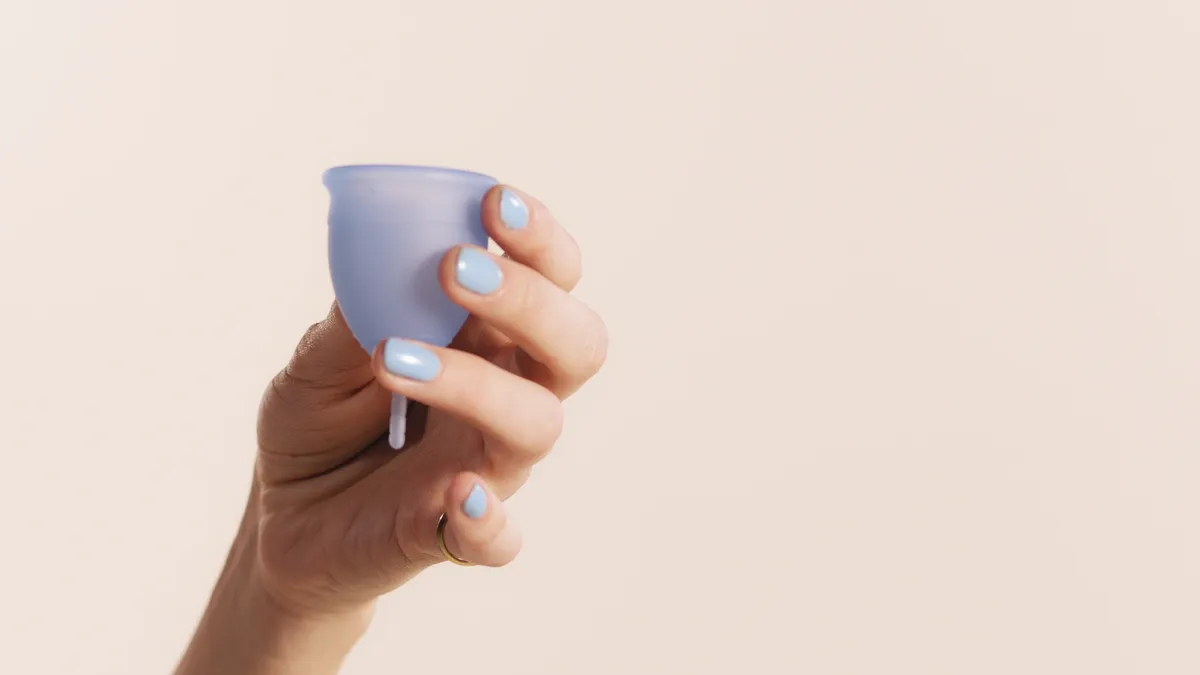
Show Caption
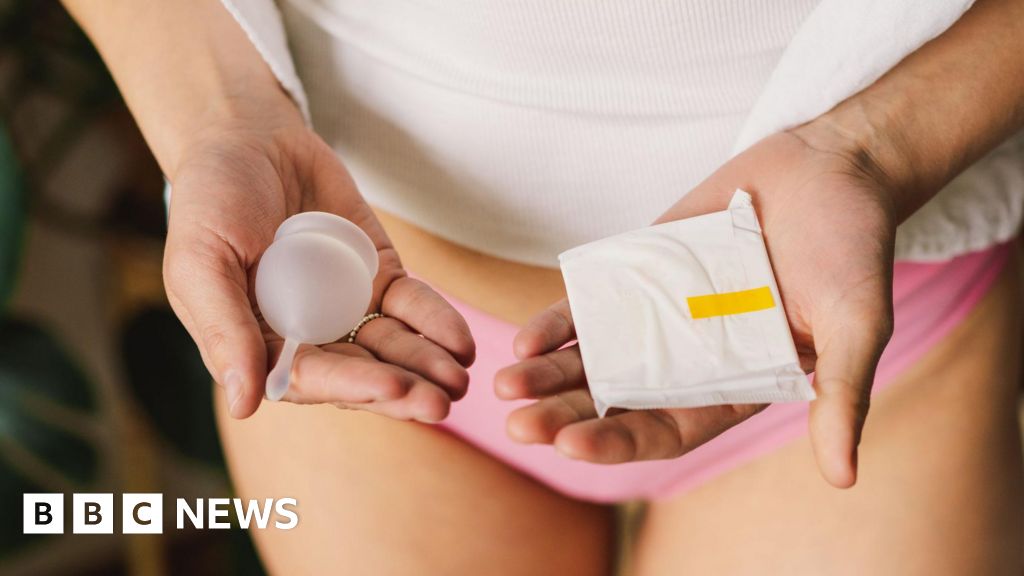
In Facebook groups with upwards of 85,000 members, women share how much their period symptoms have improved after ditching tampons for menstrual discs.“We have a 25,000 member group on Facebook, and we’ve just heard over and over again that their symptoms have been alleviated," says Cherie Hoeger, CEO and founder of Saalt, a reusable period care brand. "The group is self-sustaining and everybody just answers the questions for each other."A small but promising new study supported their anecdotes, finding that 78% of participants reported improved symptoms after using reusable menstrual cups or discs over tampons. The study, published in May by People Science, involved 256 participants, who were asked to log daily symptoms of cramping, headaches, fatigue, bloating and food cravings daily over three menstrual cycles. A private Facebook group, “Put A Cup In It Community,” has over 85,000 members and was created 10 years ago. The subreddit r/menstrualcups has 31,000 weekly visitors. Members are able to ask questions about periods and reusable period care products like menstrual cups, menstrual discs, cloth pads and period underwear. Dedicated users tout their environmental benefits, such as waste reduction, cost-friendliness and potential for symptom management. But despite these long-standing communities and a growing body of research that supports the use of menstrual cups and discs, most women don’t use them.Pads and tampons are the go-to choice for menstrual products, and only 1 in 5 women have used cups or period underwear, according to Apple Women’s Health Study.But Hoeger believes the tide is turning on menstrual care as public awareness of reusable products grows. For example, ads for Knix’s leakproof underwear were spotted inside New York City subway cars this spring, and often on Hulu. Last year, Kristen Bell starred in the brand’s anti-taboo campaign, telling Women’s Wear Daily that she “loves period underwear.” “It was freeing, it was easier, it was more sustainable,” she said. So what are menstrual cups and discs, and why are people making the switch?What are reusable period products?The average woman spends approximately $20 on feminine hygiene products per cycle − about $18,000 over her lifetime, according to estimates from The National Organization of Women. In contrast, an average menstrual cup costs between $20-40 and can last for up to 10 years, depending on the specific product, reducing costs and environmental waste.Menstrual cups are inserted into the vagina during your period and sit below the cervix to collect menstrual blood. Many people report increased comfort, less irritation and the ability to wear the cup for longer periods of time than a pad or tampon, according to Mayo Clinic.Hoeger recommends using discs over cups for women with in-uterine devices (IUDS), as the cups rely on suction to stay in place and may displace the IUD, versus flat discs which are more flexible and expand as menstrual blood accumulates.Period underwear can be worn just like regular underwear, and washed in the laundry to be reused between menstruating days or cycles. They have extra layers of fabric to absorb menstrual blood and prevent leaks.While popular tampons contain chemical and heavy metal contaminants, menstrual cups and discs are typically made from medical grade silicone. Some brands may use latex or thermoplastic elastomers. Period underwear can be made from cotton or other materials like nylon and spandex, and come in a range of absorbency levels.However, some women may find these products to be messy as they require upkeep and cleaning in between cycles, unlike disposable pads and tampons which can be discarded immediately after use.How menstrual cups may reduce symptomsMarybec Griffin, a researcher on the People Science study and the Master of Public Health program director at New York University, says people's perceptions of menstruation impacts the pain they experience."If you've been told your whole life menstruation is gross, it's dirty, it's painful, you're going to go into that experience thinking that and expecting it," she says.But, the products you use can contribute to real symptoms, she hypothesized."When you insert a tampon, it's fibrous and dry," she says. For menstrual cups and discs, they're designed to be soft, flexible and conform to your body. Tampons absorb your body's natural moisture, which can lead to microtears and friction.Tampons can cause pain that resembles cramps by triggering pelvic pain, according to Healthline. However, scientific evidence doesn't support a connection between tampons and cramps, as period cramps occur in the uterus and tampons sit in the vaginal canal.The study found a correlation between menstrual cups and discs and reduced symptoms, but more research is required to prove causation. Griffin hopes for it to inspire more research on mitigating period pain − especially at a time where women's health research is being defunded.For Gen Z, cost is a 'huge' factor in making the switchFor Hoeger, reusables are the "gold standard" in period care. But she understands that people are "very skeptical" about these products."It took me a while to make the switch," she says. "(People) see them as these fringe alternatives."Oftentimes, people choose to manage their menstruation with whatever's "been handed to them when they were first menstruating by an older female in their lives," Griffin says. So, if your mother used tampons, you're more likely to use them too.In Hoeger's experience, customers reasons for switching to reusable products vary."It's usually a life change," she explains. "They just had a baby, and their anatomy has changed. Or they've just entered college, and suddenly cost is a big factor. It depends on the age they're in, but for Gen Zers, cost is huge."