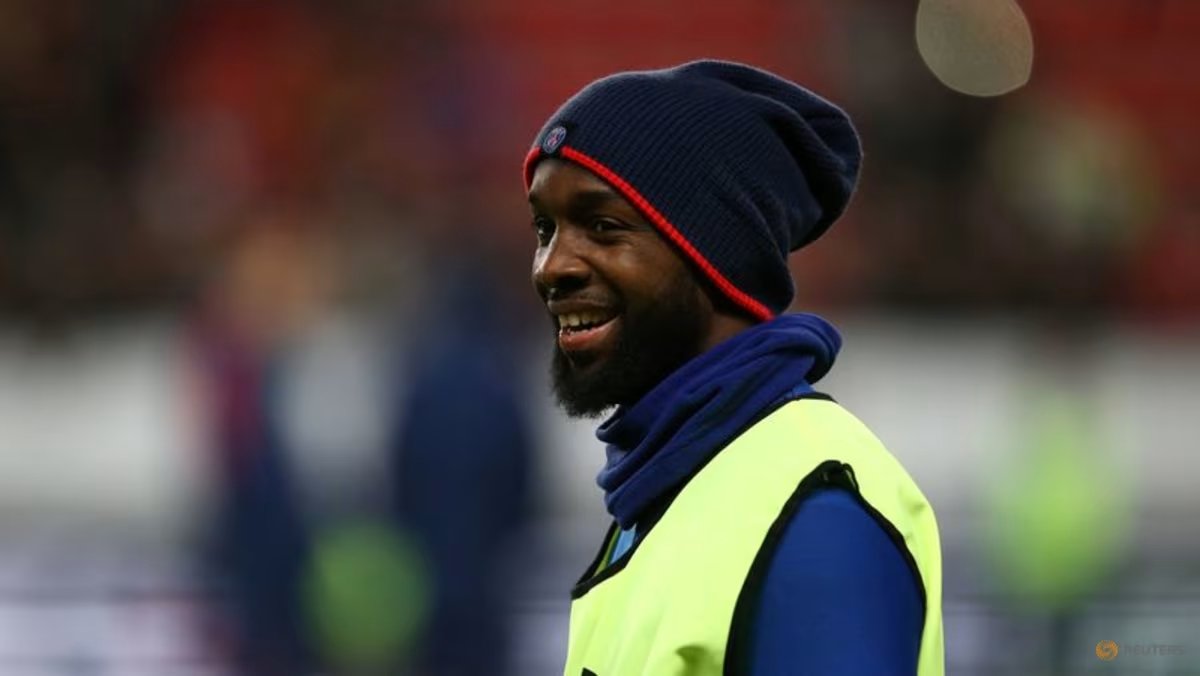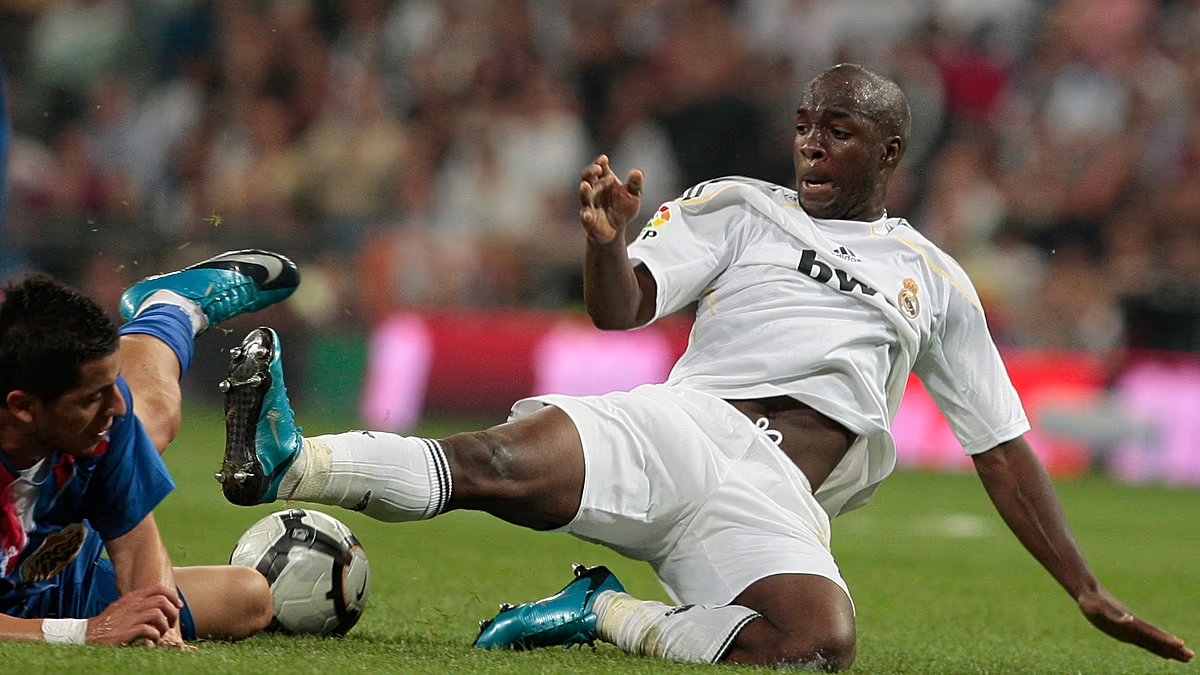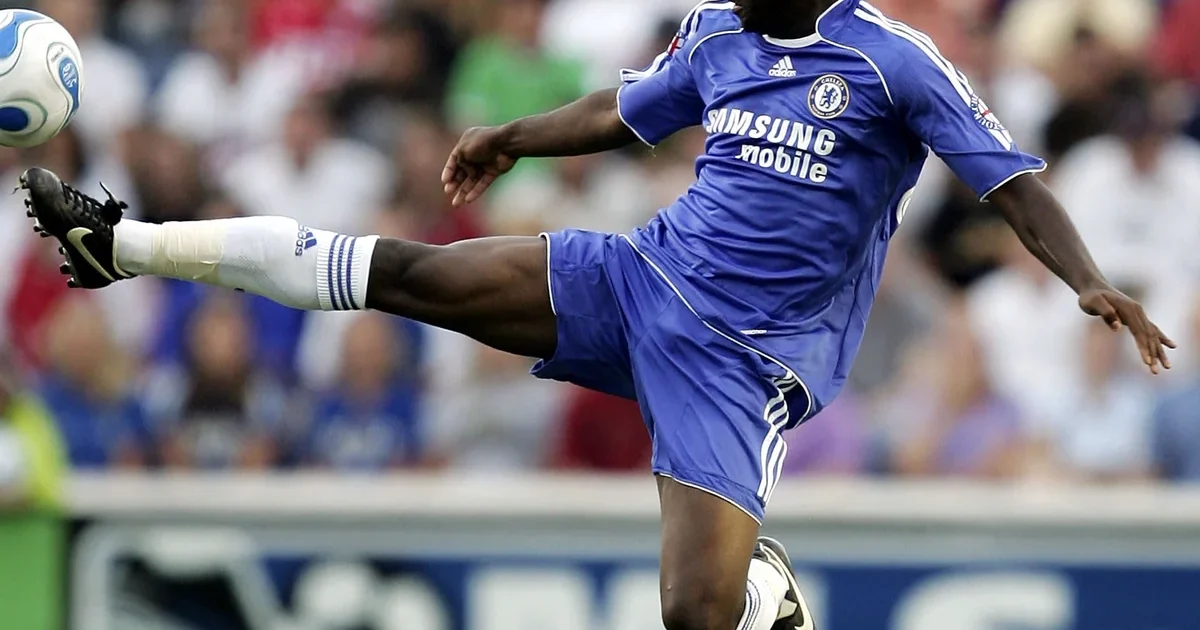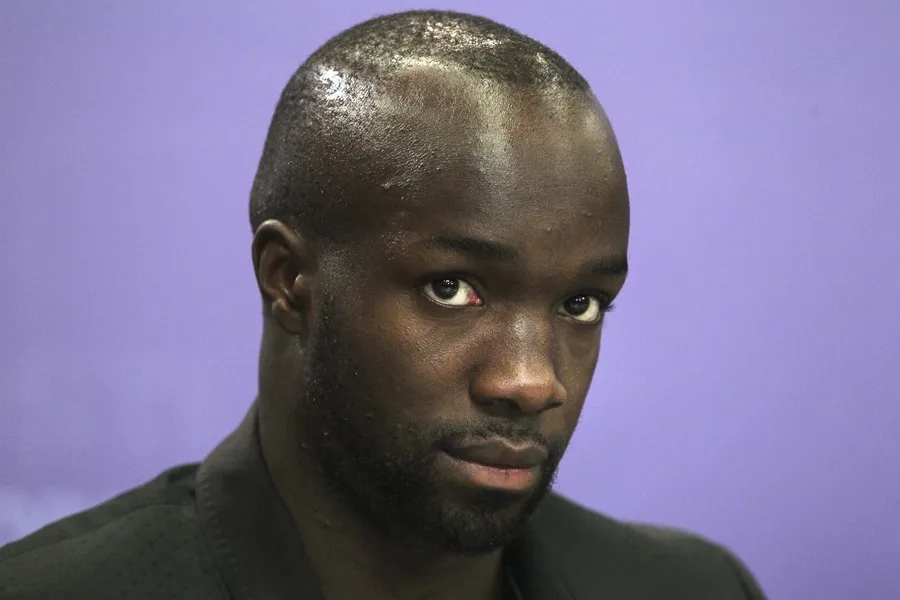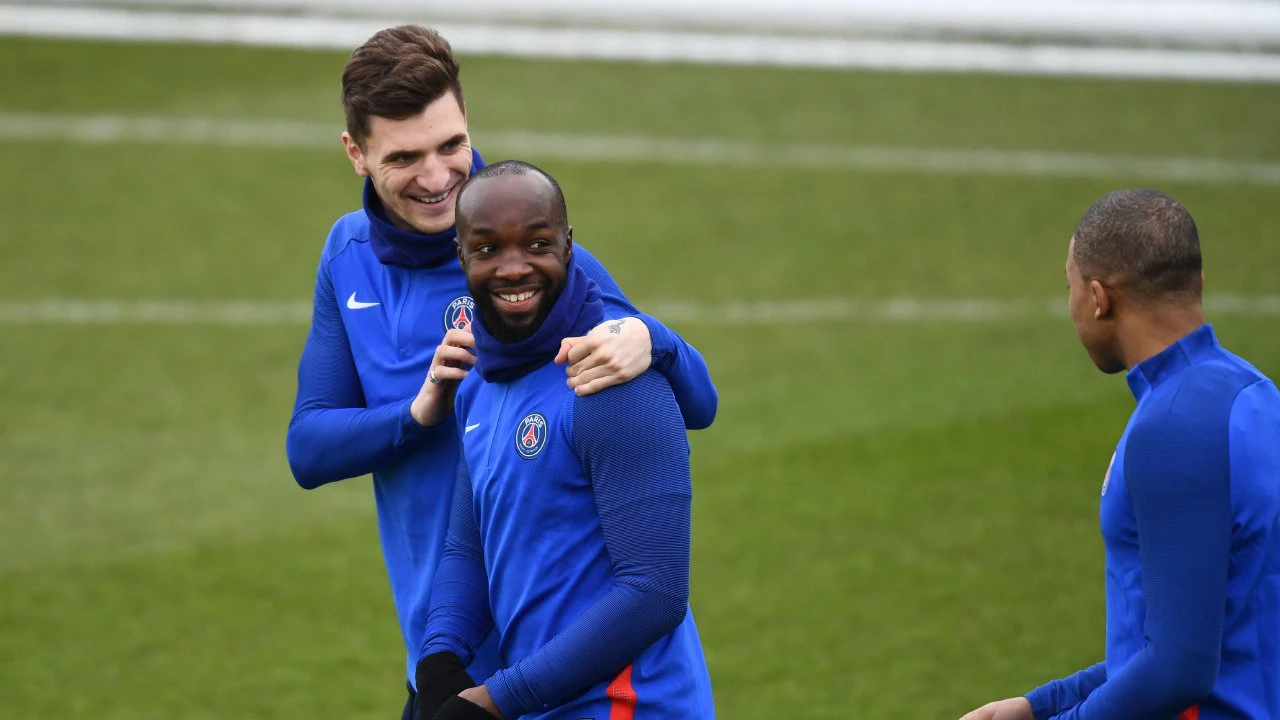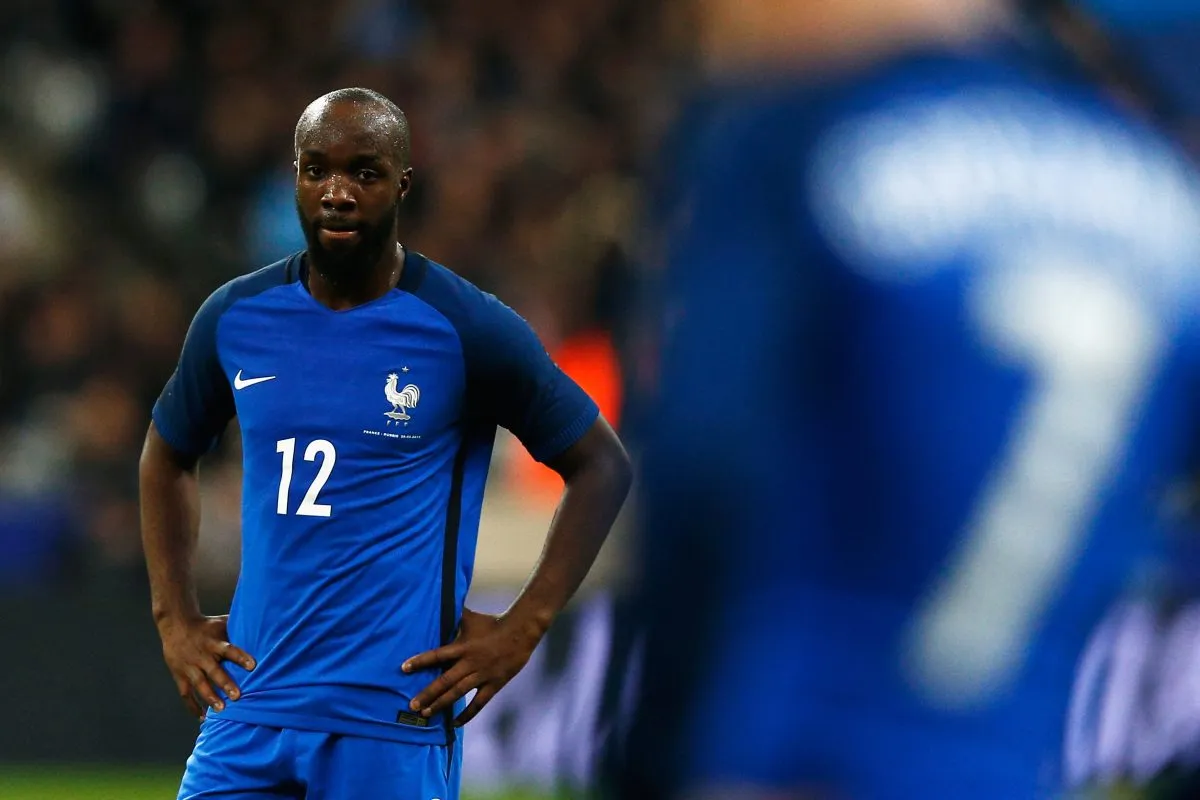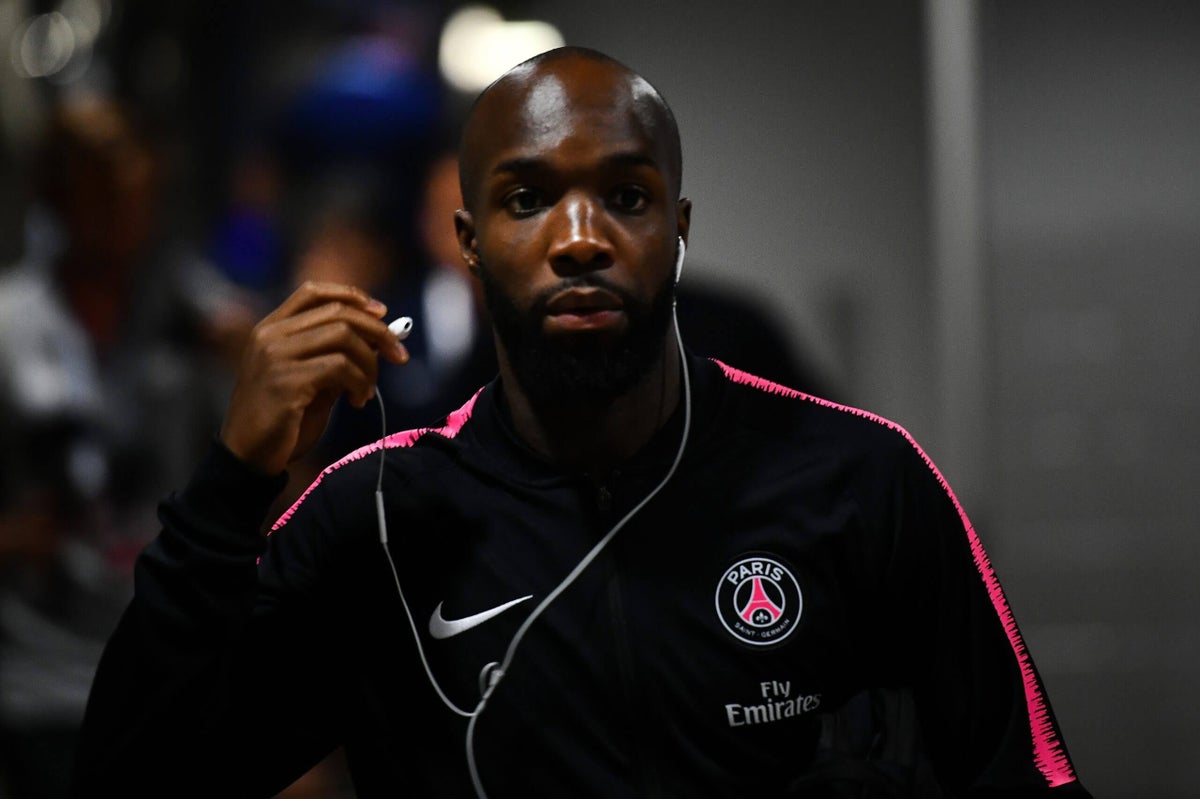
FIFA has reached a settlement with former France midfielder Lassana Diarra, bringing an end to a bitter legal row over the €10.5million ($12.1million, £9.1million) fine and 15-month ban he received in 2014 for breaching his contract with Lokomotiv Moscow “without just cause”.The 41-year-old former Arsenal, Chelsea and Real Madrid star had been seeking €65million ($75million, £56million) in damages from world football’s governing body but FIFA has said it has not paid him any compensation.“Following the global agreement they have reached, Mr Lassana Diarra and FIFA have settled all legal proceedings between them,” a FIFA spokesperson said.“FIFA has not made any admission of liability nor payment by way of compensation. FIFA will not be providing any further comment at this time.”While the FIFA-Diarra dispute appears to be over, the repercussions from his case are not.Diarra, who also played for Portsmouth, Marseille and Paris Saint-Germain during a 15-year career, successfully challenged the basis of that 2014 sanction in a landmark case at the Court of Justice for the European Union (CJEU) in 2024, with the court ruling that several aspects of FIFA’s global transfer rules were against EU competition law.That ruling forced FIFA to quickly rewrite its regulations but some legal experts believe the CJEU decision has called into question the legality of football’s entire transfer system. Others, however, think the changes FIFA has made are enough to address the court’s concerns and business will continue as normal.Last year, an Amsterdam-based foundation called Justice for Players (JfP) started a class-action lawsuit against FIFA and the football federations of Belgium, Denmark, France, Germany and the Netherlands on behalf of every professional who played in the European Union and United Kingdom since 2002. It believes more than 100,000 players lost approximately eight per cent of their career earnings because of unlawful FIFA rules.Last month, the Hungarian players’ union became the 20th such body to join the class action.The row that sparked all of this started in 2013, when Diarra moved from big-spending Russian side Anzhi Makhachkala to Lokomotiv Moscow. His spell in the Russian capital started well but the club demanded he take a pay cut after he fell out with the manager and lost his place in the team.Diarra refused to accept that pay cut, or train with the team, and he was sacked, with Lokomotiv pursuing him for damages via FIFA’s Dispute Resolution Chamber. It decided he was to blame, fined him a sum based on what Lokomotiv said he was worth and banned him.In the meantime, however, he had been offered a new job by Belgian side Charleroi but they pulled out of the deal when they realised the Belgian FA and FIFA would consider them “jointly and severally liable” for any compensation owed to Lokomotiv.As a result, Diarra started the legal action against the Belgian FA and FIFA that ended up at the CJEU in October 2024. He did, however, resume his career in 2016 and played until 2019.Now, thanks to the changes to the rules that FIFA has already made in response to the CJEU defeat, clubs in Charleroi’s position are no longer on the hook for any damages or sanctions. And how those damages might be calculated has also changed, with the amount now linked to what is left on the player’s contract in terms of wages – a far more certain calculation than Diarra faced in 2014.Brazilian forward Lucas Ribeiro Costa became the first player to take advantage of these changes last summer when he terminated his contract with South African side Mamelodi Sundowns to force through a transfer to Spanish side Cultural Leonesa.The Athletic has contacted Diarra’s lawyers and JfP for comment.Jun 8, 2026Connections: Sports EditionSpot the pattern. Connect the termsFind the hidden link between sports terms
FIFA settles dispute with ex-Arsenal player Lassana Diarra – but repercussions from case rumble on
Diarra been seeking €65million in damages from world football’s governing body but FIFA has said it has not paid him any compensation.
621 words~3 min read