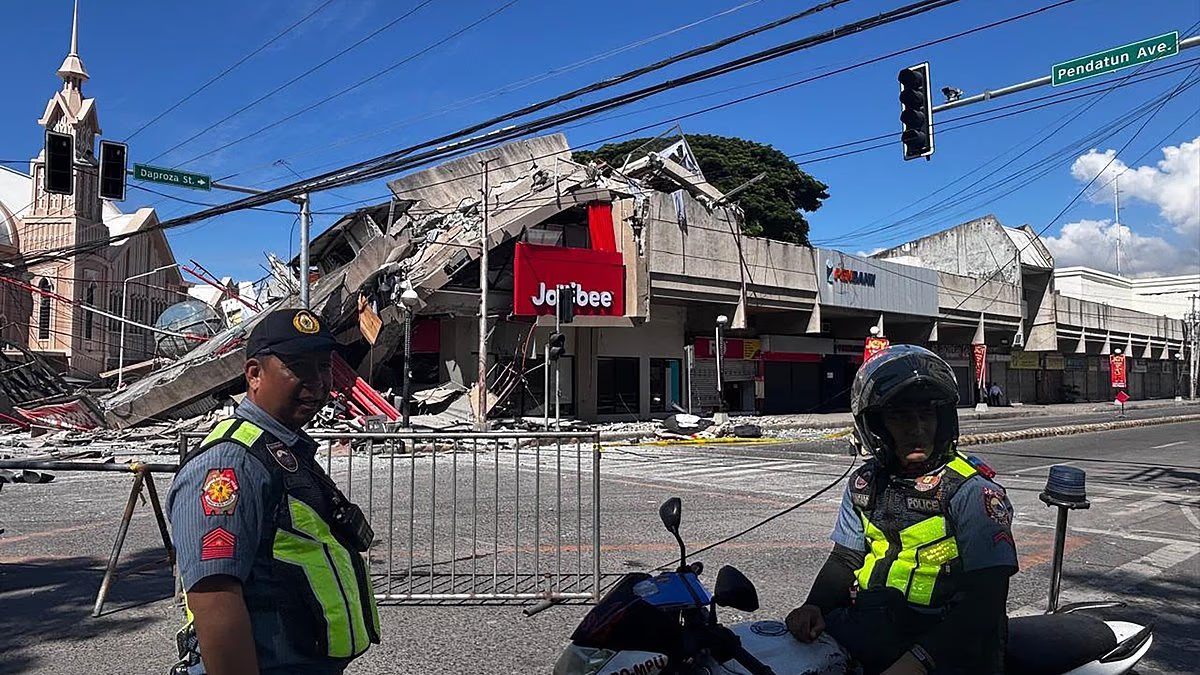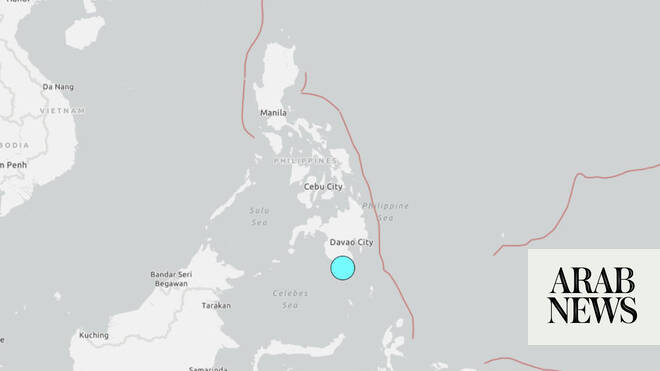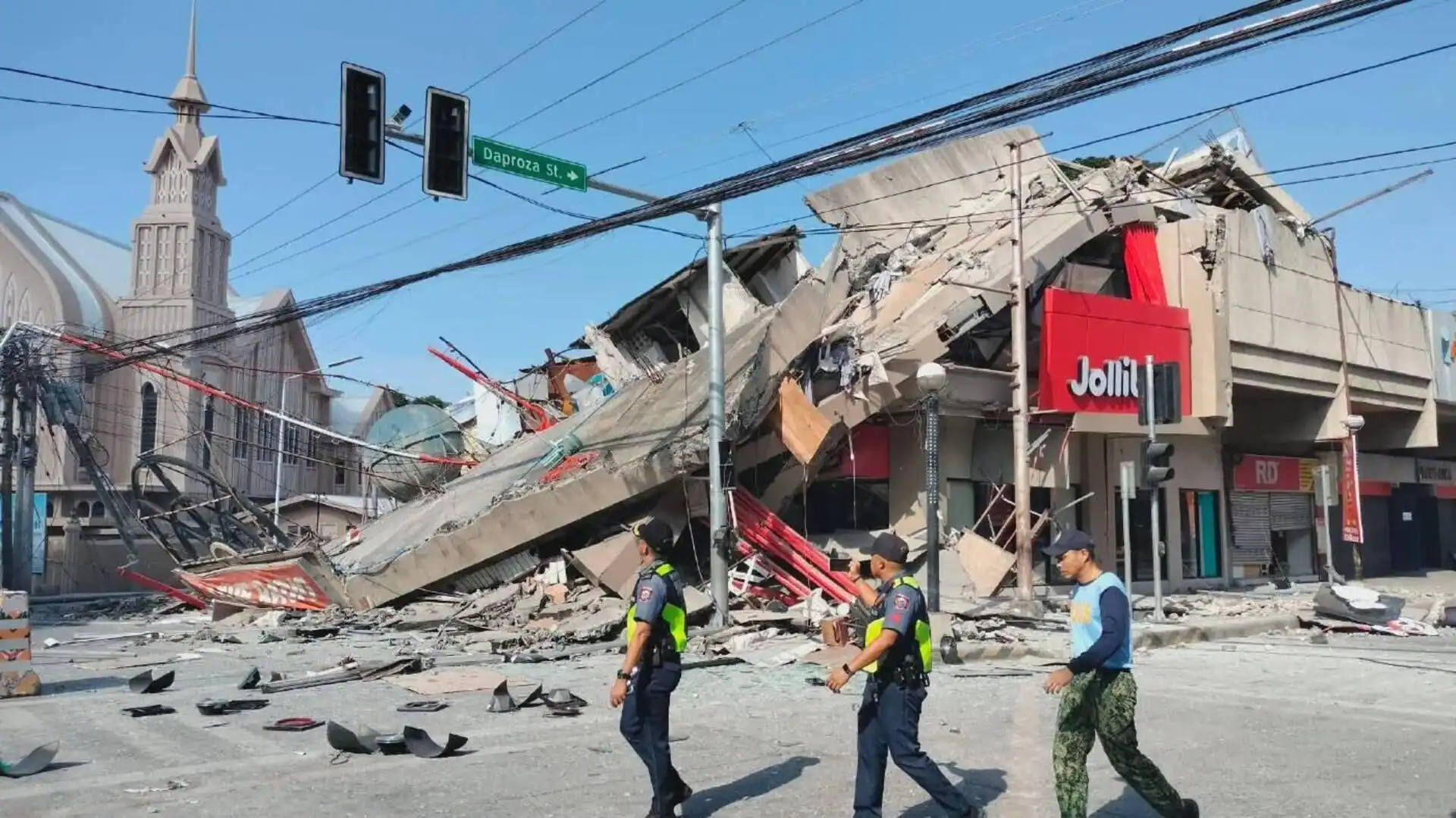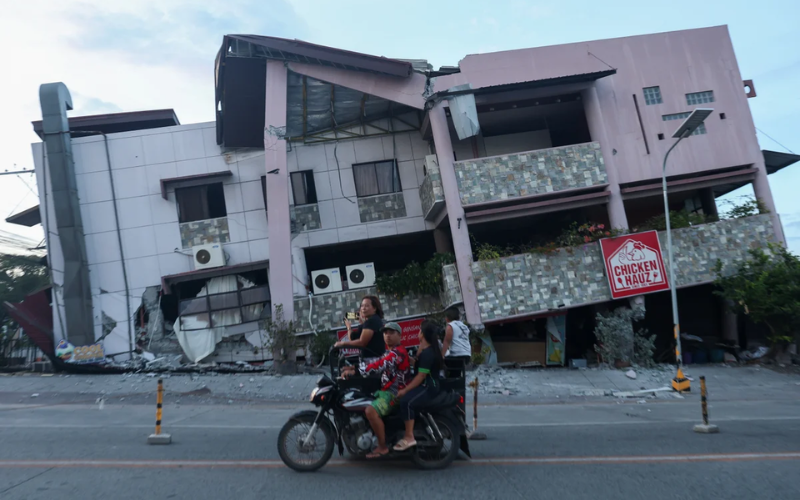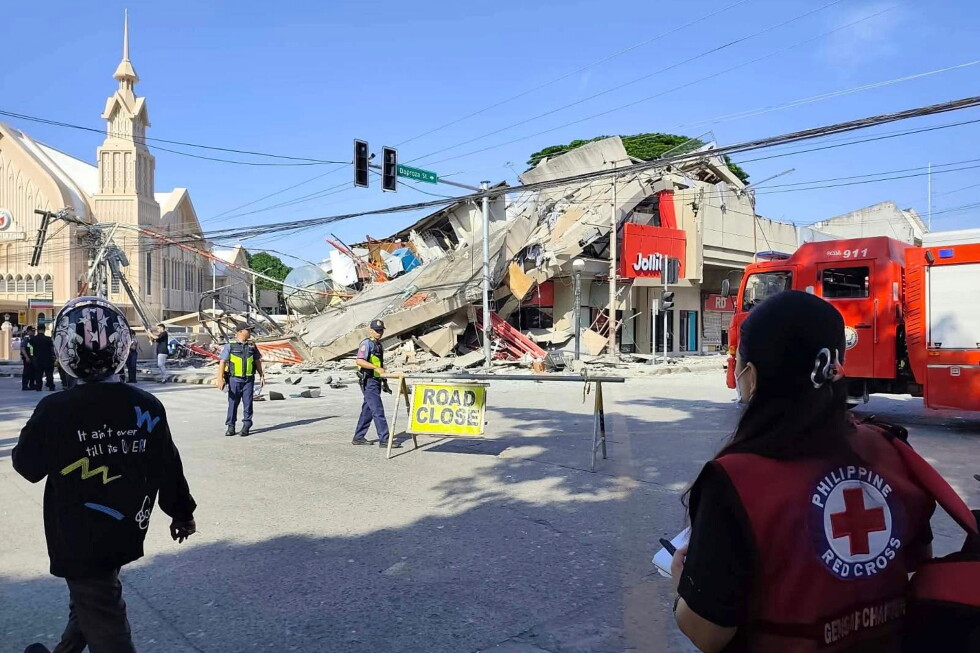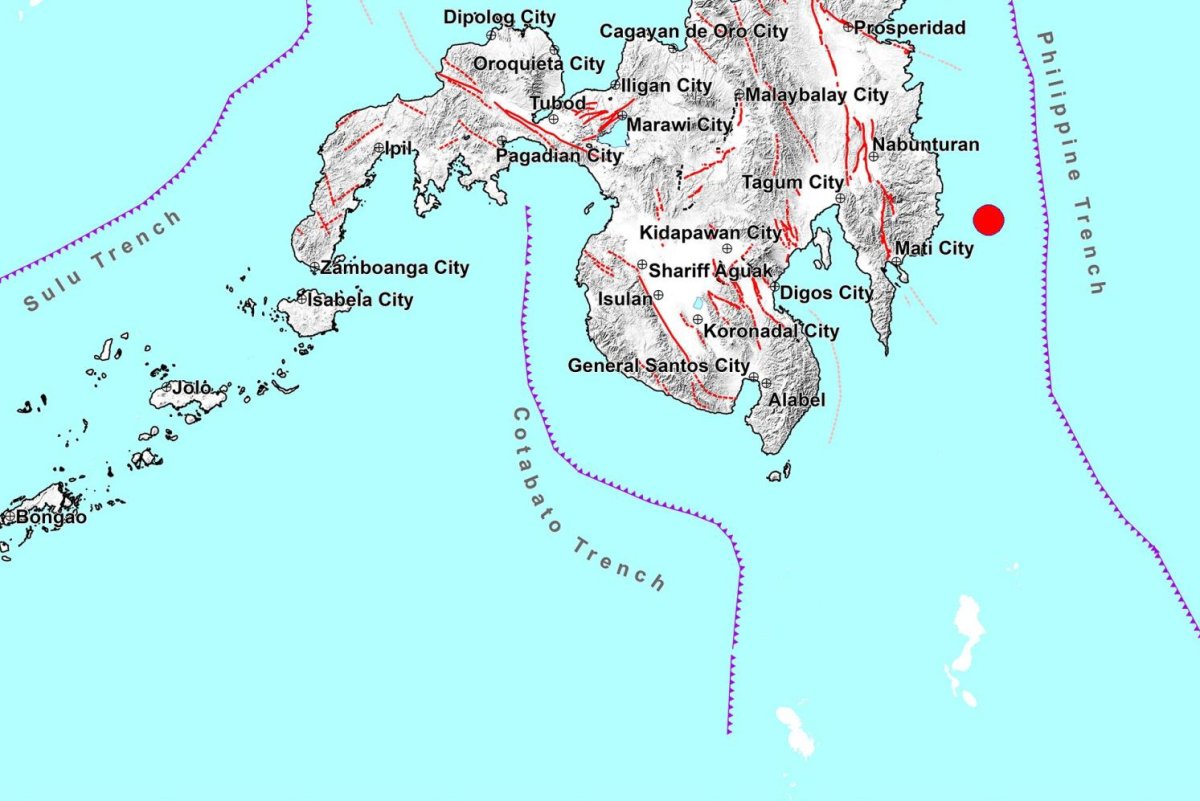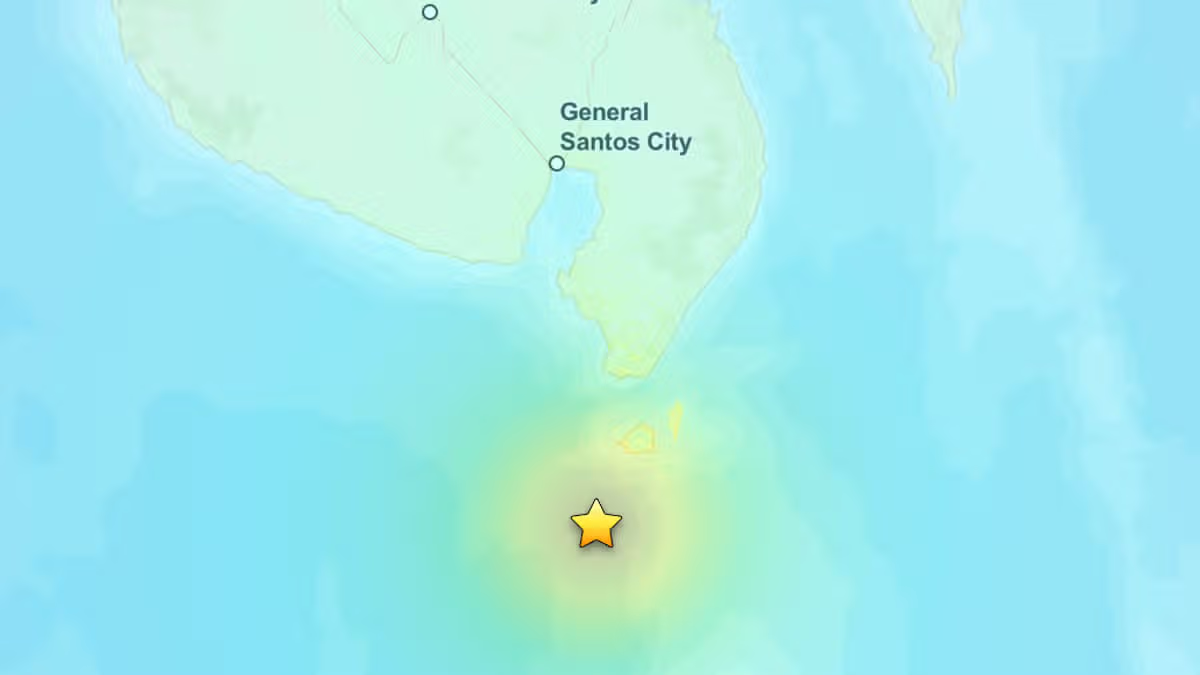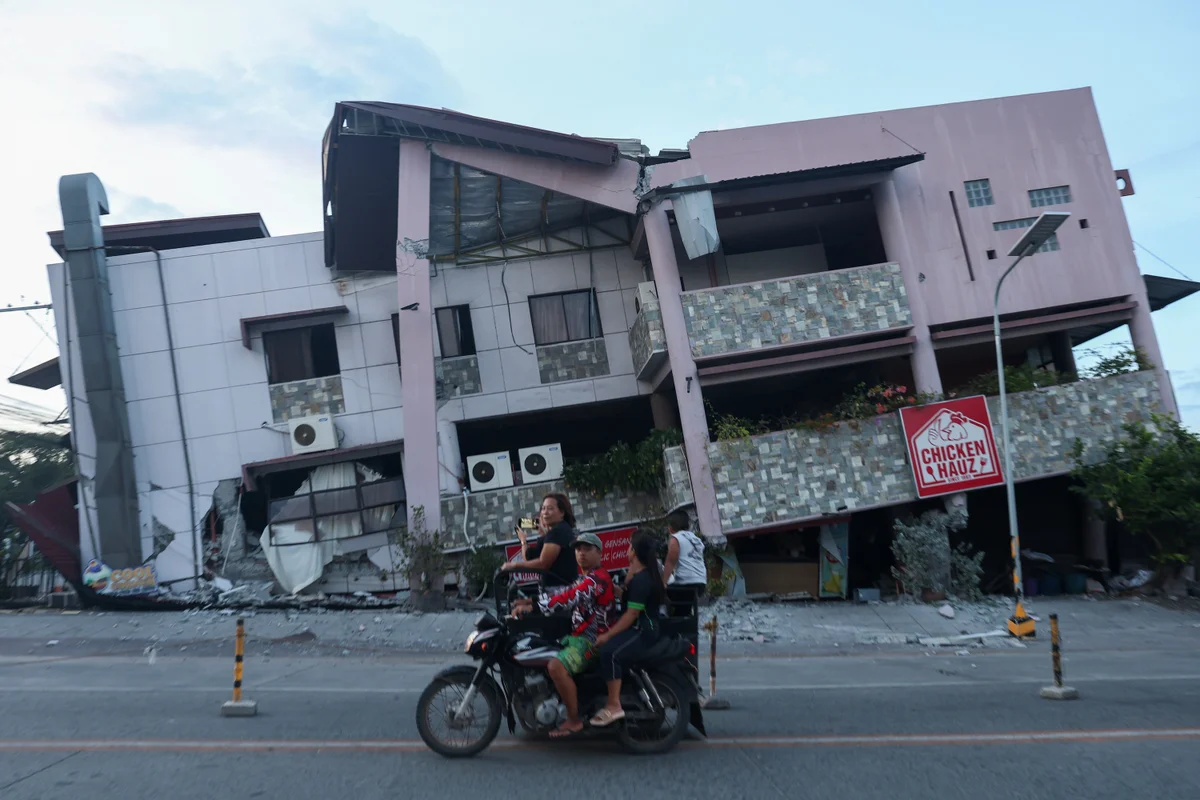
The magnitude-7.8 earthquake that hit the Philippines happened at a subduction zone, places capable of producing the largest earthquakes possibleBy Andrea Thompson edited by Claire Cameron Daniel Ceng/Anadolu via Getty ImagesA magnitude-7.8 earthquake that struck offshore of the Philippines island of Mindanao at 7:37 A.M. local time is the largest earthquake to hit anywhere in the world so far this year, according to U.S. Geological Survey records. But the temblor, which has killed at least 35 and injured scores of people, was actually on the smaller side for the type of fault it occurred at, seismologist Lucy Jones says.An earthquake’s size is determined by the area of the fault rupture—the larger the area, the larger the quake. The largest magnitudes only happen at plate boundaries, Jones says, “because that’s the only place you have a big enough fault.” For context, there is around one magnitude-8 earthquake somewhere in the world and some 12 magnitude-7s each year on average; this year, there have been six magnitude-7s so far.Subduction zones—places where one plate is diving below another—are where the very largest quakes occur because the fault dips down at a shallow angle, creating a larger area of slip, Jones explains. In comparison, though the strike-slip faults of California can produce a magnitude-8 earthquake, the faults there go straight down and quickly hit hotter rocks below, halting the movement and constraining the quake.On supporting science journalismIf you're enjoying this article, consider supporting our award-winning journalism by subscribing. By purchasing a subscription you are helping to ensure the future of impactful stories about the discoveries and ideas shaping our world today.Some subduction zones, like one off Chile, can create the largest earthquakes ever measured because they have younger rocks that dip at a particularly shallow angle. But in this part of the Philippines, the rock is older and colder, so the area that slipped wasn’t as large as it might have been.This area is “a bit of a mess” in that it’s a jumble of pieces of tectonic plate, Jones says, meaning there isn’t as clean of a line of fault to slip “and therefore you don’t have a big a piece that can move at once.” As a result, you get a somewhat smaller quake. The Monday earthquake does, however, appear to be the largest earthquake on record for the Cotabato Trench, according to seismologists Judith Hubbard and Kyle Bradley.There are reports of considerable damage from the Philippines quake, including to buildings. About 1 million people experienced severe shaking, the second highest ranking, and the quake caused a landslide that caused most of the related deaths.And because the fault is a subduction zone and it’s underwater, it displaces water, which causes a tsunami. In this case, the largest tsunami wave measured was about 1 meter—considerably smaller than the nearly 40-meter tsunami that was generated by the 2011 Tohoku quake in Japan.It’s Time to Stand Up for ScienceIf you enjoyed this article, I’d like to ask for your support. Scientific American has served as an advocate for science and industry for 180 years, and right now may be the most critical moment in that two-century history.I’ve been a Scientific American subscriber since I was 12 years old, and it helped shape the way I look at the world. SciAm always educates and delights me, and inspires a sense of awe for our vast, beautiful universe. I hope it does that for you, too.If you subscribe to Scientific American, you help ensure that our coverage is centered on meaningful research and discovery; that we have the resources to report on the decisions that threaten labs across the U.S.; and that we support both budding and working scientists at a time when the value of science itself too often goes unrecognized.In return, you get essential news, captivating podcasts, brilliant infographics, can't-miss newsletters, must-watch videos, challenging games, and the science world's best writing and reporting. You can even gift someone a subscription.There has never been a more important time for us to stand up and show why science matters. I hope you’ll support us in that mission.
The Philippines earthquake is massive, but it could’ve been bigger—here’s why
The magnitude-7.8 earthquake that hit the Philippines happened at a subduction zone, places capable of producing the largest earthquakes possible
680 words~3 min read