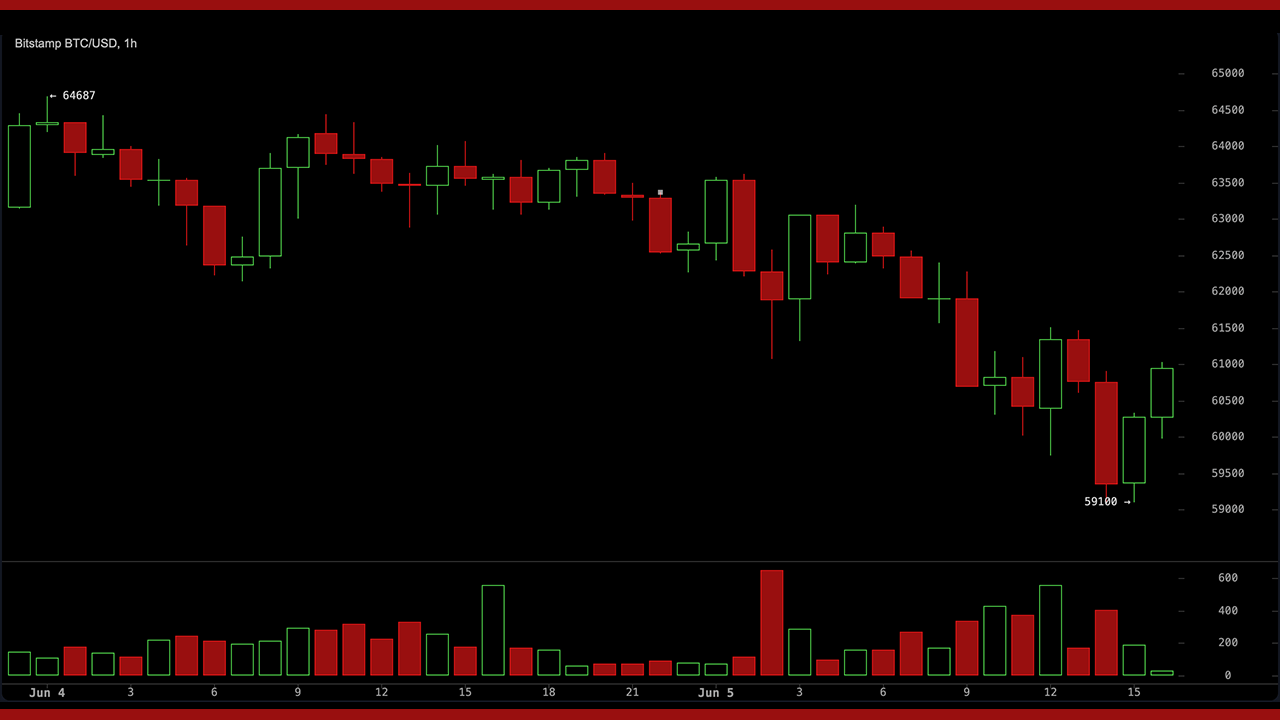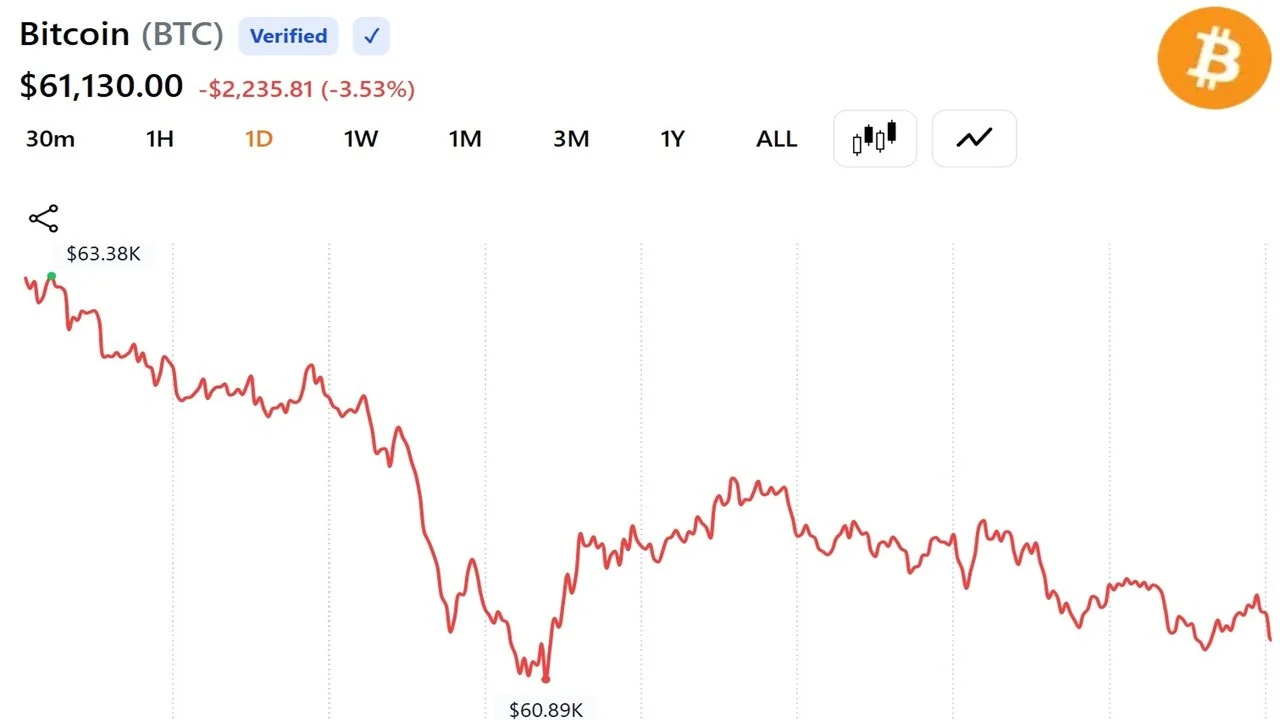
Bitcoin (BTC USD) crash reasons explained: A nearly 50% decline in the crypto market has left many investors wondering whether the current cycle is over. But the latest downturn looks very different from the major crypto crashes of the past.The total cryptocurrency market has fallen roughly 48% from its peak to about $2.46 trillion, while Bitcoin has dropped around 50% from its October 2025 record high of $126,200 to the $60,000 range. Despite the sharp losses, this selloff has not been driven by the kind of industry-wide failures that defined previous bear markets, as per a report.Why This Crypto Crash Looks Different From 2018 and 2022Many investors have compared the current decline to the crashes of 2018 and 2022. However, the causes behind those downturns were very different.The 2018 crypto bear market wiped out about 84% of Bitcoin's value after a speculative boom faded. The 2022 collapse saw prices fall roughly 78% as the failures of Terra and FTX triggered a crisis of confidence across the industry.The current downturn has been driven largely by broader economic pressures. Concerns linked to the US-Iran conflict, persistent inflation, a stronger US dollar, and reduced expectations for Federal Reserve rate cuts have all weighed on risk assets, including cryptocurrencies, as per a Finance Feeds report.You Might Also Like:Unlike previous crashes, there has been no major exchange collapse or large-scale solvency crisis at the center of the selloff.Bitcoin (BTC USD) and Crypto Market Cap Suffer Heavy LossesThe numbers highlight the scale of the correction.Total crypto market capitalization has fallen about 48% to roughly $2.46 trillion.Bitcoin has declined from its October 2025 all-time high of $126,200 to around $63,000.Approximately $110 billion was wiped from the crypto market in a single 24-hour period on June 2, 2026.A record $1.8 billion in liquidations occurred during one of the sharpest days of the selloff.The majority of those liquidations came from bullish positions, with about $1.35 billion tied to long trades.ETF Outflows and Liquidations Added PressureSeveral crypto-specific factors intensified the market decline.US spot Bitcoin ETFs recorded $2.43 billion in outflows during May, marking the largest monthly withdrawal of 2026. Daily outflows were later estimated between $2.8 billion and $3.5 billion.You Might Also Like:Meanwhile, heavy leverage in the market amplified losses as prices fell. The $1.8 billion liquidation event became the largest single-day flush since February 2026.The combination of ETF withdrawals and forced liquidations accelerated the downward move as investors reduced exposure to risk assets.Strategy's Bitcoin (BTC USD) Sale Grabbed AttentionAnother closely watched development was Strategy's decision to sell Bitcoin for the first time in nearly four years.The company sold 32 Bitcoin as part of efforts to fund preferred-share dividends after pressure emerged on its market-to-net-asset-value premium.Although the amount sold represented only a tiny fraction of Strategy's total holdings of 843,706 Bitcoin, the move attracted significant attention because the company has long been associated with aggressive Bitcoin accumulation.Chairman Michael Saylor described the company's focus around its "bitcoin per share" metric, saying, "BPS is EPS on the Bitcoin Standard," as quoted by Finance Feeds.Crypto Infrastructure Continues to Function NormallyOne of the biggest differences between this downturn and previous crypto crashes is that the industry's core infrastructure has remained operational.Stablecoins maintained their pegs throughout the volatility. DeFi lending markets continued functioning, with total value locked remaining near $58 billion despite the broader market decline.Major protocols processed liquidations through their normal automated systems, while liquid staking platforms experienced no significant disruptions during the selloff.The networks themselves continued operating without major issues even as prices declined sharply.Analysts See a Difference Between Sentiment and FundamentalsSome analysts believe the current weakness is more closely tied to investor positioning than to problems with the underlying technology.According to Geoff Kendrick, Head of Digital Assets Research at Standard Chartered, "The selloff in recent weeks could extend, as ETF investors — many sitting on losses — are more likely to reduce exposure than buy the dip. Once prices establish a bottom, I expect a recovery through the rest of 2026," as quoted by Finance Feeds.The view reflects a broader argument that the current downturn is being driven by flows and sentiment rather than structural failures within the crypto ecosystem.Stablecoins Could Become Key to Any RecoveryAnother notable trend during the selloff has been the movement of capital into stablecoins rather than completely out of the crypto ecosystem.Much of the money leaving higher-risk crypto assets has remained within digital asset markets in the form of stablecoin holdings.Historically, periods in 2019 and 2023 saw recoveries begin when capital parked in stablecoins started moving back into major cryptocurrencies.For now, investors continue watching whether improving sentiment, easing macroeconomic pressures, or renewed ETF demand can eventually help reverse the trend.FAQsHow much has Bitcoin fallen from its peak? Bitcoin has dropped about 50% from its October 2025 high of $126,200 to around $63,000.How much has the overall crypto market declined? The total cryptocurrency market has fallen roughly 48% from its peak to about $2.46 trillion.
Bitcoin (BTC USD) crashes 50% from October 2025 high, ETFs lose billions, and $1.8 billion gets liquidated - reasons why this crypto selloff is different from 2022 and 2018
Bitcoin (BTC USD) crash: Bitcoin sees a steep decline of 50% from its peak with billions lost in ETFs and liquidations. Discover why this selloff differs from previous market crashes and what it means for the crypto future.
817 words~4 min read