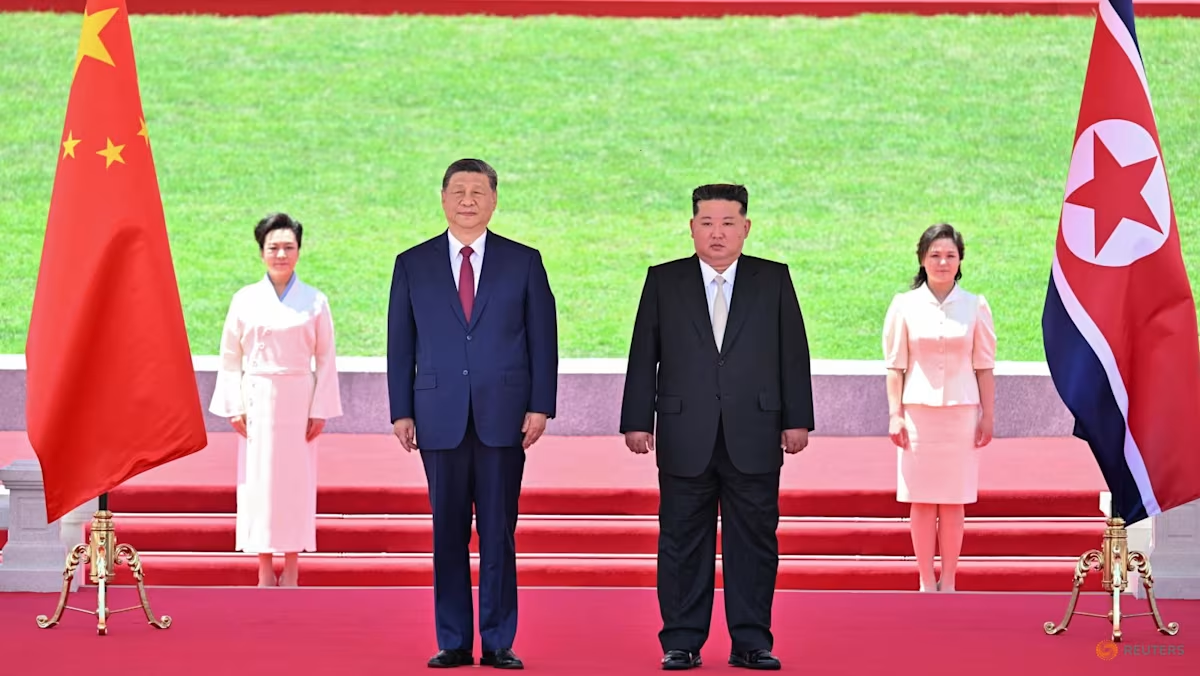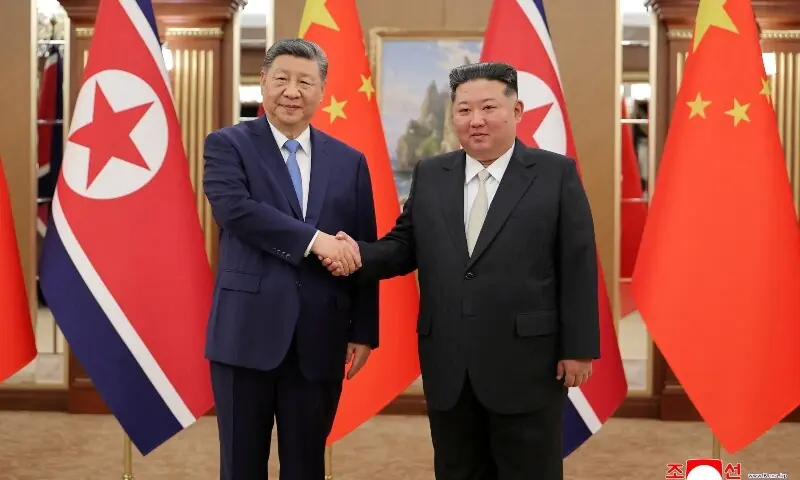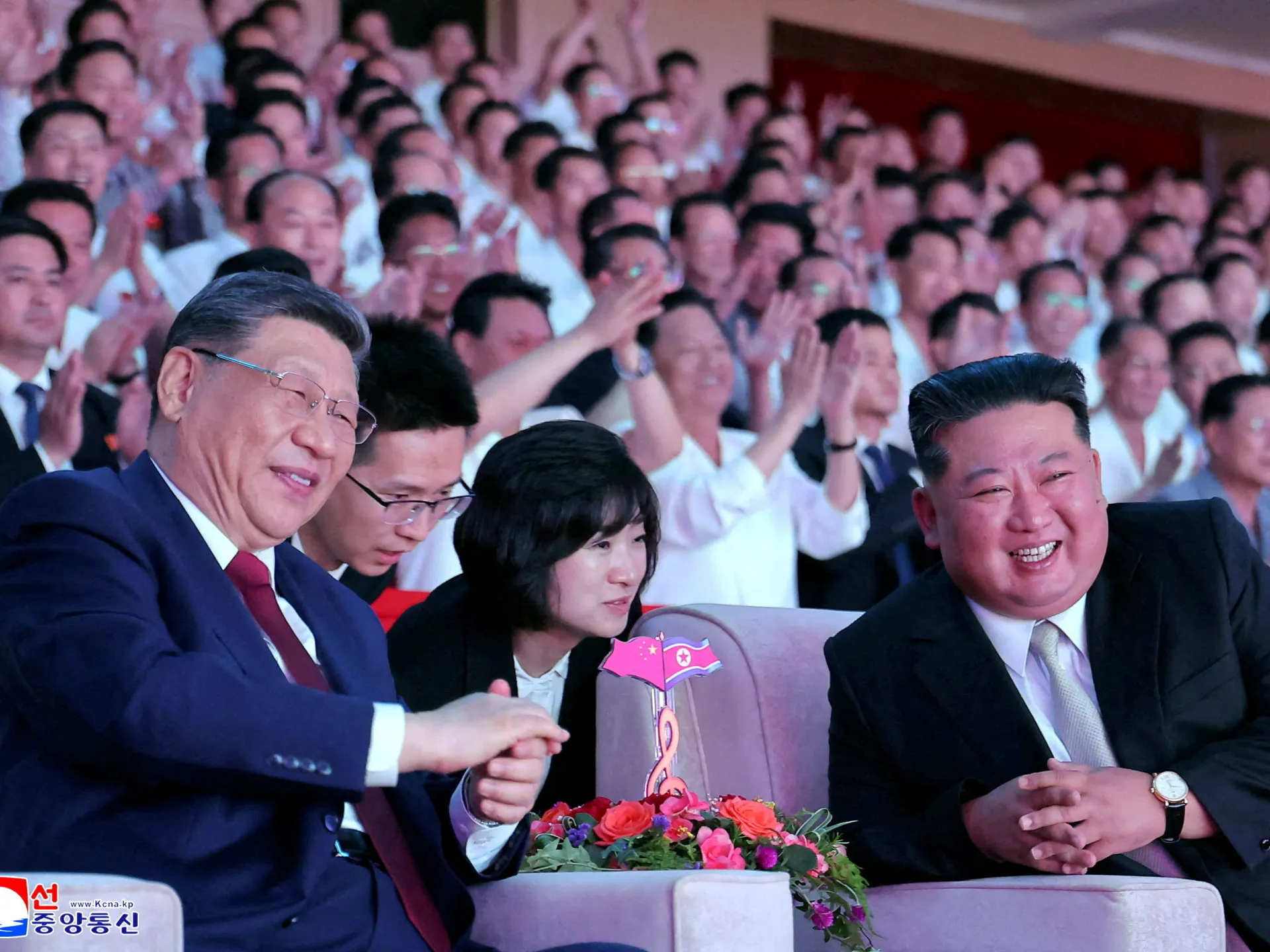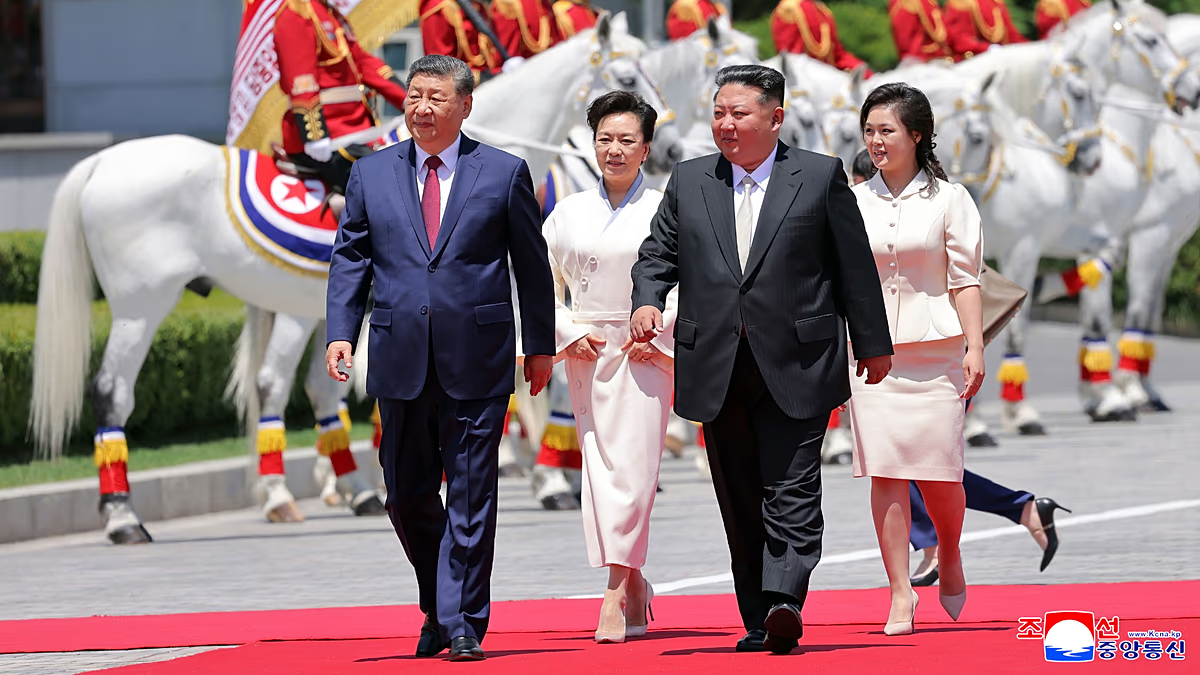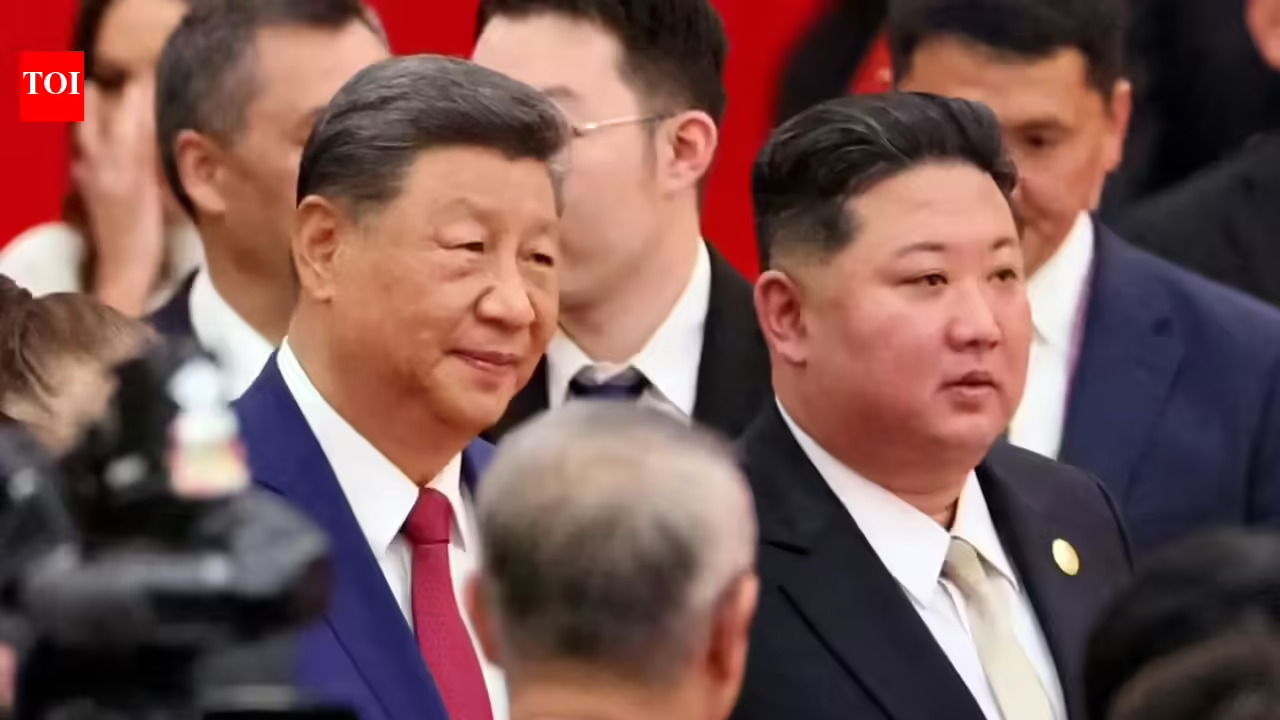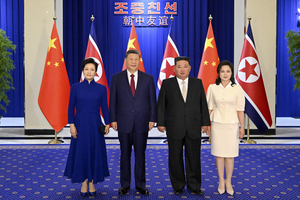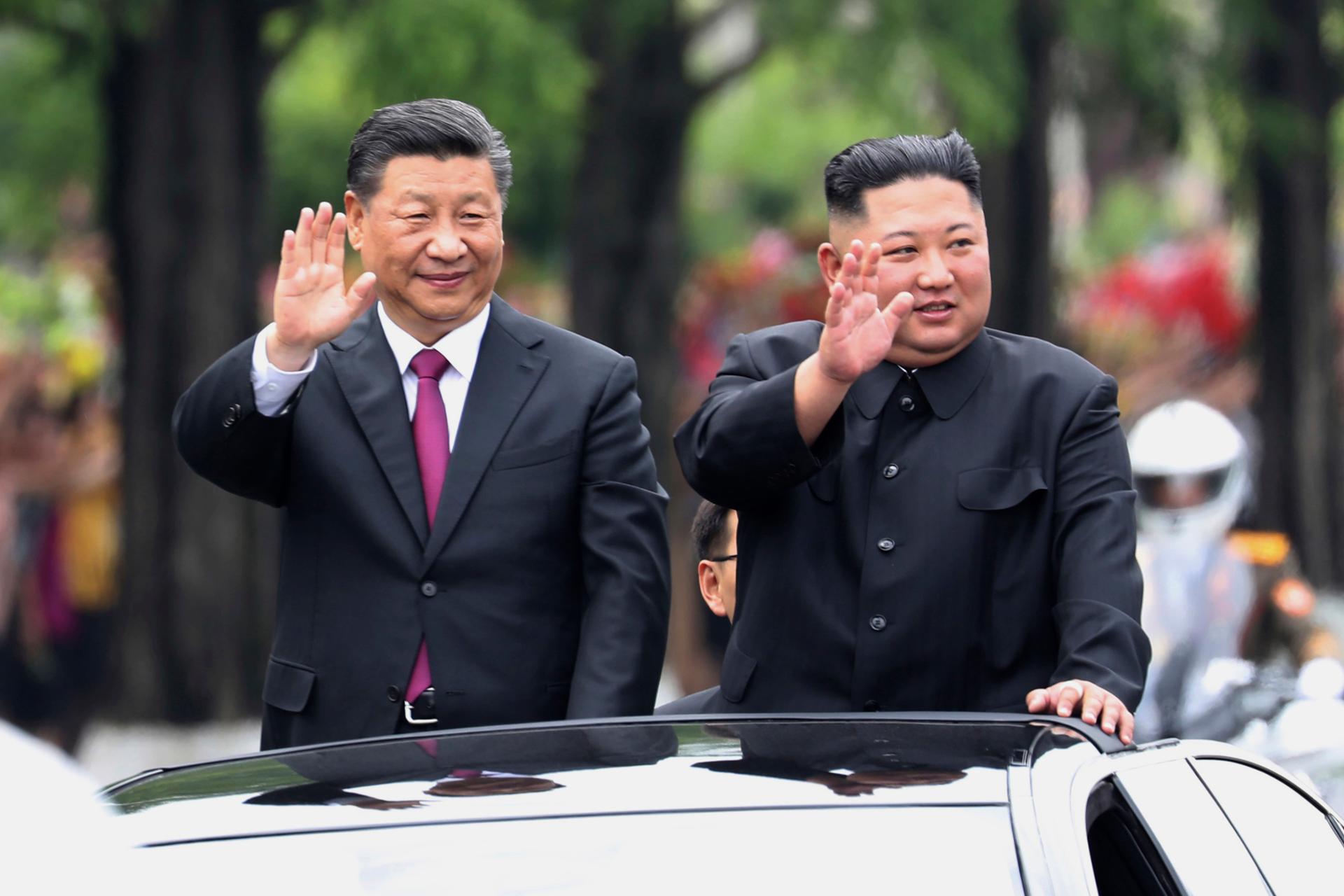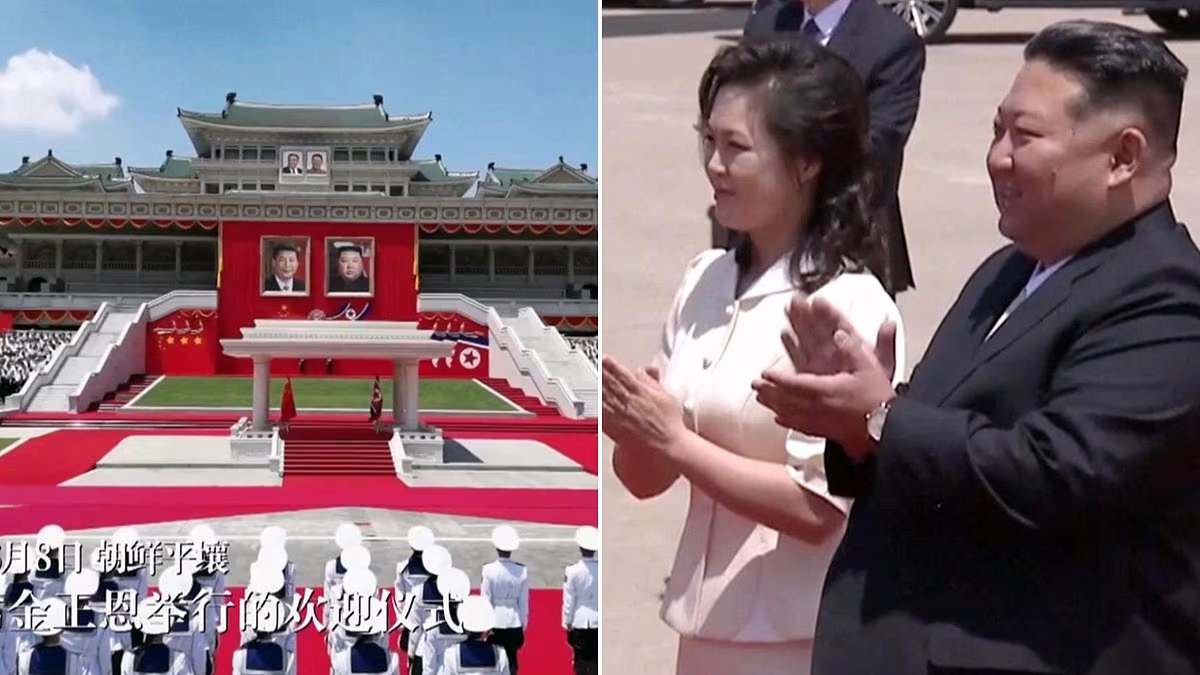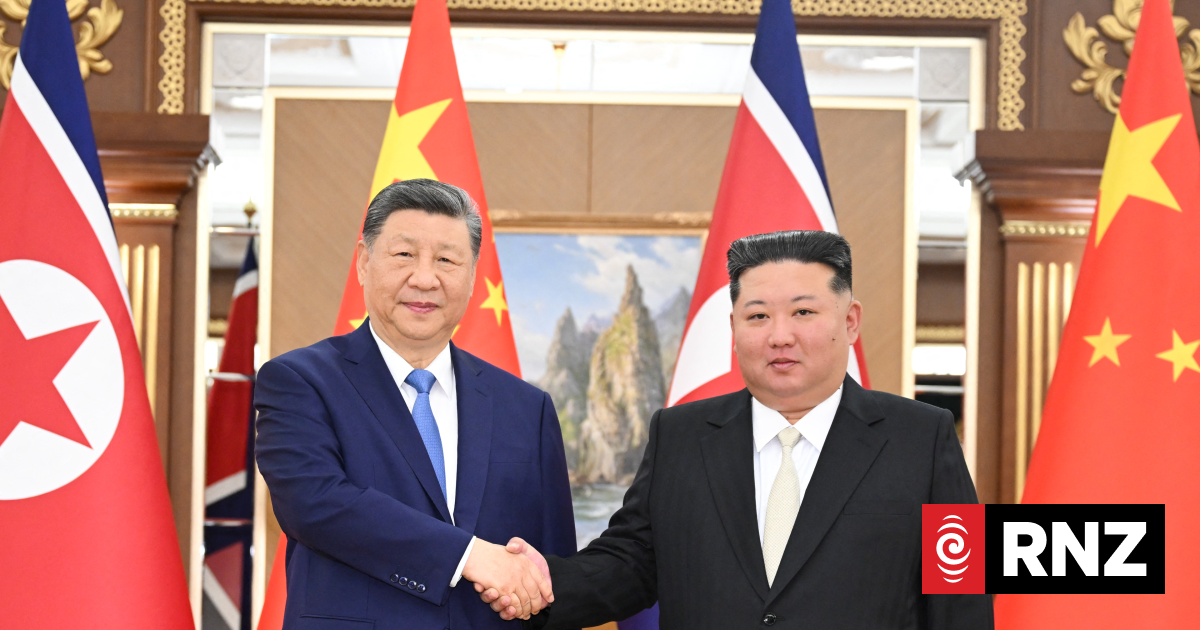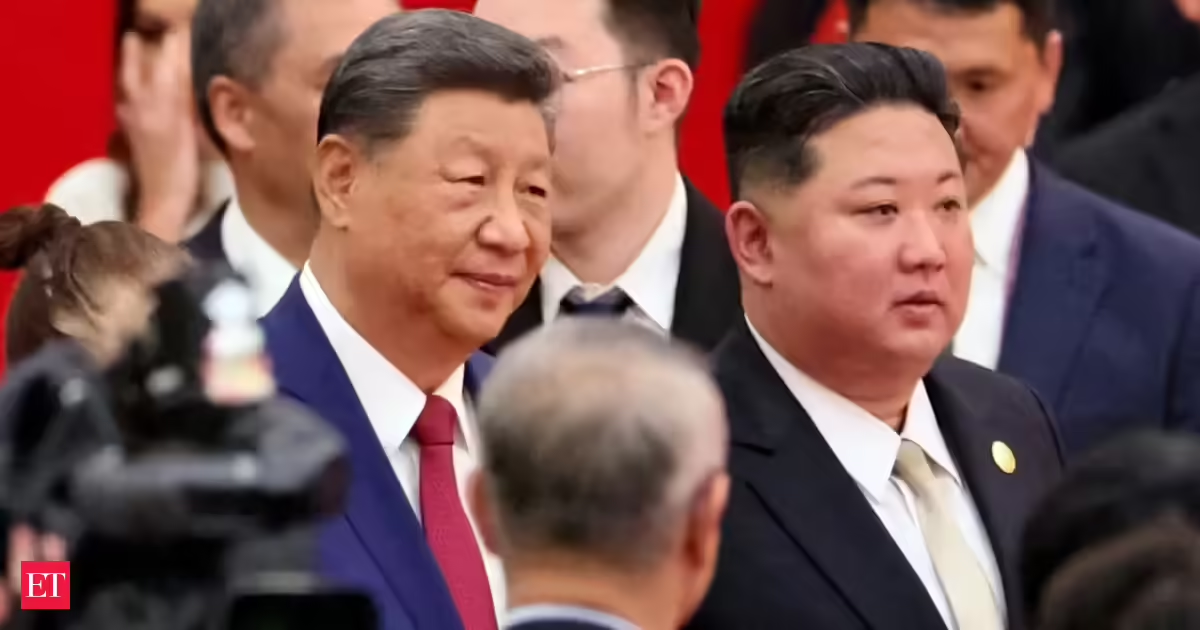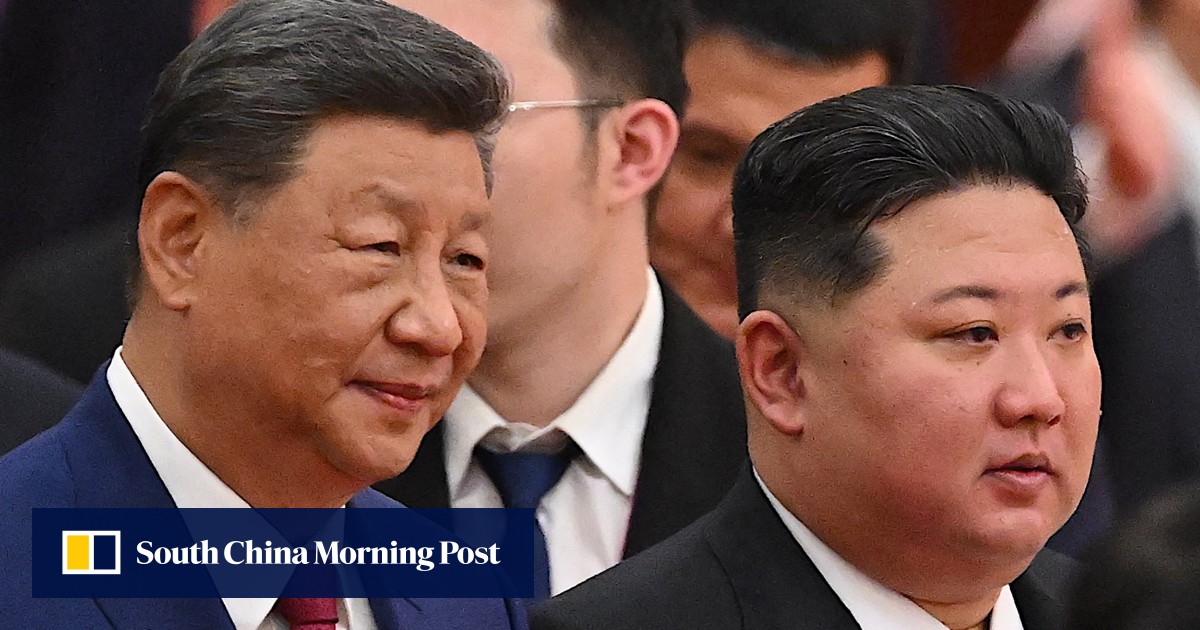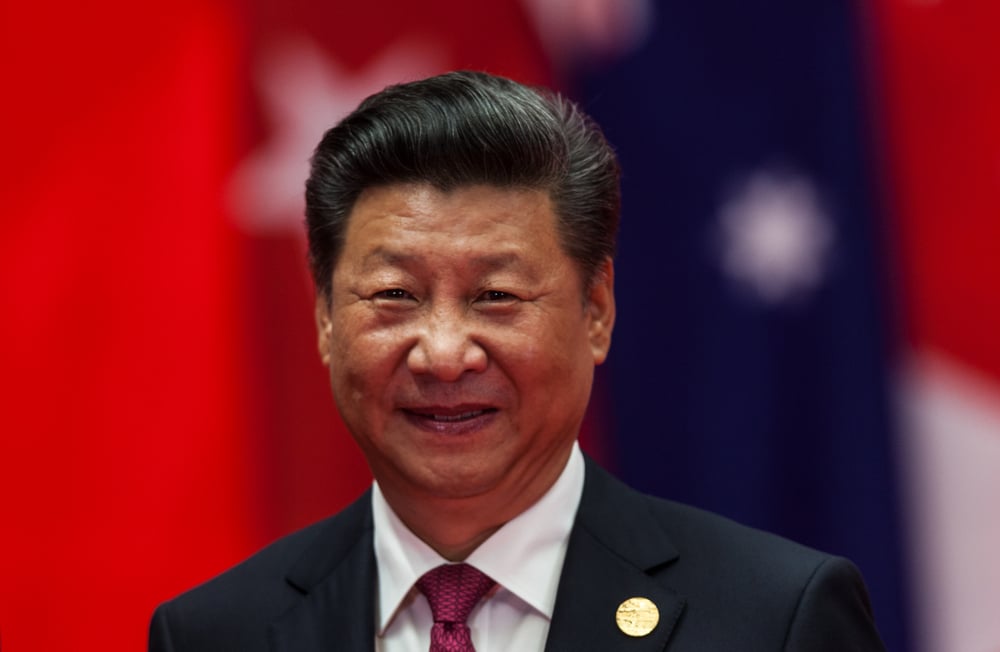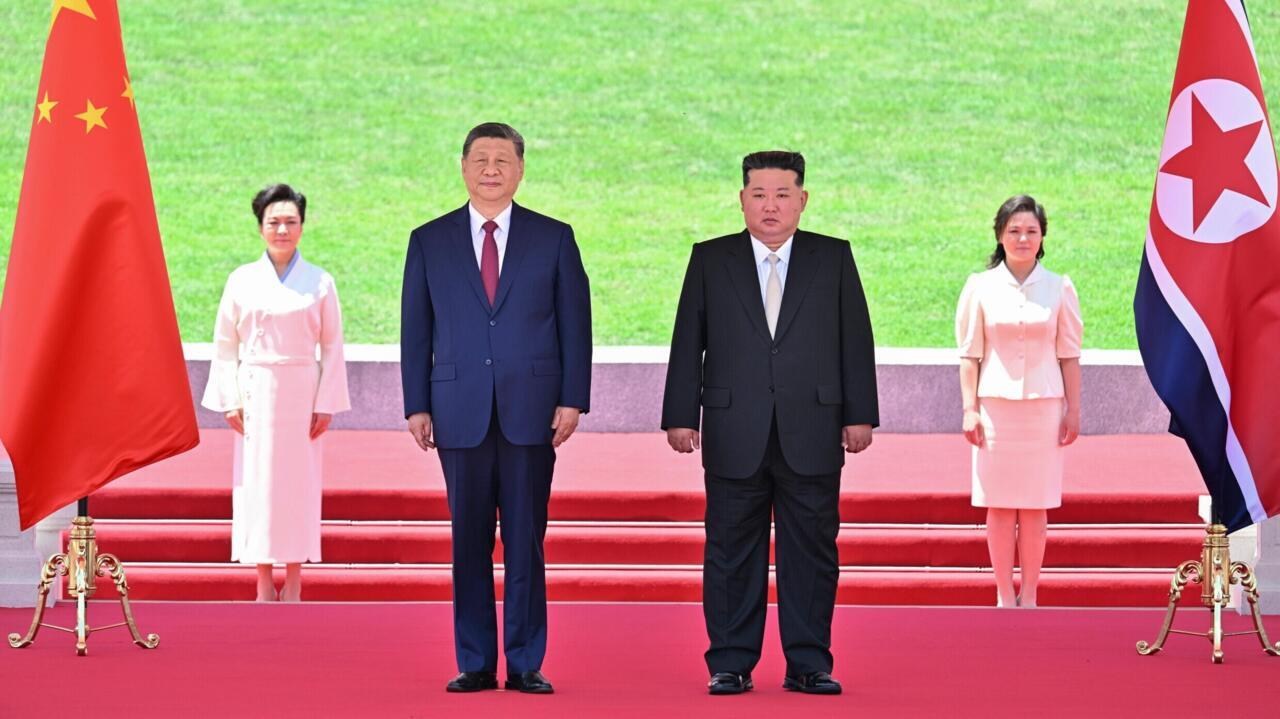
China will not swerve from its commitment to safeguarding common interests with North Korea or waver in its support for Kim Jong Un, President Xi Jinping told the North's leader on Monday during a rare Pyongyang summit. The neighbours should strengthen strategic ties and firmly protect their sovereignty, security, and development interests Xi told Kim, an official Chinese summary of the meeting showed, as Beijing looks to draw Pyongyang closer. Xi's two-day visit, his first in seven years to China's reclusive neighbour, comes at a time when its economy, strengthened by growing trade and military ties to Russia, could boost Kim's confidence in talks. "I am deeply pleased and also feel a special sense of closeness," Xi told Kim on his first international trip this year. No matter how the international situation changed, he reaffirmed to Kim, China would continue to highly value its traditional friendship with North Korea, the summary showed. Read moreWho holds the cards at the Trump-Xi summit in Beijing? "The firm support for Comrade General Secretary Kim Jong Un's leadership of the DPRK socialist cause will not change, and the firm determination to safeguard common interests and good strategic environment ... will not change," Xi added. He was referring to the North's formal name, the Democratic People's Republic of Korea. The Chinese leader arrived to a red-carpet welcome from Kim and wife Ri Sol Ju, alongside a guard of honour, while children presented bouquets of flowers, video from Chinese state media showed. A 21-gun salute was fired at the capital's Kim Il Sung Square, a site of military parades and state celebrations, as spectators dwarfed by huge portraits of the leaders chanted slogans and released balloons, the Xinhua news agency said. Ties were at a "new historical starting point", Xi said earlier, before urging stronger exchanges in areas from diplomacy, law enforcement and the military to agriculture, trade, technology and construction. "Important consensus" was reached during the talks, Xi said during a banquet Kim held for the Chinese first couple on Monday evening, according to Chinese state media. 'Strategic Asset' Xi had called on Kim to "oppose hegemony, authoritarianism and all attempts and conspiracies to revive militarism that endanger regional security and stability" in remarks published in the North's state media on Monday. "The Xi-Kim summit is a reminder that Beijing still sees Pyongyang as a strategic asset," said Craig Singleton, a senior China fellow at the Foundation for Defense of Democracies.The neighbours, along with Russia and Iran, share an interest in blunting U.S. power and straining its alliances, he added. Xi also pledged to work with North Korea to promote fair and orderly multilateralism and inclusive economic globalisation, with long-term regional peace and stability a common pursuit. "His visit is about keeping the tradition alive in very different conditions than his last trip," John Delury, a senior fellow of the Asia Society, said in a post on X. Flags line Pyongyang avenues Flags of both countries lined the main avenues of the North Korean capital in a video issued by Xinhua. Xi is accompanied on the state visit by his wife Peng Liyuan, de facto chief of staff Cai Qi, Foreign Minister Wang Yi, Defence Minister Dong Jun and Commerce Minister Wang Wentao. Read moreKim reaffirms North Korean support for Russia's 'sacred' Ukraine war He hosted Kim and other leaders last year at a massive military parade in Beijing, alongside Russian President Vladimir Putin. Since then Pyongyang has resumed crossings at the Chinese border and stepped up exchanges frozen during the COVID-19 pandemic, while Air China resumed flights between the capitals in March. Both should capitalise on the restored links as "an opportunity to expand people-to-people exchanges," Xi told Kim during their meeting. "The sustainability of improved North Korea-Russia and increasing North Korea-China relations may influence just how long Kim can continue to ignore Washington and Seoul," said Sydney Seiler, of Washington's Center for Strategic and International Studies. On the eve of Xi's arrival, Pyongyang sought to flex its strength by unveiling plans for a 10,000-ton naval destroyer and reaffirming its status as a nuclear-armed state. North Korea probably has a nuclear arsenal of about 60 warheads, up from 50 a year ago, the Stockholm International Peace Research Institute said on Sunday. It also estimates the North is stepping up output of fissile material beyond a level now sufficient for at least 30 more warheads. (FRANCE 24 with Reuters)
‘A special sense of closeness’: China’s Xi vows stronger ties with North Korea in rare visit
Chinese President Xi Jinping on Monday said that China world not swerve from its commitment to safeguarding common interests with North Korea or waver in its support for Kim Jong Un during a rare summit…
734 words~3 min read