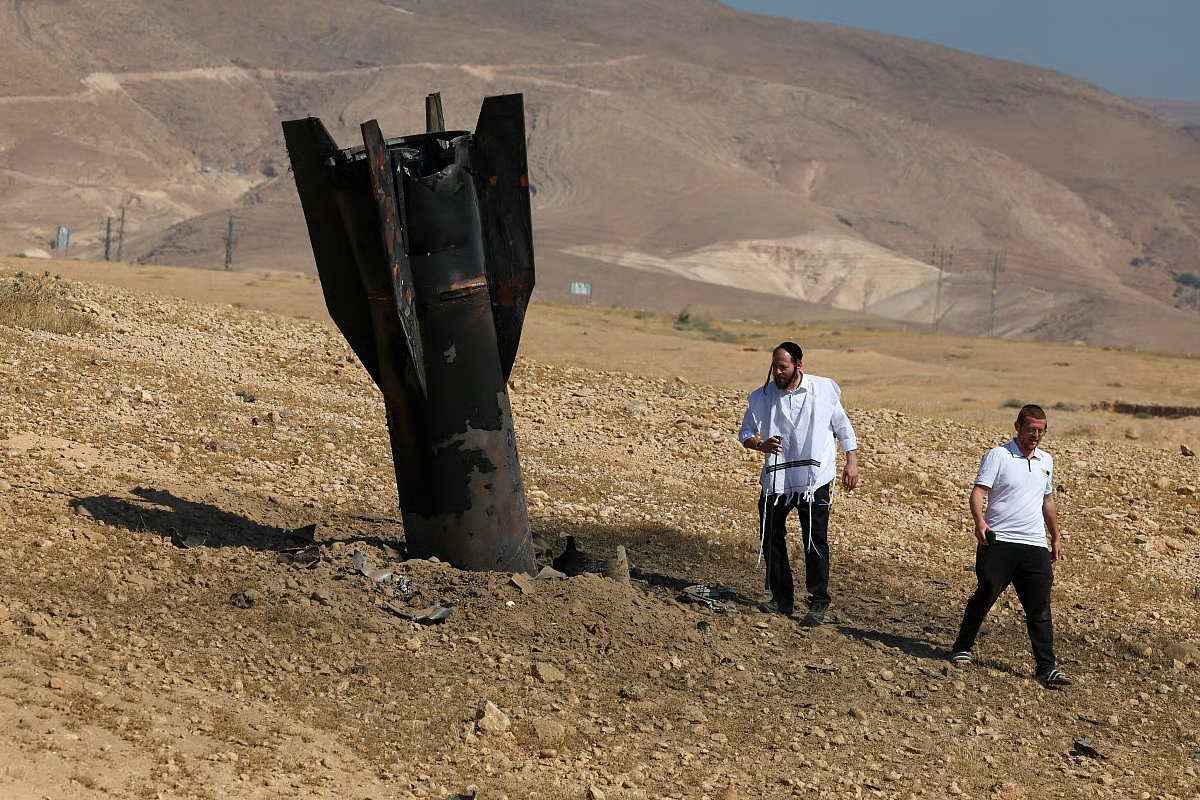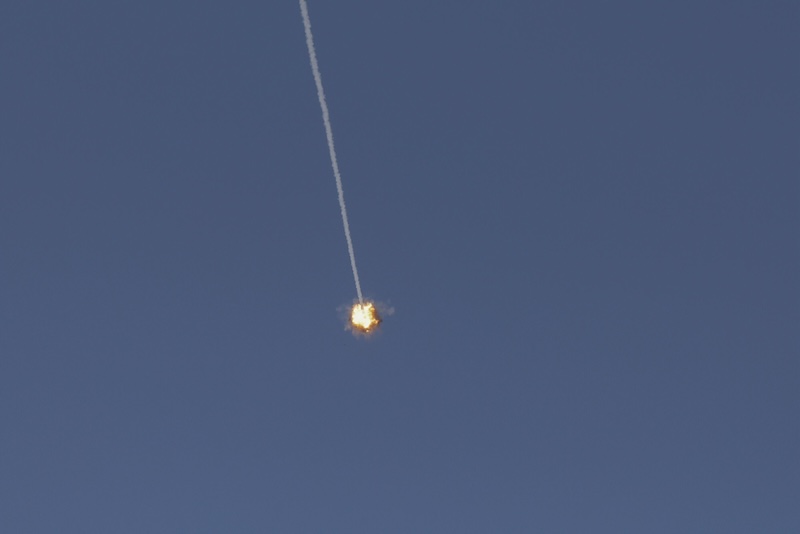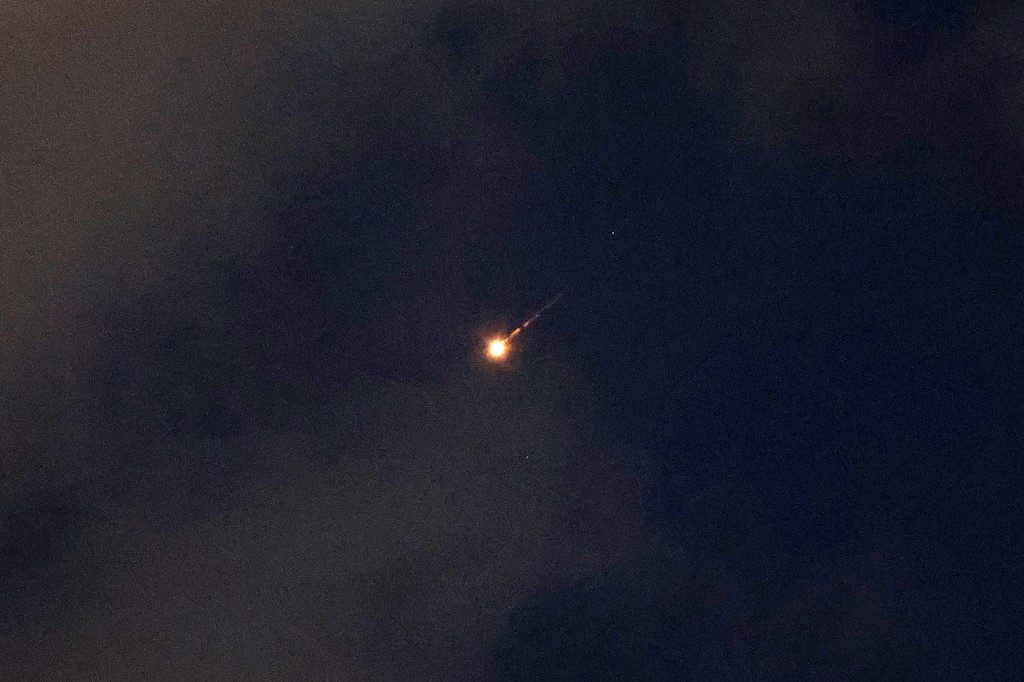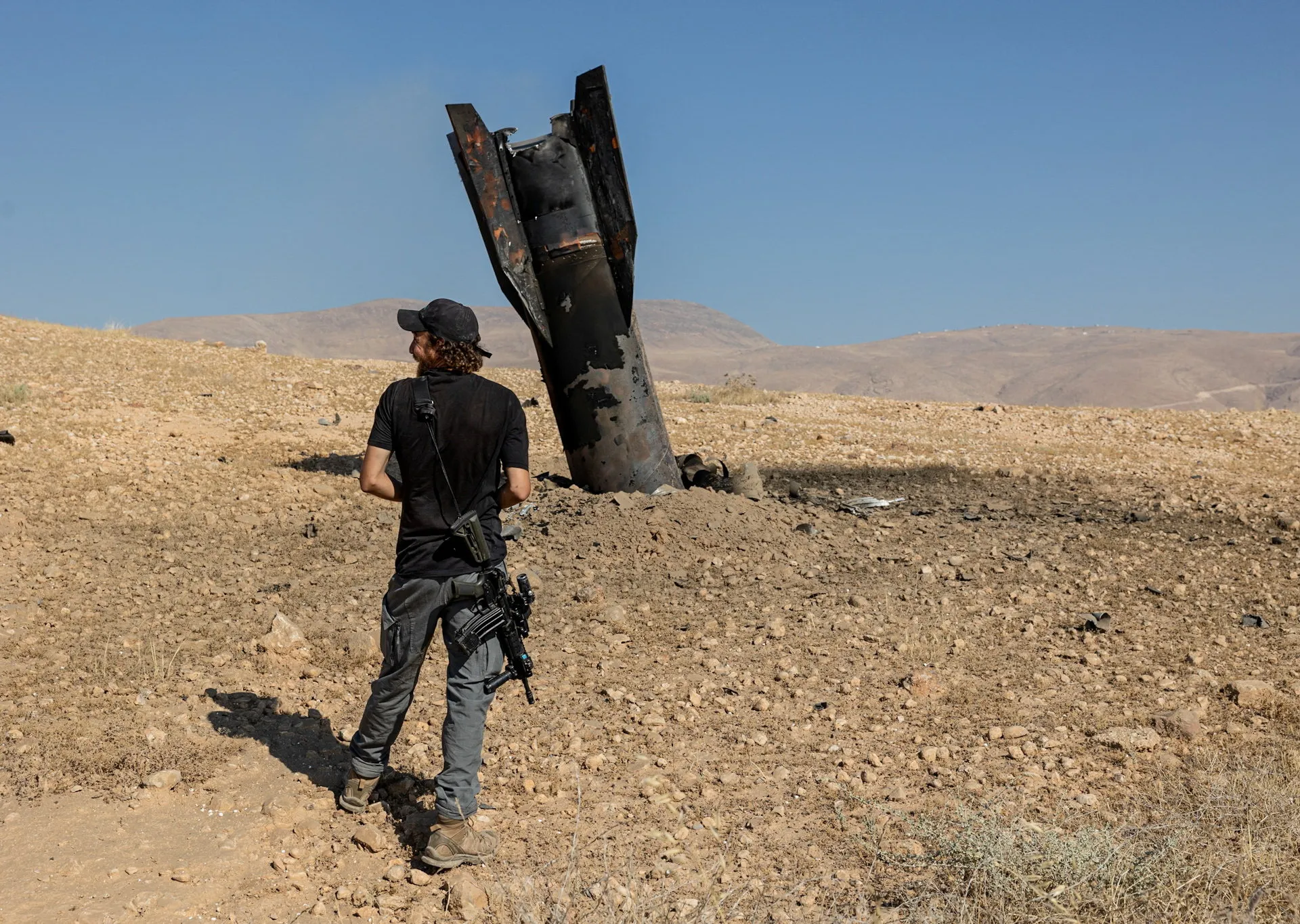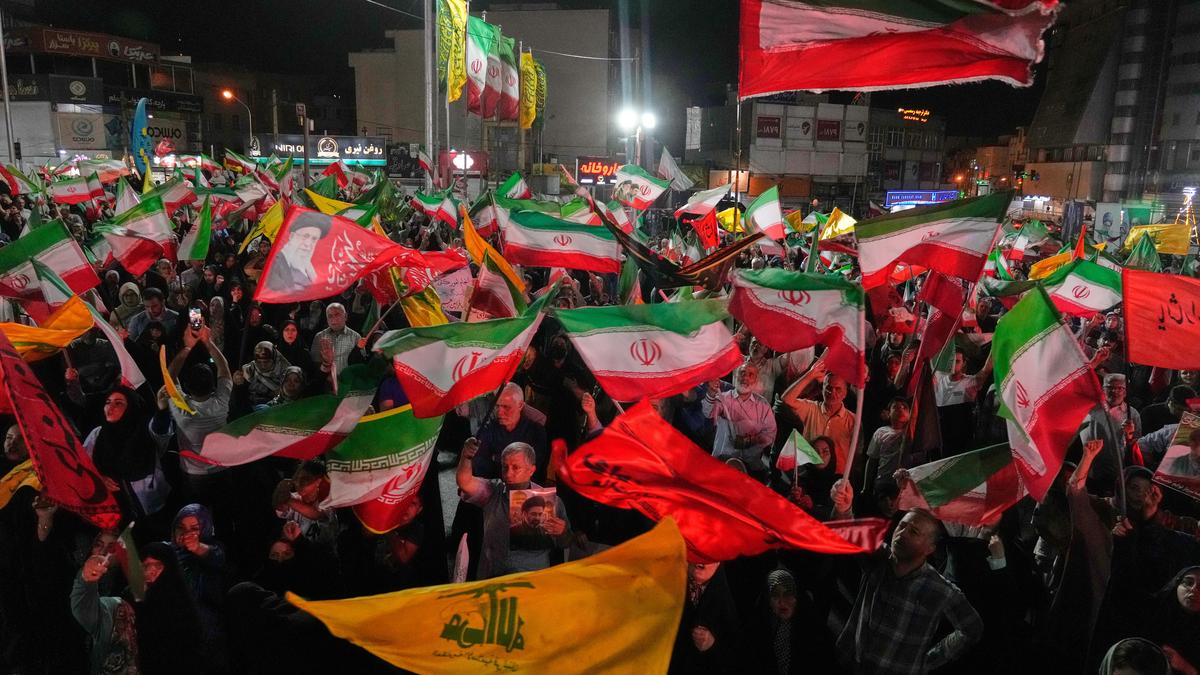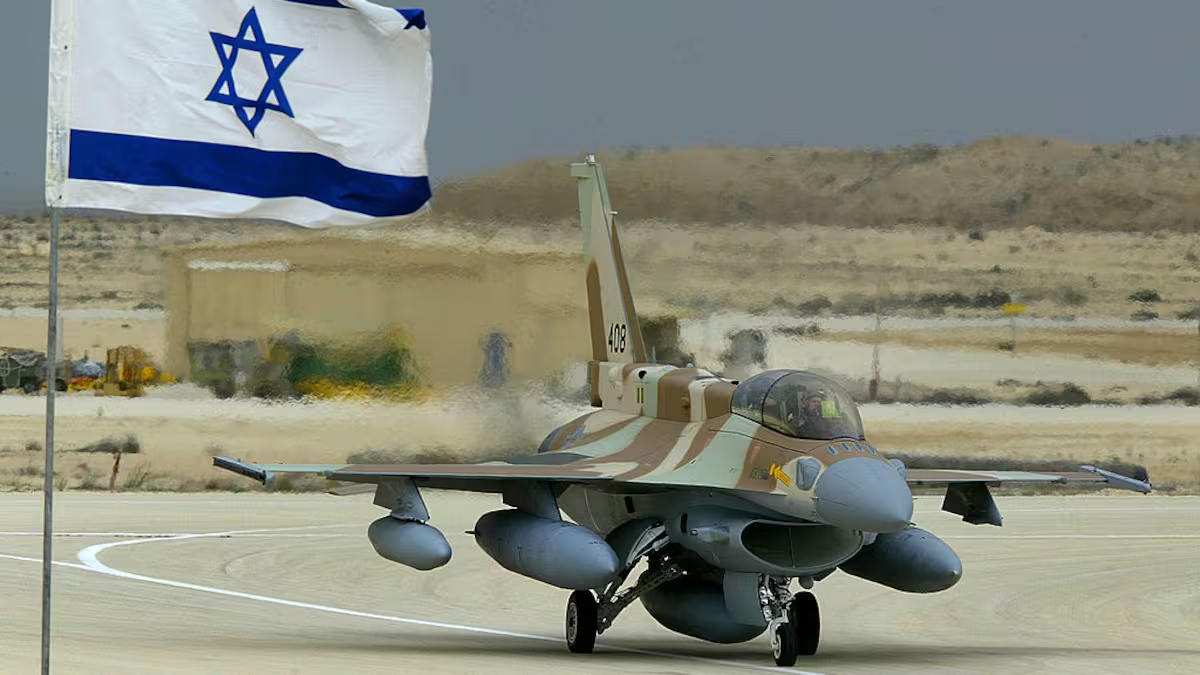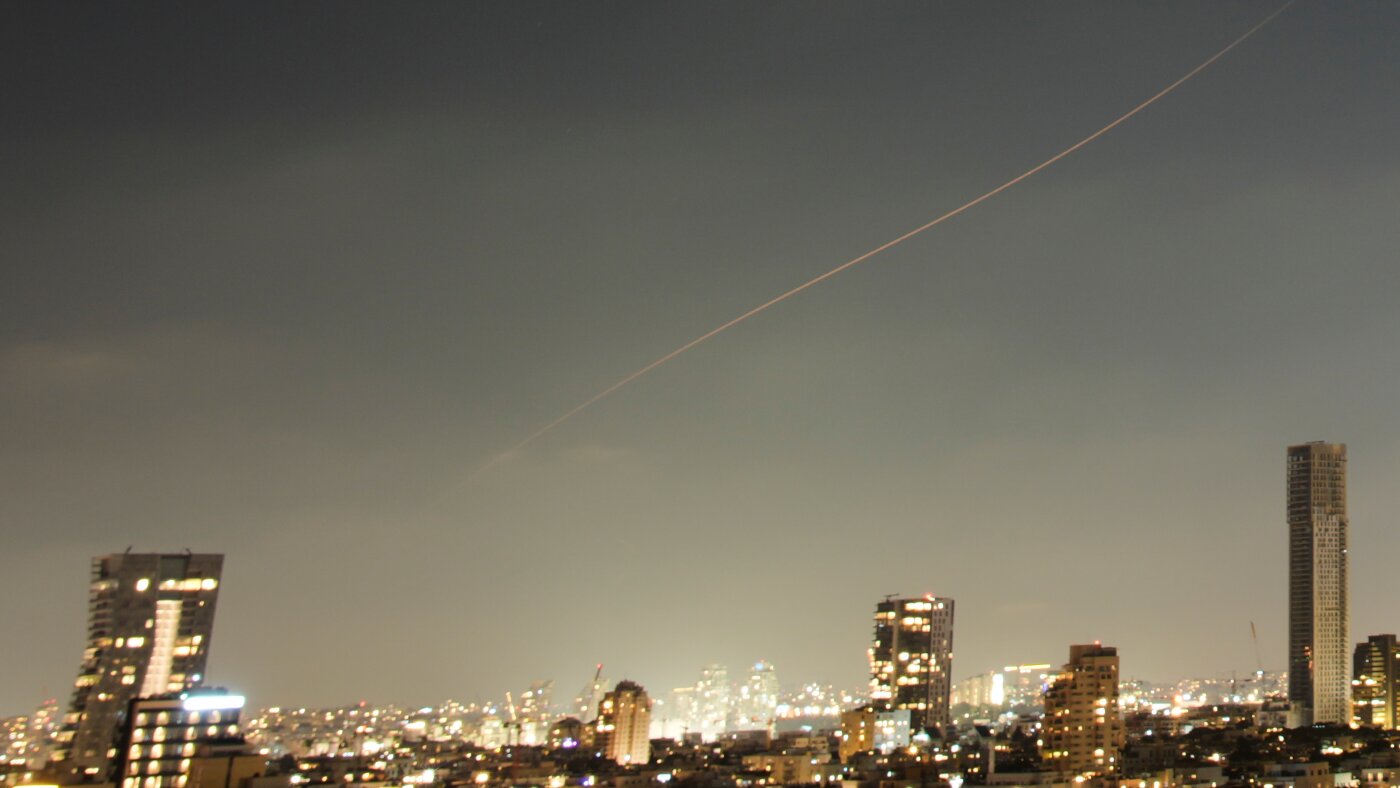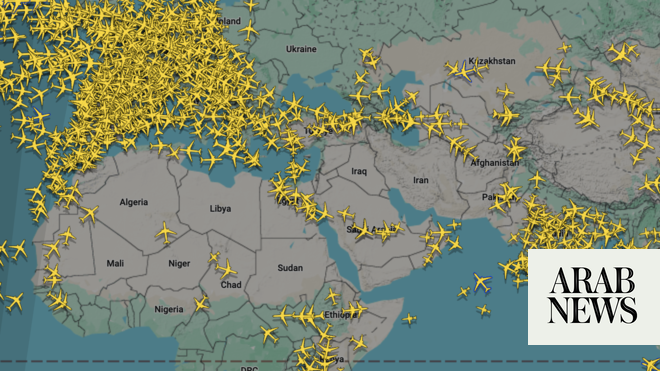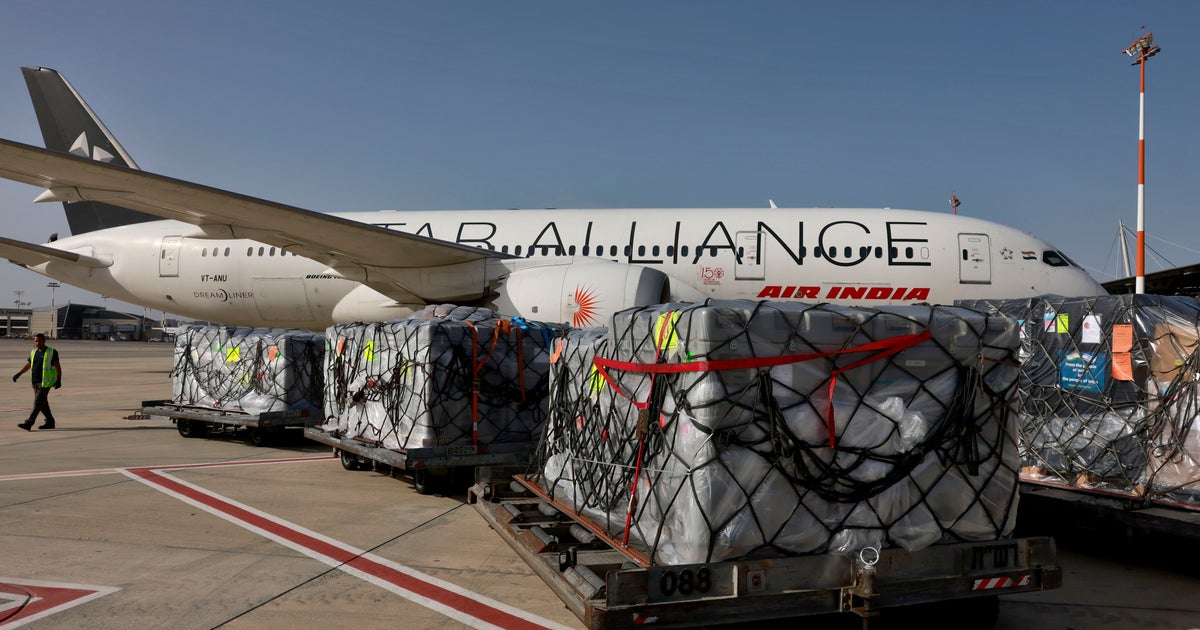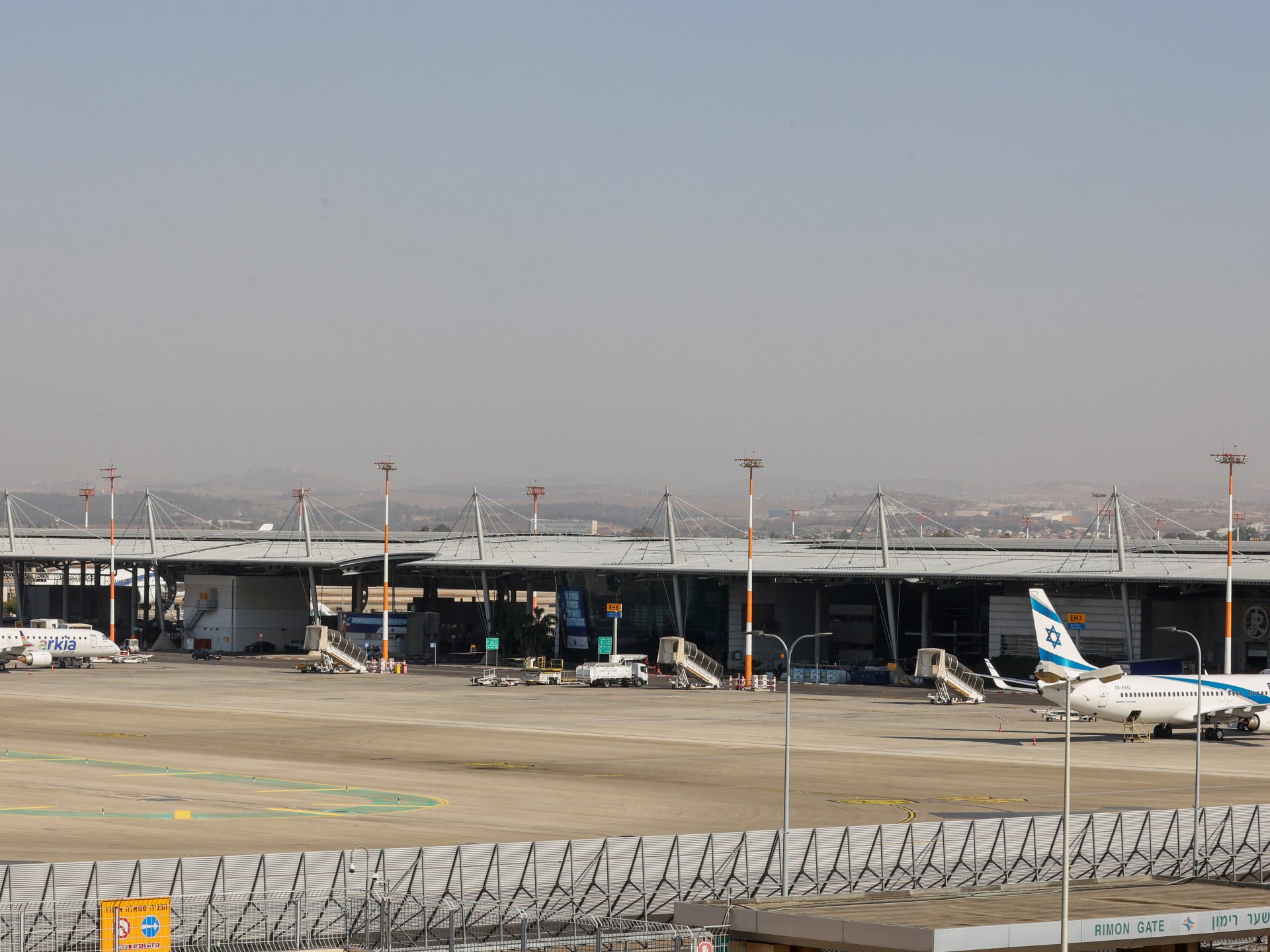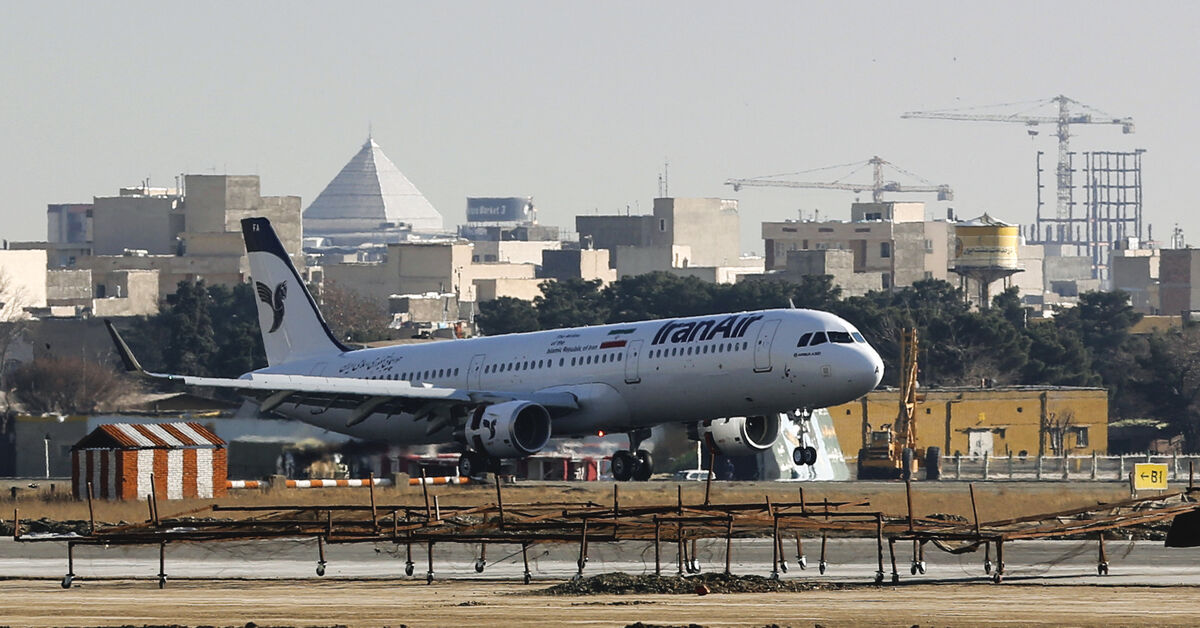
Airports and airspace across parts of the Middle East were shut down on Monday as renewed fighting between Israel, Iran and Lebanon rattled the region.What happened: Iran and Israel traded strikes after Israeli attacks on southern Lebanon and Beirut’s southern suburbs on Sunday that Israel said were carried out with the support of the United States.In response to the fighting, Iran suspended flights to and from all its airports and all flights were grounded until further notice, Iran's semi-official Tasnim news agency reported.On Sunday, Iraq's Civil Aviation Authority said the country's airspace would remain closed for 72 hours.Also on Sunday, Syria's civil aviation authority suspended operations at Damascus International Airport and rerouted all flights to Aleppo International Airport after Iran launched a barrage of rockets at Israel, later extending the closure of the country’s southern airspace until Monday evening. Iraqi and Syrian airspace form key transit corridors for flights between Europe, the Gulf and Asia.Why it matters: The renewed fighting marks a serious escalation since Iran and the United States agreed to a ceasefire on April 8 and threatens to derail Pakistani-led diplomatic efforts between Tehran and Washington.The conflict has had a significant impact on regional aviation. Since Israel and the United States launched strikes on Iran on Feb. 28, thousands of flights across the Middle East have been canceled, delayed or rerouted because of security concerns.The April 8 ceasefire prompted some airlines to gradually resume operations and restore routes across the Middle East, but the latest escalation shows how fragile the truce remains.Know more: Before the latest round of fighting prompted Syria to close parts of its airspace, the country had appeared to be an unlikely beneficiary of the regional conflict. As airlines rerouted flights to avoid areas affected by the war, traffic over Syria surged after years of many carriers avoiding the country because of security concerns stemming from its civil war.According to Syria's aviation authority, 11,801 flights crossed Syrian airspace in May, nearly triple the 4,267 recorded in February before the war began, generating modest revenue for the government. Reuters' calculations suggest May's traffic alone may have generated as much as $5.9 million.
Israel-Iran escalation grounds flights across parts of Middle East
Iran suspended flights across all airports after Israeli strikes hit the country.
356 words~2 min read