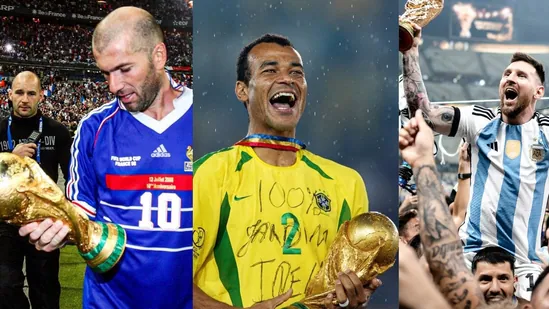
As the cliche goes, football is a game of two halves — specifically, two 45-minute halves to make a 90-minute match.But going into the 2026 World Cup, how much on-field play could we actually see, and why is a match 90 minutes in the first place?It’s time for a history lesson.In 1863, the English Football Association (FA) established a set of rules for the sport in a London pub.Three years later, Sheffield FC challenged the FA to a game. Sheffield had their own set of rules, as the FA’s laws were not immediately adopted nationwide.In fact, the FA was still experimenting and had made adaptations that year (1866), including the introduction of a tape crossbar.The teams played at Battersea Park in London under agreed regulations, and London (the FA’s team) won 2-0, scoring four touchdowns (yes, really). Touchdowns, which were awarded if players touched the ball behind the opposition’s goal, were used as tie-breakers until being removed in 1867.
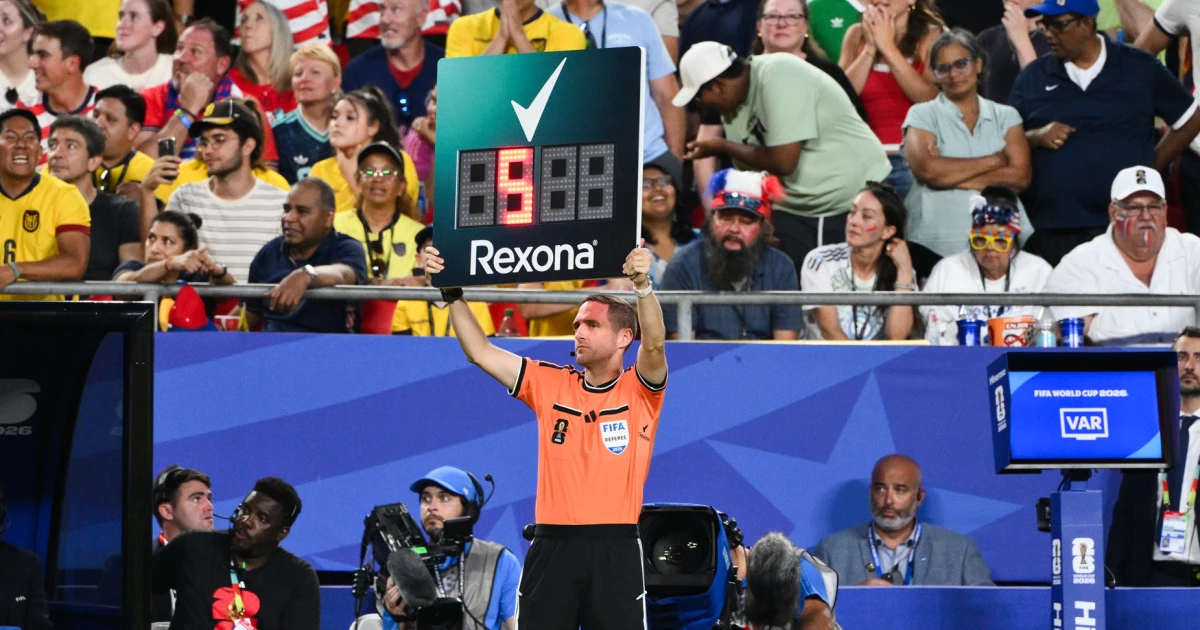
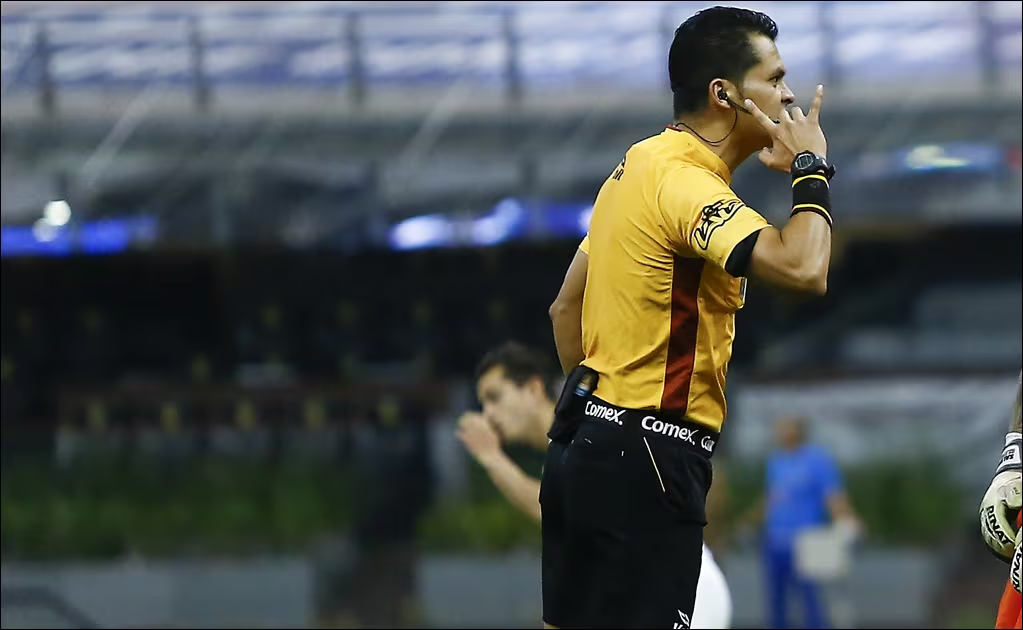
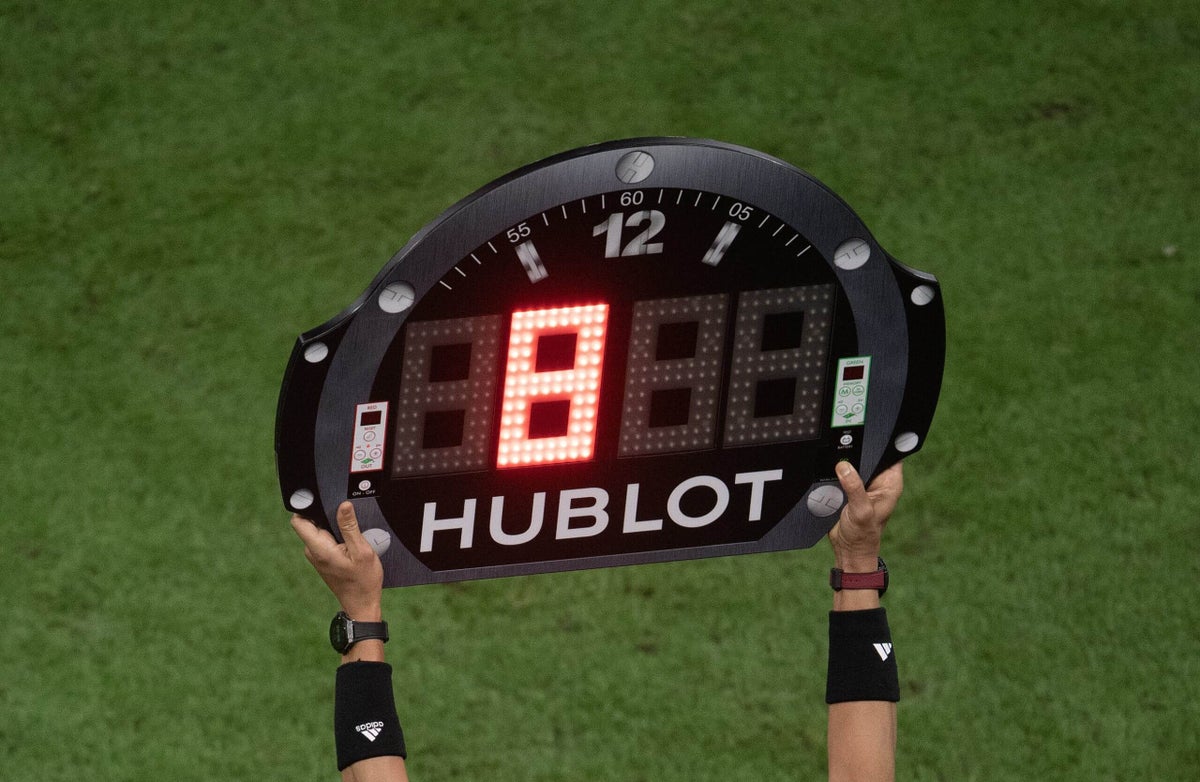
This game was significant because it is believed to be the first 90-minute match, a compromise between the FA and Sheffield rules. Sheffield previously played two-hour games but would later adhere to this match length.In 1897, IFAB (the International Football Association Board), which was formed to decide rules for the United Kingdom home nations, approved that matches should be 90 minutes and 11-a-side.You might have to stick around after the clock reaches 90 minutes if watching a game these days, though, because of stoppage time. These are almost always extra minutes at the end of each half — the exact number is decided by the referee — to compensate for pauses through injuries, goal celebrations and more.While modern games can often last for more than 100 minutes when factoring in additional time, the ball is rarely in play for more than 60 minutes. During the 2024-25 Premier League campaign, the ball was in play for an average of 56 minutes 59 seconds. Teams, especially if leading or playing for a draw, can take their time restarting to run the clock down, known as time-wasting.Set-piece routines and long throw-ins have become prominent in this season’s Premier League, and can take some time to set up, further reducing the time the ball spends in play.In the World Cup knockouts, there is the possibility of extra time, which is another 30 minutes (two 15-minute halves) if teams end the first 90 minutes on equal terms. If the game is still a draw after extra time, it goes to penalties.