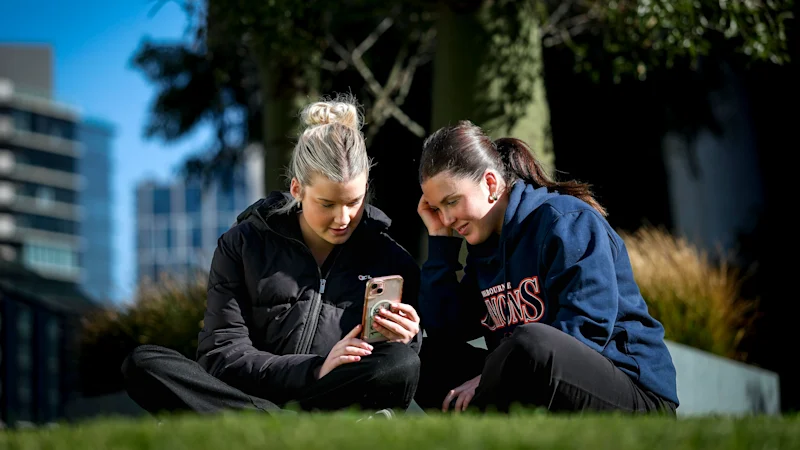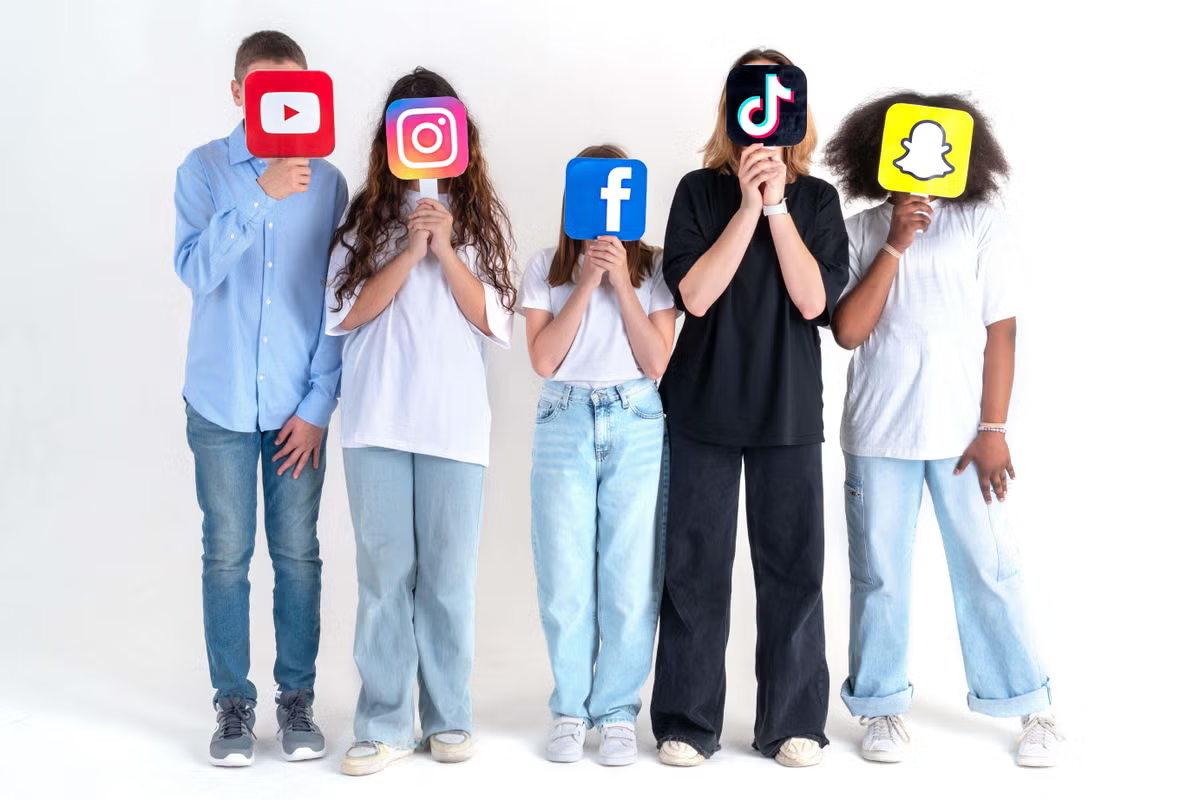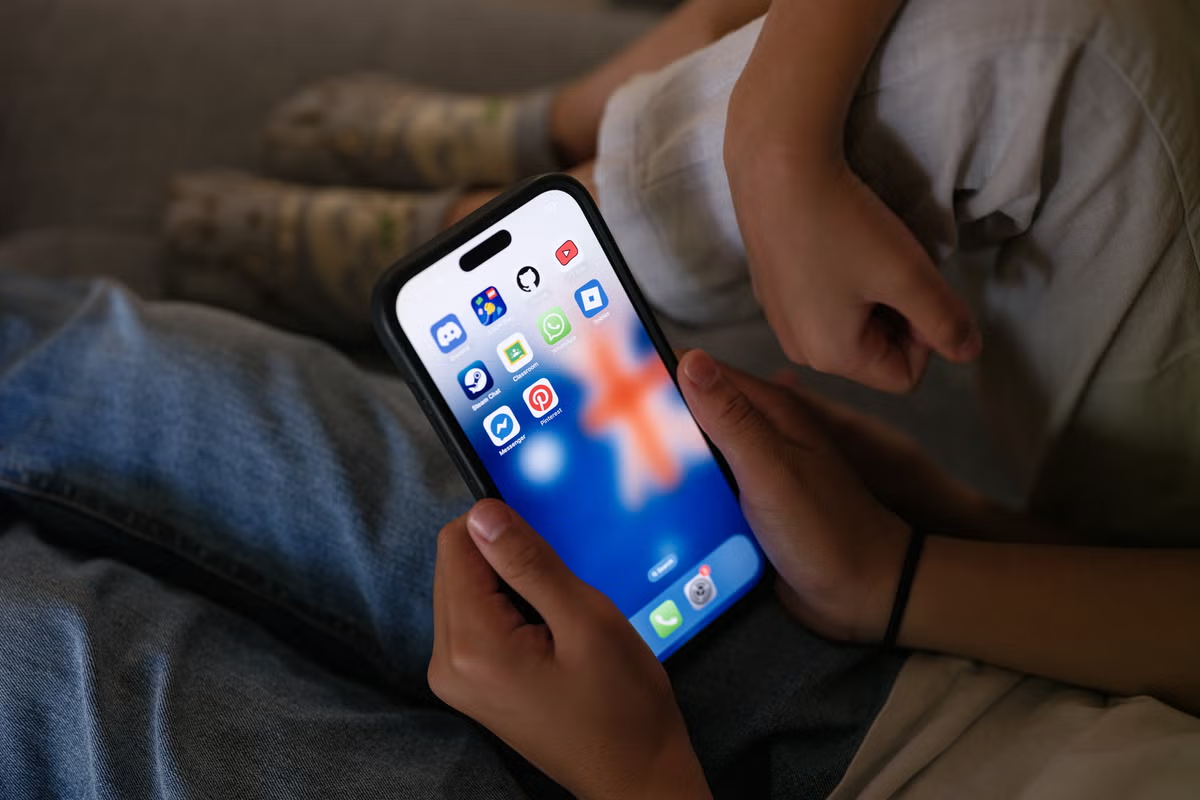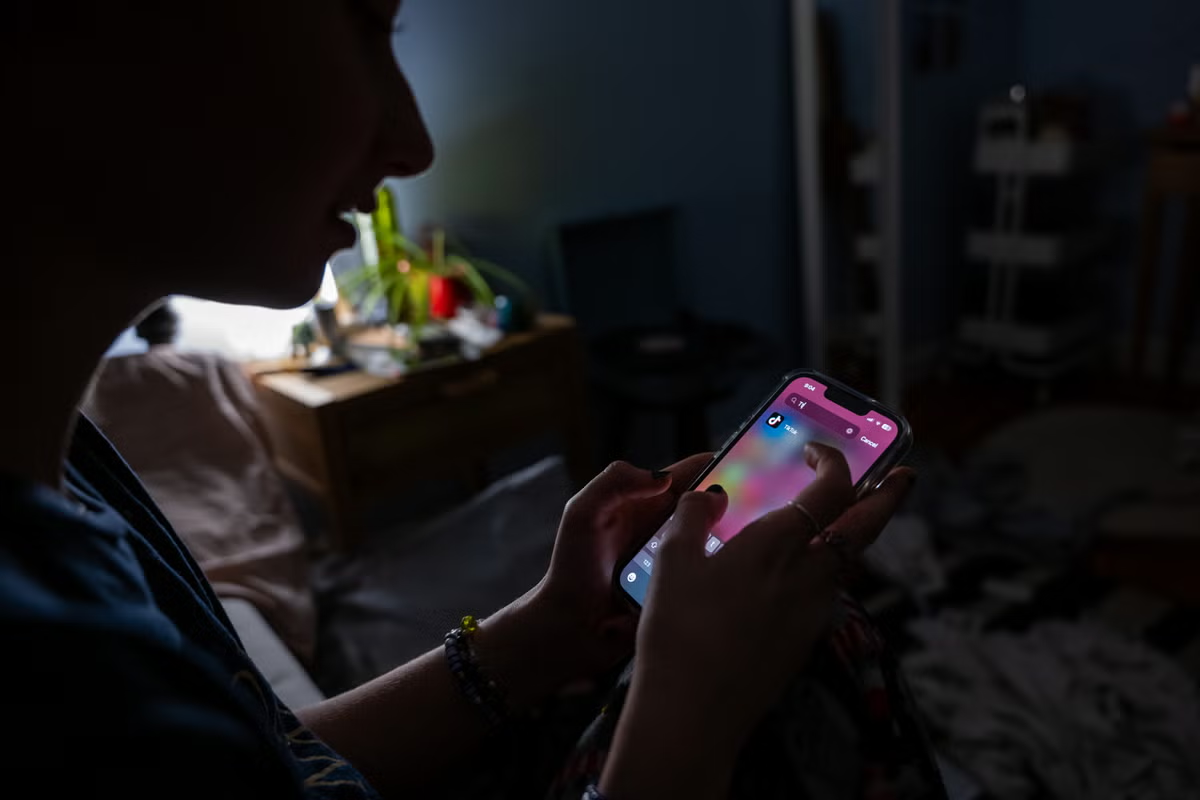
Stay up to date with notifications from The IndependentNotifications can be managed in browser preferences.Jump to contentThank you for registeringPlease refresh the page or navigate to another page on the site to be automatically logged inPlease refresh your browser to be logged inAllNewsSportCultureLifestyleKey signs of social media withdrawal include irritability, boredom and anxiety (Getty) Despite it not being a formally recognised condition, social media withdrawl “can feel very real, particularly for teenagers and young adults”, according to Dr Vica (Victoria) Khromova, consultant child and adolescent psychiatrist at Cygnet Health Care.Key signs of social media withdrawal in teens include irritability, boredom and anxiety, Dr Khromova and Hilda Burke, BACP-accredited psychotherapist and author of The Phone Addiction Workbook, said. “Interactions on social media – such as messages, likes and notifications – triggers the release of dopamine, a neurotransmitter linked to motivation, reward and pleasure and the brain can become accustomed to these frequent bursts of stimulation, making the absence of them feel uncomfortable,” Dr Khromova said. She added that abruptly stopping social media, or going “cold turkey”, can be difficult, with improvements typically seen after three or four weeks. Managing withdrawal involves self-compassion, a gradual reduction in use, replacing social media with other rewarding activities, and parents acting as positive role models. In fullWhy your teenager might get withdrawals from social media – and how to manage itThank you for registeringPlease refresh the page or navigate to another page on the site to be automatically logged inPlease refresh your browser to be logged in
The signs of social media withdrawal in teenagers and how to help
Stay up to date with notifications from The IndependentNotifications can be managed in browser preferences.Jump to contentThank you for registeringPlease refresh the page or navigate to another page on the site to be automatically logged inPlease refresh your browser to be logged inAllNewsSportCultureLifestyleKey signs of social media withdrawal include irritability, boredom and anxiety (Getty) Despite it not being a formally recognised condition, social media withdrawl “can feel very real, particularly for teenagers and young adults”, according to Dr Vica (Victoria) Khromova, consultant child and adolescent psychiatrist at Cygnet Health Care.Key signs of social media withdrawal in teens include irritability, boredom and anxiety, Dr Khromova and Hilda Burke, BACP-accredited psychotherapist and author of The Phone Addiction Workbook, said. “Interactions on social media – such as messages, likes and notifications – triggers the release of dopamine, a neurotransmitter linked to motivation, reward and pleasure and the brain can become accustomed to these frequent bursts of stimulation, making the absence of them feel uncomfortable,” Dr Khromova said. She added that abruptly stopping social media, or going “cold turkey”, can be difficult, with improvements typically seen after three or four weeks. Managing withdrawal involves self-compassion, a gradual reduction in use, replacing social media with other rewarding activities, and parents acting as positive role models. In fullWhy your teenager might get withdrawals from social media – and how to manage itThank you for registeringPlease refresh the page or navigate to another page on the site to be automatically logged inPlease refresh your browser to be logged in