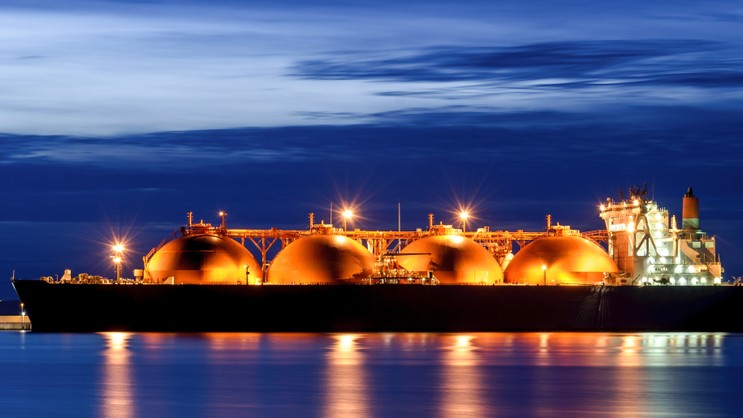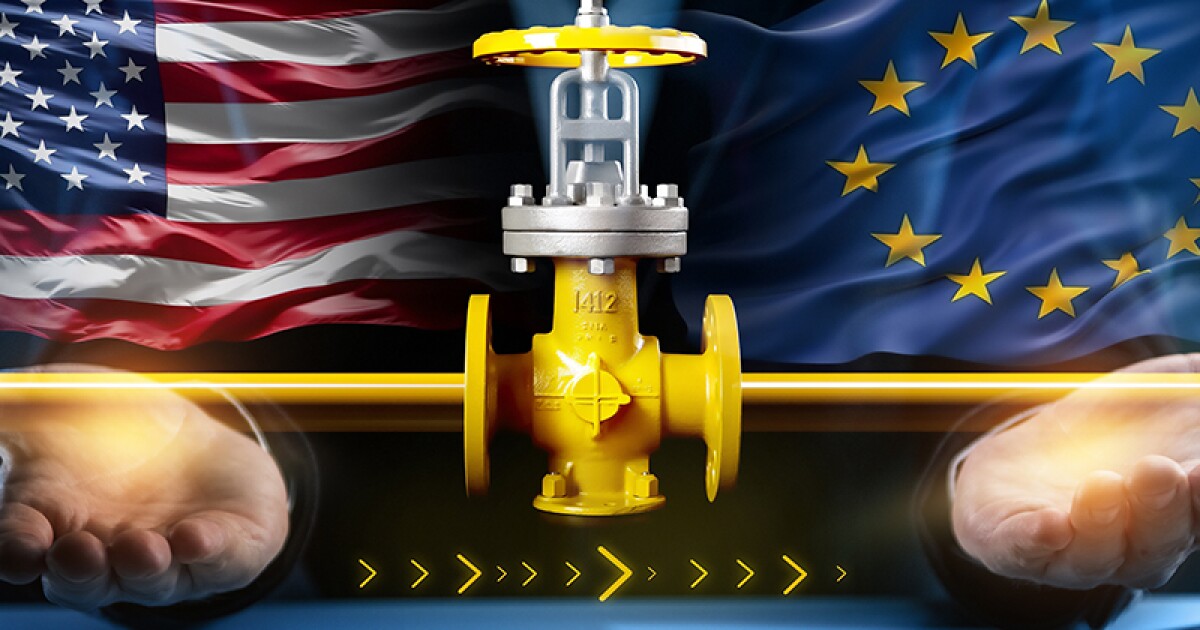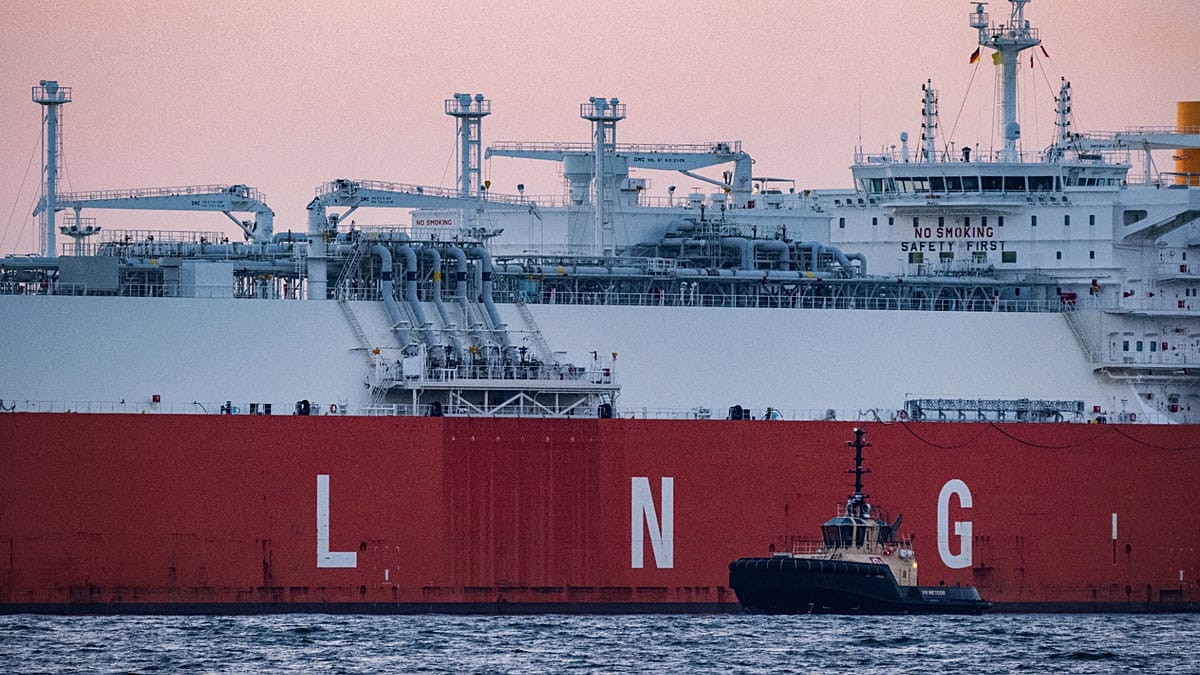
The European Union has set itself on an irreversible path to eliminate all Russian energy, a wise and long-overdue decision. Part of the Kremlin’s response is a whispering campaign: that Europe is not gaining true energy security but is simply trading one dependency for another, as it increases liquefied natural gas (LNG) imports from the United States. It is an insipid argument that collapses under scrutiny.
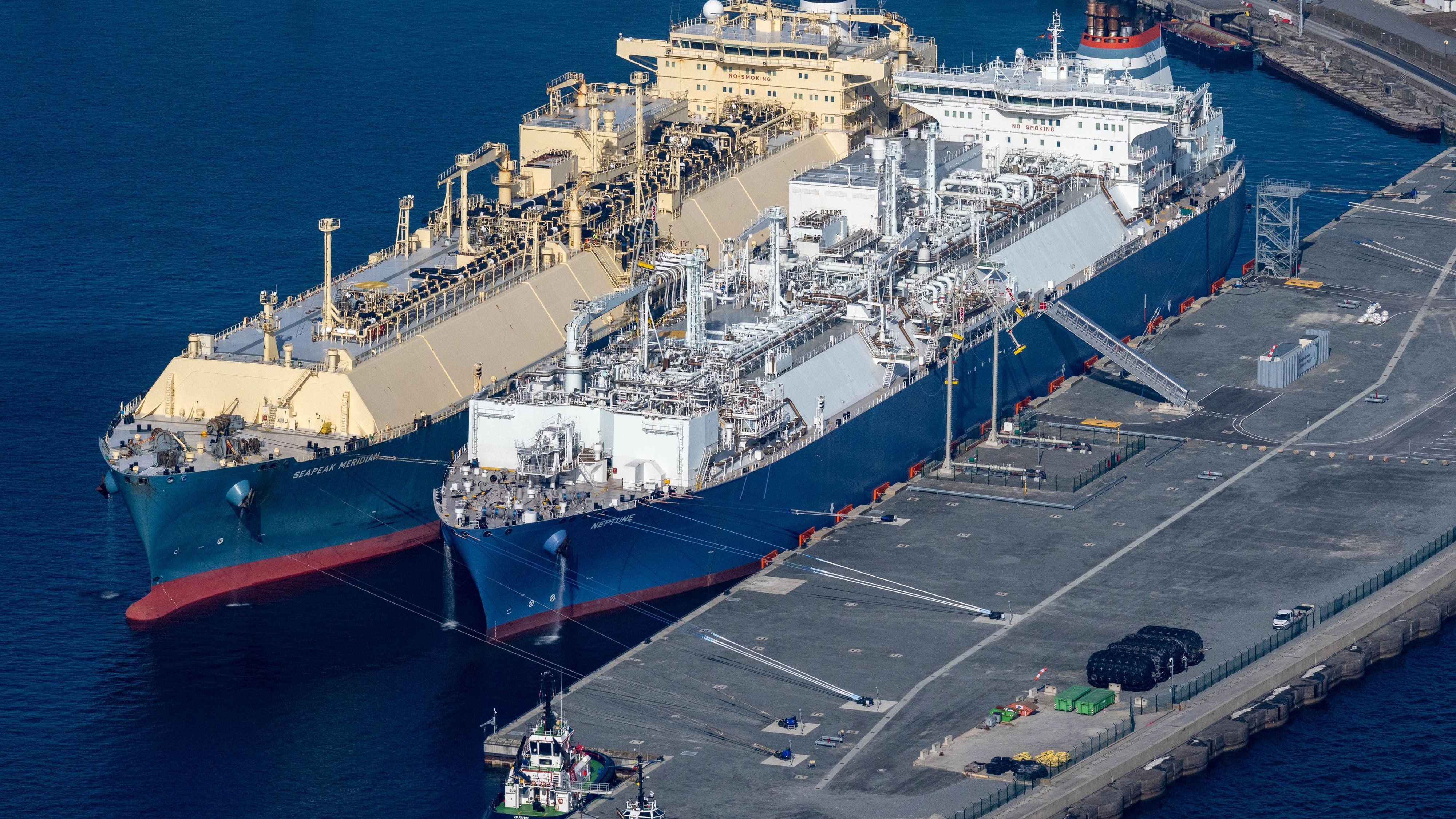
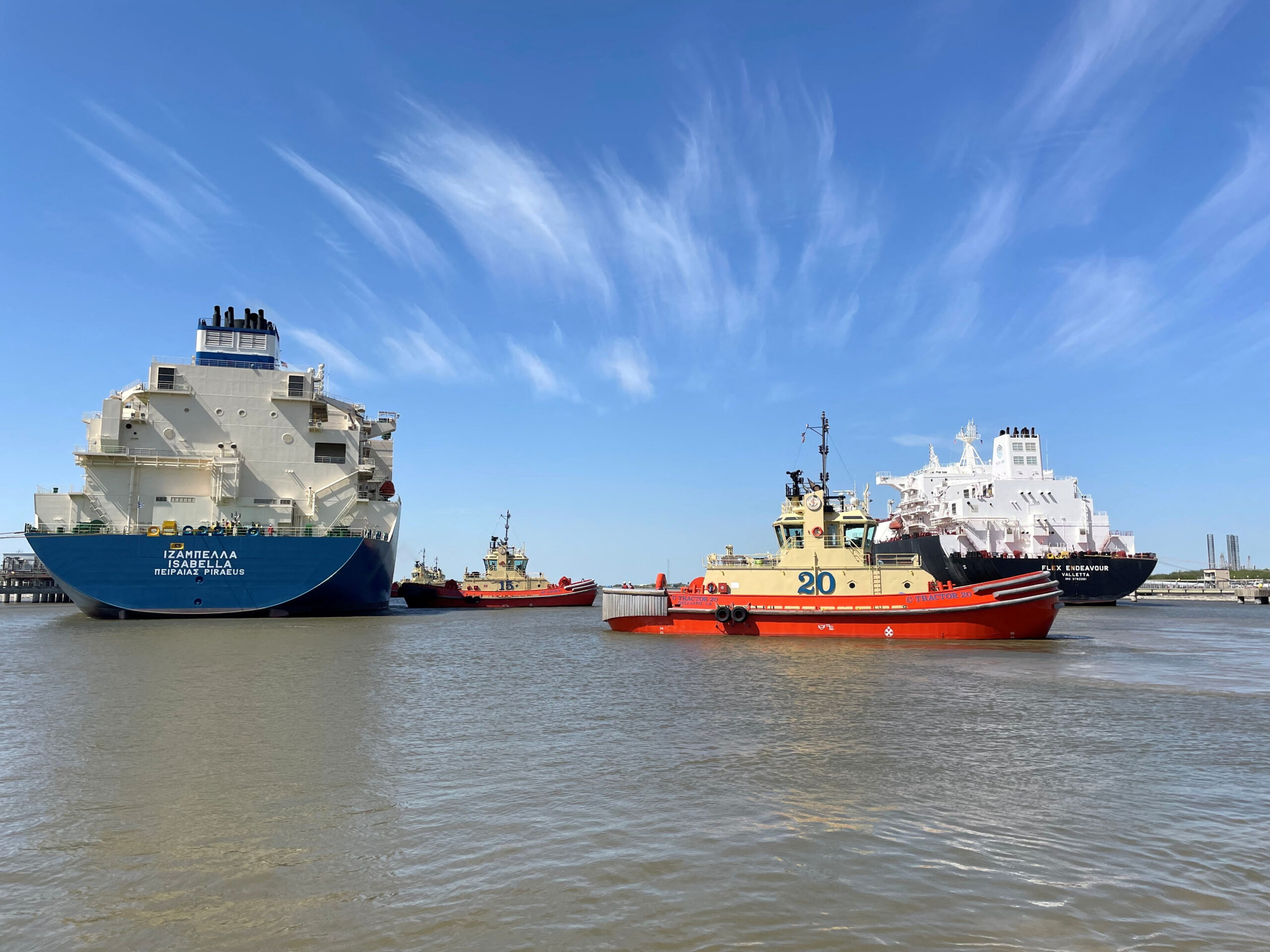
The suggestion that US LNG and Russian pipeline gas represent equivalent dependencies is wrong on its face. Europe has not traded one vulnerability for another. It has traded coercion for commerce, monopoly for markets, and Russian caprice for US rule of law.
The European Commission has made this very distinction. On February 2, 2026, its spokesperson stated flatly that EU imports of US LNG cannot be compared to Europe’s pre-war dependency on Russian gas. The reasons are structural: before 2022, Russia supplied roughly 45 percent of Europe’s gas through dedicated pipelines controlled by a single state-owned company that had repeatedly weaponized supply. US LNG operates in a fundamentally different market—global, liquid, flexible, and governed by commercial contracts, not Kremlin edicts.