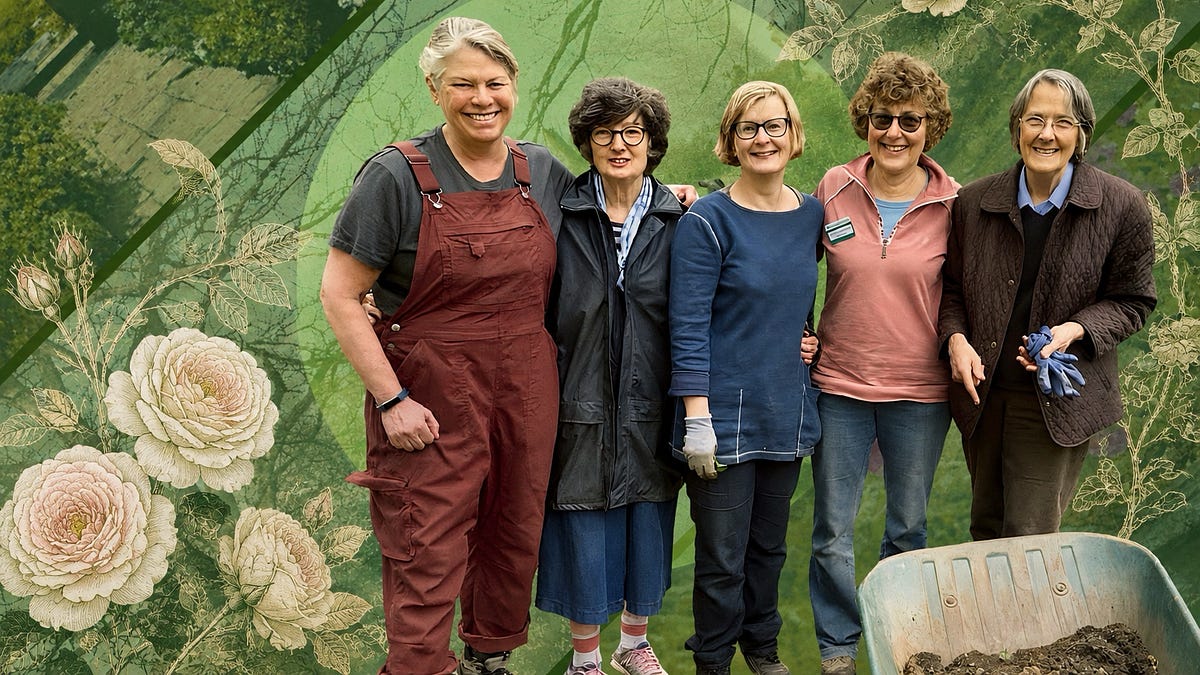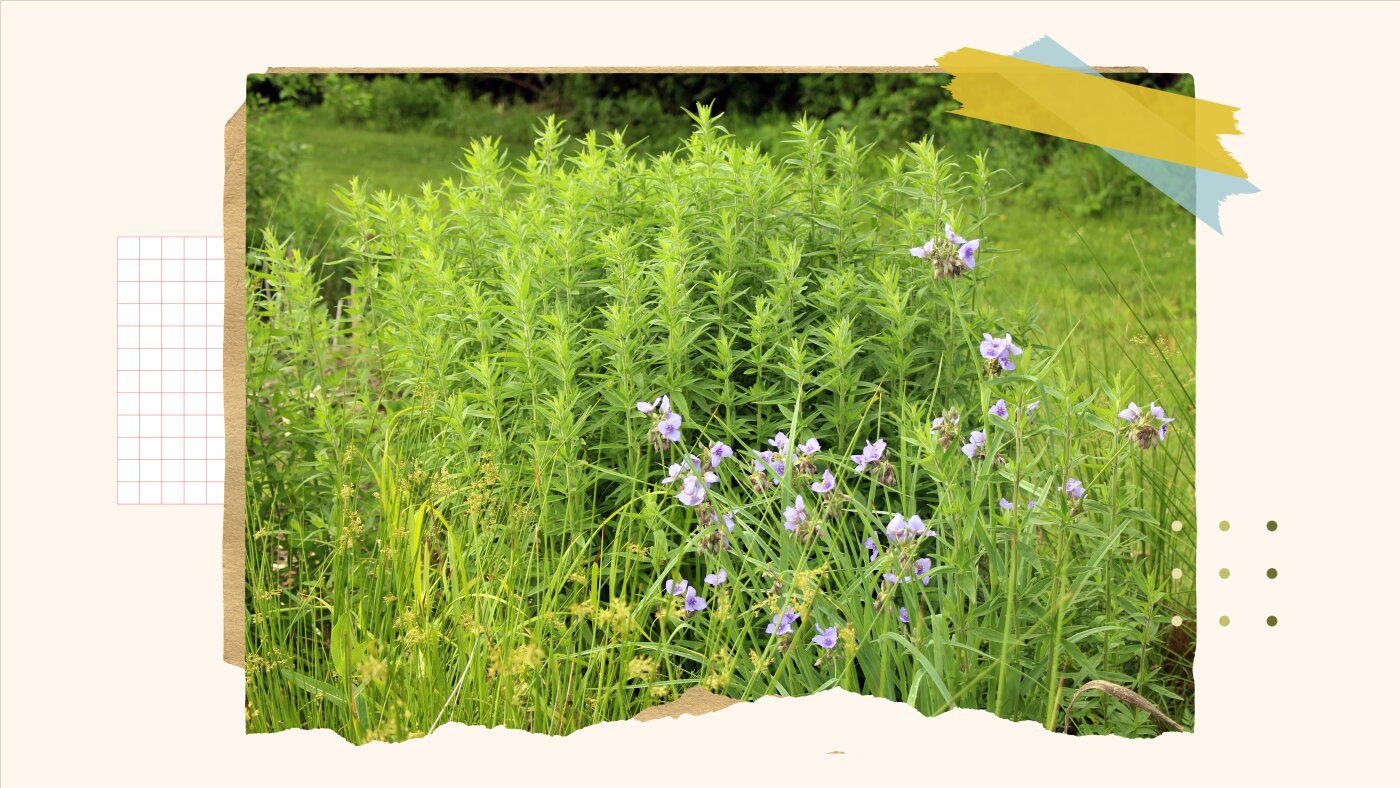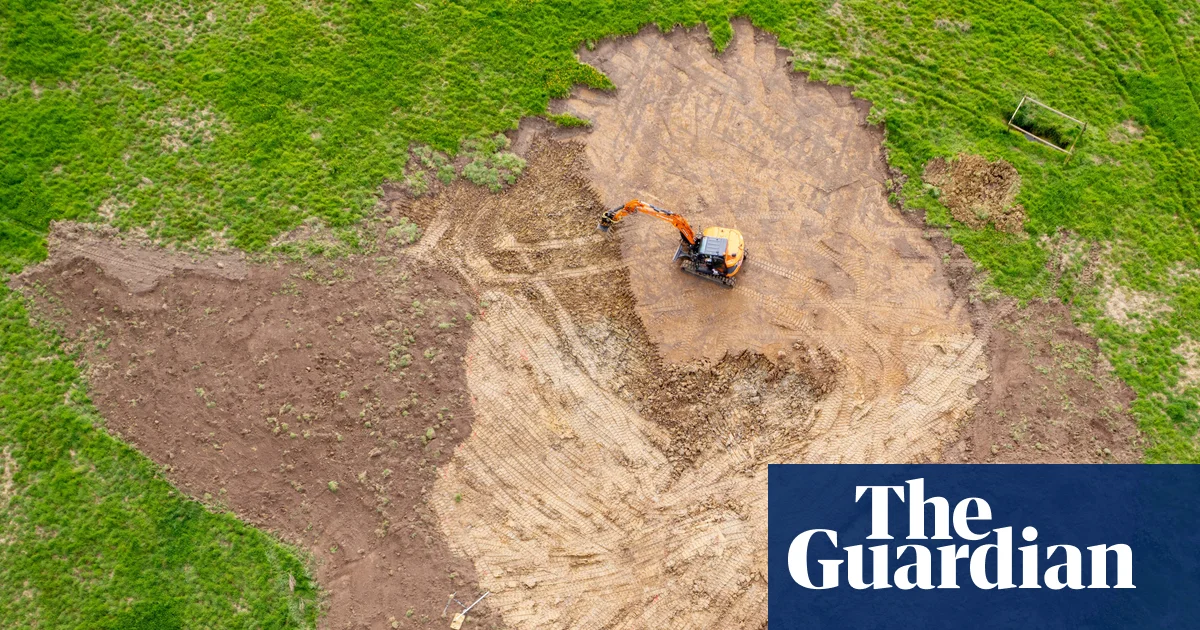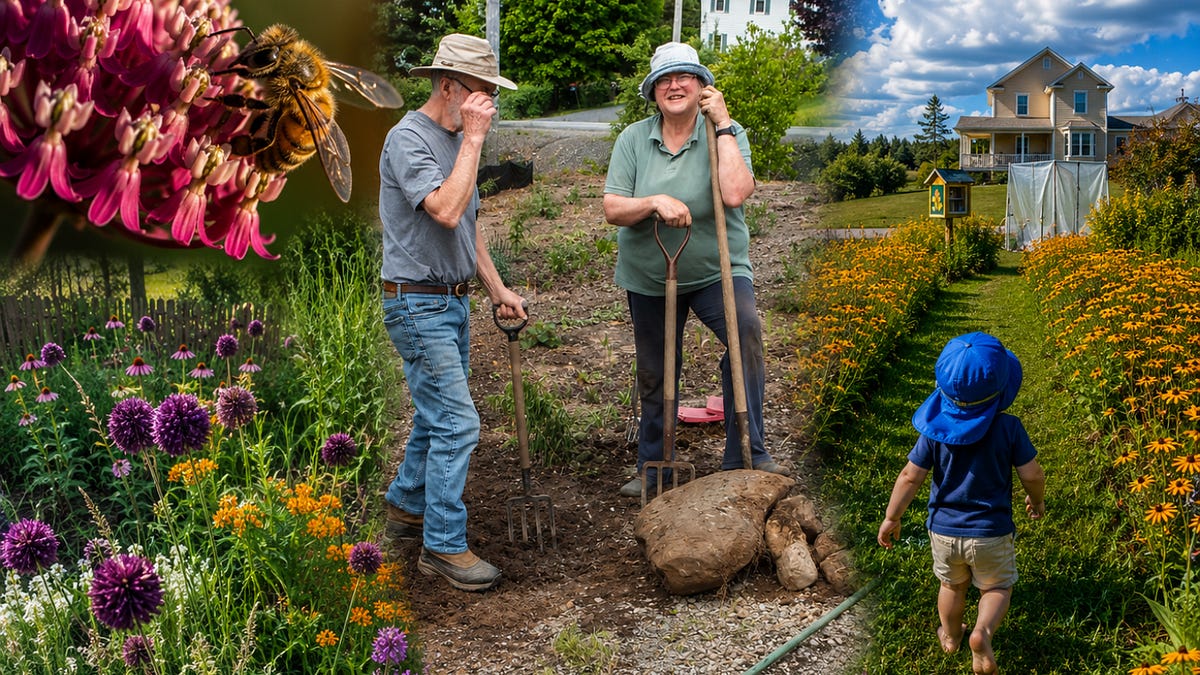
Photography courtesy of Richelle GreggThis story is part of our ongoing series From the Ground Up, a collaboration between Narratively and ScottsMiracle-Gro exploring the lives, memories, and connections rooted in the yards, fields, and green spaces we call home.I sat on the bench one afternoon because it was there, not because I had planned to rest. A single butterfly moved through the meadow, unhurried, touching down and lifting off again as if it had nowhere else to be. I watched it for a while, the way you do when time feels suddenly negotiable.A young family approached, the parents lingering by the roadside while their child stumbled toward a red wooden box with a sign reading “Free Little Library.” Small hands pulled out a book and held it up like treasure. The butterfly flitted closer, holding us all in the same small pause.That was when it occurred to me that the meadow had outgrown the reason it was started. Which is funny, because it began as a patch of land so forgettable that almost no one thought of it as a place at all.The Meadow in bloom.The property sits at the entrance to a suburban street, a V-shaped corner where two quiet roads intersect. For years, it was just leftover land, the kind of odd piece a city subdivision produces and then mostly ignores. It was visible, but empty of meaning.Donna and Duff Evers lived nearby and mowed it, not because it was especially beloved, but because somebody had to. The lot was kept tidy enough not to offend anyone, which is often all a small suburban space can manage.But mowing an unused meadow year after year, only to leave it otherwise untouched, eventually begins to feel like a conversation with absurdity. The grass grows. You cut it. It grows again. You cut it again. Nothing changes. As the couple grew older, Donna, an avid gardener, got tired of maintaining a space that gave nothing back.One night, during one of her regular bouts of insomnia, Donna had an idea: “Let’s turn it into a meadow garden!” She admitted she wasn’t certain about the decision, “but I did a lot of research. And I knew Duff was always my partner in crime, no matter how far-fetched the idea.”So, Donna did what practical people do when they decide something needs doing: she started asking. First, it was help and encouragement from friends. Then she went to her district councilor and the municipality looking for support. What she got was a token amount of funding and, a few weeks later, machines arrived to scrape out the area and dump a daunting pile of soil. “When I saw the site prepped for planting, I truly realized the size and questioned my sanity,” Donna admits. “But in for a penny, in for a pound.”The timing could hardly have been worse. COVID had arrived. The world had tilted into uncertainty. Everyone was keeping their distance. Starting a new community project in those early pandemic days felt, at best, awkward and, at worst, slightly unhinged.But Donna and Duff kept going. With rakes and shovels and great determination, they spread the soil and carved an outline for a central path. They planted some perennials she had dug from her garden, but, at the end of it all, it was obvious she needed more plants — and lots of them.Being, by all accounts, a wily woman, Donna knew how to make things happen. She put the word out on Facebook that she needed plants for the garden she was creating, and people started dropping them off. Local nurseries chipped in, sending her home with three carloads full.Garden clubs in the area, unable to hold their usual plant sales due to the pandemic, donated, too. Lupines, milkweed, daisies, yarrow, black-eyed Susan, coneflowers and a huge variety of native seeds arrived daily.Donna laid out plants where she thought they might do well, learning as she went.When it came time to nestle the 2,000 plants into their new home, Donna posted on Facebook again, saying she needed volunteers and that there would be cookies. Eight people showed up. They planted the whole thing.A sign appeared declaring the site as “The Meadow.”The Meadow’s sign.It was not a coordinated urban initiative. There was no mission statement or glossy rewilding campaign. The Meadow was not installed so much as assembled from stubbornness, goodwill, and generosity.The next spring, The Meadow woke unevenly — patches of green pushing through while other areas stayed flattened and brown. Some seeds never came up. Others arrived quietly, without explanation. A few plants held their ground. The air moved through without resistance. A few small flies and bees visited briefly, then moved on. Nothing stayed long enough to suggest this was worth returning to. That fall, there were only a handful of seed heads. Not much to gather or share. It didn’t feel like a meadow yet. It felt like a place waiting to become one. Over the winter, the snow pressed everything flat.By the second spring, the waking was more obvious. Milkweed pushed up in small clusters in the places it seemed to prefer. By early summer, the space began to hold itself differently. Stems leaned into each other, forming loose structures. The air slowed in mid-summer, and the insects arrived. Small bees moved in tight, deliberate patterns. Flies hovered just above the blooms. Butterflies drifted through without urgency, landing and lifting. That fall, seed heads caught the light. The Meadow no longer looked like it had been planted. It looked… inhabited. In December, someone strung up lights. A snowman appeared, sitting there for days, slowly softening, then leaning, then disappearing.The third spring came faster. Or maybe it was just more recognizable. The same plants returned, but fuller now, joined by others. The bare patches were fewer, the edges less defined. The insects arrived early and stayed — bees with heavy legs, beetles scurrying along stems, flies hovering, butterflies lingering on flowers. And then, briefly, monarchs. Not many. Not every day. But enough to change the way you looked at the milkweed. What had been just another plant became something specific. Necessary. Life-sustaining. Over time, the ground disappeared entirely. Layers formed — low growth, taller stems, flowers rising through both.Birds appeared more often now, not for the plants themselves, but for what had gathered there. They moved through quickly, landing, lifting, carrying something away. The sound changed, too. Not loud, but constant. A soft, continuous presence. By fall, the plants seemed to have taken over the responsibility of continuing. More seeds this season. Passed between hands, pockets, and conversations. Carried outward not just by people, but by wind, by wings, by whatever moved through and didn’t quite leave empty.Winter didn’t erase it anymore. Stems held their shape beneath the snow. Seeds remained. Small movements continued out of sight. The path cut through, familiar and used. Lights returned. The snowman came back, slightly different, as if rebuilt by someone who understood the tradition but not the original.Each year, the same pattern. Each year, more returning. Not designed. Not finished. Just continuing.Donna had expected the neighbors to complain about the messiness. That’s what people tend to do when grass is allowed to become something more complicated than lawn. Instead, they began asking how the plants were doing. The space became recognized as alive. A bench was added, then another. Near the bus stop, the new Little Free Library gave people one more reason to stop.A child walking through The Meadow.Children come to look at the flowers and catch bugs. They move with the kind of attention adults like to think children no longer have. People walk their dogs. One afternoon, a man played the flute. People eat their lunches and have romantic picnics. Visitors from across the city and farther away have come to see it.“I’ve met more people through this project than I have in the thirty years I have lived in this subdivision,” Donna says, eyes shining.Donna now has a group of helpers who call themselves the Meadowlarks. They come when asked and help keep exuberant plants from taking over. The Meadow mostly takes care of itself, which was, after all, the dream from the beginning.This year Donna turned eighty, and The Meadow is woven with memory. It carries echoes of children playing and families gathering. Of butterflies and bus riders. Dogs and picnics. Flowers and people who didn’t realize they needed flowers. It is also a place of remembrance. After Duff passed, she planted a rowan tree in his honor. They had always laughed at the waxwings that gorged themselves on the fermented berries, then lifted off in wobbly, wayward flight, as if they’d forgotten how wings were supposed to work. Somehow, The Meadow feels larger than it is. It does ecological work, of course. It feeds pollinators. It offers shelter, beauty, and variation where there might otherwise be none. But it also does something less measurable and, in some ways, more surprising. It gives people somewhere to be without requiring them to justify their presence. It creates a shared middle ground from land that once meant nothing.That kind of transformation rarely begins with grandeur. More often, it begins exactly as this one did: with fatigue, with modest funding, with donated plants in the back of a car, with neighbors willing to work for homemade cookies, with somebody deciding that the useless corner of a street does not have to remain useless forever. This place, The Meadow, is one of the few places on a suburban street that has learned how to hold more than one kind of life at once.“The Meadow has brought a sense of unity to a small corner of a very large and sprawling community,” Donna says proudly. “It brings joy and has inspired unimaginable generosity. I could not have imagined the rewards for both the wildlife and the people when I first hatched the idea of a meadow five years ago.”
We Stopped Mowing—and a Pollinator Meadow Took Over
How an insomnia-fueled decision to stop fussing over a forgotten patch of green created a thriving habitat for plants, animals and people.
1,656 words~8 min read