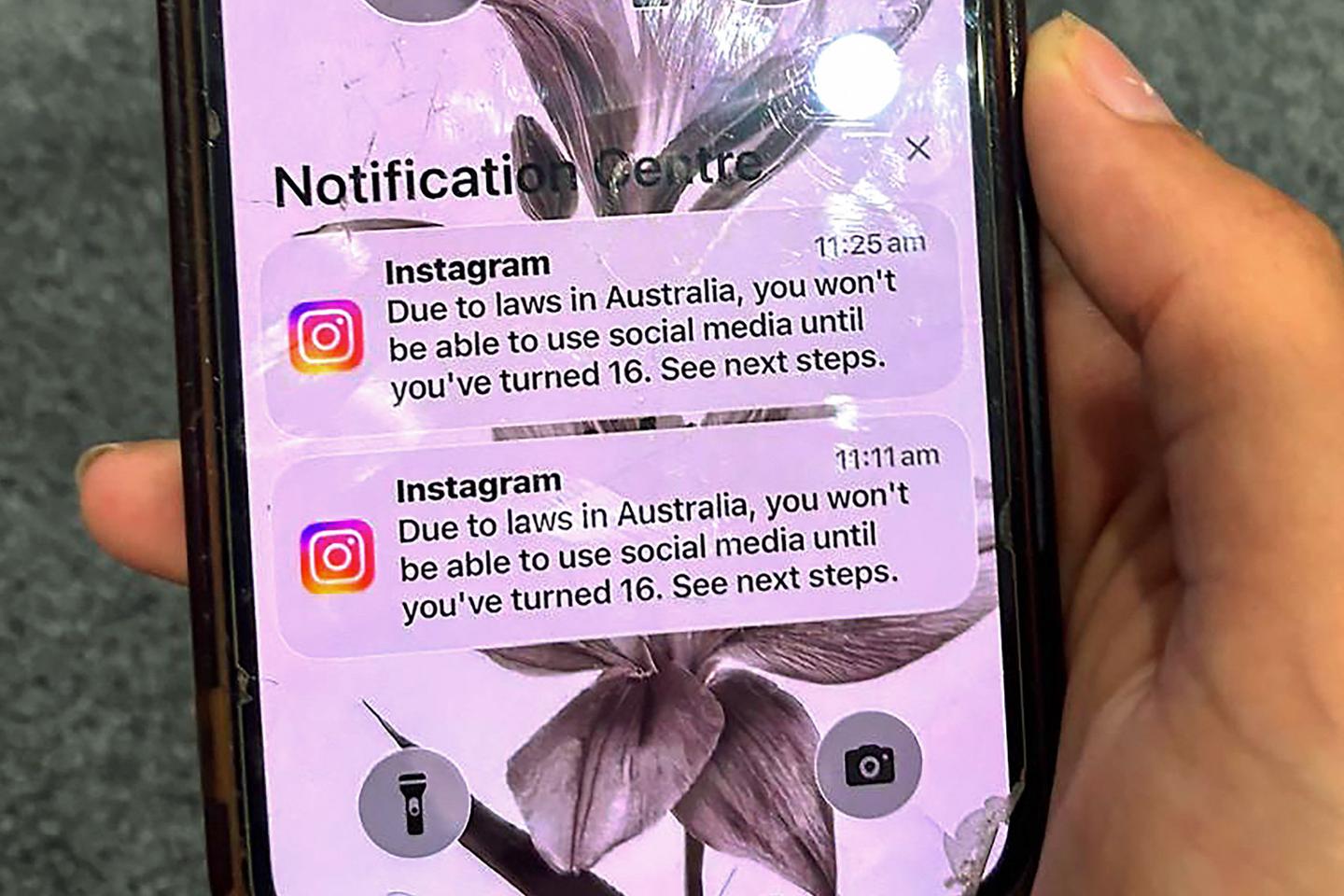
In December 2025, Australia became the first country to ban under-16s from social media. Ten platforms, Instagram, TikTok, YouTube, Reddit, X, and the rest, had to block minors or face fines of around 32 million USD. People lost their accounts overnight.
The UK is debating its own version right now. The House of Lords already voted in favor of an Australia-style ban. France, Spain, Greece, Norway, Denmark, Turkey, Indonesia, Brazil: the list keeps growing every month. If you build anything that touches users on the internet, age verification is going to be a new task on your Jira/Asana/whatever dashboard. It isn't an "if" situation; it's a matter of "when".
A few weeks ago, Brazil's internet steering committee invited me to a closed session with government bodies, the national data protection authority, and representatives from operating system vendors, to work through what our age verification law actually means for OSes in practice. A few weeks ago, I wrote about a new child protection law passed in Brazil and how some people were creating FUD around it. (the translated version here on DEV). I went in to argue one narrow technical point and left convinced that the technical fight is the whole fight. Below are the arguments I made there, stripped of the local legal weeds, because I feel that this is a global problem, not just something happening in Brazil.