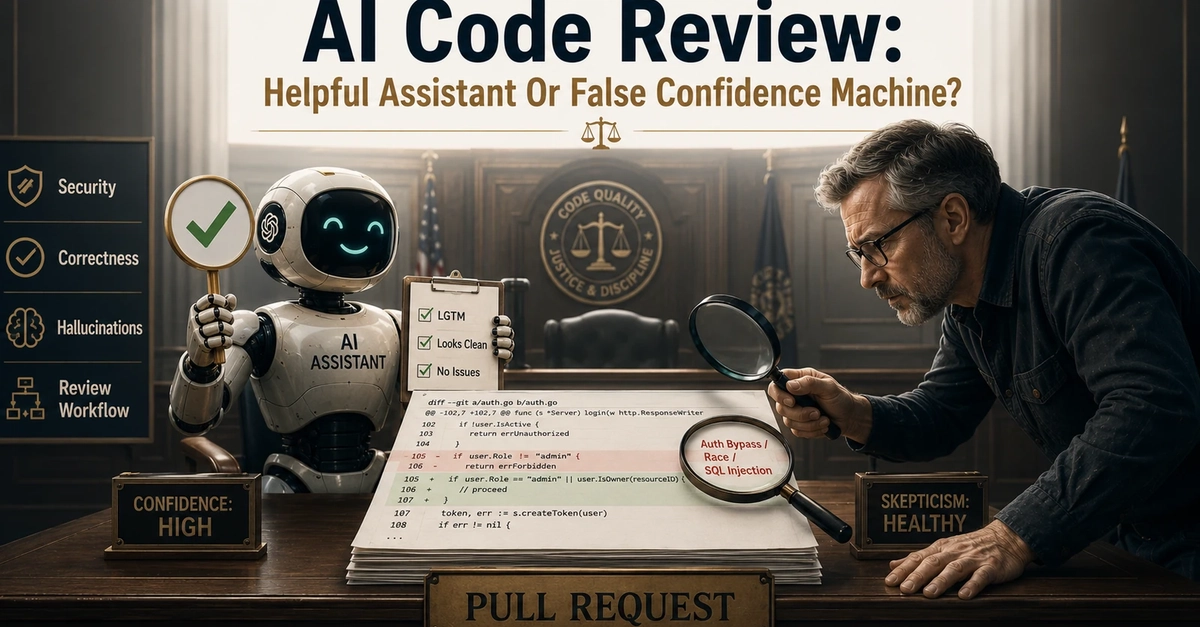
After scathing accusations of skimping on due diligence, as well as other feedback to my article on trying to use an ‘AI coding assistant’ for the first time, the only rational, academic response is to lick one’s wounds following a particularly bruising peer review and try to address the raised issues. Reality after all does not care about one’s feelings, and there may be more to this AI assistant technology that can be coaxed out with a more in-depth look.
To this end I’ll do my best to try and work through each raised point, criticism and accusation, to see what I – and perhaps others – can learn of this endeavor. Said points include the use of the wrong frontend – i.e. Copilot – and the wrong model – being Claude Haiku 4.5 – as well as the egregious flaw on my end of ‘prompting wrong’.
For the sake of due diligence the best frontend and models will be investigated for particular tasks, with finally the verbal minefield of ‘prompt engineering’ examined for industry-standard approaches.
Junior Developer
The exact way to refer to an LLM coding assistant is still in flux, with some comparing it to pair programming, while others see the assistant more as a glorified search engine that also has code-complete features as a kind of merger of a web search engine and IntelliSense in Visual Studio. This relationship and how to look at it is the cause of a lot of contention as a result.