Show Caption
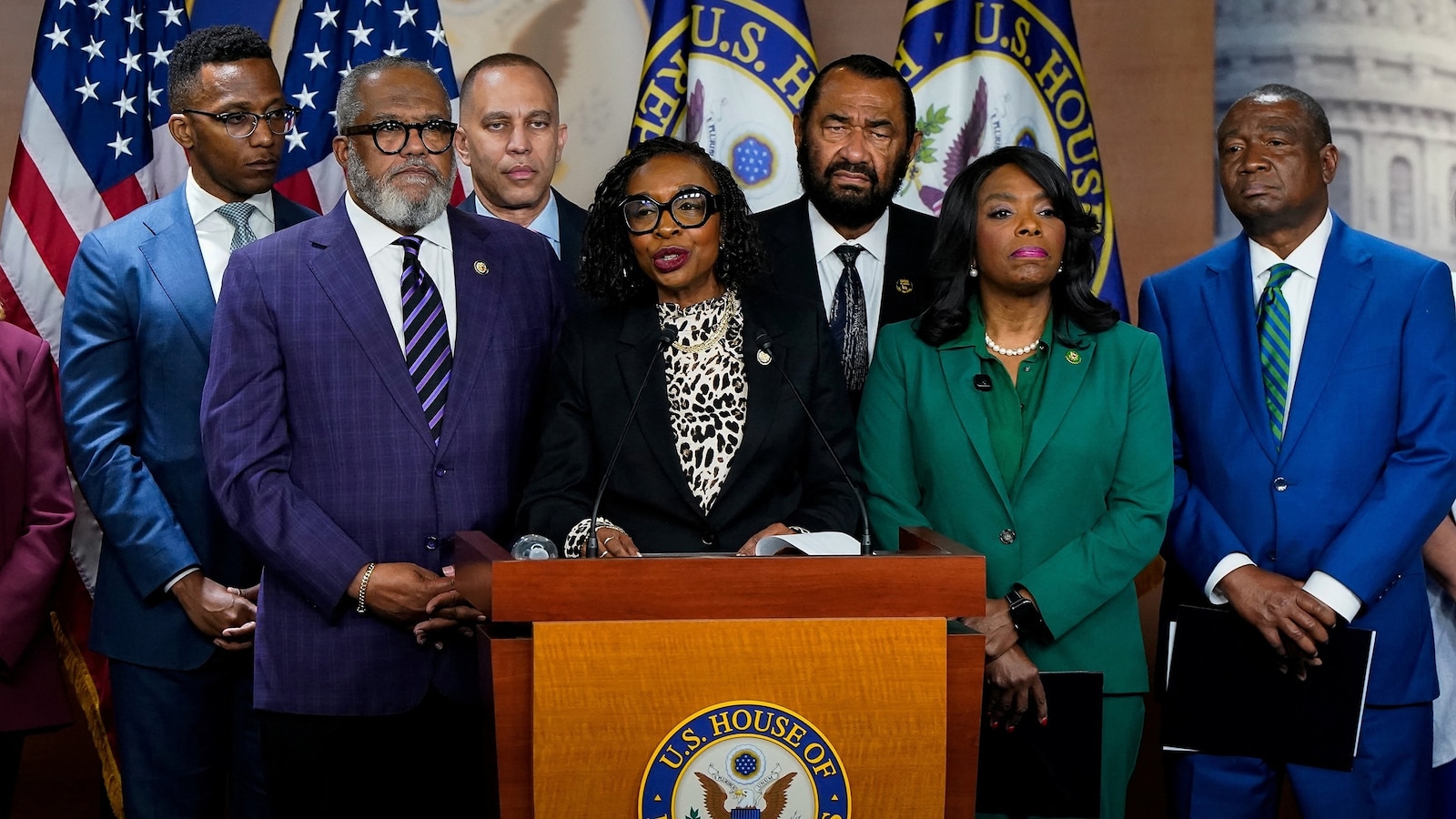
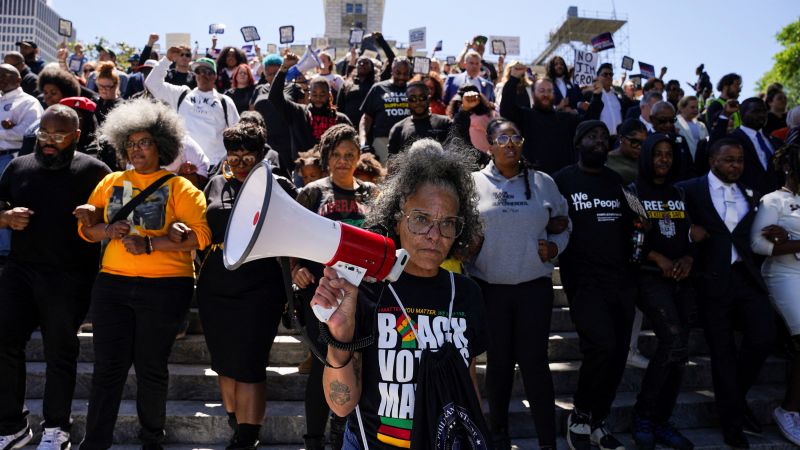
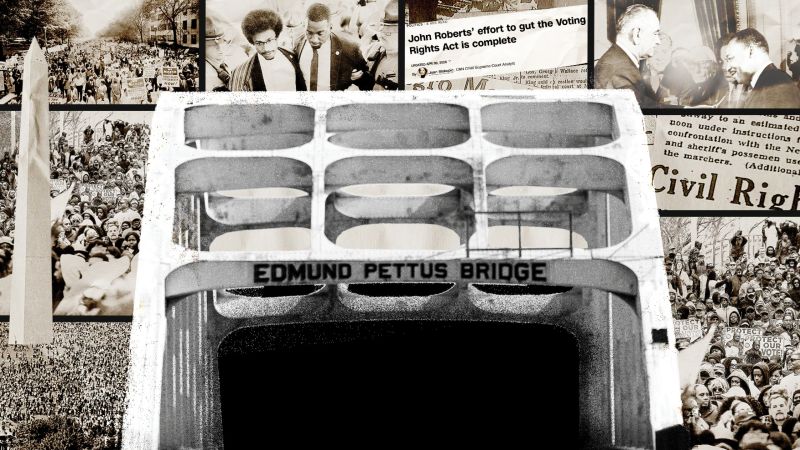
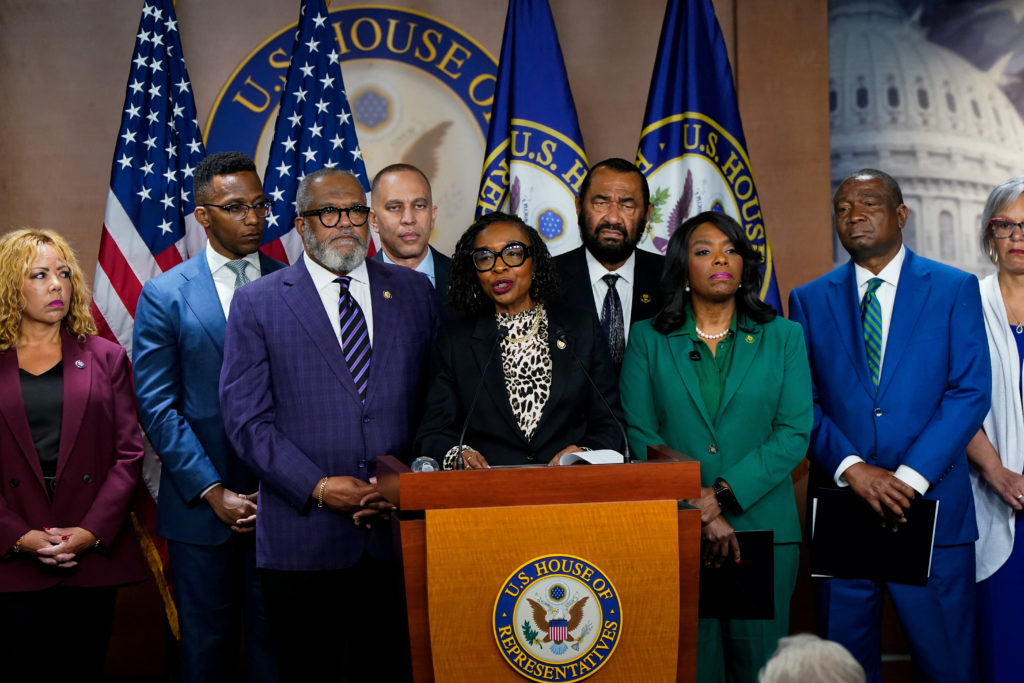
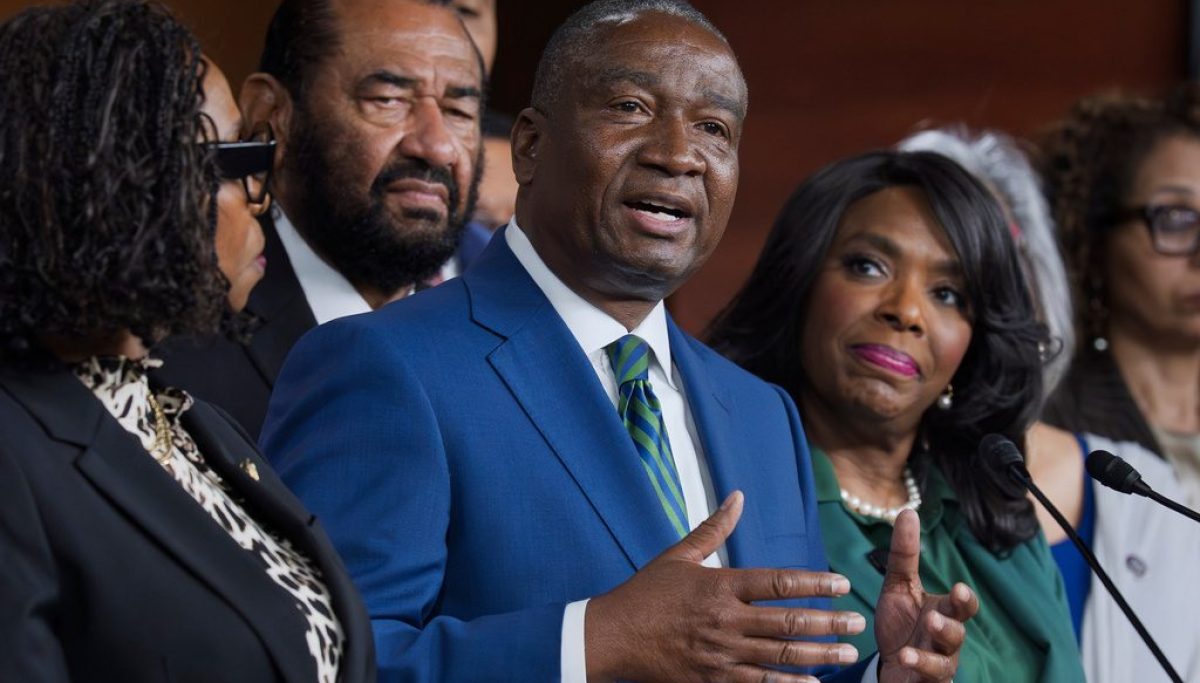
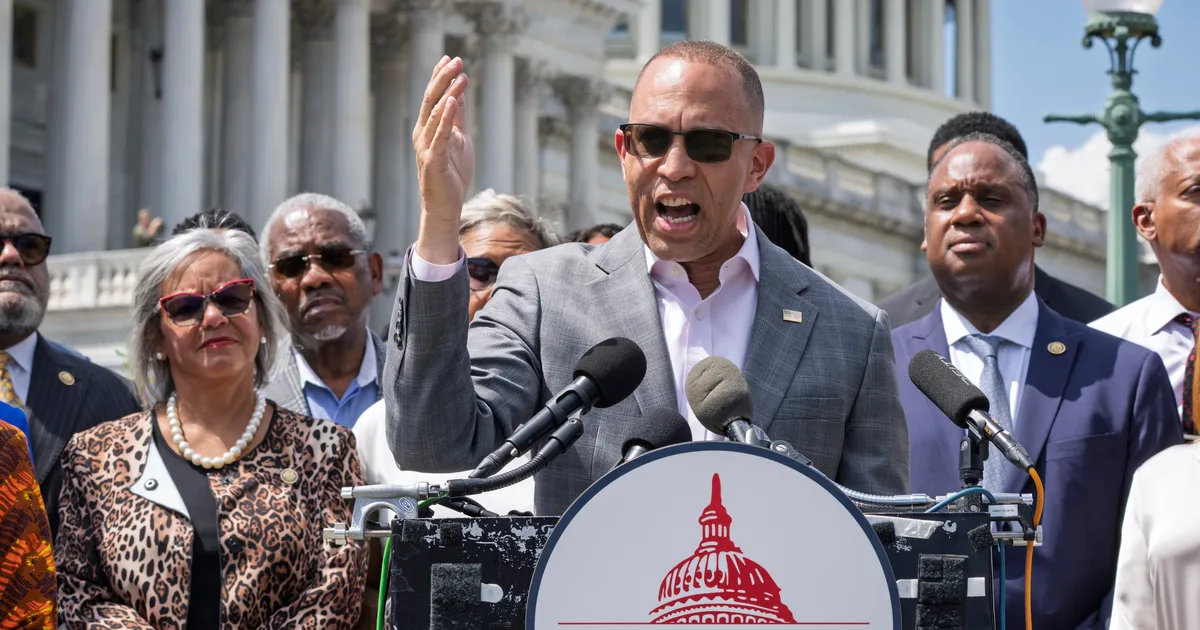
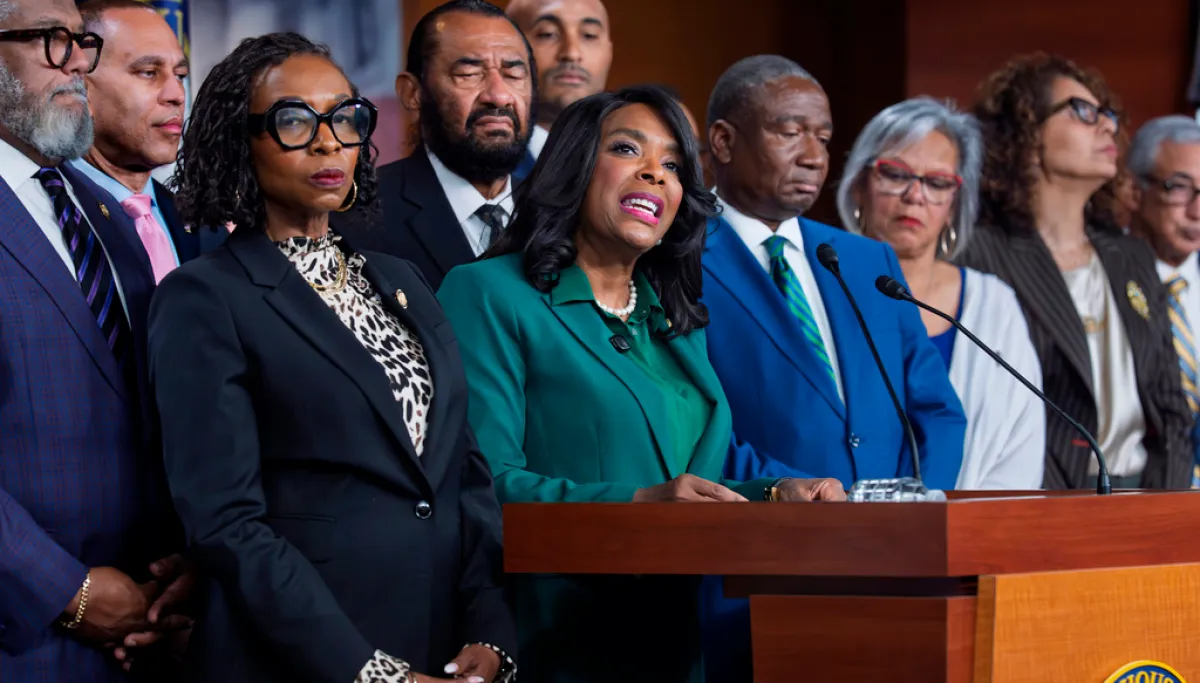
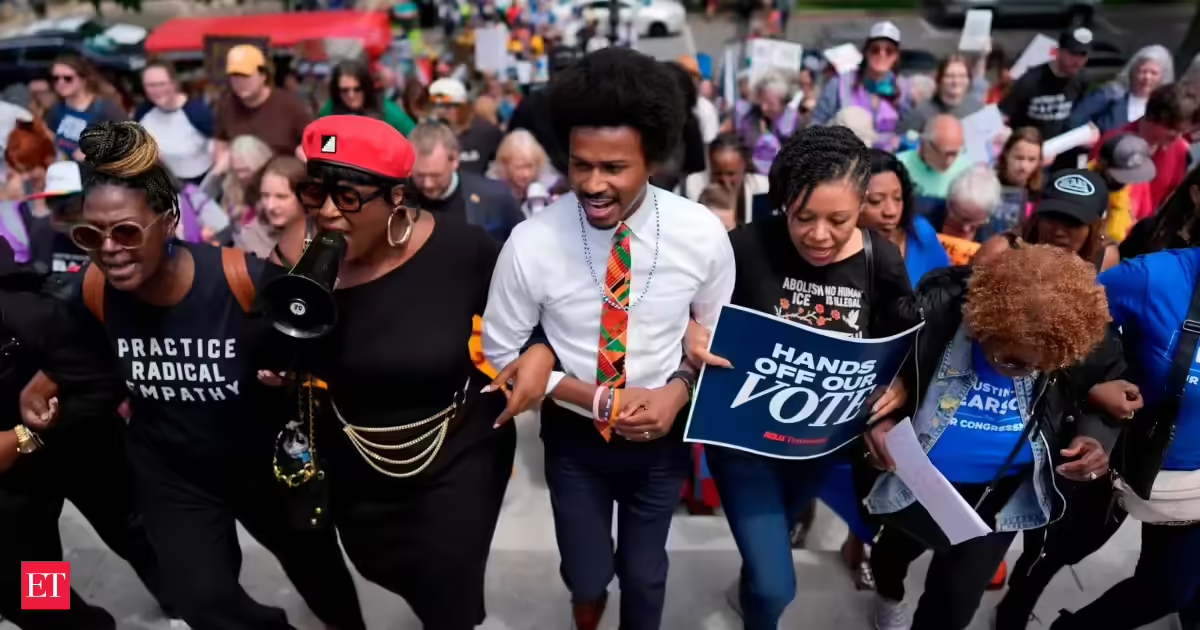
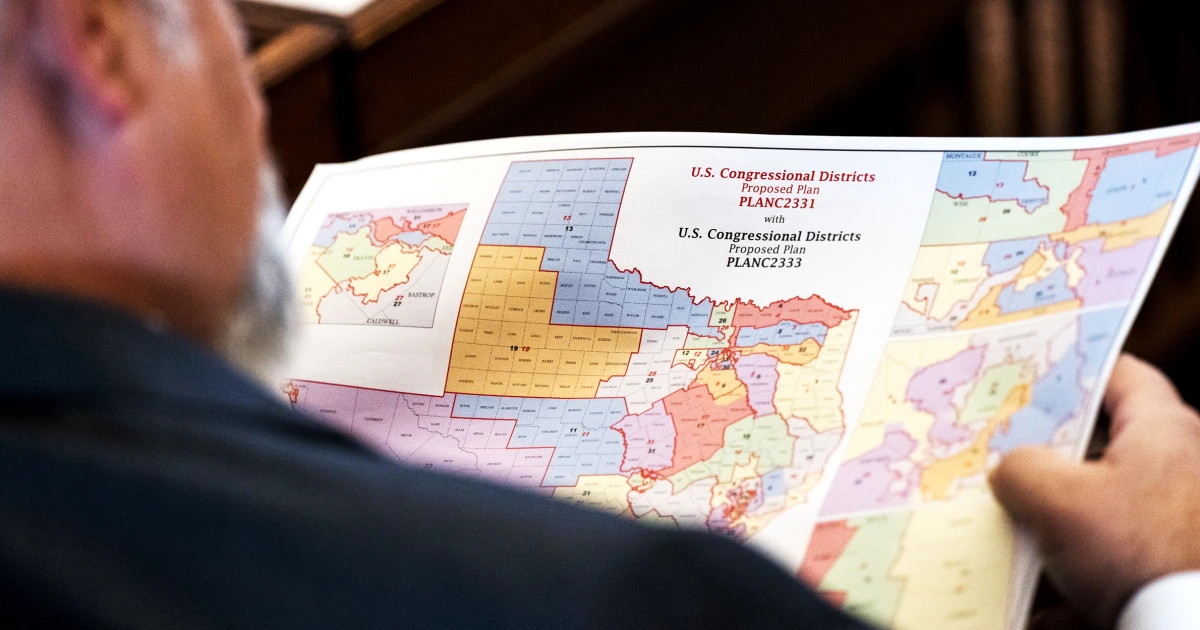
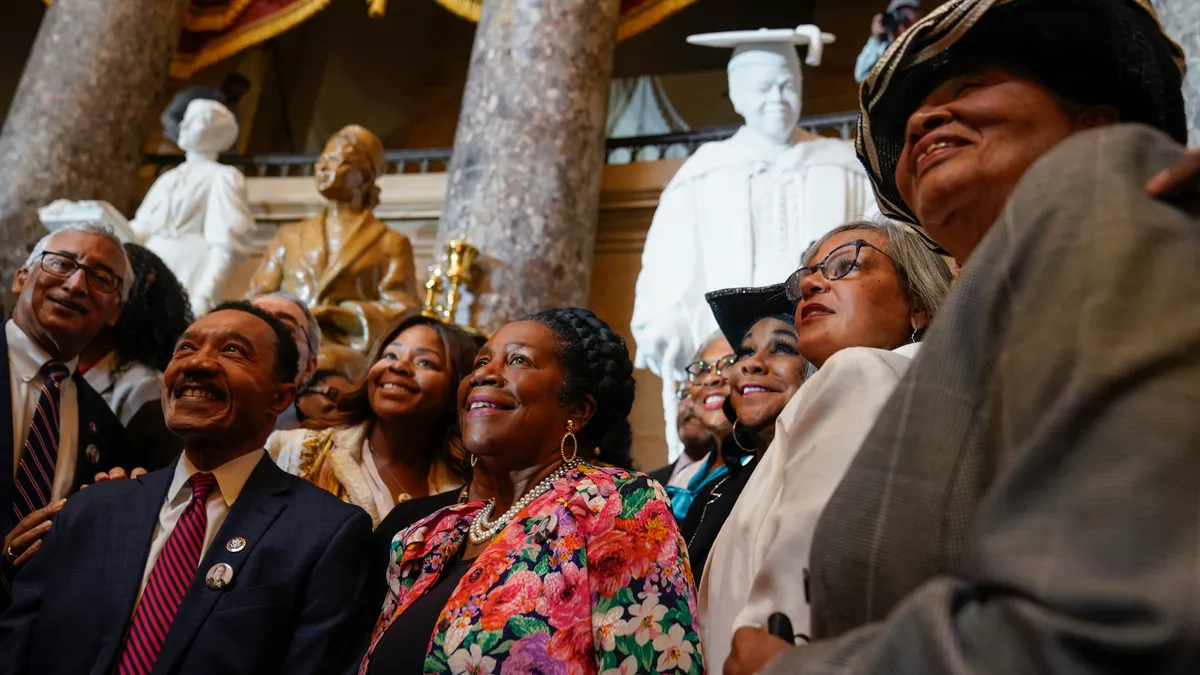
Redistricting efforts across the South could mean about a third fewer Black members of Congress, the Congressional Black Caucus has warned, and a correspondingly large drop in Black power in Washington.Chairwoman Yvette Clarke, a Democrat from New York, has said as many as 19 of her caucus’ members could be affected in a worst-case scenario, though she noted the situation is still fluid."Black political representation has come under direct assault," she told USA TODAY. "Republicans' racial gerrymandering could have a devastating impact on the CBC, but this democratic erosion extends far beyond politics. When communities lose meaningful political representation in government, they also lose equitable access to resources, infrastructure, healthcare, education, environmental protections, economic investment, and public safety."In April, the Supreme Court limited a key part of the Voting Rights Act, Section 2, ruling states cannot be required to create additional majority-minority districts if it conflicts with their constitutional right to prioritize partisan balance. The decision, which gives states a freer hand to redraw boundaries of voting districts at all levels of government, set off a redistricting race across the South ahead of the midterms and 2028 presidential election.On June 2, the Supreme Court allowed Alabama to use a congressional map that had been determined to have intentionally discriminated against Black voters. Lawmakers in Alabama, Louisiana and Tennessee have already decided to use maps eliminating majority-minority districts. Also last month, Georgia Gov. Brian Kemp, a Republican, signed a proclamation calling for a June 17 special legislative session to redraw congressional districts."They're trying to silence Black voters and silence Black representation in Congress. Republicans know they can't win at the polls so they're attacking our voting power," Georgia Democratic Rep. Nikema Williams said on social media after Kemp's proclamation.Republicans have argued that Democrats used the Voting Rights Act to carve Democrat-leaning seats that wouldn't otherwise exist in predominantly Republican states and blocked Republican districts in states they control."Democrats spent decades trying to engineer electoral maps that divided Americans and this decision from the Supreme Court hopefully ends that terrible practice once and for all," House Speaker Mike Johnson of Louisiana said in a news conference in mid-May.The Congressional Black Caucus carries power as one of the largest Democratic caucuses in the House and for decades has been among the most powerful caucuses on Capitol Hill. Nearly all Black representatives are members. And while the caucus doesn’t always vote as a bloc, Democratic leaders often court its support.For example, Nancy Pelosi’s strong relationship with the caucus made her one of the most powerful House Speakers in decades.The 59-member caucus consists entirely of Democrats, including more than a third from Southern states.Members of a caucus, or interest group, work together to promote legislation and causes they are interested in. Congress has dozens of caucuses that focus on things like bicycles, baseball, cancer prevention, natural gas and jazz.The Congressional Black Caucus' priorities include civic engagement, housing, education and health care.With Congress passing so few laws, caucuses are ways for members to leverage power. Especially when Democrats have controlled the House, the Congressional Black Caucus has withheld its vote in order to make policy changes, said Christian Grose, a University of Southern California political science professor. The caucus did that in the early 1990s, Grose said, when it blocked welfare reform while Democrats were in power. Republicans didn't need their votes to pass it in 1996 after they had regained power.Voting Rights ActSection 2 of the Voting Rights Act was written to prevent states from diminishing the voting power of racial minorities by packing them into one district or spreading them out across many districts. Black representation in the U.S. House rose rapidly after the act became law in 1965.When Congress renewed the act in 1982, changes made to Section 2 led to the creation of many more Black majority districts after boundaries were redrawn as part of the 1990 census.The number of Black lawmakers jumped in 1992, the first election after those maps took effect, said Grose, who focuses on the role of race in politics. Many of them had been active in the Civil Rights Movement.In the 34 years since, the number has steadily expanded and members have risen through the Democratic ranks to become committee chairs and serve in other leadership positions. House Minority Leader Hakeem Jeffries of New York would likely become the first Black House Speaker, if Democrats regain control of the House."Members of Congress representing Black voters have gone from not having much power 50, 60 years ago to being some of the most powerful members of Congress. And it is... a testament to the Voting Rights Act," Grose said.And many of the members from the 1990s who rose to power came from "the states that had only elected White members of Congress before," he said.Grose said he expects House leadership could look less diverse in another 20 years with the expected loss of Black members in the South.Rep. Bennie Thompson, a Democrat from Mississippi elected as part of that 1993 class, said the Supreme Court's decision, and the fact that so many Southern states have rushed to redistrict majority Black districts, has upended the equal playing field created by Congress in the 1960s.In a democracy, Thompson said, people fashion public policy through their elected representatives and “if you can’t have those interests represented in the discussion, somebody is going to get left out.”"Part of leveling the playing field on the representational standpoint is making sure that women, people of color are included in that representation,” he added.Population parityBlack members make up about 14% of the House, nearly matching the Black population nationwide.Congressional Black Caucus members have long said they don't just represent their districts, but Black Americans nationwide, University of Minnesota Twin Cities Professor Michael Minta said.For "a lot of people, they do provide that voice, that perspective that may not necessarily come from their own representative," said Minta, an expert in the political representation of African Americans.Committee representationA drop in Black representatives due to redistricting in the South would likely mean not all House committees would include Black members, Minta said.The caucus coordinates to make sure there are Black representatives on every House committee, Minta said. In the 1970s, Black members focused on getting on committees that affect civil rights and justice. As the caucus grew in the 1990s, it made sure there were Black representatives at every table where decisions were being made, he said.In the early 1990s, for example, Democrat Rep. John Conyers Jr. of Michigan routinely sat in on the House Agriculture Committee even though he wasn't a member and didn't have many farms in his Detroit district. The committee was discussing Black farmers and access to farm loans, Minta said.Black representatives are the highest ranking Democrats on four of the House's 20 standing committees: Rep. Bobby Scott of Virginia, Education and Workforce; Rep. Maxine Waters of California, Financial Services; Rep. Gregory Meeks of New York, Foreign Affairs; and Thompson, Homeland Security.Thompson said having people of different perspectives in the room is important, noting that just like he can't tell a woman he knows what it is like to be pregnant, a White person can't tell him what it is like to be Black."When you create the climate for representation to occur, we're better off as a country," he said.