READ MORE: How to avoid EES travel chaos this summer: Our expert reveals everything you need to know about the controversial new system - and steps to take to avoid being stuck See more Daily Mail on Google - save us as a Preferred SourceBy ERIN DEBORAH WAKS, TRAVEL WRITER Published: 13:24 BST, 8 June 2026 | Updated: 13:41 BST, 8 June 2026
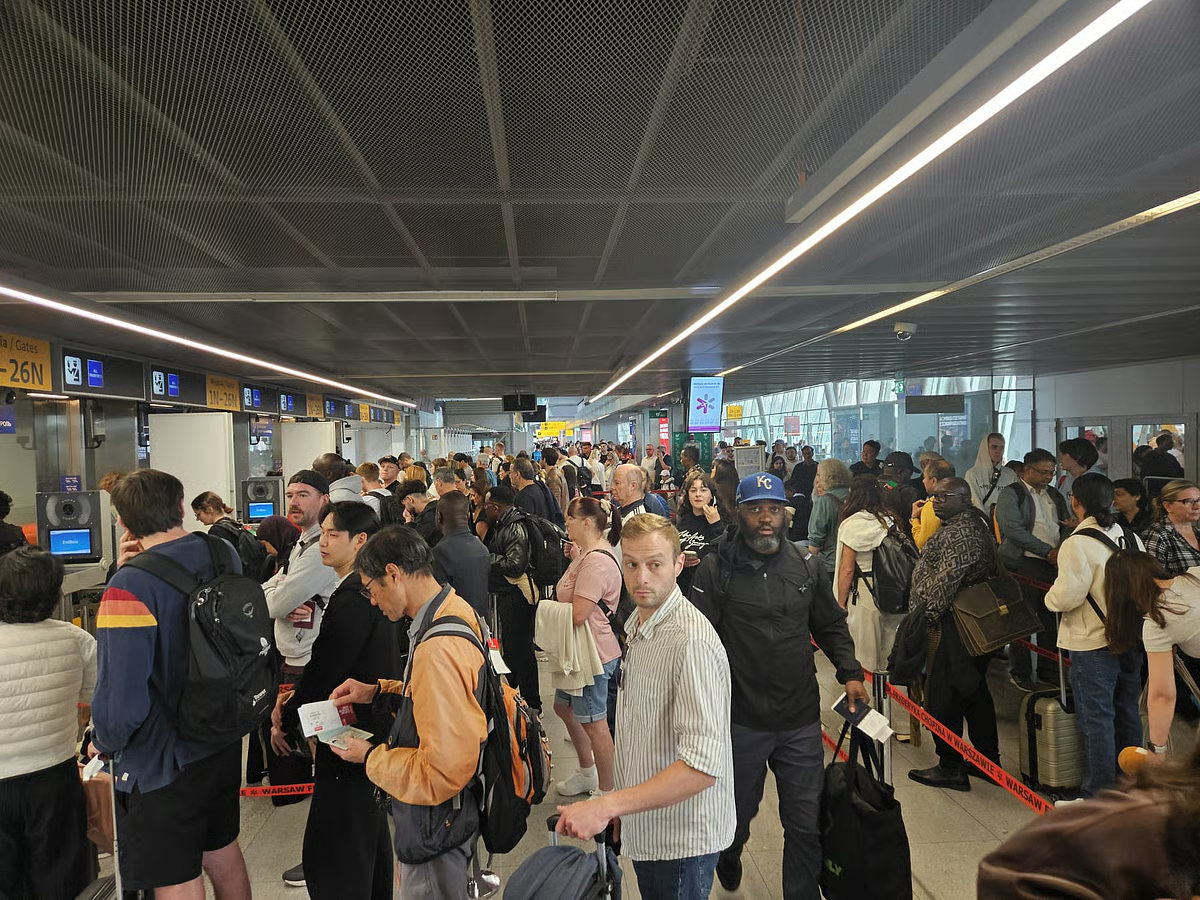
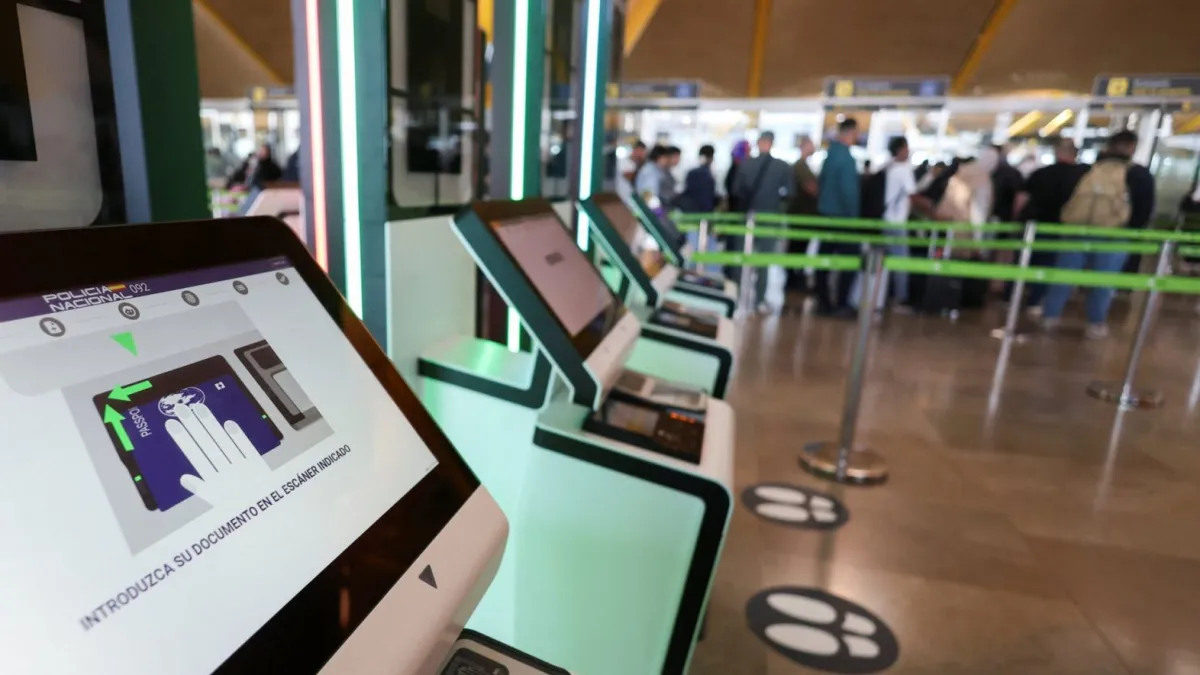
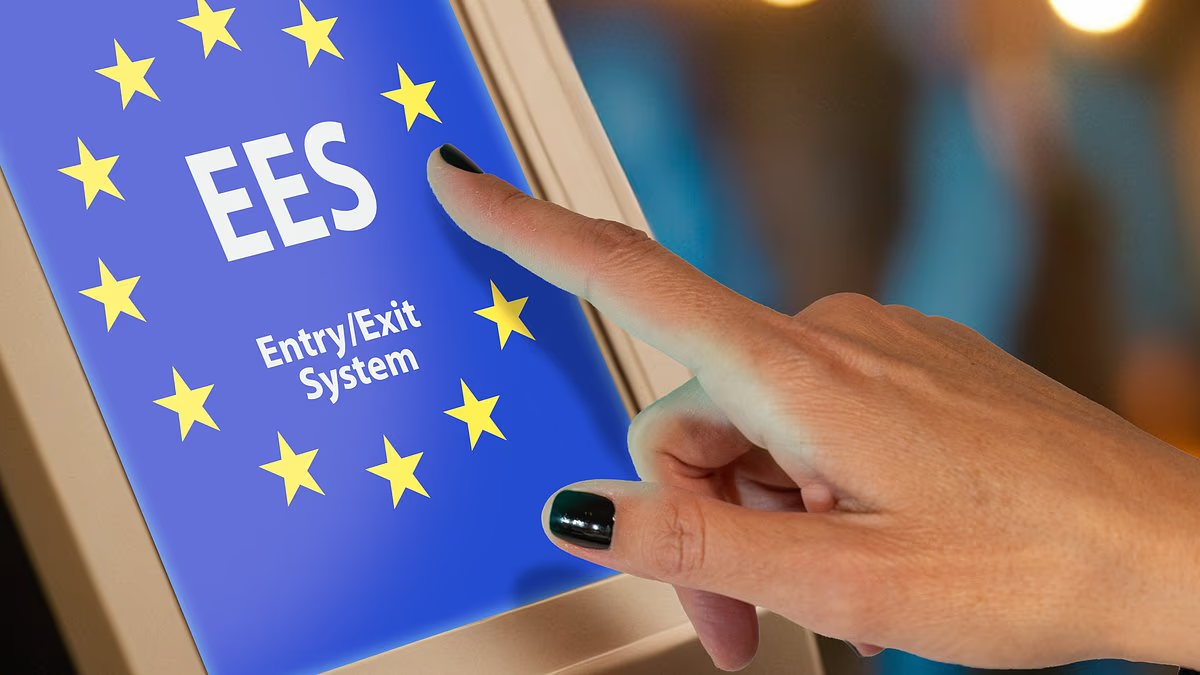
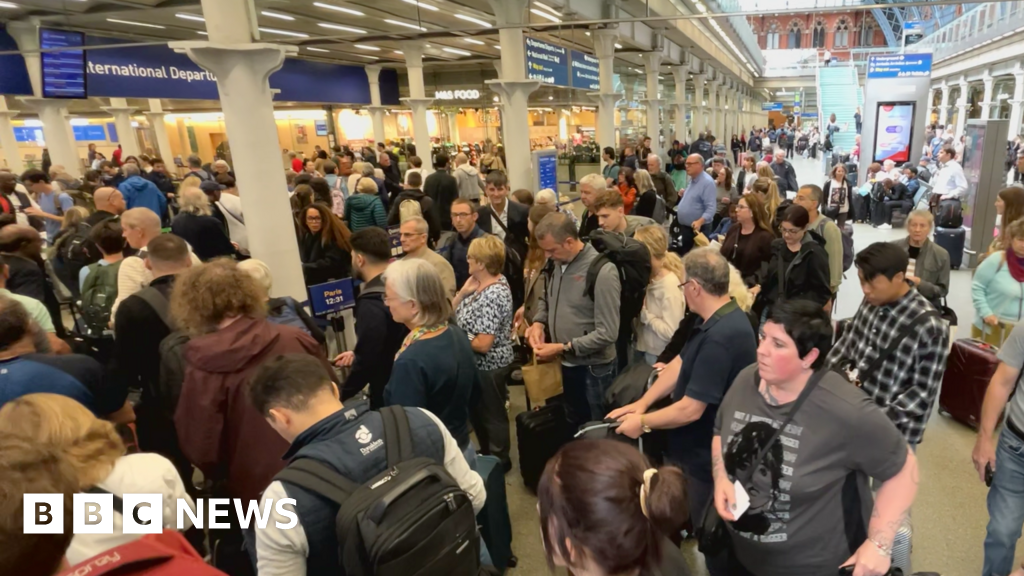
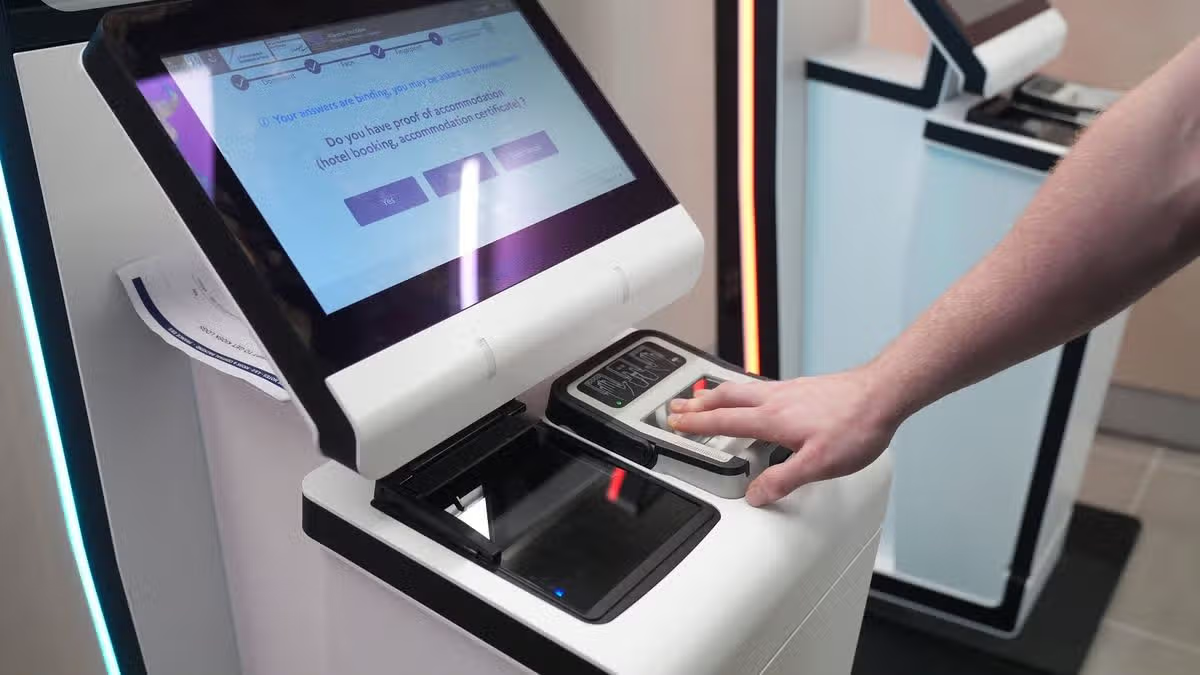
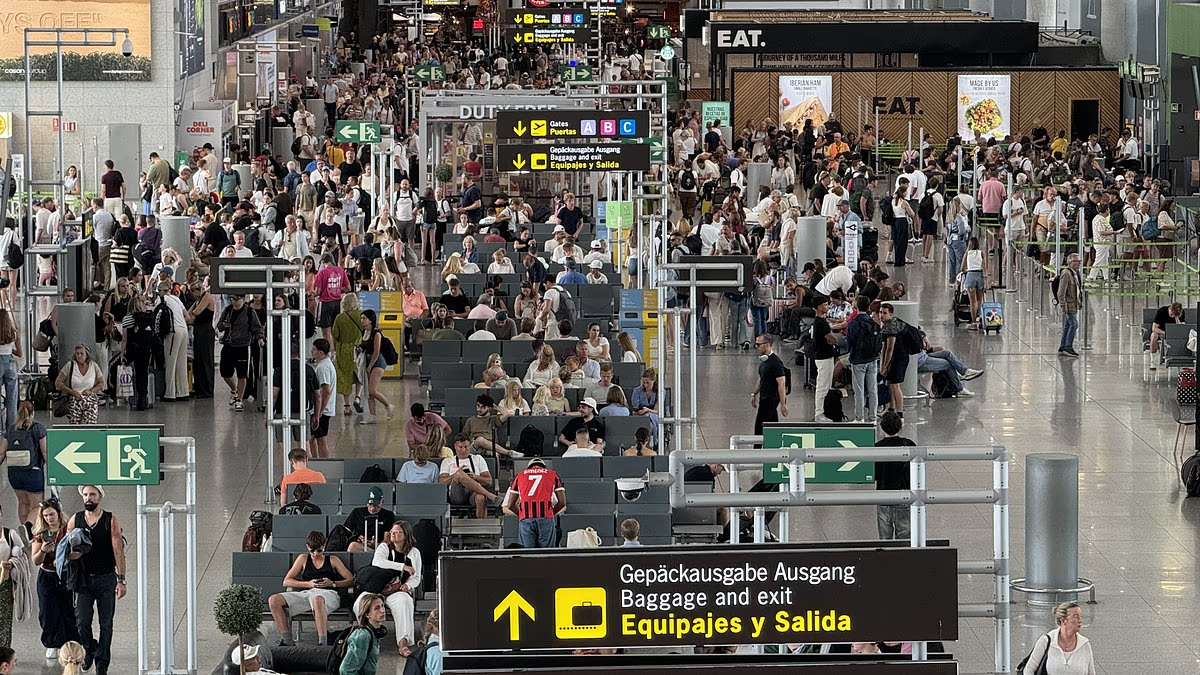
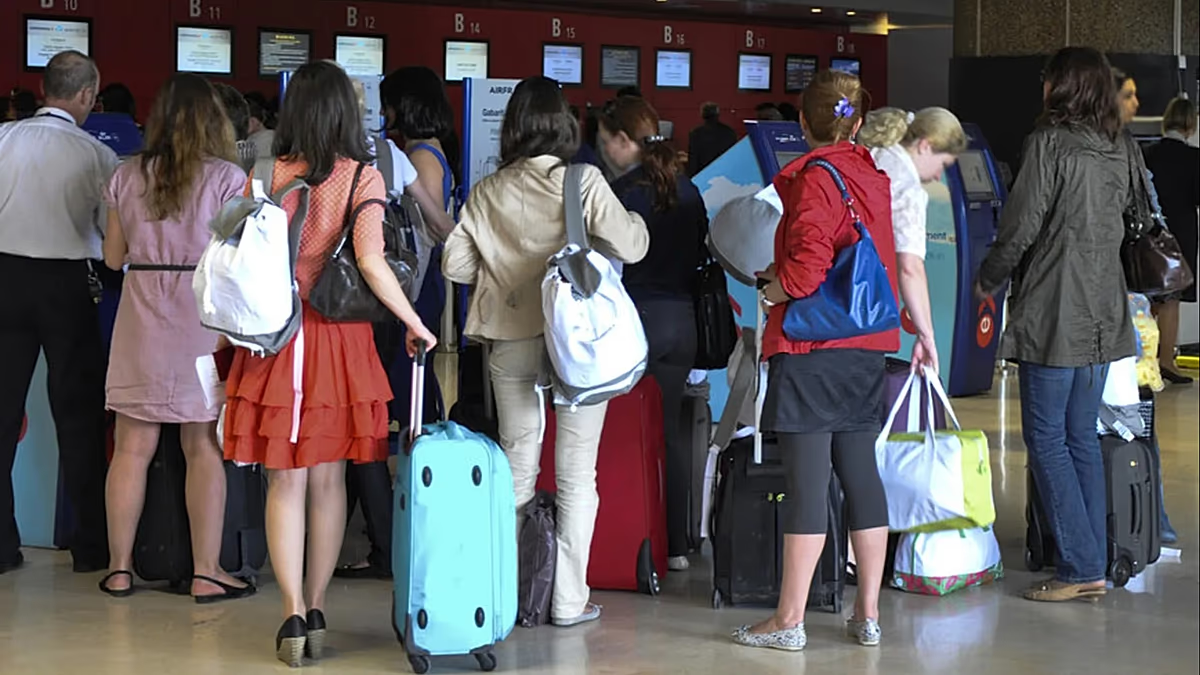
Europe's new biometric border system is on course to redirect nearly £2 billion in British tourist spending away from Schengen destinations this summer.The system, which began on April 10, has caused huge delays at border controls that have led to some passengers missing flights. It means many UK passengers now need to register biometric details, such as fingerprints and facial recognition images, when entering the Schengen Area.Concerns regarding the impact of the EU's Entry/Exit System (EES) are continuing to rise. Research by travel company Holiday Extras found that one in 30 people have already changed their holiday plans specifically because of queues at border control, with almost a fifth saying they are likely to change their plans this year.When applied to ONS data, which shows Brits make 96 million UK trips abroad at an average Schengen spend of £830 per trip, the study suggests the Schengen Zone is at risk of losing £1.9 billion in UK tourist revenue in 2026 alone.Spain faces the largest absolute loss of any country – estimated at around £720 million – simply because it hosts more British visitors than anywhere else in Europe. France and Italy follow, with estimated losses of around £370 million and £190 million respectively. Widespread problems with the full implementation of the European Union’s new Entry/Exit System have caused huge delays at border controls Long snaking queues at airports are not the only impact - research has shown the EES system is set to cost the EU a huge sum of money in reduced British spendingOn the contrary, Greece, which proactively suspended EES biometric checks for UK nationals in April, is likely to be the primary beneficiary, with an estimated gain of around £230 million in redirected British spending.The booking data already shows the shift. Greece's Tourism Ministry confirmed a 2.8 per cent uplift in UK bookings for June following its exemption announcement. Trade body Advantage Travel Partnership reported Greece's share of British holiday bookings rising from 7.7 per cent to 9.8 per cent in the fortnight after the announcement, with Spain showing a drop.Turkey and North Africa are also picking up bookings, with easyJet reporting a 21 per cent rise in flights to Tunisia, Morocco and Turkey compared with the previous year.Matthew Pack, CEO of Holiday Extras, said: 'These numbers should concentrate minds across Europe. 'Nearly £2 billion in British tourist spending is at risk of being redirected this summer, and the market is already moving.'Greece made a decision to put its tourism economy first, and the bookings data shows British holidaymakers have noticed. Every week that Spain, Italy and France delay acting, more of that money flows elsewhere. The new digital system requires non-EU passengers to register biometric details when entering 29 Schengen area countries The new Entry/Exit System has caused chaos in some airports, creating long queues and wait times (Malaga Airport, pictured)'The pressure from airlines, airports, prime ministers and mayors across Europe tells you everything about the scale of the problem - this is not a teething issue, it is a structural failure with real economic consequences.'It comes as the list of European figures calling for EES suspension has grown rapidly since April.Three major airlines - Ryanair, easyJet and Jet2 - have written formally to European governments demanding action and the industry bodies representing European airports (ACI Europe), airlines (A4E) and global aviation (IATA) sent a joint letter to the EU Commissioner for Internal Affairs.Portugal's Prime Minister Luis Montenegro has threatened suspension, the Mayor of Lisbon called it 'necessary,' and the Mayor of Faro said he sees 'no other solution.'