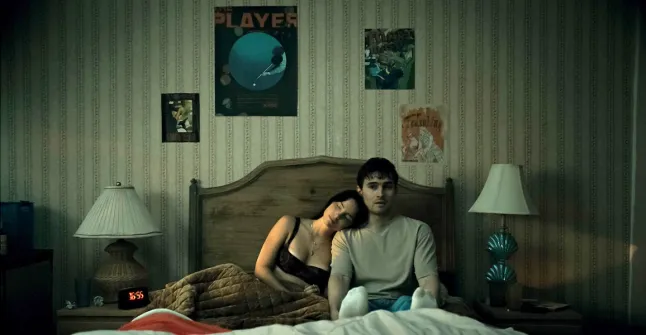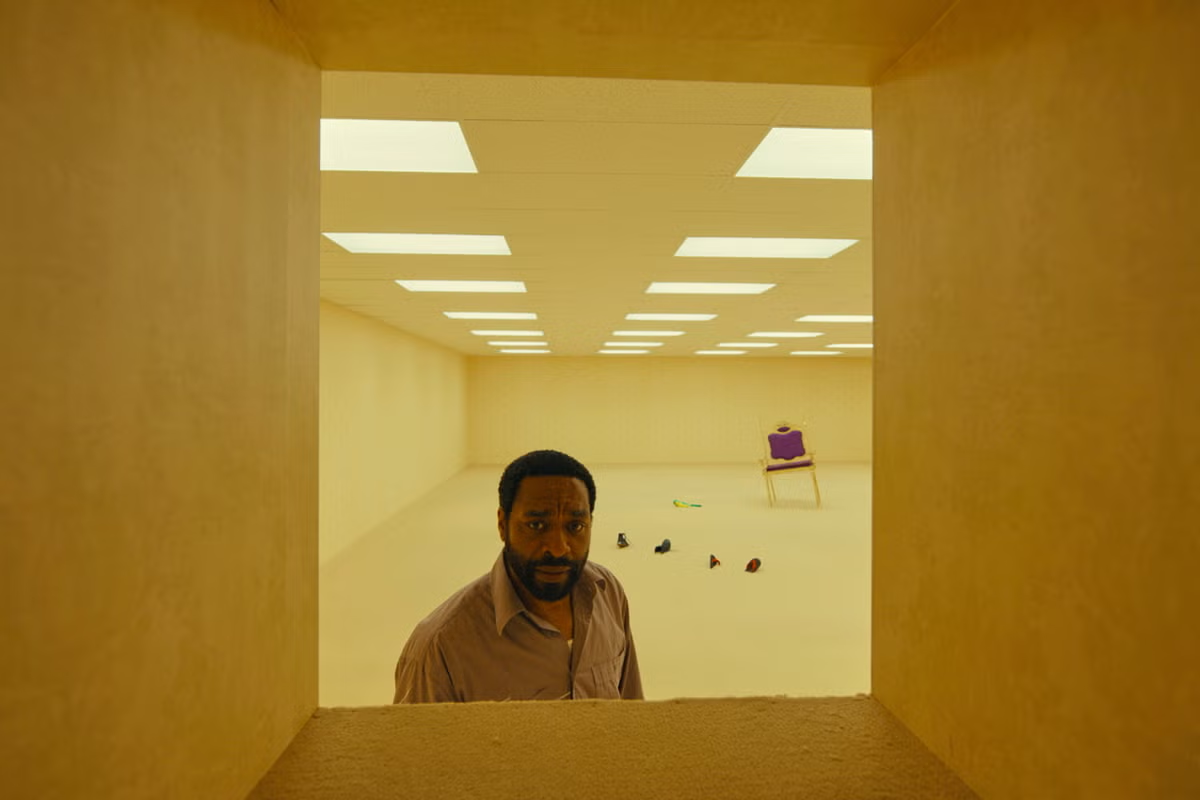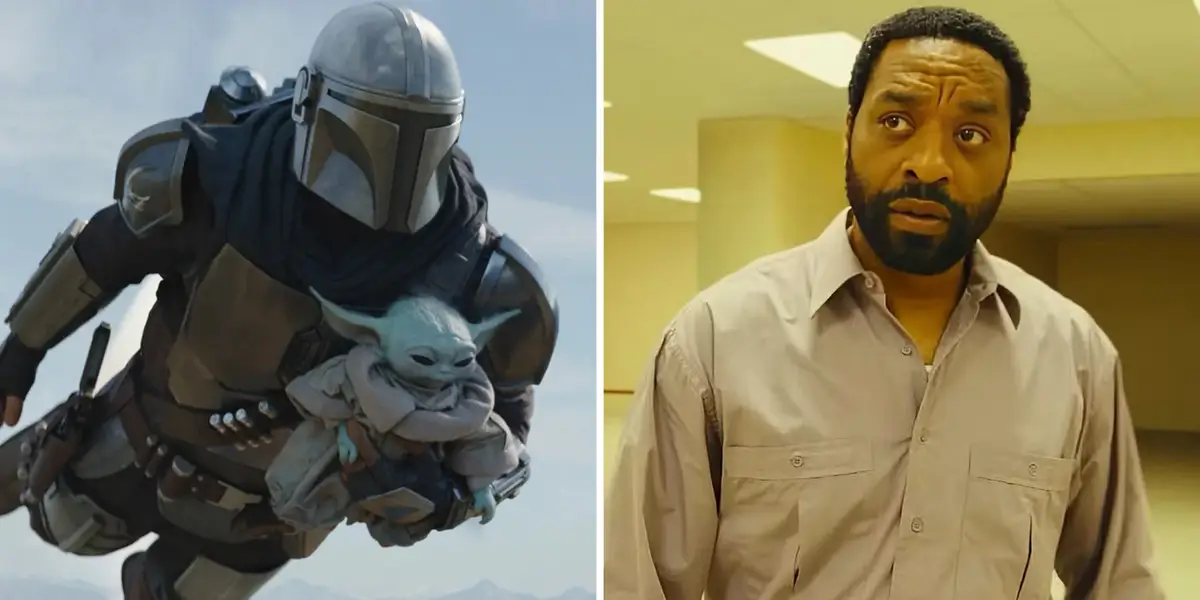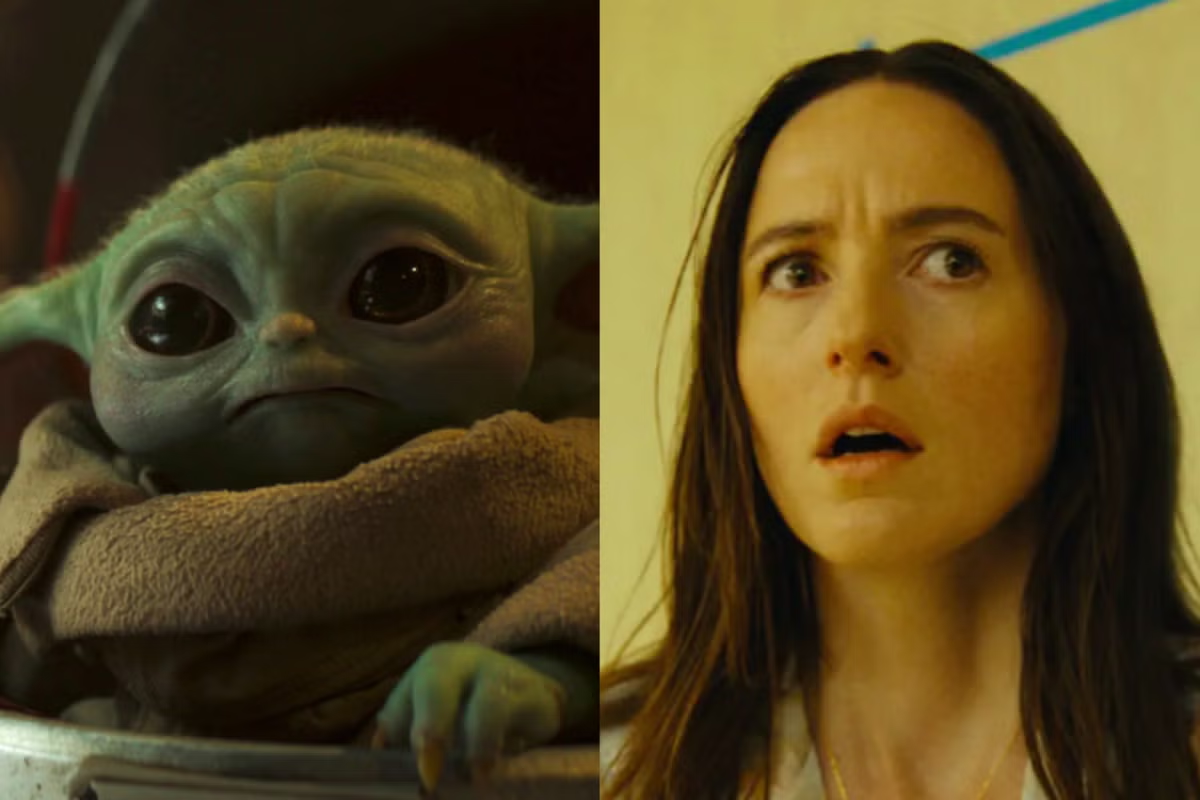
For a good seven years now, the death of cinema has been widely proclaimed. Why? Blame the pandemic, the rise of streaming platforms, or the increased laziness of younger audiences, who are more content to scroll through YouTube than jump on a bus to their local multiplex. Granted, cinema attendance is down from what it was before Covid hit – and by quite a margin. In 2019, admissions in the UK, US and Canada, when combined, reached 1.416 billion compared with 914.1 million in 2025. But while the aforementioned reasons may contribute to this dip, the cinema industry is actually a thriving one – just not for the reasons it once was.Take 2019 as an example – the world’s top 10 highest-grossing films included four sequels, three superhero films, two Disney live-action remakes and Joker. In other words, all existing IP. And 2025 was largely no different, but F1 and Sinners proved you don’t have to be a sequel or a remake to zoom your way to box office bite. So what’s changed? Well, fewer high-budget films are cracking the billion-dollar mark; last year saw three Hollywood films achieve the feat, compared with nine in 2019 – and instead, the success stories lie with the smaller independent films breaking through in a big way. When Obsession was released back in May, nobody could have quite predicted the sleeper hit the film would become. Written and directed by 26-year-old YouTuber Curry Barker, the psychological horror made $17.2m (£12.9m) in its first week of release. Seven days later, in its second week of release, it recorded takings of 30 per cent higher than week one – an incredibly rare feat for any film, let alone a modest release made for just $750,000 (£563,000). For comparison, another May release, The Mandalorian & Grogu, which was made for $164.2m (£123.3m) more than Obsession, suffered a 69 per cent drop in its second weekend of release. It’s yet to make its budget back, one month on. Another unprecedented success story has manifested in the form of Backrooms, written and directed by 20-year-old YouTuber Kane Parsons. In just one week, the film – inspired by Parsons’ very own web series – has become studio A24’s highest-grossing film in the US, a number it will only build upon in the coming weeks. What’s assisting these films is word-of-mouth – they’re refreshingly original ideas told by confident storytellers who were given tight constraints with which to prove themselves, and people want to see the results for themselves.‘Obsession’ and ‘Backrooms’ are taking Hollywood by storm (Obsession and Backrooms)Phenomenally, Obsession has posted a mere seven per cent dip after one month of release and is the ninth biggest film of the year so far, with Backrooms close behind. For both films to make close to half of The Devil Wears Prada 2 – a high-profile legacy sequel – is a feat that’ll set 2026 apart. Gone are the days of people rushing to watch Jared Leto in a new Masters of the Universe film (if those days ever existed) or a new film just because it has a popular brand slapped on the marketing. Studios need to realise that greenlighting films based on well-known IP no longer cuts the mustard. Instead, it’s the shoulders of the cost-efficient, original ideas upon which the big-budget films now stand. These enigmatic releases, which favour unexpected thrills and surprises, provide the annual box office takings with a sturdy spine, making up the numbers where tired franchise sequels have fallen short.Directing wunderkinds Curry Barker and Kane Parsons are the toast of Hollywood (Getty)Spider-Man: Brand New Day, The Odyssey and Dune: Part 3 will no doubt strike gold – it’ll be a surprise if they don’t all exceed $1bn – but at the end of the year, it’s not the Goliaths the movie industry will be toasting, but the Davids.
Ditch the lightsabers and spandex. These are 2026’s new box office champions
A fresh crop of filmmakers are changing the metrics upon which success is measured
644 words~3 min read