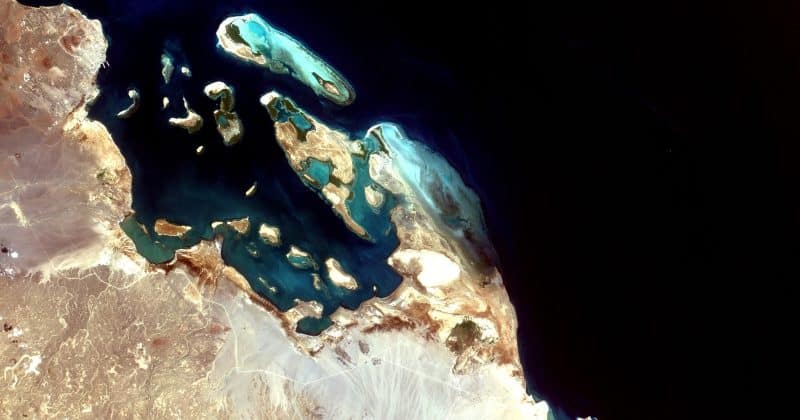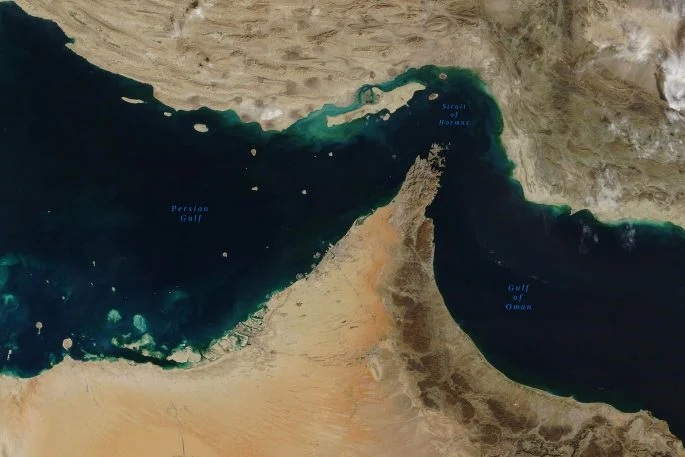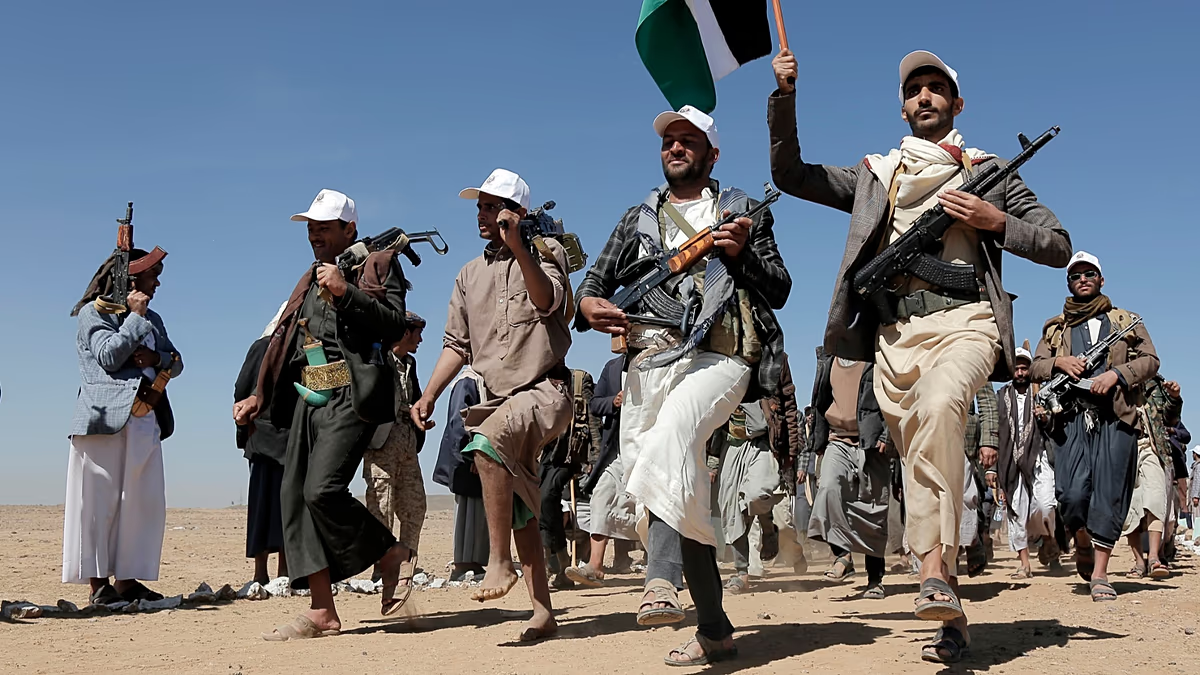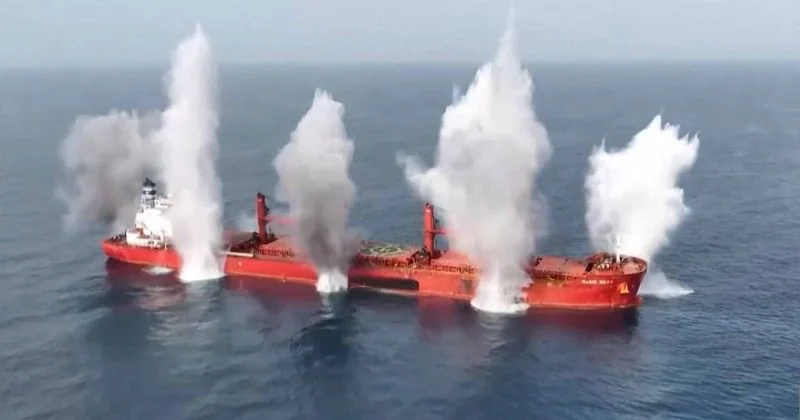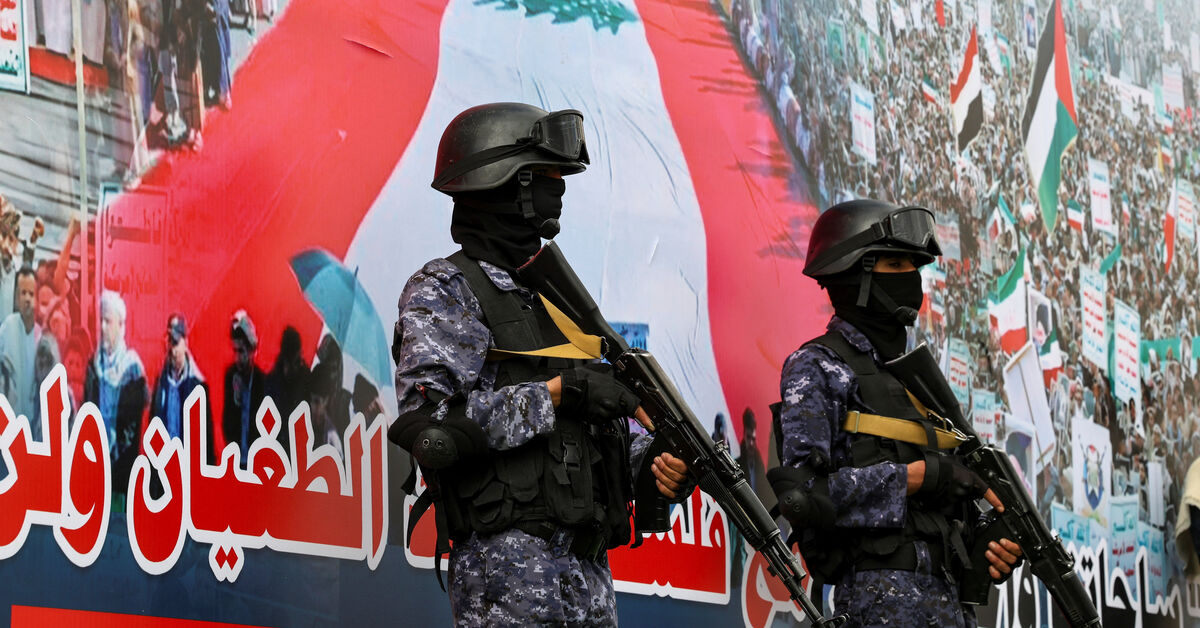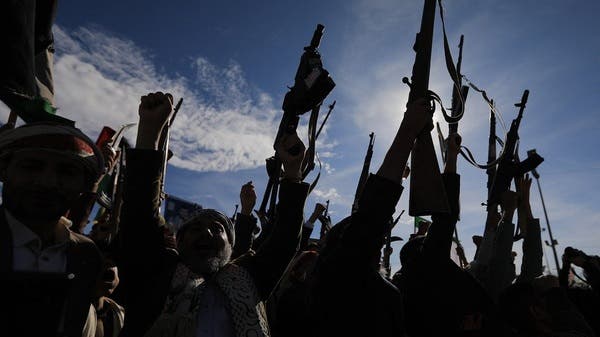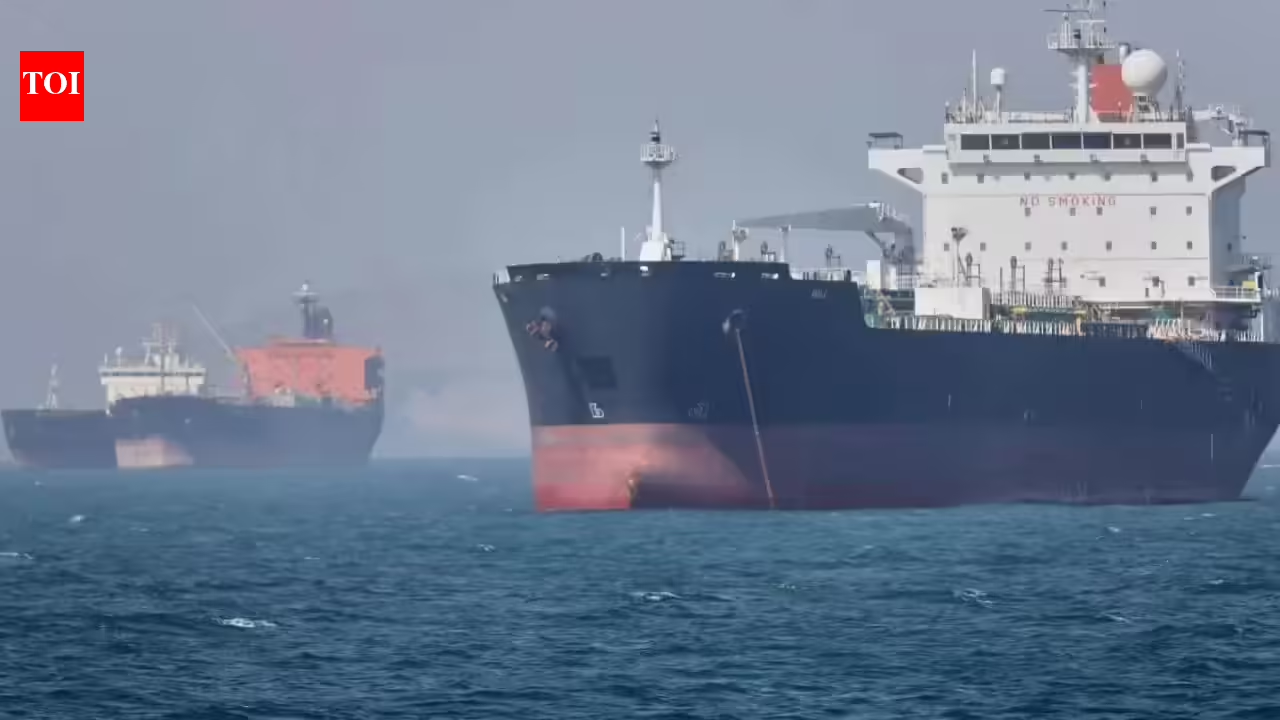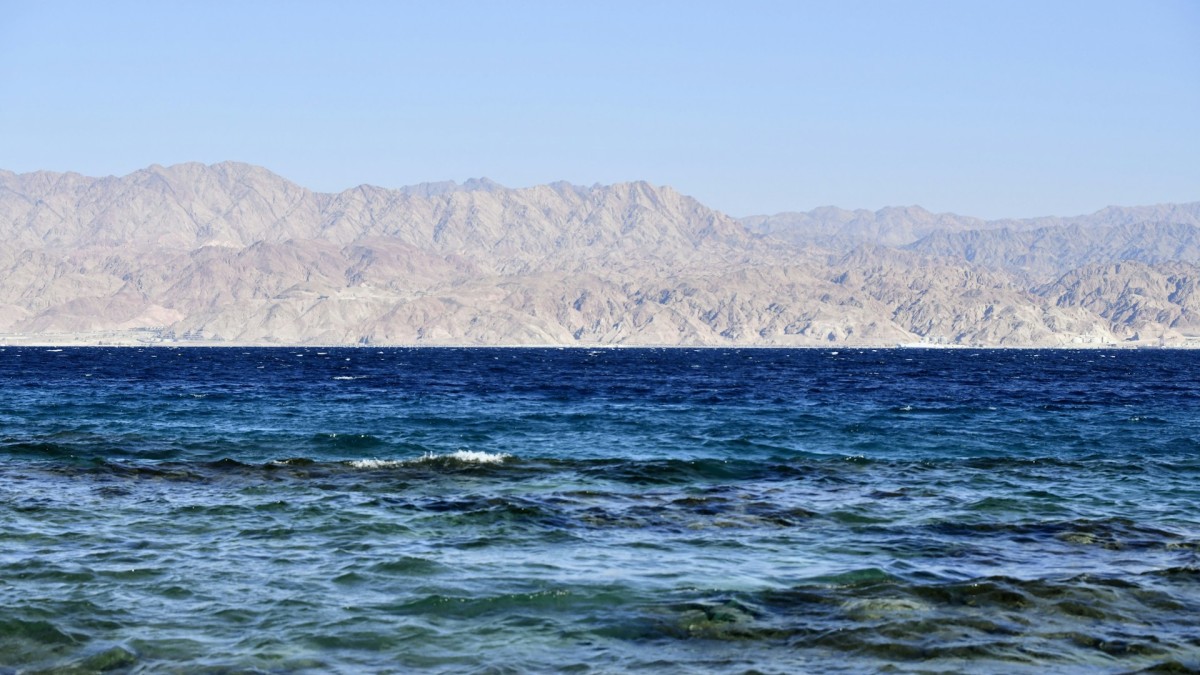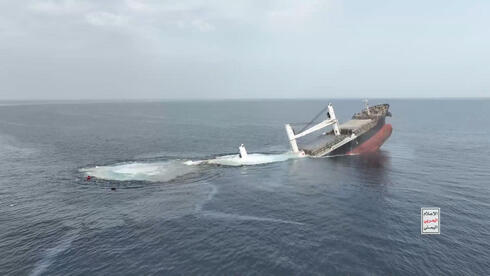
The Houthis have announced a renewal of the blockade, centered on the closure of the Bab al-Mandab Strait; The decision creates one of the most important bottlenecks in global trade back to the forefrontynet|Yahya Saree, spokesman for the group’s military wing, announced an “absolute ban” on Israeli movement in the Red Sea and said any Israeli vessel would be considered a military target.For Israel’s economy and the international shipping industry, this marks a return to a familiar scenario, though under circumstances very different from those of the previous blockade. The Bab el-Mandeb Strait, which connects the Red Sea to the Gulf of Aden, is the southern gateway to the Suez Canal. About 12% of global trade passes through the canal, including a quarter of global container trade, along with oil, gas and grain.2 View gallery A cargo ship attacked by the Houthis in recent monthsThe previous blockade, which lasted from November 2023 to January 2025, was considered one of the most significant disruptions in the history of maritime trade. During that period, the Houthis attacked more than 100 commercial vessels with missiles and drones, sank two ships and killed crew members.The result was a mass abandonment of the Red Sea route: shipping companies diverted their vessels around Africa via the Cape of Good Hope, adding about 20 days to each voyage, significantly raising shipping costs and driving war-risk insurance premiums up by hundreds of thousands of dollars per voyage.In Israel, the clearest direct casualty was the Port of Eilat. Within a month of the blockade’s start, the port’s revenue plunged 80%, and its activity nearly disappeared. By July 2025, the port was on the verge of collapse, had accumulated about 10 million shekels in municipal tax debt to the Eilat municipality and was declared a strategic national asset to justify a government aid package of about 15 million shekels in two installments. Even that assistance was not enough.Since then, the picture has changed completely. First, if the blockade is indeed implemented, it will now be a simultaneous double disruption of two chokepoints. Alongside Bab el-Mandeb, the Strait of Hormuz has already been closed for more than three months because of the confrontation between the United States, Iran and Israel.While the previous blockade mainly hit container traffic, the current combination would also choke the energy market: oil reached $120 a barrel at one point and is now trading at just under $100, while daily traffic through Hormuz has fallen to almost zero. Since Hormuz was closed, Saudi Arabia has been moving millions of barrels of oil per day through Bab el-Mandeb, meaning a Houthi blockade of the strait now also threatens the alternative oil route that had opened.2 View gallery Eilat Port(Photo: Yair Sagi)Second, the global shipping industry has already structurally adjusted to the absence of the Red Sea route. The Tangier Med port opposite the Strait of Gibraltar handled 11 million containers in 2025, up from 10.2 million in 2024 and 8.6 million in 2023, a 28% jump in two years. Shipping giant Maersk said it would not return to the Suez Canal soon, while Germany’s Hapag-Lloyd has begun operating land transport routes in Saudi Arabia and Oman to bypass Hormuz.Israel’s own shipping map has also changed. ZIM, which was considered a national asset during the previous blockade, is on its way to being sold to Hapag-Lloyd and the FIMI fund for about $4.2 billion, in a deal expected to close by the end of the year unless the state decides not to approve it. If approved, Israel could lose part of its control over an independent shipping arm precisely amid a maritime escalation.Still, the direct impact on Israeli foreign trade is naturally limited. Most of Israel’s maritime trade passes through the Mediterranean ports of Haifa and Ashdod, which ships can reach by bypassing Africa and passing through the Strait of Gibraltar. The main casualty is again expected to be Eilat, though this time the port has very little left to lose because its situation is already poor.The real test will be whether the Houthis act on the threat and resume attacking ships, rather than stopping at the declaration.
This is how the Houthi naval blockade will affect the Israeli and global economy
The Houthis have announced a renewal of the blockade, centered on the closure of the Bab al-Mandab Strait; The decision creates one of the most important bottlenecks in global trade back to the forefront
689 words~3 min read