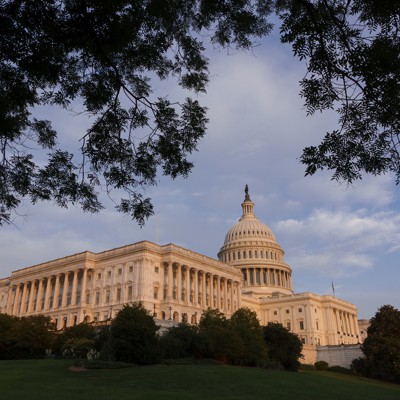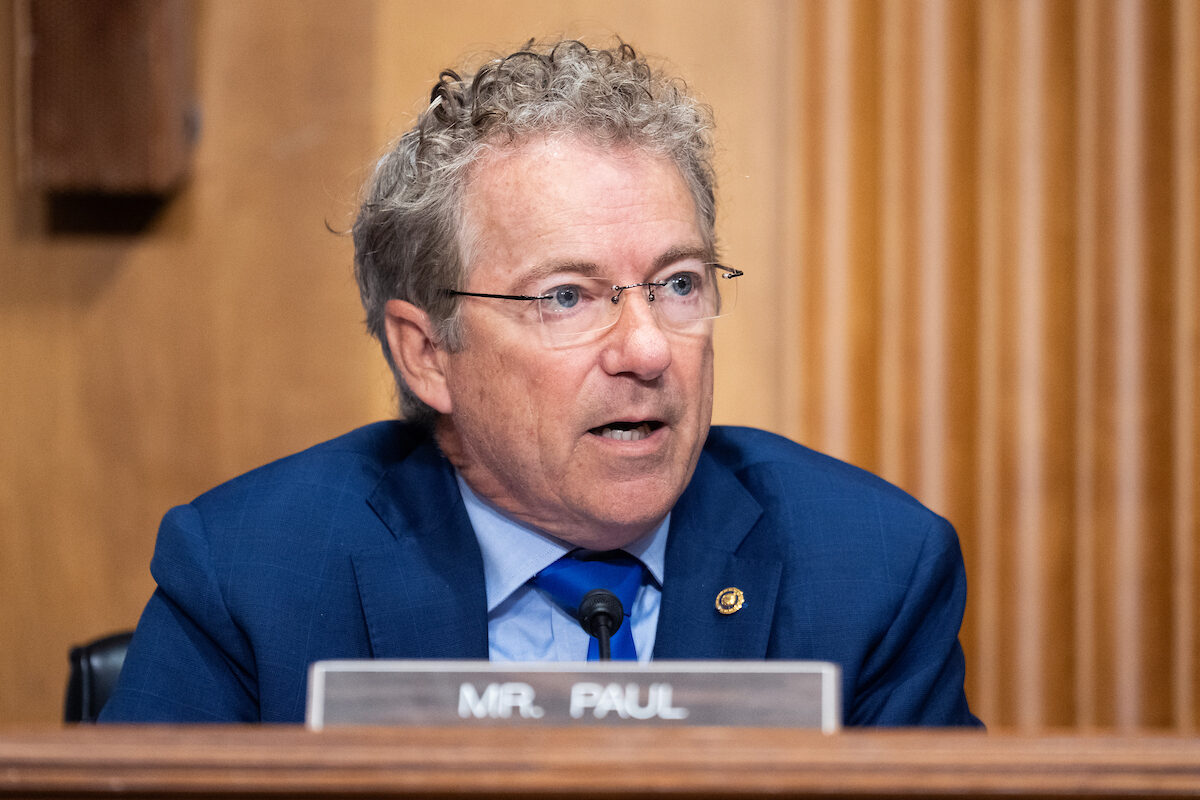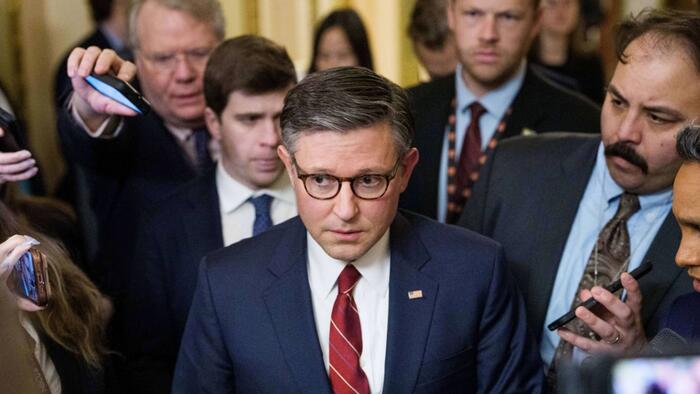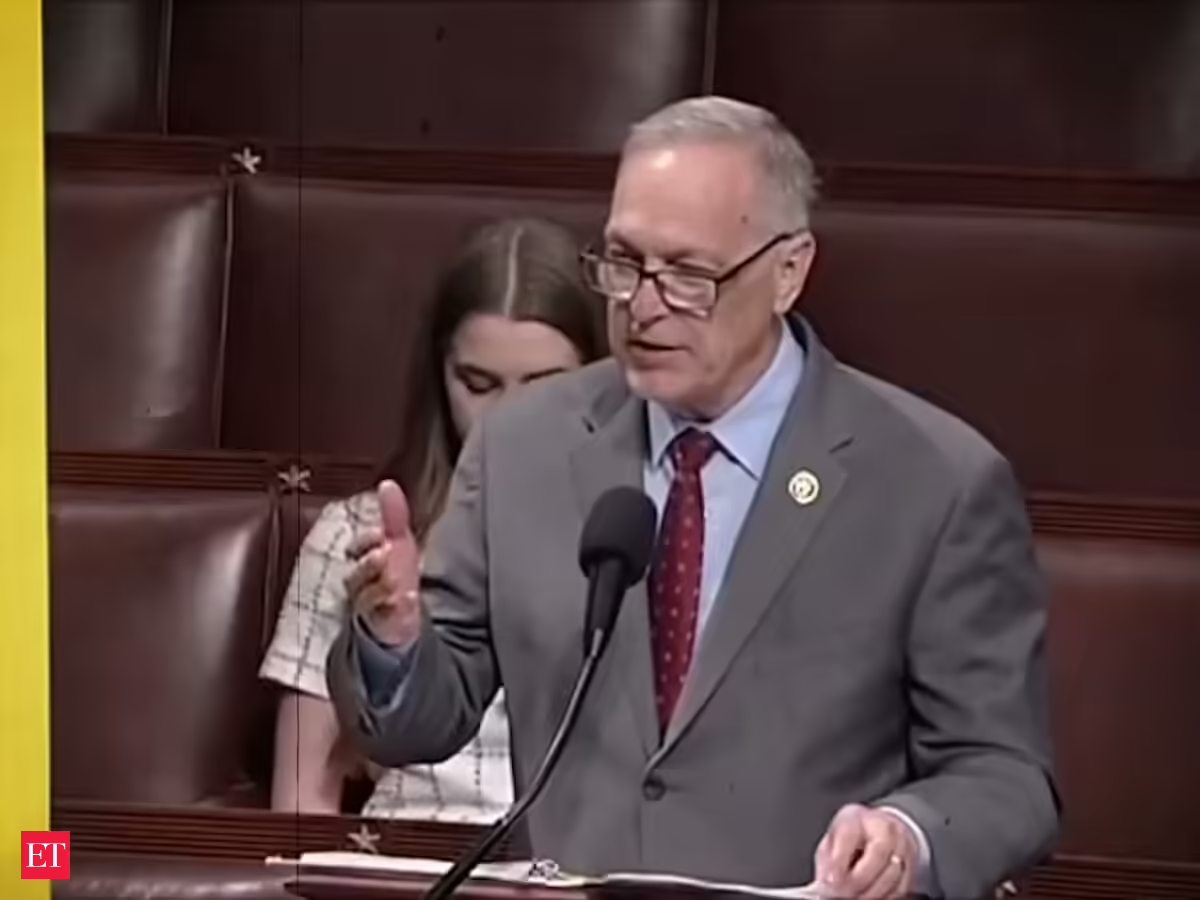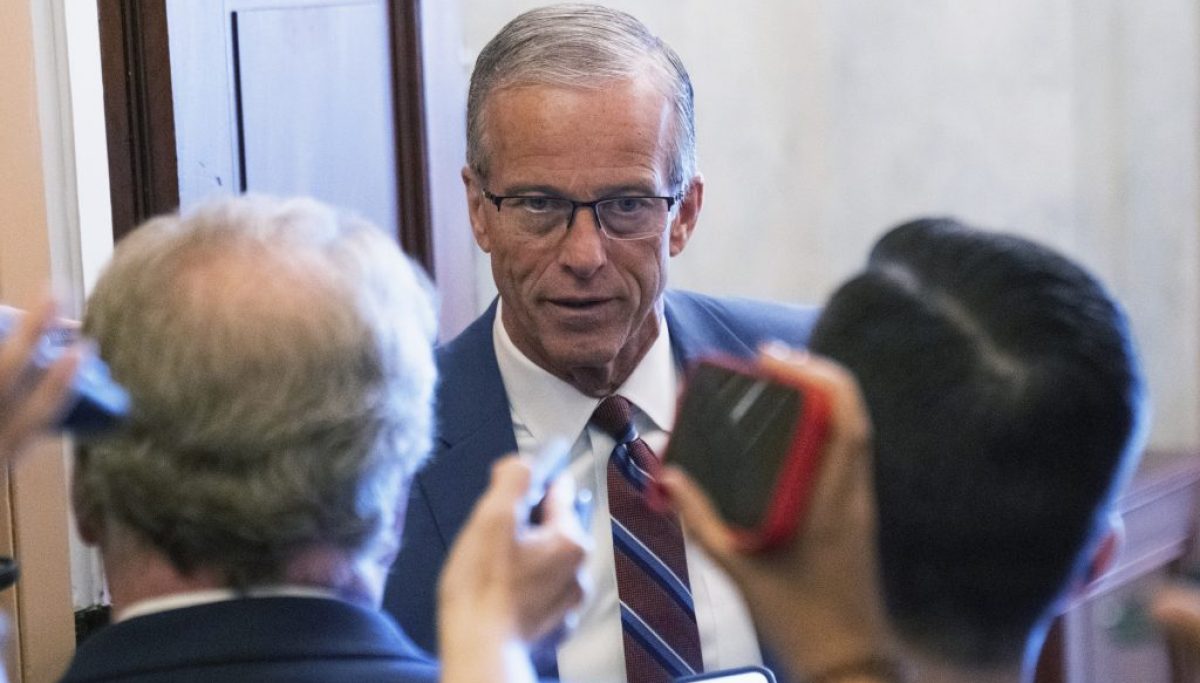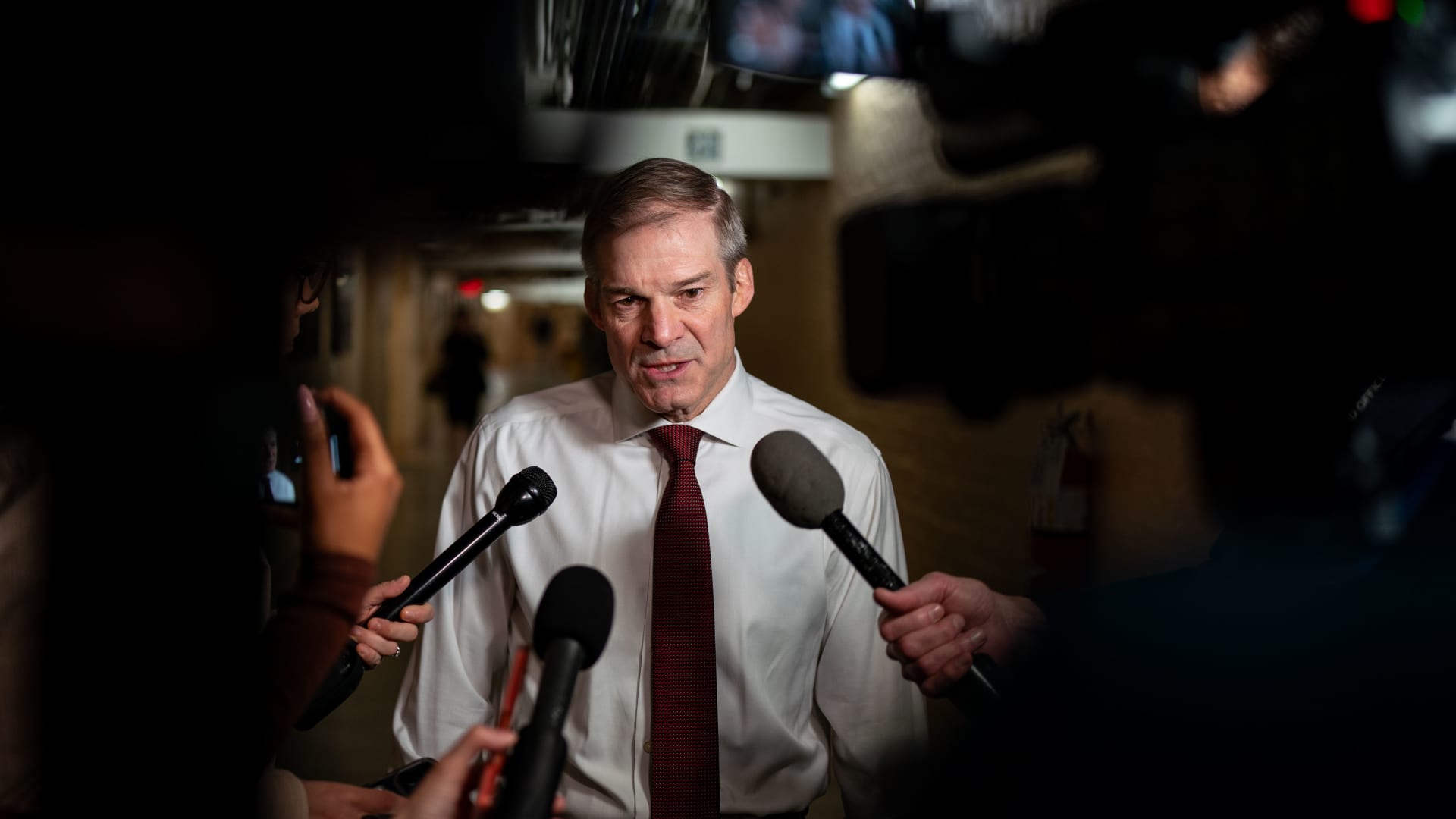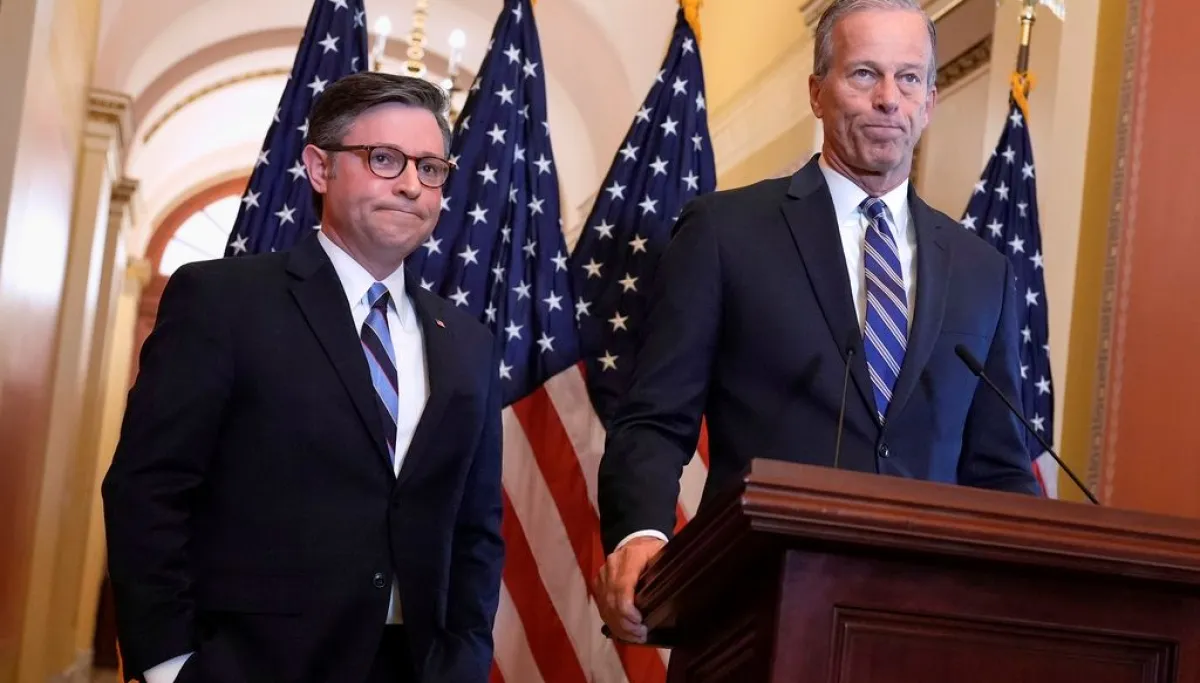
Congress keeps finding itself in the same place with Section 702 of the Foreign Intelligence Surveillance Act: up against a deadline, divided over reforms, and forced into last-minute decisions on a program everyone agrees is essential.This time, the deadline is not theoretical. On April 30, Congress passed a 45-day extension only hours before Section 702 was set to lapse, pushing the next deadline to June 12. It was already the second short-term extension in 10 days. That is no way to govern one of the most sensitive intelligence authorities in American law.Now the debate has a warning sign: President Donald Trump’s decision to name Bill Pulte, a housing official with no evident intelligence or national-security background, as acting Director of National Intelligence. The issue is not only Pulte. It is whether Congress should keep writing surveillance law as if every future official overseeing it will be experienced, restrained, and trusted.
WHITE HOUSE URGED TO ENGAGE AS BILL PULTE PICK THREATENS TO DERAIL SPY POWERS RENEWAL
Congress should stop treating reauthorization as a once-every-few-years standoff and move to a shorter, recurring authorization period, paired with enforceable safeguards and regular reporting. A two- to four-year cycle would preserve the tool while making oversight continuous.