Story audio is generated using AI
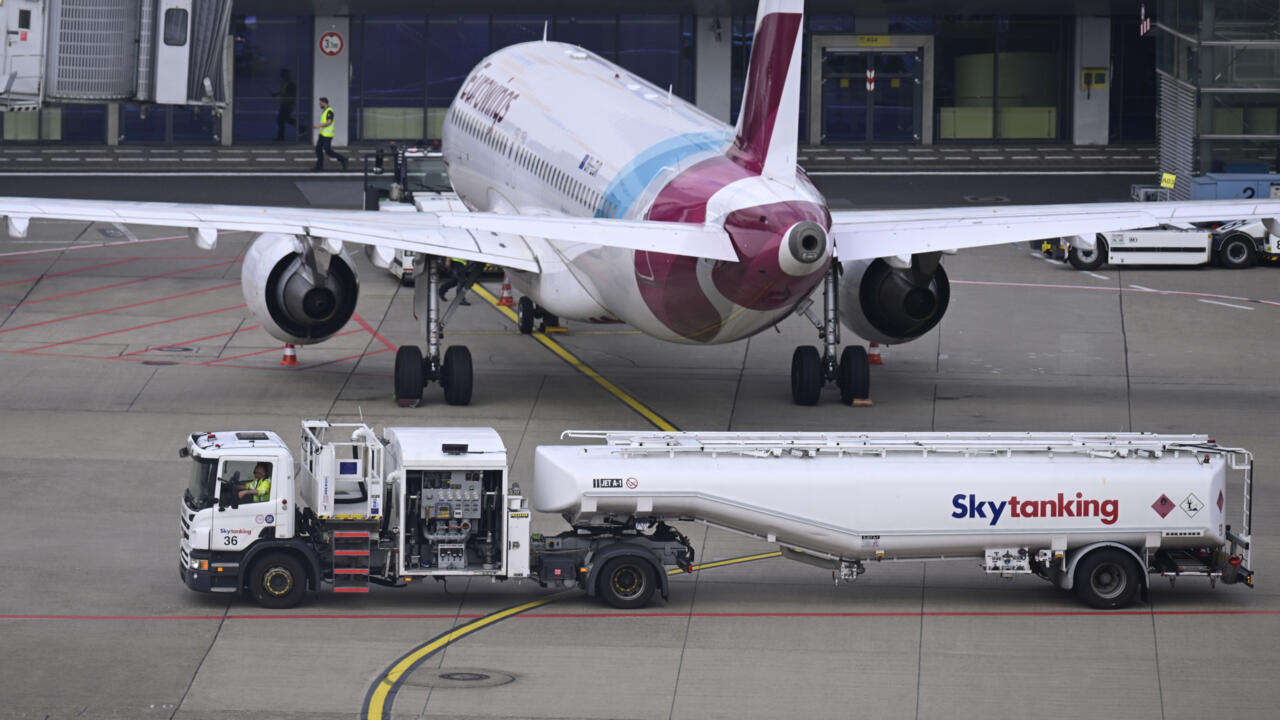
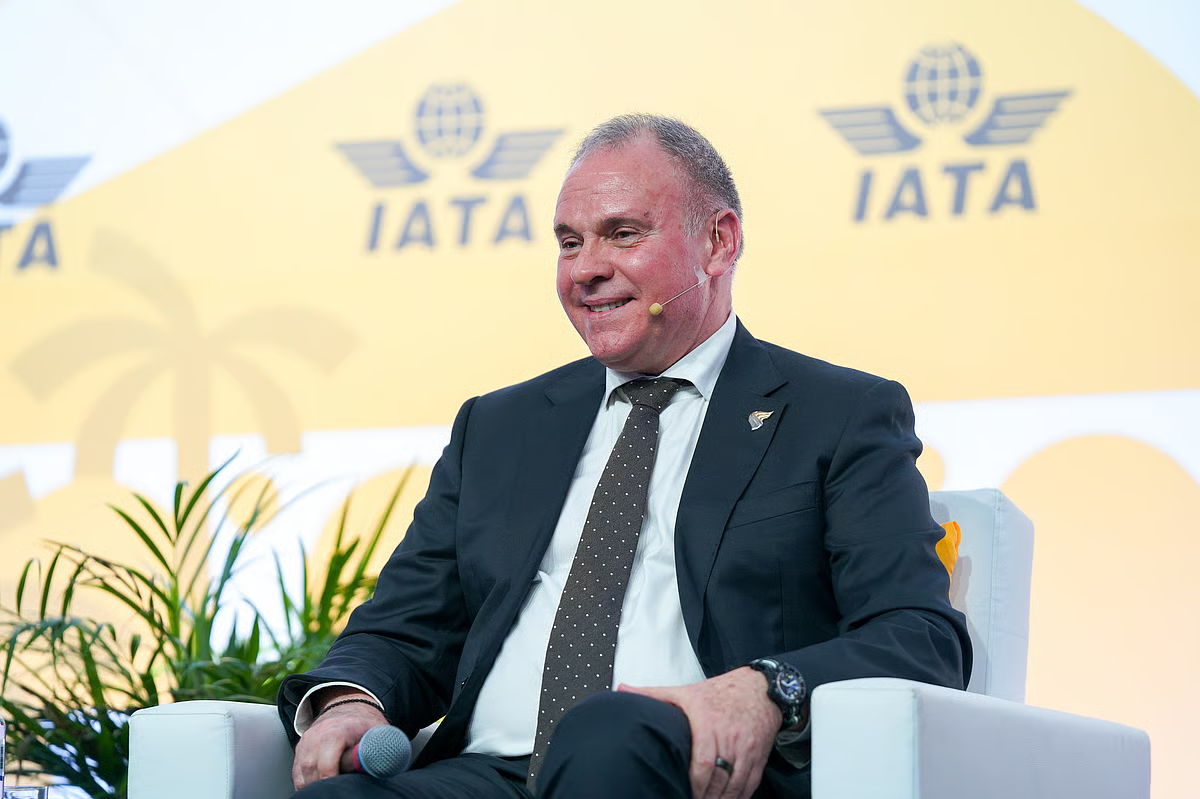
Airlines are bearing the brunt of the fuel price shock created by the war in the Middle East, and South African carriers are not immune to the impact.Despite having to increase air fares in response, airlines are still absorbing part of the fuel price hike in their own bottom lines, according to Willie Walsh, director general of the International Air Transport Association (Iata). The association, which represents more than 370 airlines, accounting for about 85% of global air traffic, expects jet fuel prices to average $152/barrel for 2026, an increase of almost 70% on the $90 in 2025.The oil price shock has tested airline financial resilience, as net margins have been squeezed to 2.0% globally, according to Iata’s senior vice-president, sustainability and chief economist, Marie Owens Thomsen. The rise in the price of jet fuel is responsible for increasing the share of jet fuel in total operating expenses to 31.4% in 2026, up from 25.4% in 2025. Net profit per passenger is expected to fall to $4.50, half of what it was last year.She pointed out that, traditionally, Africa pays on average 20% more for its jet fuel than other regions. “Africa has complicated distribution systems and a lack of collaboration,” explains Owens Thomsen. “We usually see airlines take 50% of a fuel price increase and pass on the rest to customers.”Owens Thomsen thinks the impact of the higher aviation fuel prices — coming against a backdrop of what she calls a hyper-competitive environment for airlines — will linger longer, as there was already a refining crisis before the conflict in the Middle East started. Furthermore, refining capacity is unevenly distributed across the globe.A local example is that of low-cost airline FlySafair, which introduced its Dynamic Fuel Surcharge in March in response to the spike in fuel prices due to the outbreak of conflict in the Middle East. However, the airline recently announced a reduction to the surcharge, taking it to 40% below the peak reached in late March. This was because, in recent weeks, both the availability and cost of Jet A1 fuel had improved.Kamil Alawadhi, Iata’s regional vice-president for Africa and the Middle East, suggests that Africa should consider increasing its storage capacity.Aaron Munetsi, CEO of the Airlines Association of Southern Africa (AASA), told Business Day on the sidelines of the IATA AGM that the security of aviation fuel supply is a big issue, but there is no reason to panic.“We are not likely to see aviation come to a standstill in South Africa. AASA’s co-ordination with minister of transport Barbara Creecy is very open and accessible,” said Munetsi. “Airlines’ schedule integrity depends on the security of fuel supply. So, if governments suspect there might be a glitch, they need to inform us as soon as possible so that we can inform our airline members.”He says that, so far, the South African government has been open about the fuel situation. There is also a fuel forum that brings all role players together, including airlines, airports, and fuel suppliers.One way of helping to secure supply, in his view, would be to build gantries for storage at airports. He says fuel suppliers are willing to pay for such construction and then find payment solutions with the airlines and airports.Walsh does not see the current situation as a crisis when compared to the Covid-19 pandemic when, for example, 95% of air traffic was lost in May 2020. At the same time, he acknowledges the fuel price impact is going to be very challenging for a lot of airlines, determined by their ability to respond to higher fuel bills.And even if the Strait of Hormuz were to reopen, the fuel price would not fall all at once, as it depends on various factors, including insurance costs. Iata predicts jet fuel prices will stay elevated at least through this year, potentially even longer.“This type of crisis has led to innovation in the past, and maybe now it will encourage the creation of new energy sources,” said Owens Thomsen.Carin Smith is a freelance journalist and is attending this event as a guest of Iata Business Day