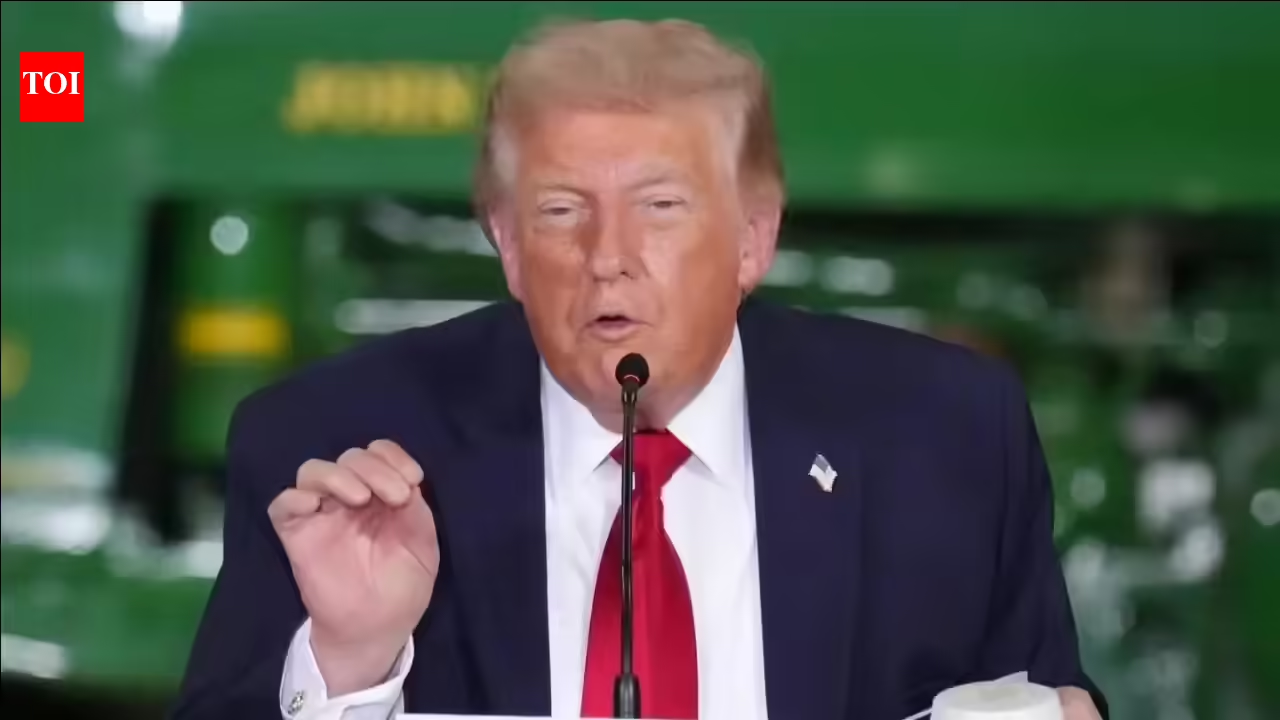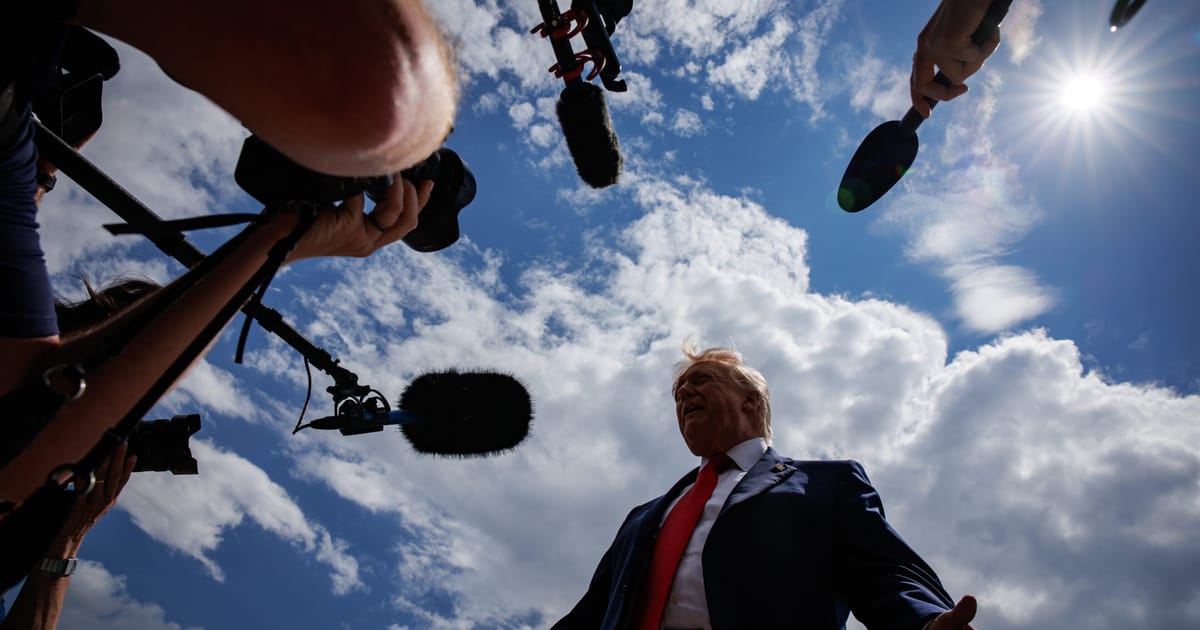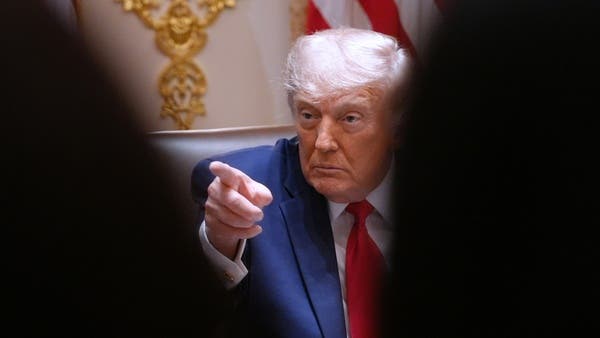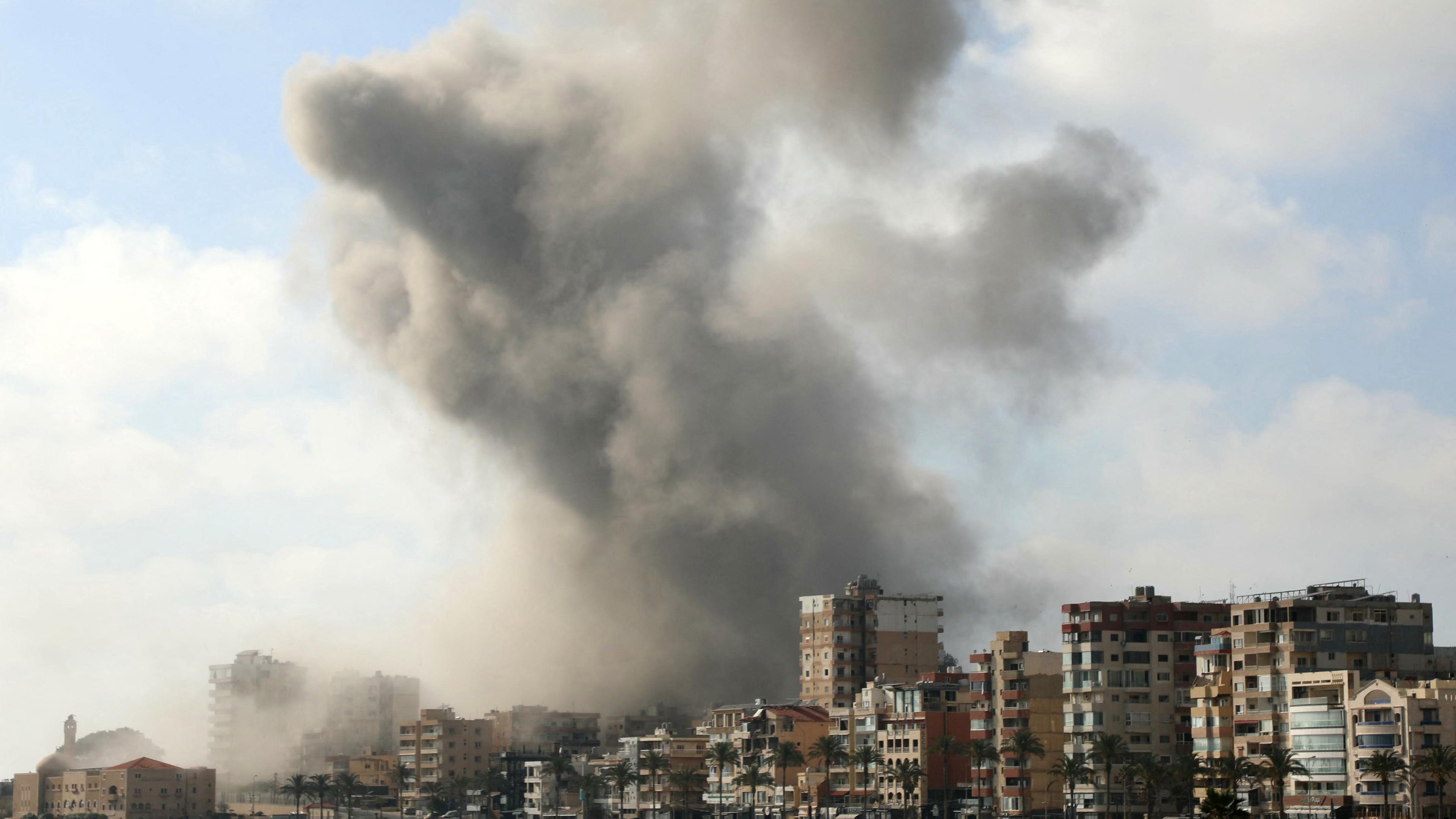
President Donald Trump said Israel and Iran “must immediately stop shooting” early Monday morning after the two countries launched a series of strikes at one another.In a follow-up message, the U.S. President claimed both sides “are looking to do an immediate cease-fire.”“Final negotiations on ‘peace’ are proceeding, subject to ignorance or stupidity getting in its way,” he said in a Truth Social update, noting that “things should move quickly.” He added that the U.S. blockade of Iranian ports in the Strait of Hormuz will remain in place until a deal is finalized.The Iranian military has since reportedly announced an end to its attacks on Israel, according to an update from the state’s semi-official Fars news agency.Over the weekend and continuing into Monday morning, Israel and Iran engaged in the worst exchange of strikes since the fragile cease-fire came into effect in April. Israel struck a petrochemical plant in Mahshahr, southwestern Iran, that it said was “used by the armed forces of the Iranian terror regime to produce and export raw materials for weapons production."Iran's Islamic Revolutionary Guard Corps (IRGC) said it had retaliated by launching strikes on a petrochemical plant in Haifa, northern Israel, according to a statement delivered by Iran’s semi-official Tasnim news agency.The trade of hostilities followed the Israel Defense Forces (IDF) launching strikes on the Lebanese militant group Hezbollah in Beirut over the weekend. The course of action came just days after Hezbollah, an Iran-backed Shi‘ite Muslim group, rejected a cease-fire proposal agreed upon by Israel and Lebanon in U.S.-led negotiations.In a call with Fox News on Sunday, Trump had voiced concern over the Israeli strikes on Beirut, stating he was “not happy about it” and emphasizing that the U.S. were not involved.The continued exchange of fire between Israel and Hezbollah, and now the involvement of Iran, casts a shadow over the progress of Washington-Tehran peace negotiations. Iran has maintained its position that any cease-fire with the U.S. must include the halt of Israeli strikes in Lebanon.Esmaeil Baghaei, Iran’s Foreign Ministry spokesperson, on Monday said that Tehran was speaking with Washington amid an atmosphere of extreme suspicion.World leaders urge restraint as Israel and Iran trade worst strikes since AprilGlobal leaders have responded to the renewed missile exchanges by urging extreme caution and demanding a return to diplomatic negotiations.“It is really important that all parties get back to a cease-fire. There are serious negotiations going on, towards a lasting peace,” said British Prime Minister Keir Starmer in a statement shared with TIME. “This conflict is already having a huge impact across the world, including here in the United Kingdom,” he emphasized, pointing to the global fallout of the hostilities. “So I say to all parties, we all have a responsibility to get back to that cease-fire, and it’s really important we’re very clear about that."U.K. Foreign Secretary Yvette Cooper delivered a similar warning, stating that “the resumption of conflict between Iran and Israel is in no one’s interest. Both sides must show restraint and de-escalate immediately.”Pointing to Iran’s continued choke hold over the Strait of Hormuz, a crucial passage through which around a fifth of global oil production flows, she also called for the “full restoration of global trade.”Spanish Foreign Minister José Manuel Albares condemned the breakdown of the already fragile cease-fire.“Resorting to violence once again will bring even more suffering,” he said. “An immediate de-escalation is necessary. There is no military solution in the Middle East.”Canadian Foreign Minister Anita Anand also encouraged “a return to dialogue to advance a diplomatic solution,” indicating only that can lead to a “lasting peace, regional stability, and indeed global security.”The European Commission’s Foreign Affairs chief Kaja Kallas implored: “I think the region does not need escalation, but actually that parties sit down to a negotiation table and agree.”She advocated for “stopping this war right now, opening the Strait of Hormuz, and then using the time for longer discussions when it comes to the more difficult topics like nuclear.”Qatar’s Foreign Ministry said its country's leaders had shared a call Iran’s Foreign Minister Abbas Araghchi, during which they “reaffirmed the State of Qatar's support for all efforts aimed at containing escalation and reaching a comprehensive agreement that would help strengthen security and stability and achieve lasting peace in the region.”Oil prices soar amid renewed hostilitiesThe fresh wave of attacks between Israel and Iran once again pushed oil prices up sharply on Monday morning. Brent crude oil soared to $97.8 per barrel, up from $92.9 per barrel at closing time Friday. The impact of the Iran war causing market instability and energy price spikes has been felt globally.In the U.S., the price of gasoline has risen significantly since the start of the war, sitting at a national average of $4.16 per gallon on Monday, according to the American Automobile Association—up from $2.98 per gallon before the conflict. Trump has received criticism over the rising costs which land during an affordability crisis in America. But in an interview with NBC’s Meet the Press on Sunday, the President again doubled down on his long-argued response that once the Iran war has reached “completion,” then “the oil will go down.”
Trump Demands Israel and Iran 'Stop Shooting’ as World Leaders Urge Restraint Amid Renewed Hostilities
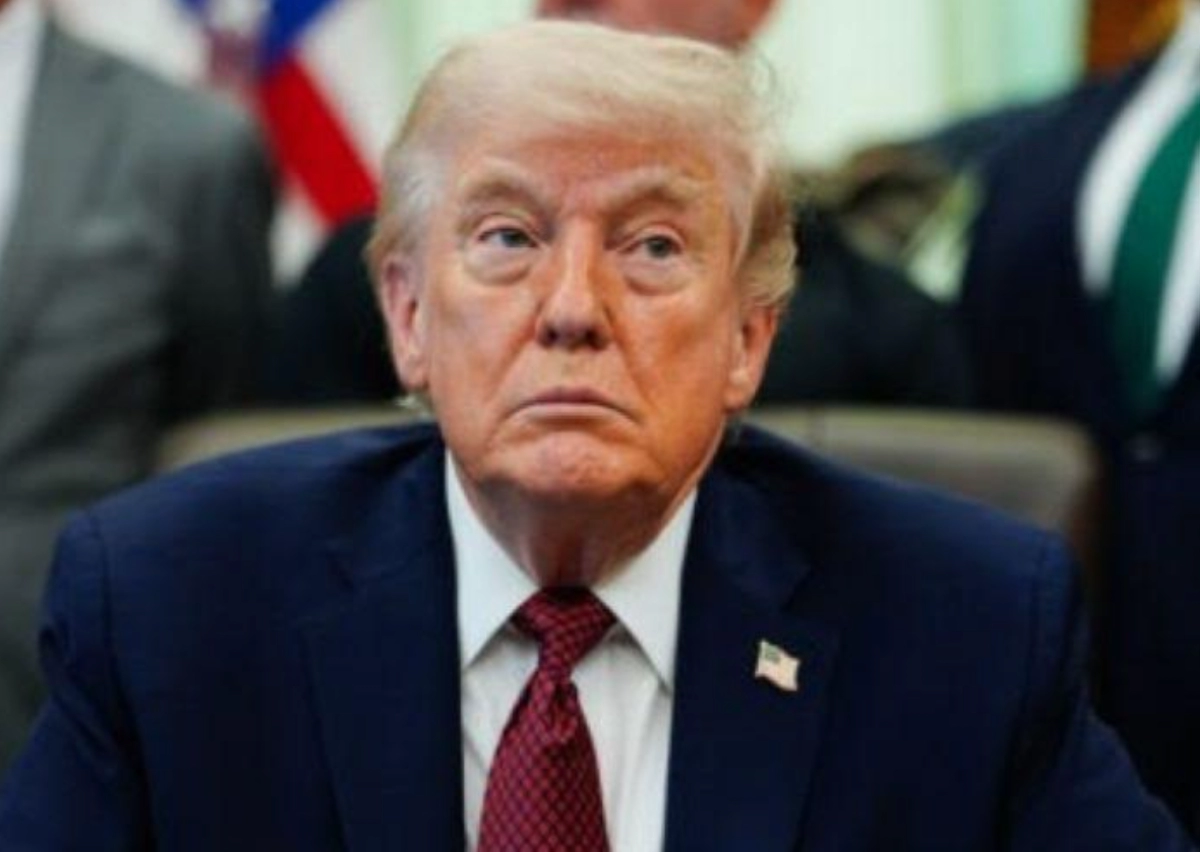
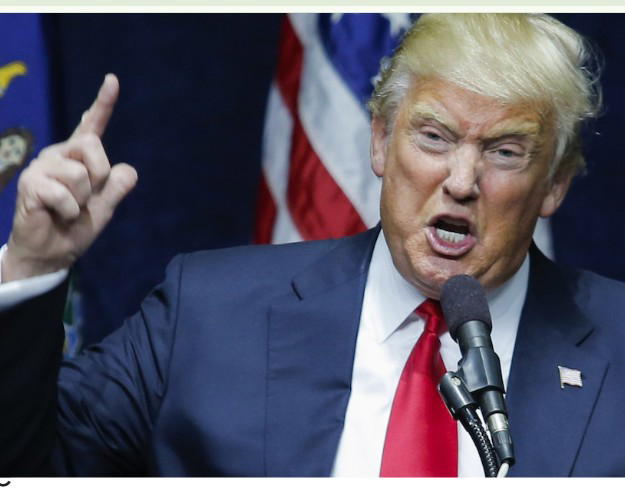
The U.S. President also claimed Monday morning that "final negotiations on ‘peace’ are proceeding, subject to ignorance or stupidity getting in its way."
853 words~4 min read