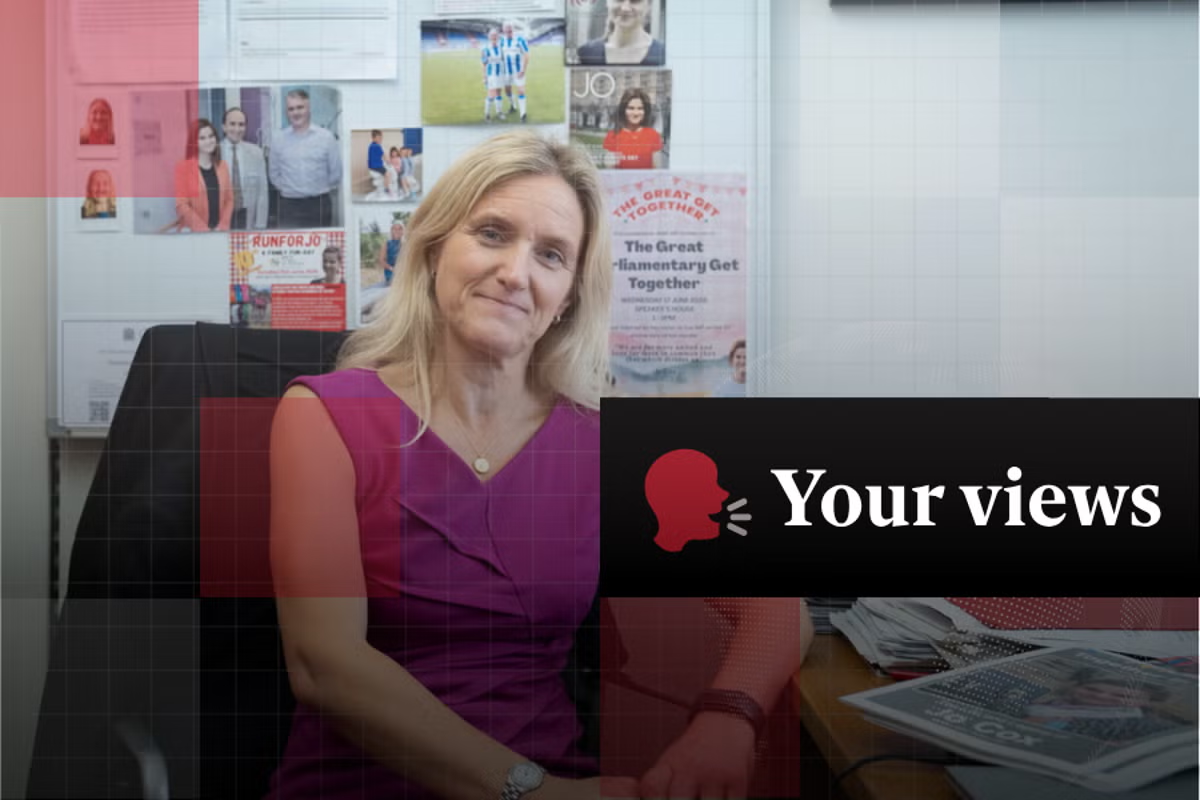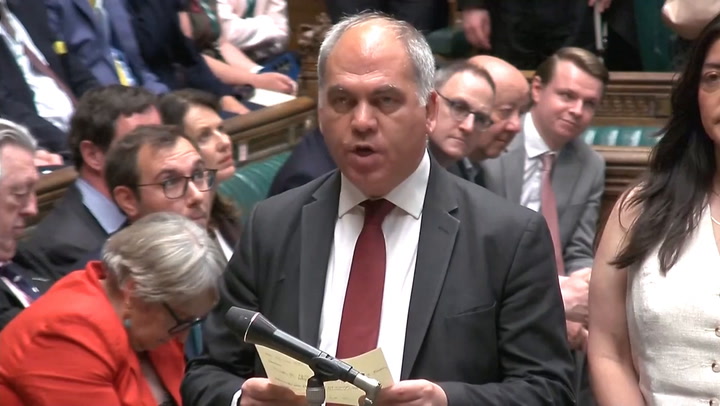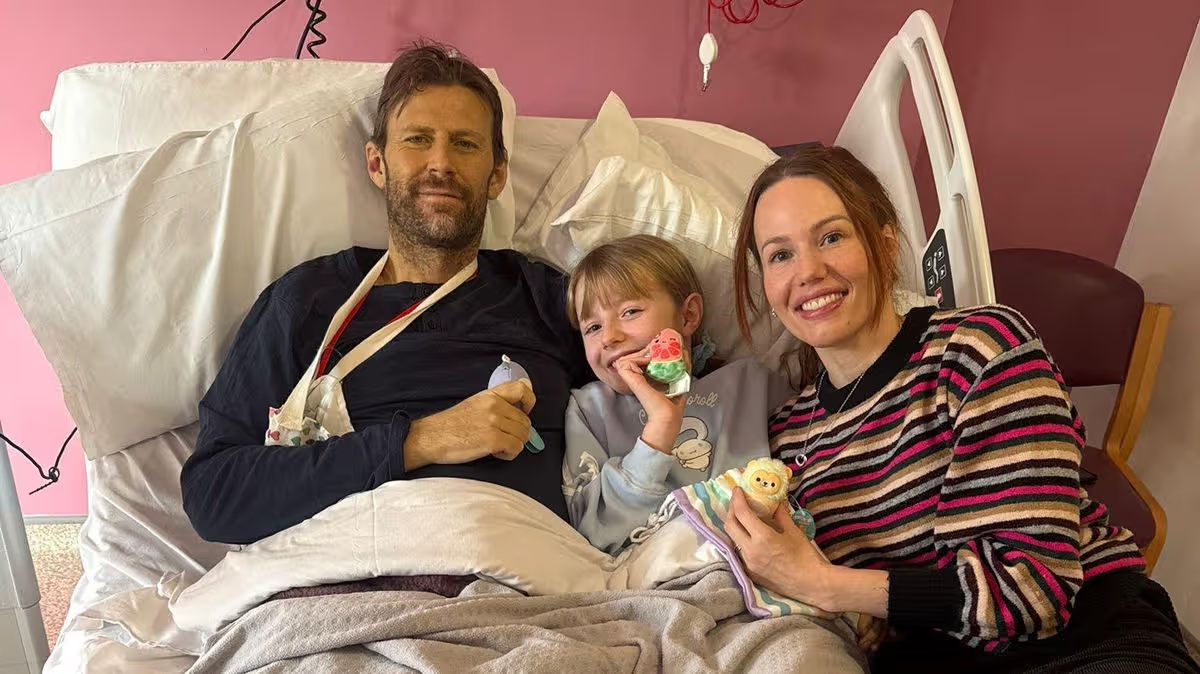
As MPs prepare to debate a petition after The Terminally Ill Adults (End of Life) Bill ran out of parliamentary time, one widow has opened up on the harrowing final days of her husband's life13:22, 08 Jun 2026Updated 13:23, 08 Jun 2026A grieving widow has laid bare the horrific reality of her husband's final hours as MPs prepare to debate a massive 114,000-signature petition today.Parliament will hold a debate this afternoon (June 8) following public fury over the collapse of the Assisted Dying Bill. The legislation was passed overwhelmingly by elected MPs last year, but ended up running out of time after unelected peers in the House of Lords used stalling tactics to run down the clock.For Liz Wilson, today's debate is about providing basic human dignity. Her husband John, a 43-year-old quantity surveyor from Coventry, died in March after a gruelling battle with terminal bowel cancer that included 75 rounds of chemotherapy.Their nightmare began during the 2020 lockdown when John began to constantly need the toilet. At first, the couple assumed it was something minor, and doctors initially dismissed his symptoms as constipation during telephone consultations.But the couple knew something was seriously wrong. "We kept going back to the doctors, getting the same answer," she said. "Then one weekend, John became so ill we ended up in A&E. He started losing a lot of weight. He stopped being able to eat and he was in a lot of pain."By the time John went private for further tests, the devastating truth emerged. A colonoscopy found a tumour in his bowel and scans revealed the cancer had already spread to his liver. He was diagnosed with stage four bowel cancer in August 2020.Doctors told the couple treatment might give him two years if it worked. Instead, John fought for almost six. "He fought hard for that time," Liz said. "But I knew he wouldn't get better. That was the hard bit. Everything he was doing was just to get more time."Over those six years, John endured 75 rounds of chemotherapy and three major surgeries. He wrote down every treatment, every setback, every hospital visit as a way of coping, while Liz watched the man she loved slowly lose pieces of himself. "He was a strong, 6ft3 guy who could do anything," she said. "Gradually, everything was taken away from him. First he struggled to get out of bed. Then he couldn't move himself around. He couldn’t eat. It was like a form of torture for him."At home, life became about survival. Liz balanced caring for John with raising their two young children - Henry, now 12, and Rose, nine - while also working part-time to support the family financially."The emotional side is brutal," she says. "My family were incredible, but the majority of the parenting was on me. Every two weeks he would have another infusion. It felt like the world had crashed down."Even through the pain, John clung desperately to life. "He always wanted to stay for as long as he could," Liz says. "Even when he was mostly in bed, if he could still watch TV and chat to us, that was enough for him."But towards the end, everything changed. John spent his final weeks at The Myton Hospices, where Liz says staff gave the family extraordinary care. Yet despite the compassion around them, she believes palliative care could not remove all of his suffering. "People often say pain can be managed, and it can, but sometimes it can't," she says. "A big element of suffering is outside of pain. His abdomen was crushing. He was struggling to breathe. The last three days were pure hell."Liz has not only been left grieving her husband, who she had spent her life with for nearly two decades, but is now also suffering the psychological effects of seeing him spend his final days in agony. It is why Liz has become such a passionate supporter of the Assisted Dying Bill - which John campaigned for publicly in the final days of his life."I have PTSD from that," she admitted. "There are things I can't get out of my head. He used to say, 'I know I'm going to die, but I don't know how,'" she recalls. "That loss of control terrified him."John invited cameras from ITV into his hospice room shortly before his death to plead with politicians not to block the Bill which stalled in the House of Lords. Liz says speaking out was never about John trying to help himself."He knew it wouldn’t change anything for him," she says. "But he wanted to help other people. He always said if his suffering helped save even one person from getting to stage four cancer, it would be worth it."The couple's children have grown up watching their father fight to stay alive. Rose, just nine years old, spent as much time as she could at the hospice. Liz says her daughter now wants to raise money for the charity that cared for John in his final days."I think they'll look back and feel proud of what he did," Liz says. "John did everything he could for them."Still, the trauma of watching him die remains. "It's hard enough losing the person you love," she says. "But then I have these images of the end that keep me awake at night. That's added to the grief."John died on March 13 aged 43. Now, Liz hopes telling his story might force people to confront the reality many terminal cancer patients face behind closed doors. "I'd love members of the House of Lords to sit with families like ours for a few days and see what it's really like," she says. "No one is saying people have to choose assisted dying. It's about choice. It's about compassion."Sometimes I feel like I'm barely clinging on because of the grief," she admits. "But John was such a selfless person. We loved each other very much. And I know he'd want us to keep going."The future of assisted dying legislation remains uncertain, but campaigners hope the debate is not over. Peers are due to decide today whether the Terminally Ill Adults (End of Life) Bill can be carried over into the next parliamentary session, potentially allowing it to return to the House of Lords in September.It would be possible for the bill to be reheard if another MP agrees to submit it via another private members bill.The legislation was originally introduced by Labour MP Kim Leadbeater and would allow mentally competent, terminally ill adults in England and Wales who are expected to die within six months to seek medical assistance to end their lives, subject to strict safeguards. MPs backed the bill at Second Reading in November 2024 before approving it at Third Reading in June 2025, allowing it to progress to the House of Lords.However, the bill became bogged down in the upper chamber, where more than 1,200 amendments were tabled. Supporters accused some peers of attempting to delay or derail the legislation, while opponents argued it did not contain sufficient protections for vulnerable people. The bill ultimately ran out of time before completing its passage through Parliament.Article continues below
Grieving widow demands justice as assisted dying bill is debated in Parliament
As MPs prepare to debate a petition after The Terminally Ill Adults (End of Life) Bill ran out of parliamentary time, one widow has opened up on the harrowing final days of her husband's life
1,192 words~5 min read