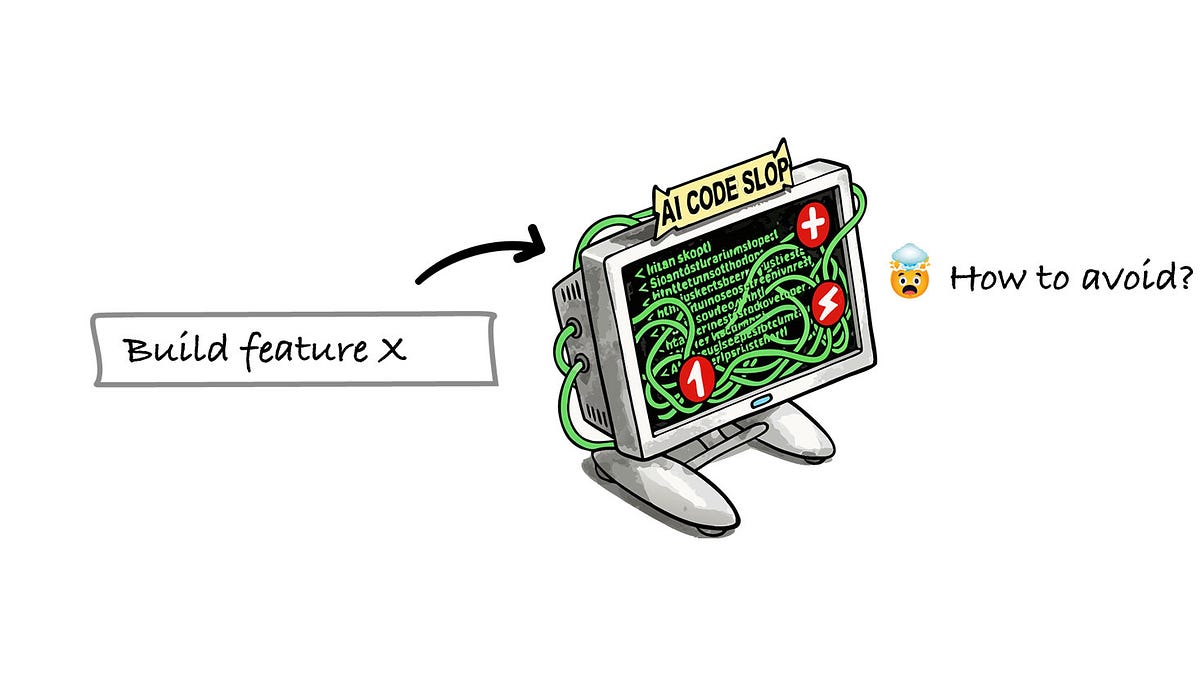
The faster your agents ship code, the faster slop accumulates. Here's why the solution isn't slowing down.
There's a version of the AI productivity story that goes like this: agents write the code, humans review the diff, everyone ships faster. Clean. Straightforward. Optimistic.
The problem is that the middle part — "humans review the diff" — doesn't scale at the same rate as the first part. Agent output has compressed. Human attention hasn't.
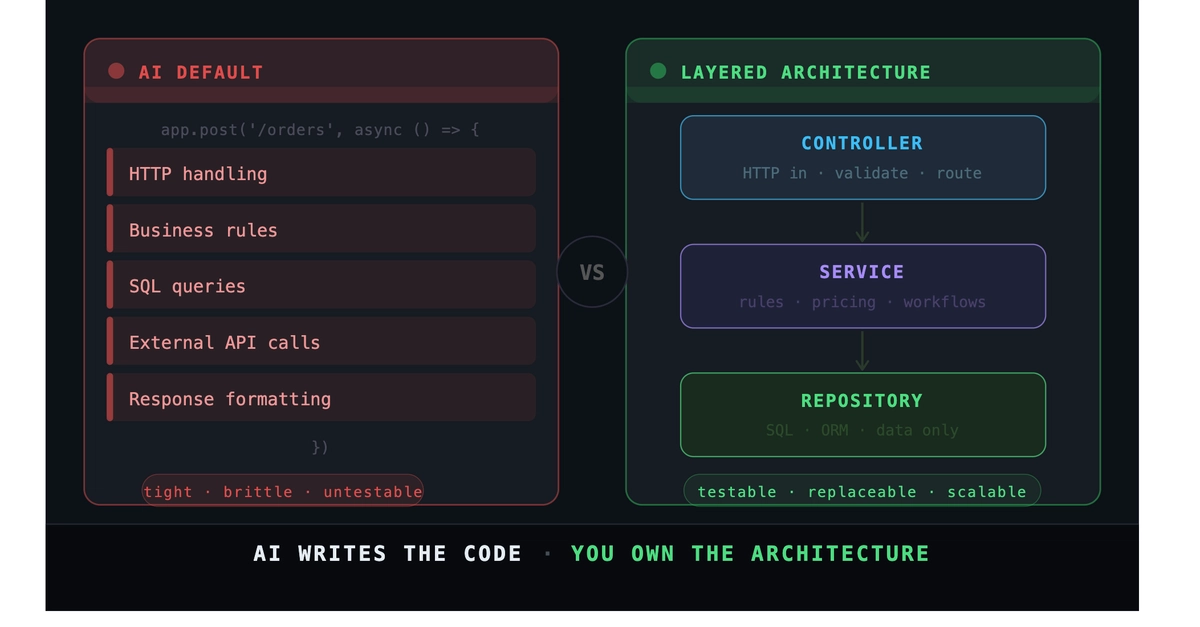
When a developer using Claude Code or Cursor can generate in an afternoon what used to take a week, the review queue doesn't empty faster. It fills up with bigger diffs, more files touched, more surface area to hold in your head at once. The execution layer has gotten faster. The judgment layer is the same size it was.
This is what we'd call the output layer problem: the gap between how fast code is produced and how thoroughly it can be evaluated. And it's where a surprising amount of slop quietly enters production.