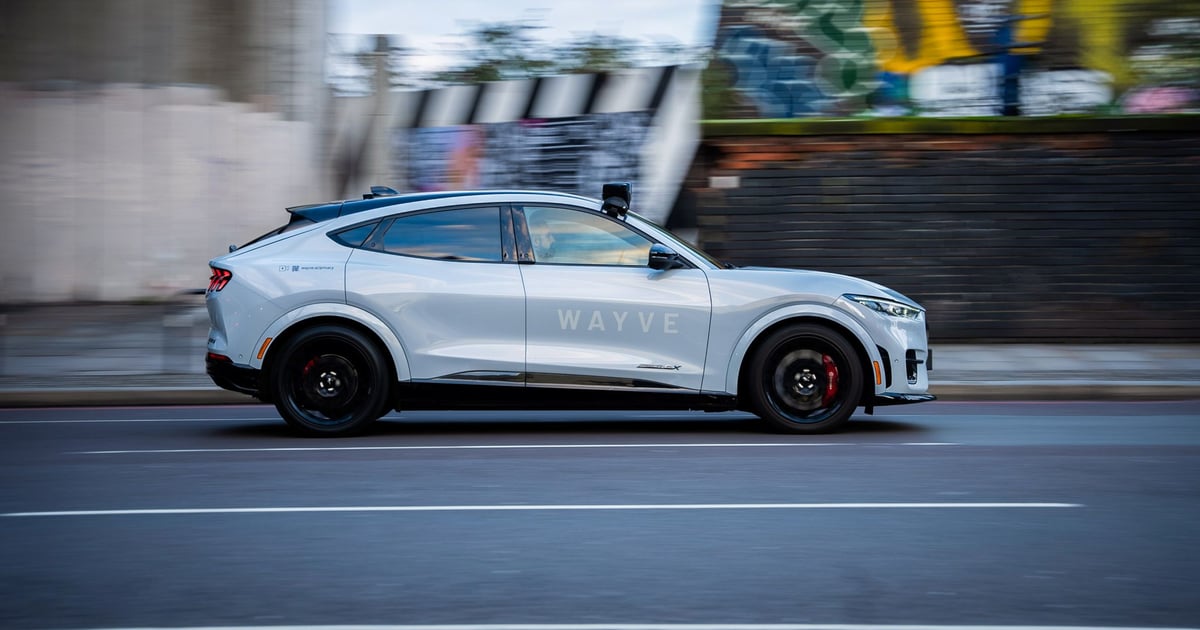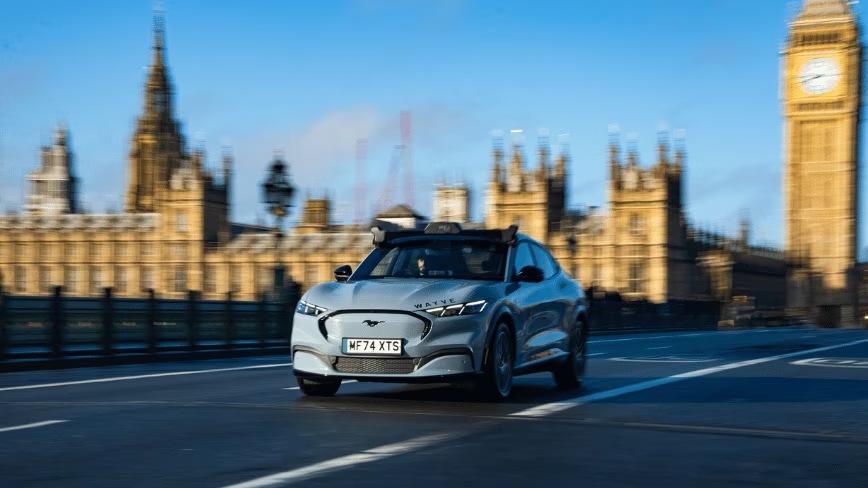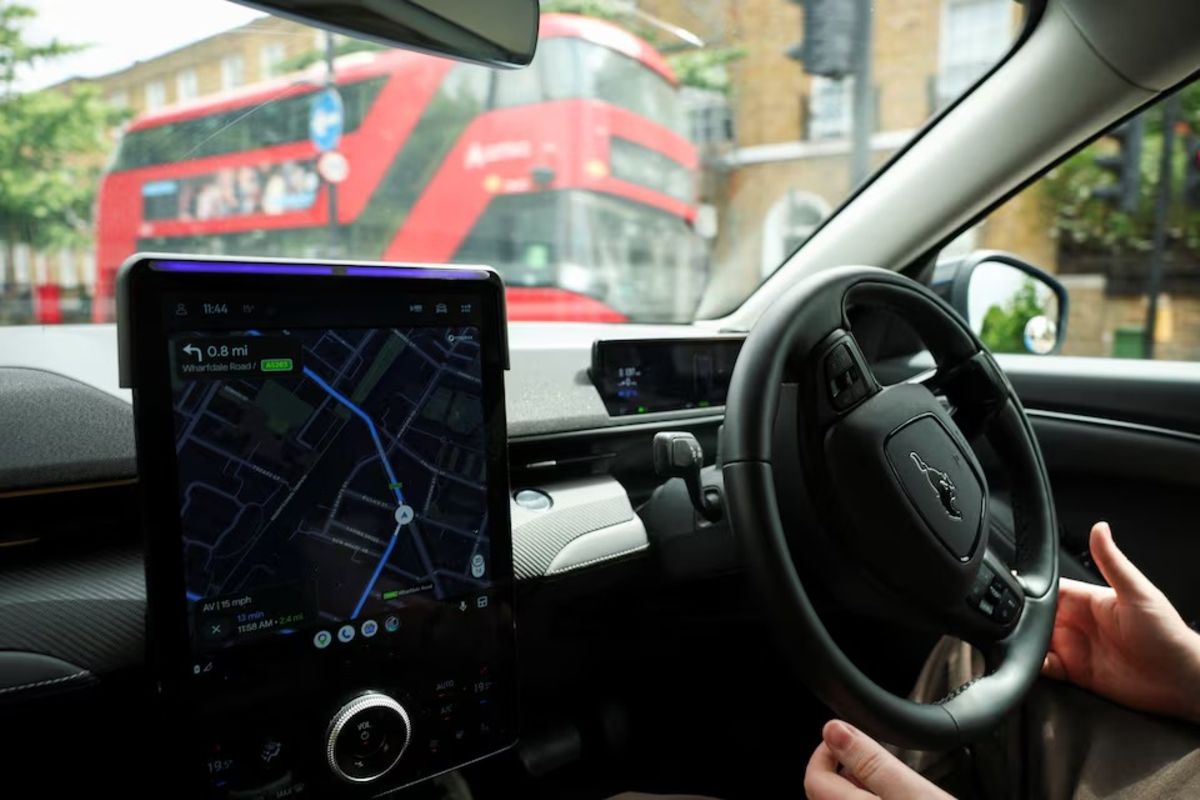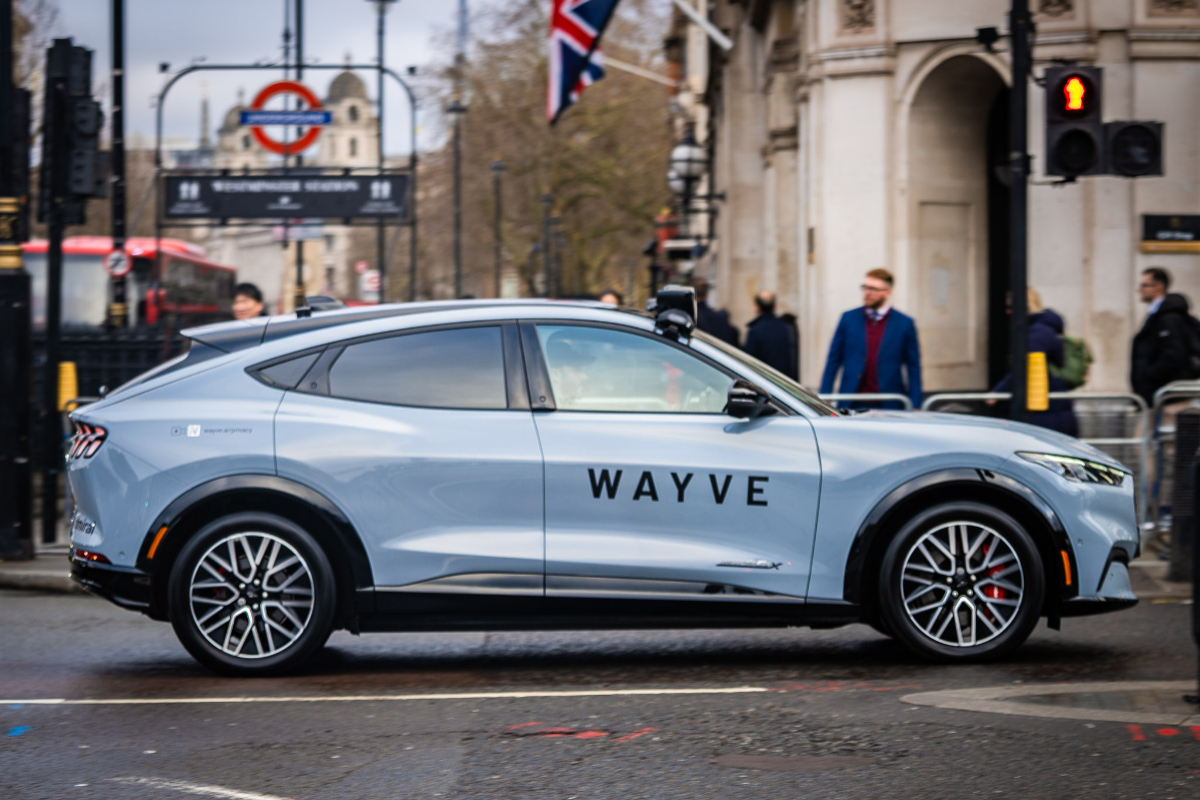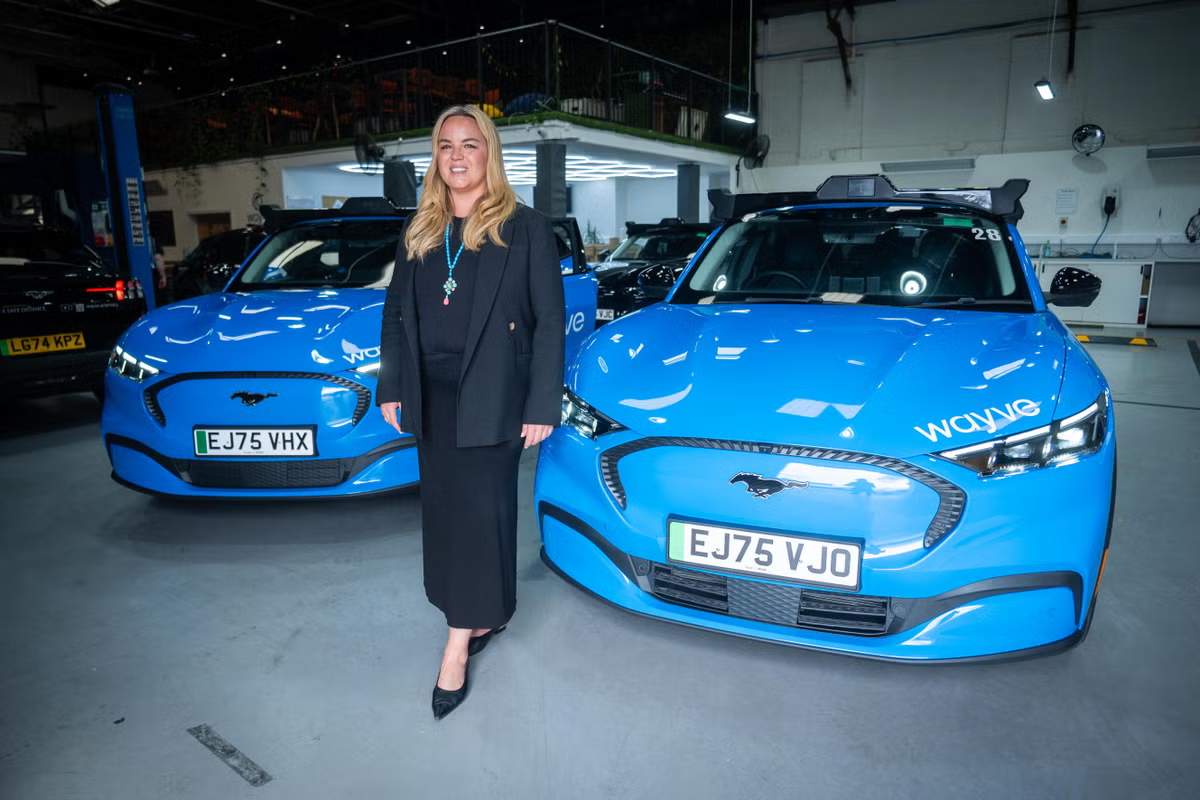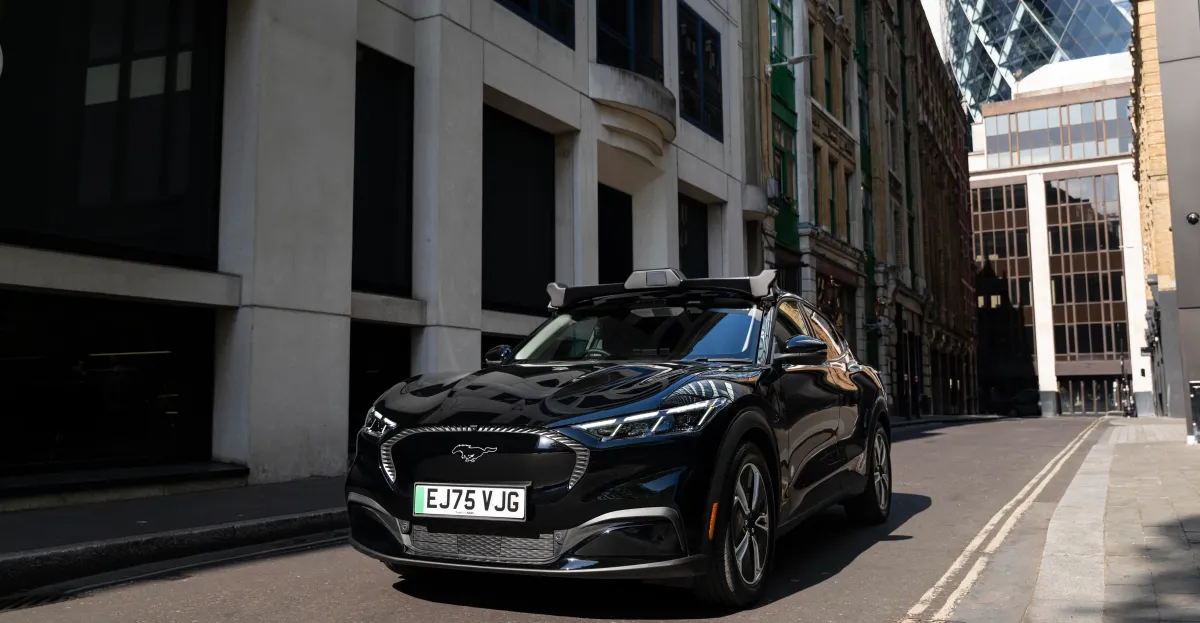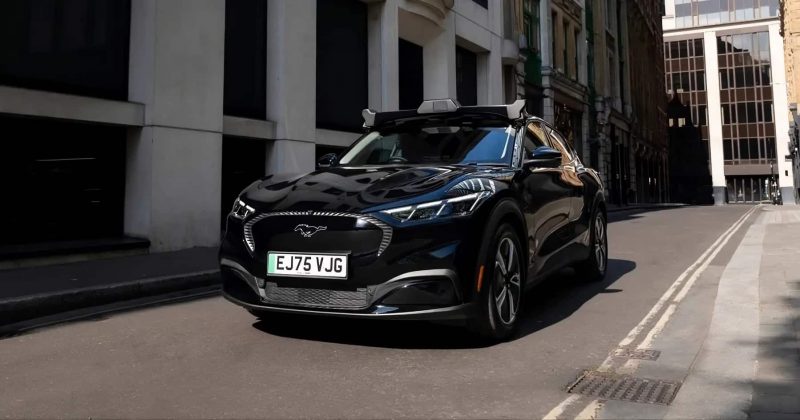
SynopsisLondoners can now sign up for a chance to experience the city's first robotaxis. Uber is partnering with British start-up Wayve to offer rides powered by advanced AI technology. These autonomous vehicles will operate like regular Uber services. Regulatory approval is anticipated in the coming months. This initiative aims to establish the UK as a leader in autonomous innovation.AgenciesUber said its users could sign up from Monday for a chance to ride in London's first robotaxis powered by AI technology from British start-up Wayve as soon as regulators give the go-ahead for launch, which it expects in the coming months. Autonomous vehicles are a strategic priority for the ride-hailing company, and it has partnered with more than 30 firms across the world on self-driving freight, delivery and taxi services, with millions of autonomous trips already taken. In London, it is working with Wayve to launch services that will work as regular UberX, Uber Electric or Uber Comfort, except the vehicle will be driven by AI. "This is the first time the general public will be able to hail an autonomous vehicle in the UK," Wayve's VP of commercial and operations Kaity Fischer said in an interview. There would be a trained operator sitting behind the wheel monitoring the system, she said, but users can expect to be taken from pick-up to drop-off with no human intervention. Fully driverless operations are planned to begin in the future, the partners said. Uber said riders would be able to sign up to an interest list ahead of the launch. "Together, with Wayve, we're bringing a new way to ride in London while helping establish the UK as a global hub for autonomous innovation," said Annie Duvnjak, Uber's Global Head of Autonomous Mobility Operations. Customers matched with a Wayve autonomous ride can choose to accept or switch to a conventional service, she said, adding that the AV ride will not incur any additional costs. The Ford Mustang Mach-e vehicles, branded Uber x Wayve, have surround cameras and radar that provide data that is processed in the vehicle. The technology has been tested on London roads since 2018, Fischer said. The vehicle seamlessly coped with heavy London traffic - buses pulling in and out, cyclists swerving through cars and pedestrians stepping onto crossings - in a test ride taken by Reuters. (Join our ETNRI WhatsApp channel for all the latest updates)...moreElevate your knowledge and leadership skills at a cost cheaper than your daily tea.Subscribe Now
Uber opens sign-ups for London 'robotaxis' ahead of launch 'in months' - The Economic Times
Londoners can now sign up for a chance to experience the city's first robotaxis. Uber is partnering with British start-up Wayve to offer rides powered by advanced AI technology. These autonomous vehicles will operate like regular Uber services. Regulatory approval is anticipated in the coming months. This initiative aims to establish the UK as a leader in autonomous innovation.
410 words~2 min read