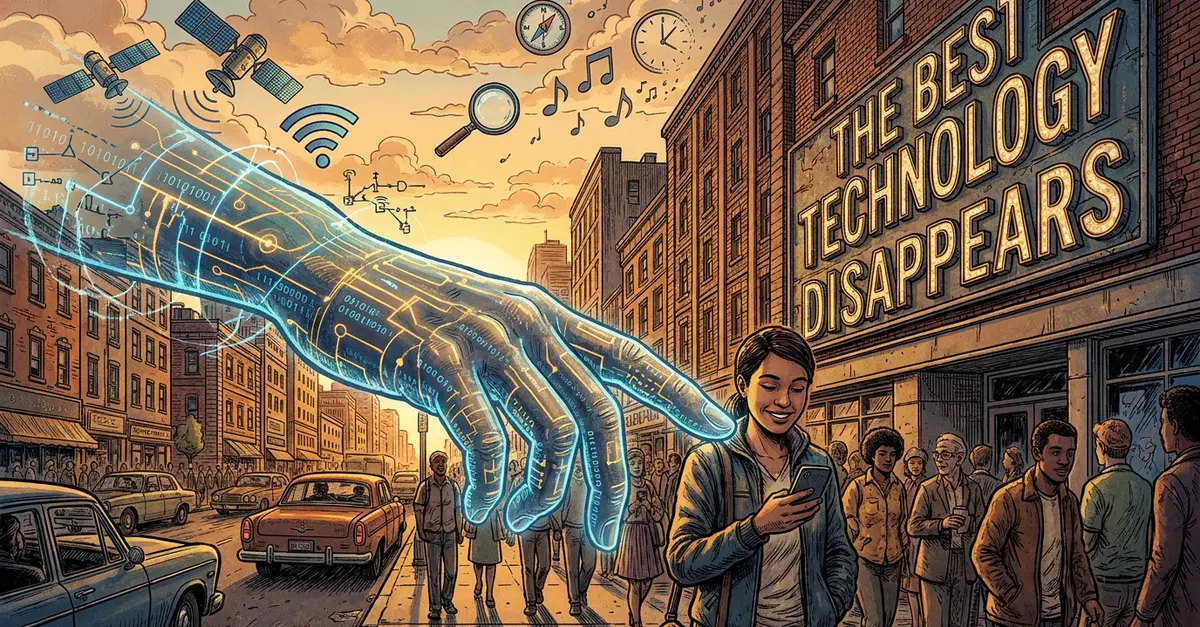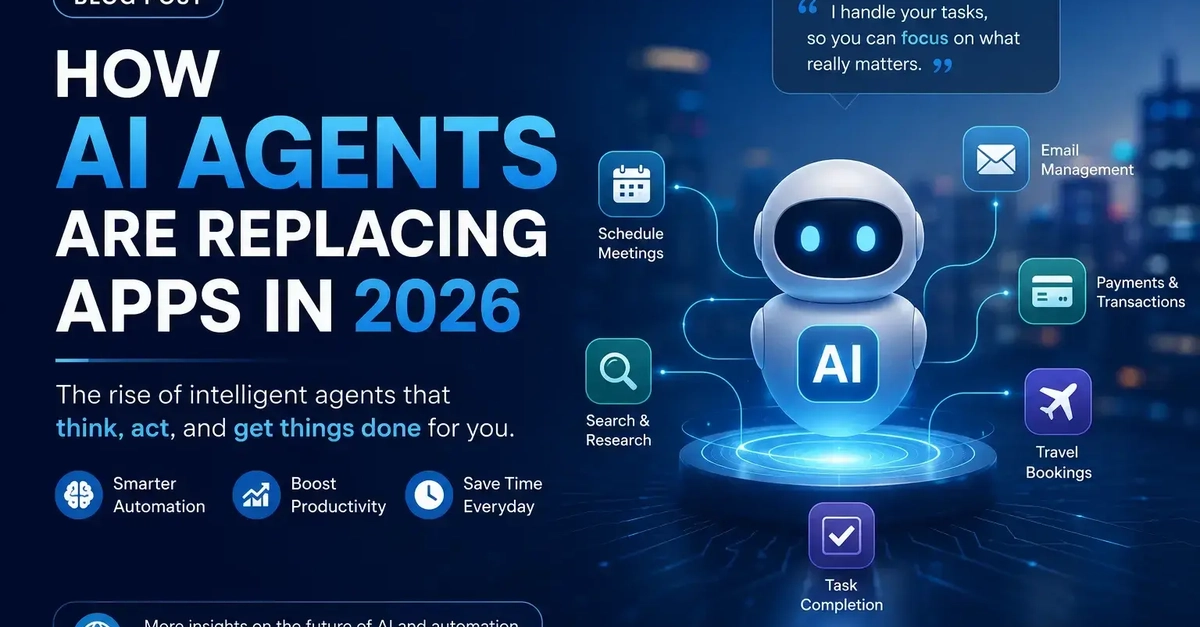
The app on your phone that you opened this morning, the one you use to check the weather or scan a receipt or convert a file format, may be one of the last of its kind. Not because it will stop working, but because the entire concept of downloading, installing, and maintaining software is hurtling toward obsolescence. In its place, something stranger and more fluid is taking shape: software that exists for minutes, hours, or days before vanishing without a trace, conjured from nothing by artificial intelligence and dissolved just as quickly once it has served its purpose.
Welcome to the age of the disposable app.
This is not a speculative fantasy plucked from a science fiction screenplay. It is a prediction grounded in converging trends across AI-assisted code generation, serverless cloud infrastructure, and a growing cultural exhaustion with the bloated, notification-heavy app ecosystems that have defined the smartphone era. By 2026, industry leaders and analysts anticipate that AI will routinely generate temporary, purpose-built software modules on demand, modules that close after serving their function and leave behind nothing but the data their users choose to keep. The implications for how we relate to technology, own our data, and understand what “software” even means are profound, disorienting, and largely uncharted.