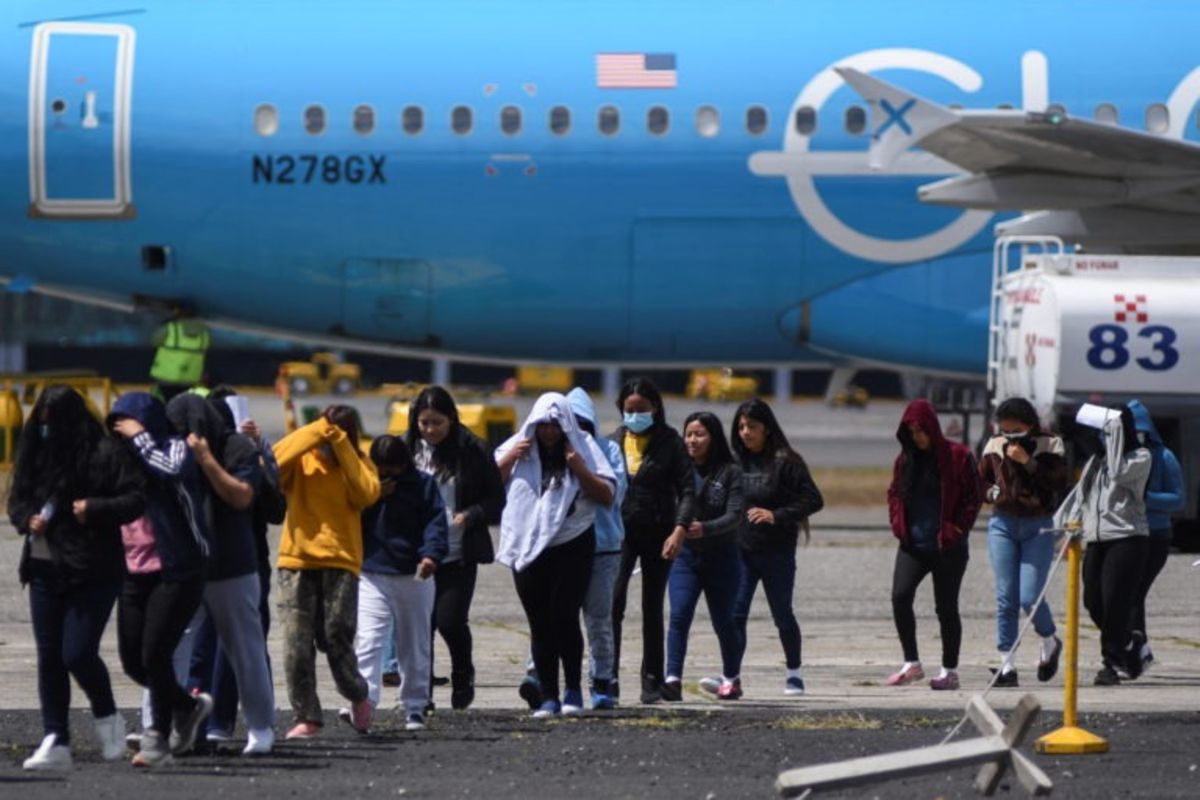
The arrangement places the conflict-hit nation alongside a growing list of African states that have either accepted or discussed receiving deportees who are not their citizens, including the Democratic Republic of Congo, Sierra Leone, Equatorial Guinea, Uganda and Ghana.
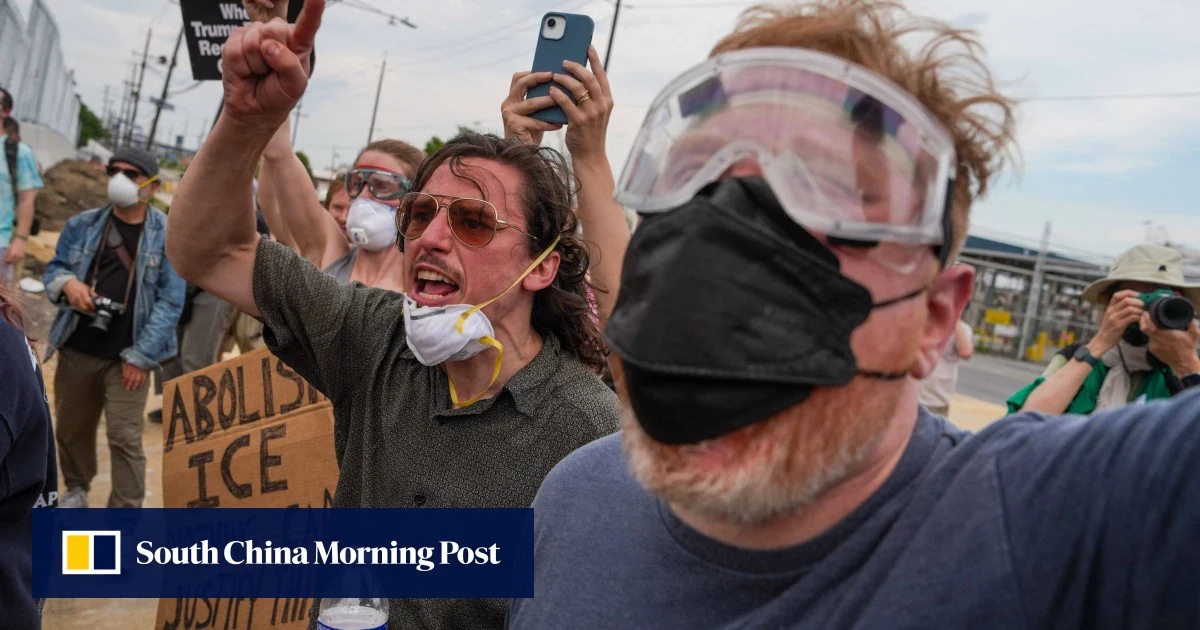
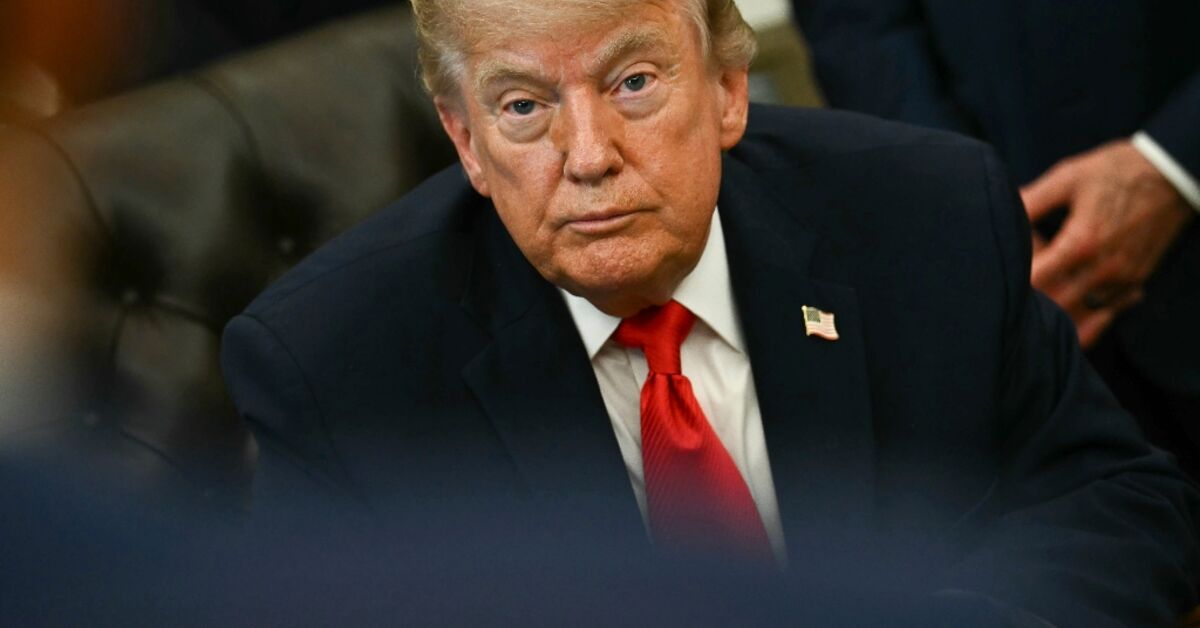
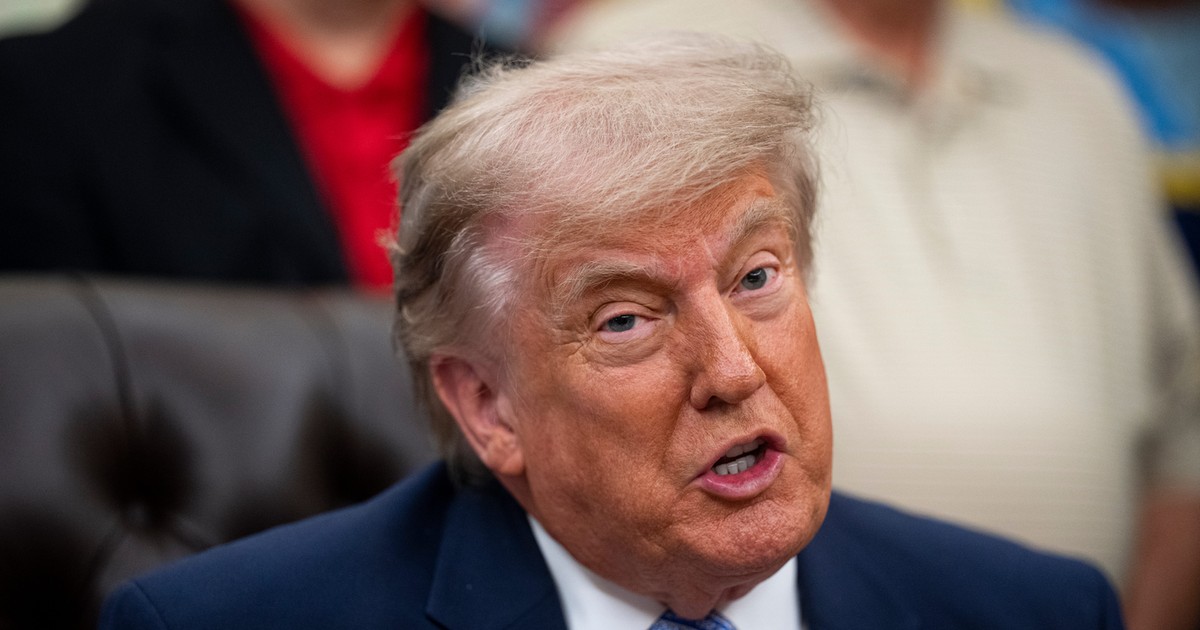
The deals have become a defining feature of Trump’s immigration strategy as his administration seeks to increase deportations and reduce legal obstacles to removals.
The latest agreement underscores a broader shift in which migration control is becoming an increasingly important element of Washington’s engagement with African governments.
While the Trump administration argues that the arrangements are lawful and necessary to strengthen immigration enforcement, critics say they risk sending migrants to countries where they have no family ties, legal status or support networks.
Two sources familiar with the matter said Central African Republic had agreed to receive third-country deportees from the United States under a deal discussed during a May 18 meeting in Bangui between Central African officials and a US delegation led by Christian Jové Ehrhardt, deputy assistant secretary in the State Department’s Bureau of Population, Refugees and Migration.