June 8, 2026 — 7:00pm
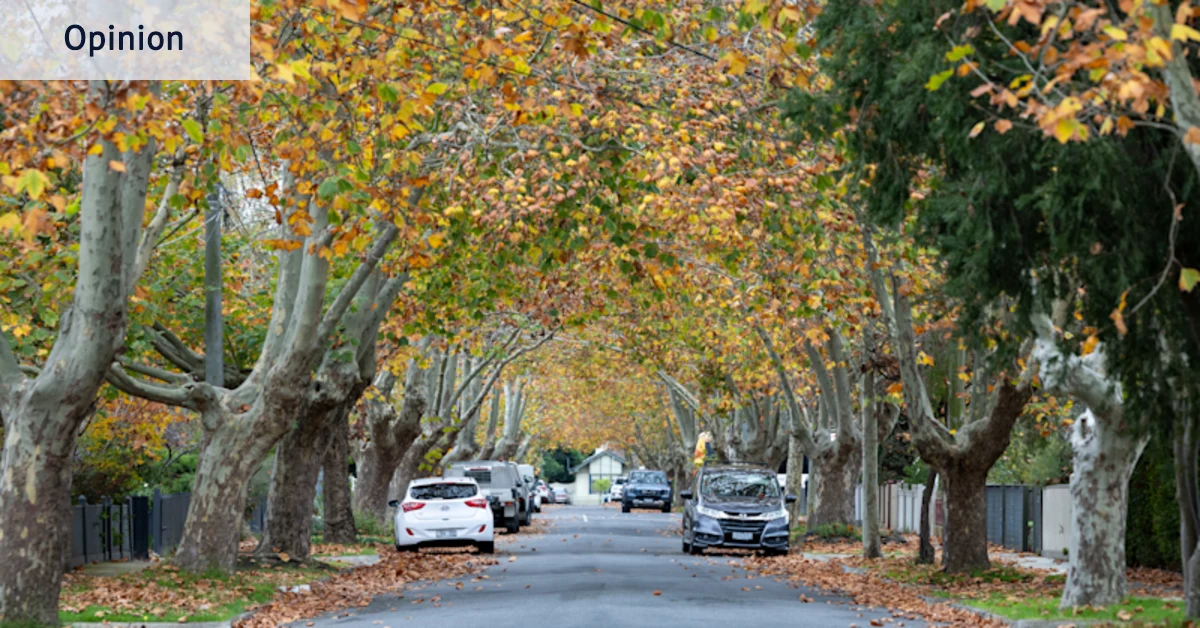
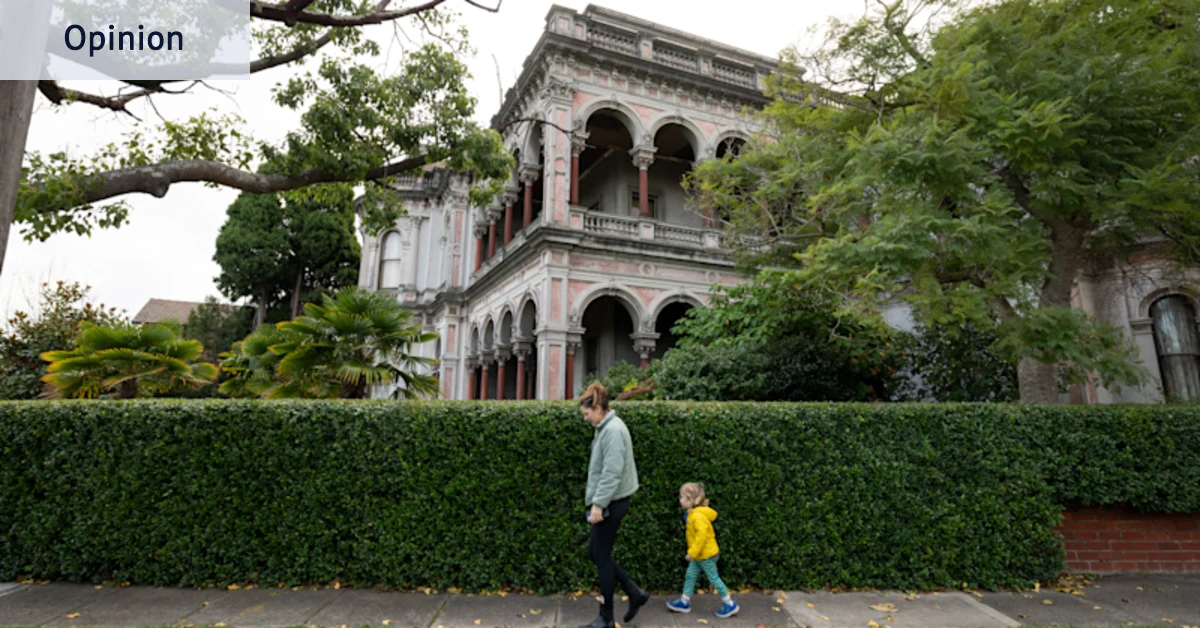
It is late afternoon in Travancore. The light is soft and flattering, and the heritage facades of stately homes are showing off their best features. The front lawns glow a mellow golden green, scattered with the confetti of fallen elm leaves. If you’re off the main road, and you edit the Land Rovers and Audis out of your mind’s eye, it could easily be 1953. Travancore has that place-out-of-time look. It is like a very polite time capsule someone has lost in the inner city.
When I was a child, my father would sometimes drive me down Mooltan Street so I could stare at the art deco apartment buildings with their rounded Juliet balconies. I thought Travancore must be the fanciest place in the world and I was determined that one day I would live there. Years later, it became my neighbourhood and has retained that allure from my childhood. If ogling old houses is your thing, you can’t beat Travancore.
I used to think old Trav could do with an injection of youth and cultural diversity. Sometimes I would even call it Melbourne’s last white enclave, in the sense that it has historically been a stronghold of retirees in beautiful, heritage-listed homes who have no desire to leave until escorted out by time. The houses, often rare examples of the 19th-century Arts and Crafts style, are less like real estate than like long-term relationships. You don’t sell them; you are eventually separated from them.