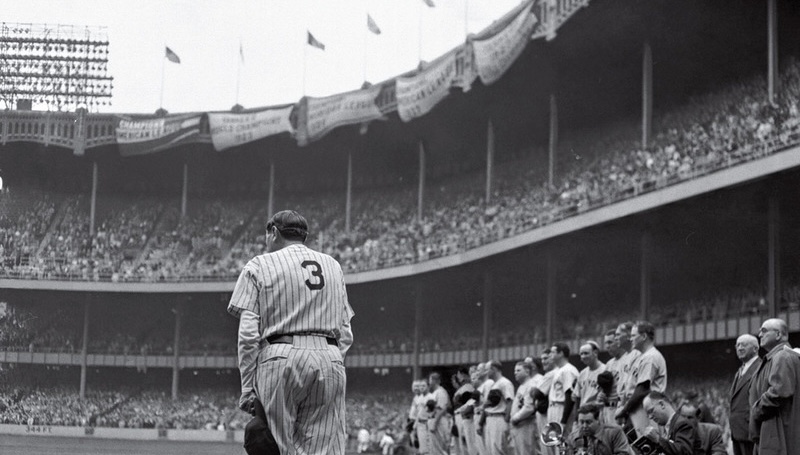
Franklin Roosevelt and Anton Cermak had achieved a certain fusion in the public imagination four and a half months earlier, on October 1, 1932, when they sat together in a box at Wrigley Field, where the Chicago Cubs were playing against the New York Yankees in Game Three of that year’s World Series. Standing with the aid of the heavy steel braces on his legs and of his son James, who held his left elbow, Roosevelt had thrown out the first ball. It was a good toss, too, caught in the air by the Cubs catcher, future Hall of Famer Gabby Hartnett. What none of them, nor any of the nearly 50,000 fans packed into a stadium built to accommodate at most 35,000, could have anticipated was that they were about to witness one of the most legendary moments—perhaps the most legendary—in baseball history.Article continues after advertisement
What all present did expect was a fierce contest. During the course of the series so far, the two best teams in baseball had become the bitterest of rivals, the animosity between them fueled by the Cubs’ treatment of their teammate Mark Koenig, a versatile infielder who’d been traded from the Yankees in mid-season.
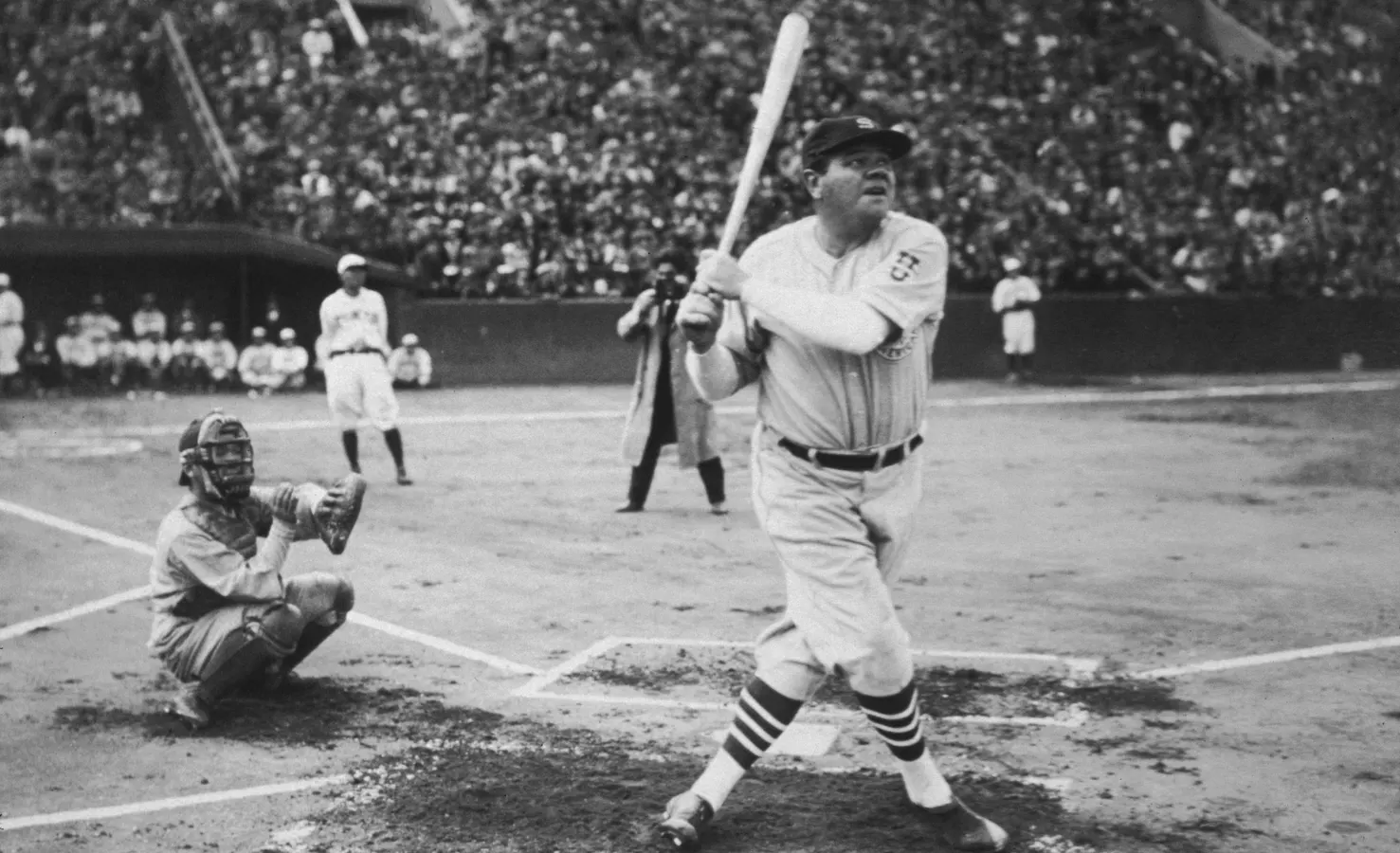
Everything about baseball was focused on Ruth. He had been the biggest star not just in American sports but in America, period.