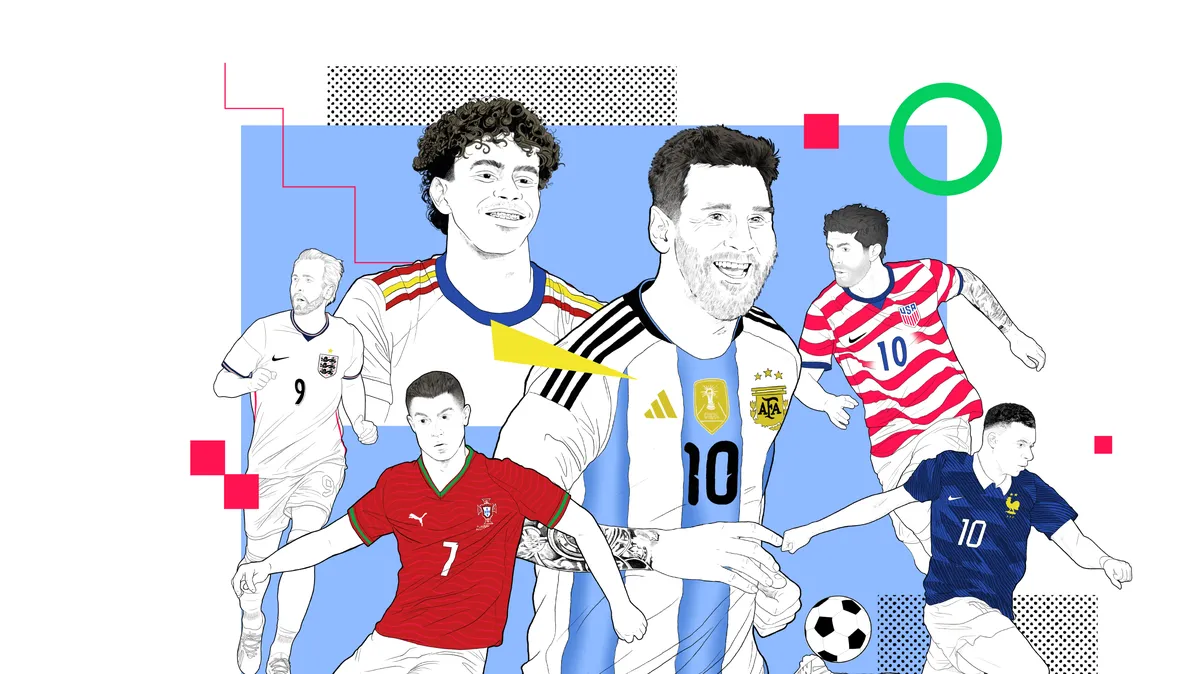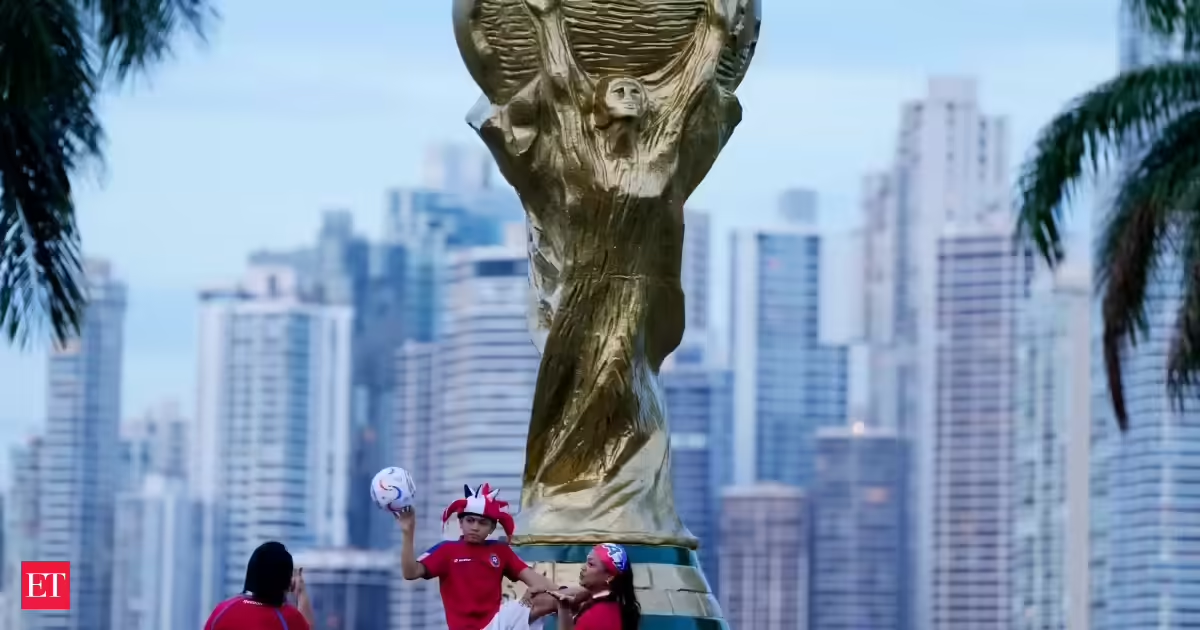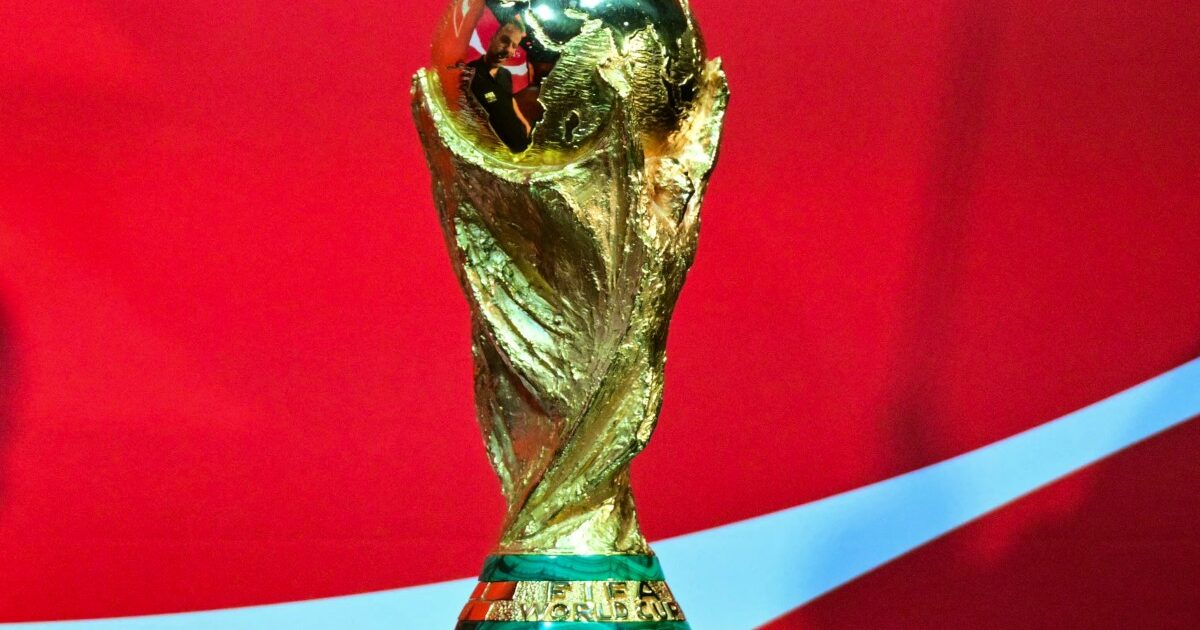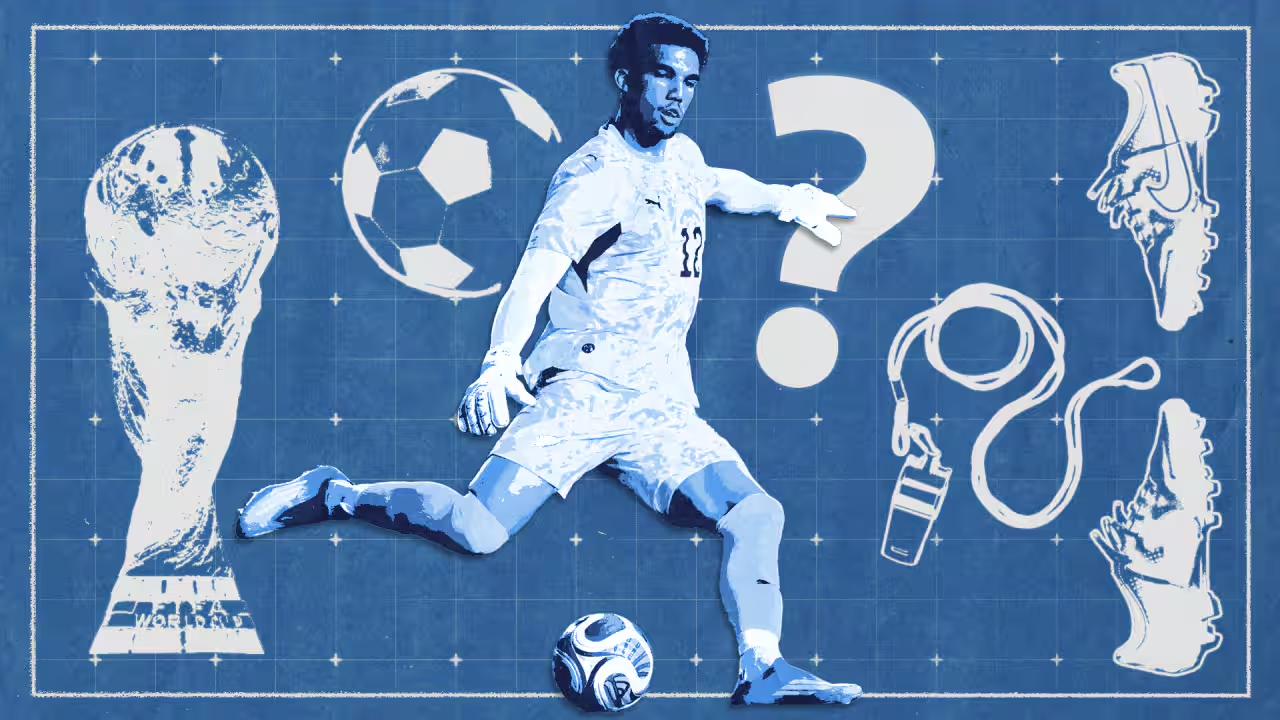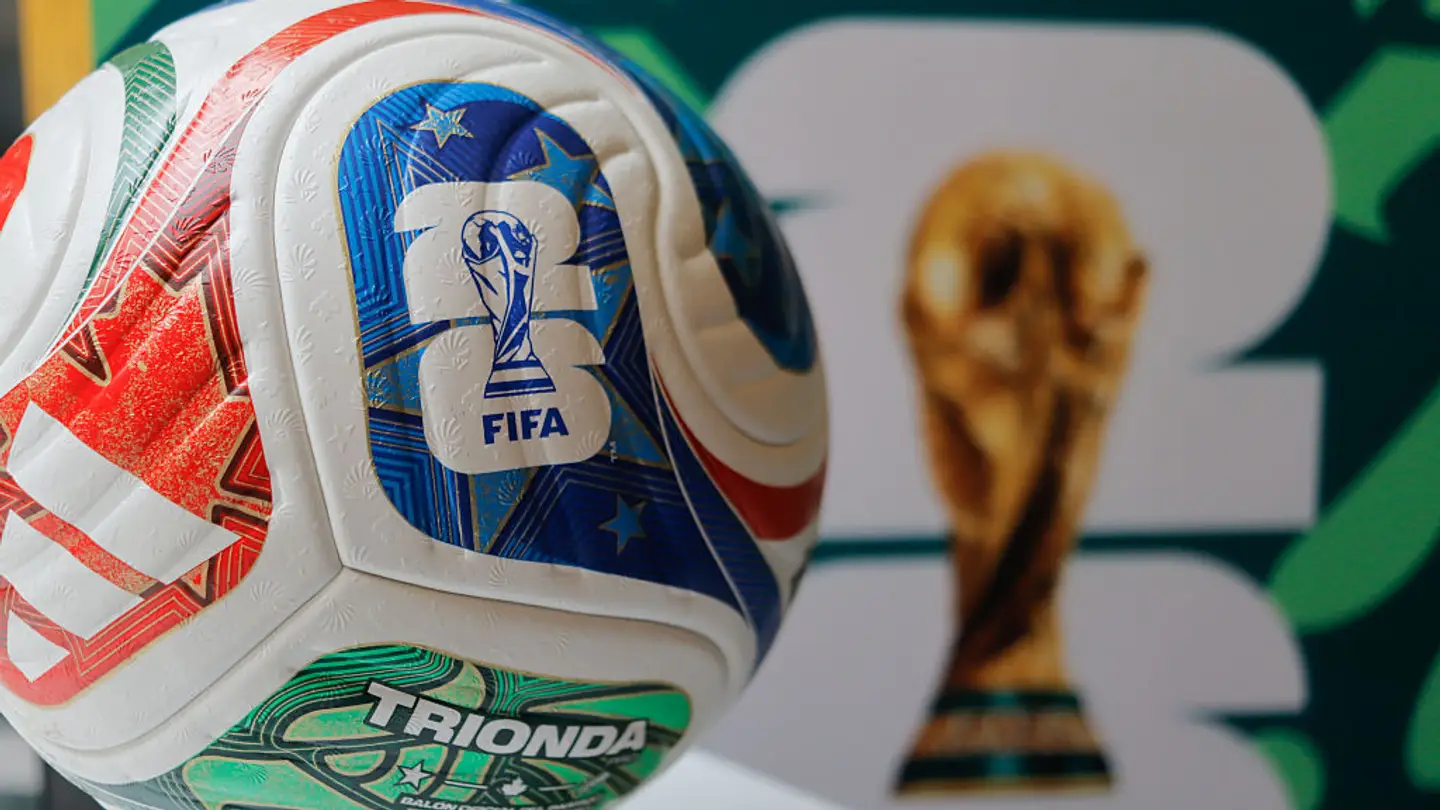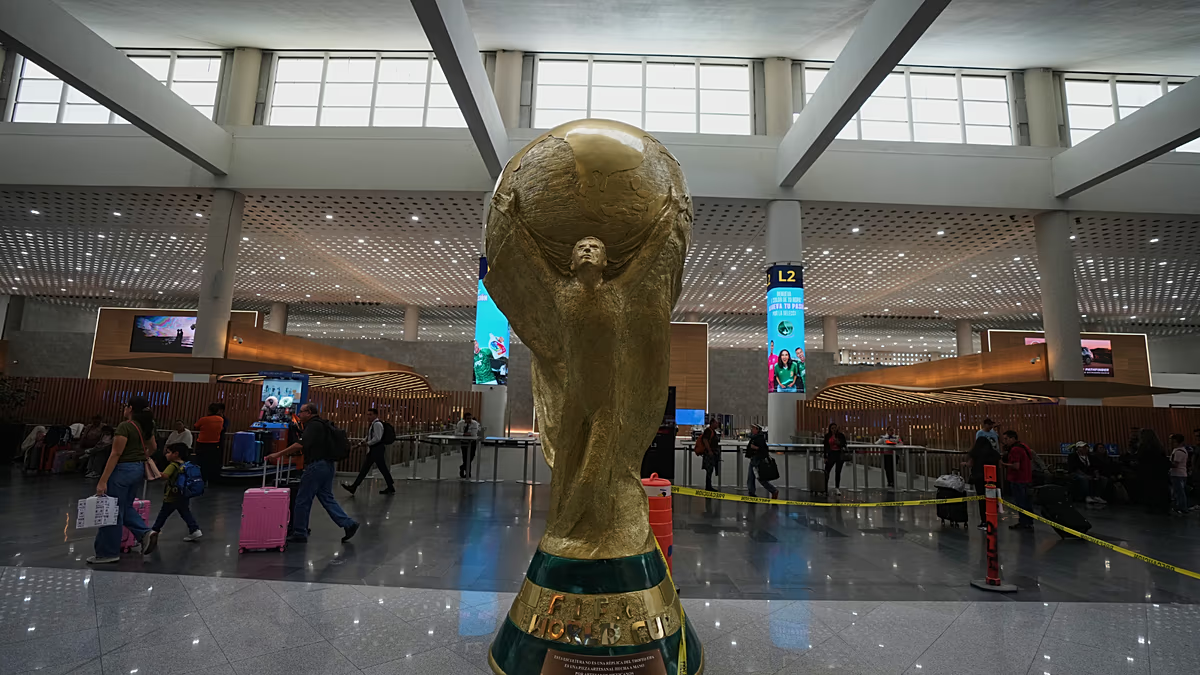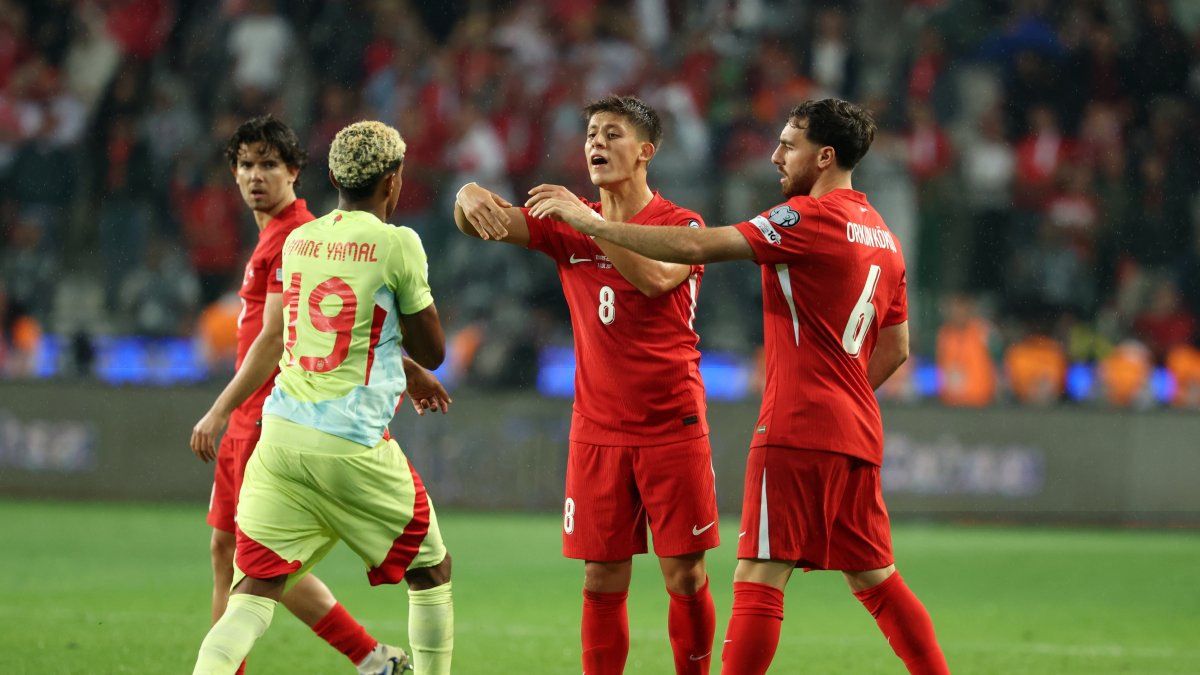
The 2026 FIFA World Cup will arrive not just as an expanded global tournament, but as a generational shift, with Gen Z talent moving from supporting roles to central figures on football’s biggest stage.
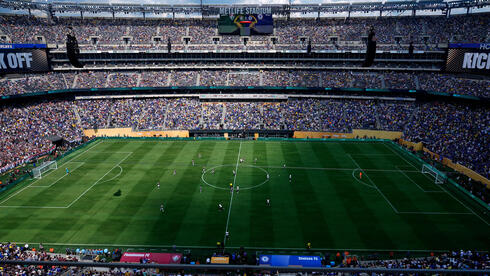
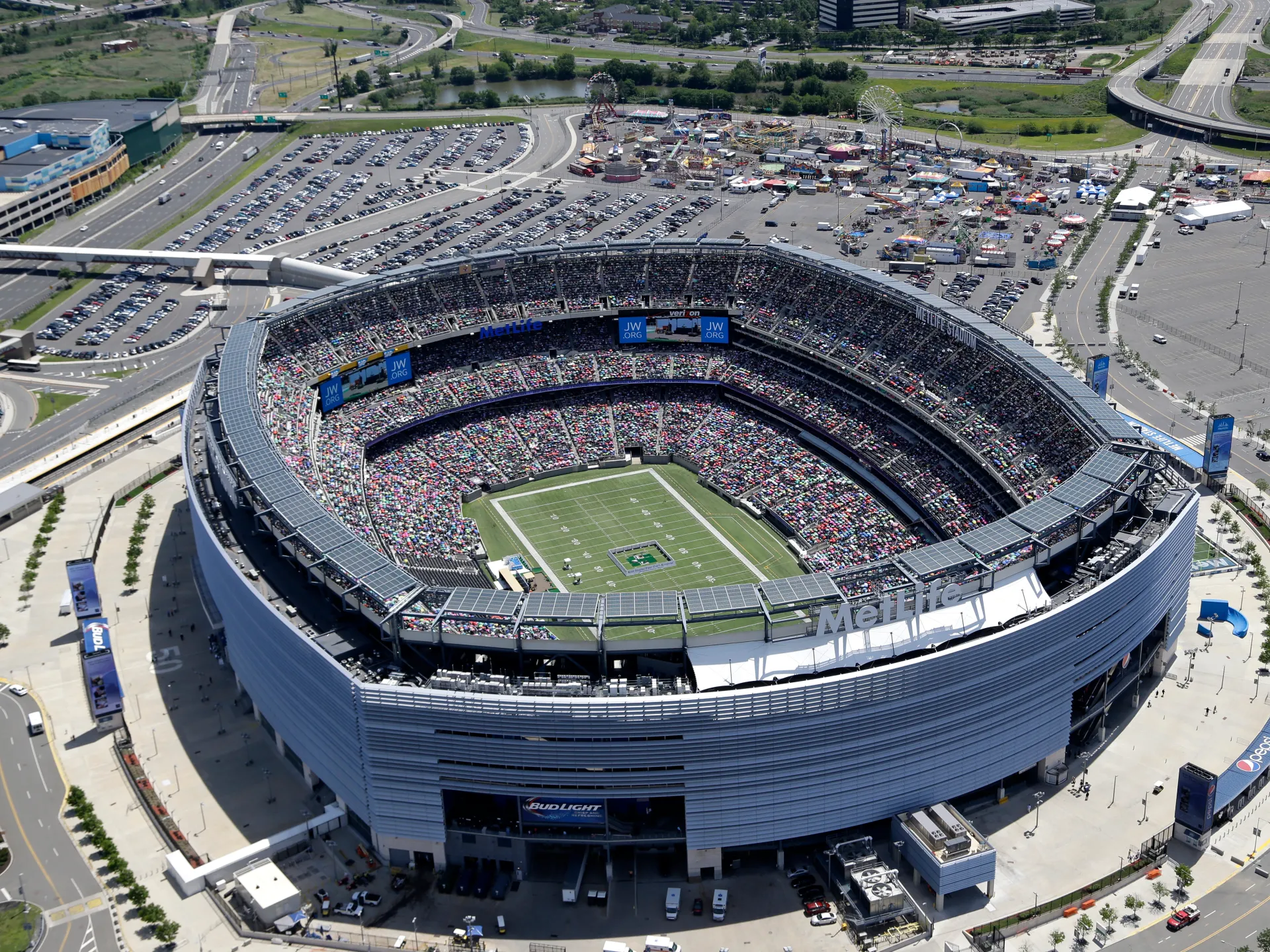
Set to run from June 11 to July 19 across the United States, Canada and Mexico, the first 48-team World Cup will widen the spotlight like never before.
The scale of the tournament means more matches, more minutes and more pressure moments for players still in their early 20s, turning what was once a veterans’ stage into a proving ground for the sport’s new elite.
History already shows how quickly youth can define a World Cup.
Pele scored in a final as a teenager in 1958. Kylian Mbappe exploded onto the global scene in 2018. Lionel Messi announced himself at 18 in 2006. The pattern is clear: the tournament often belongs to players who are young enough to change its direction, but mature enough to handle its weight.