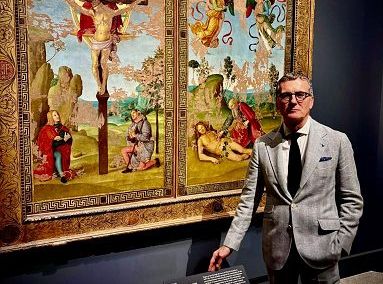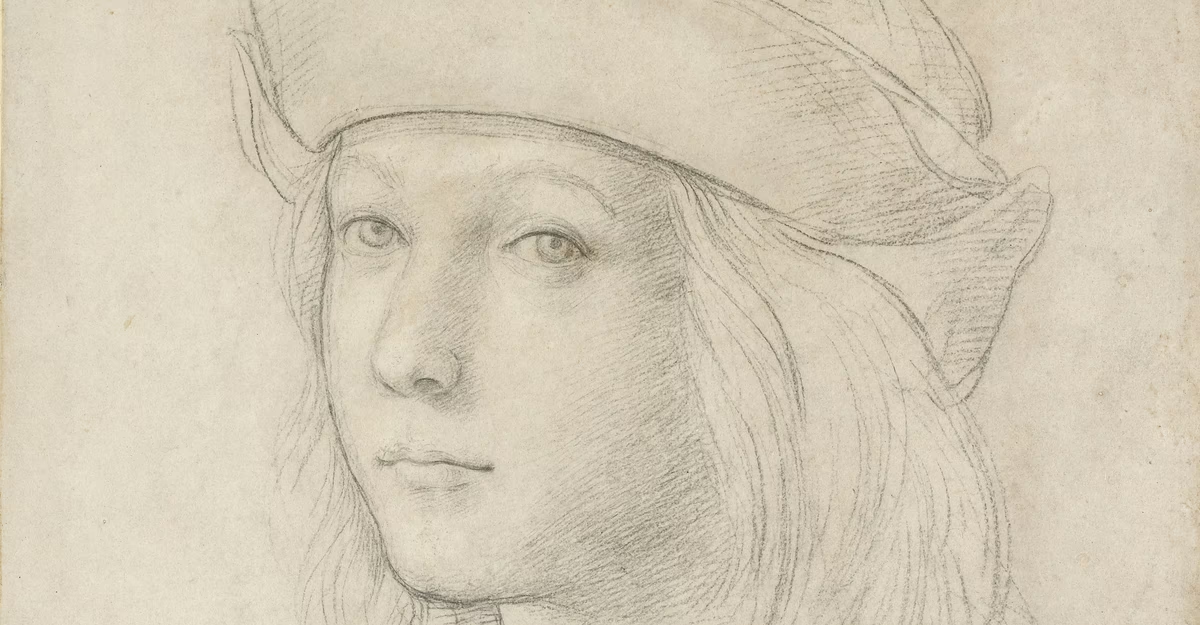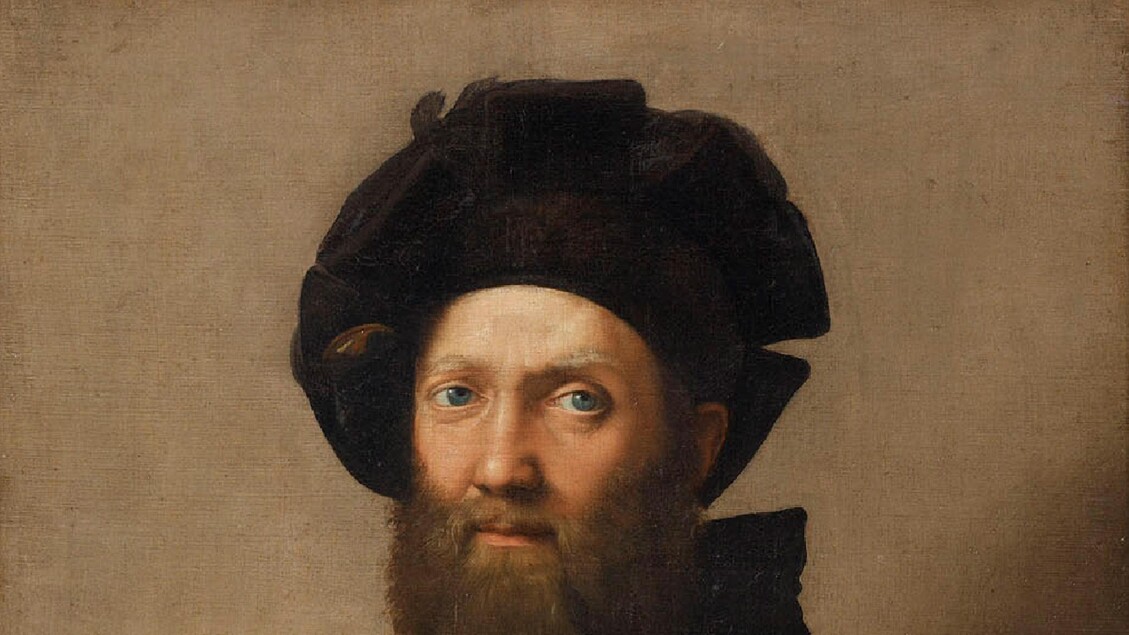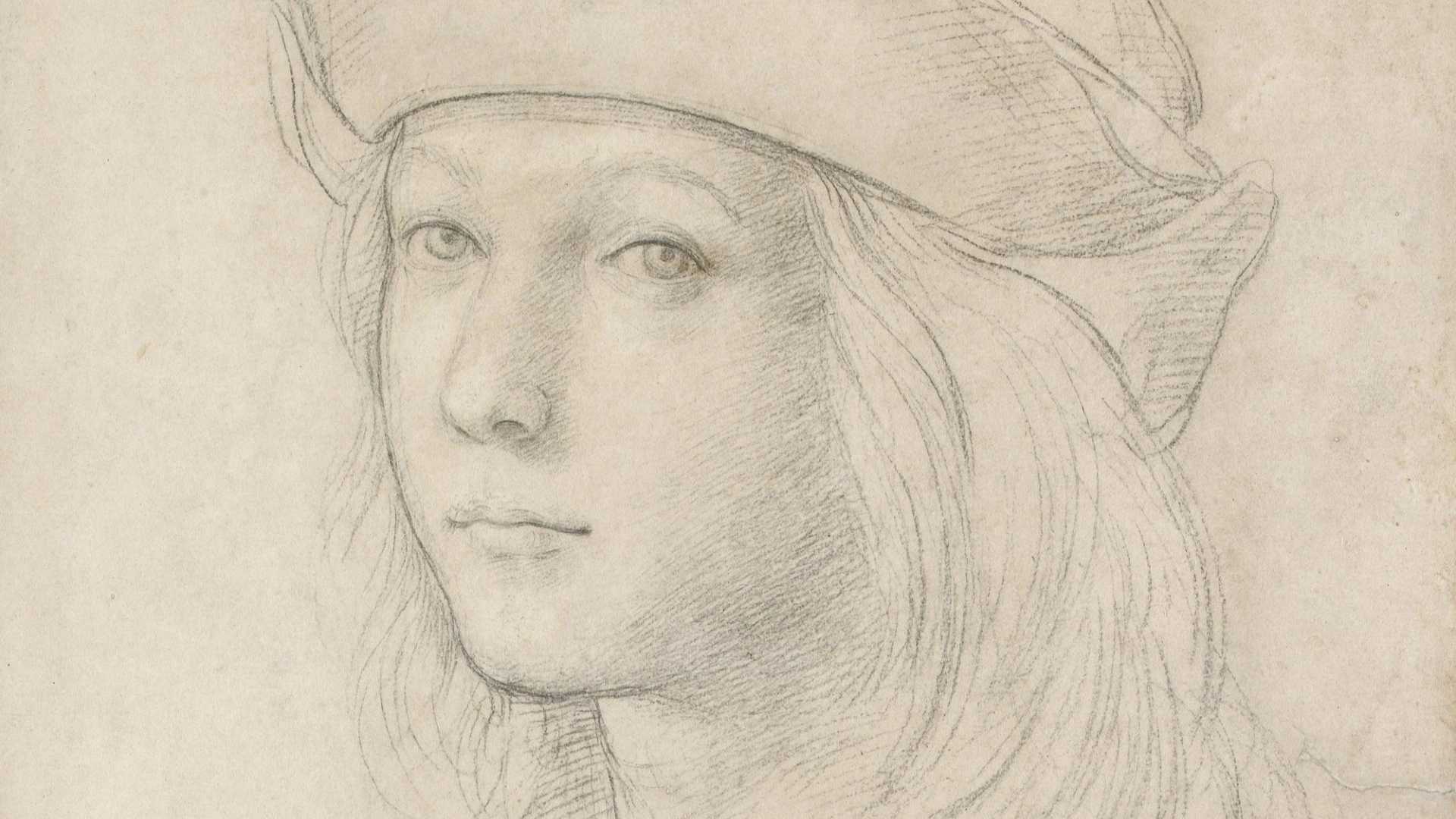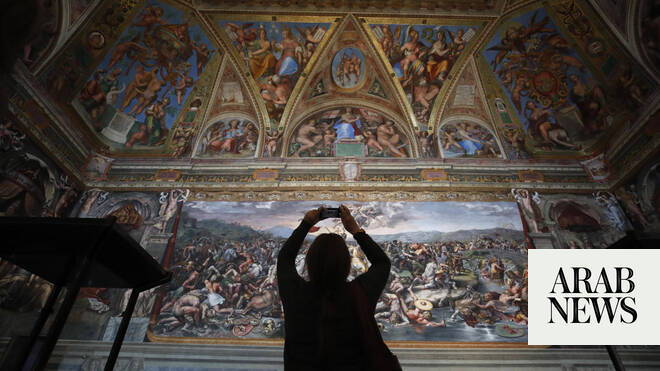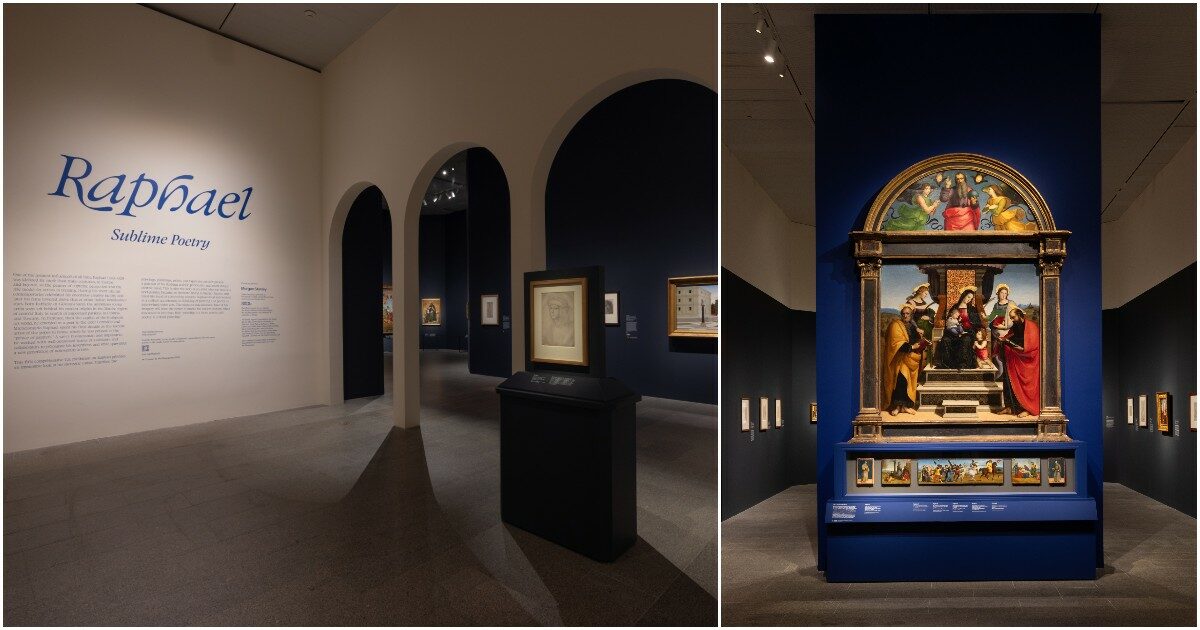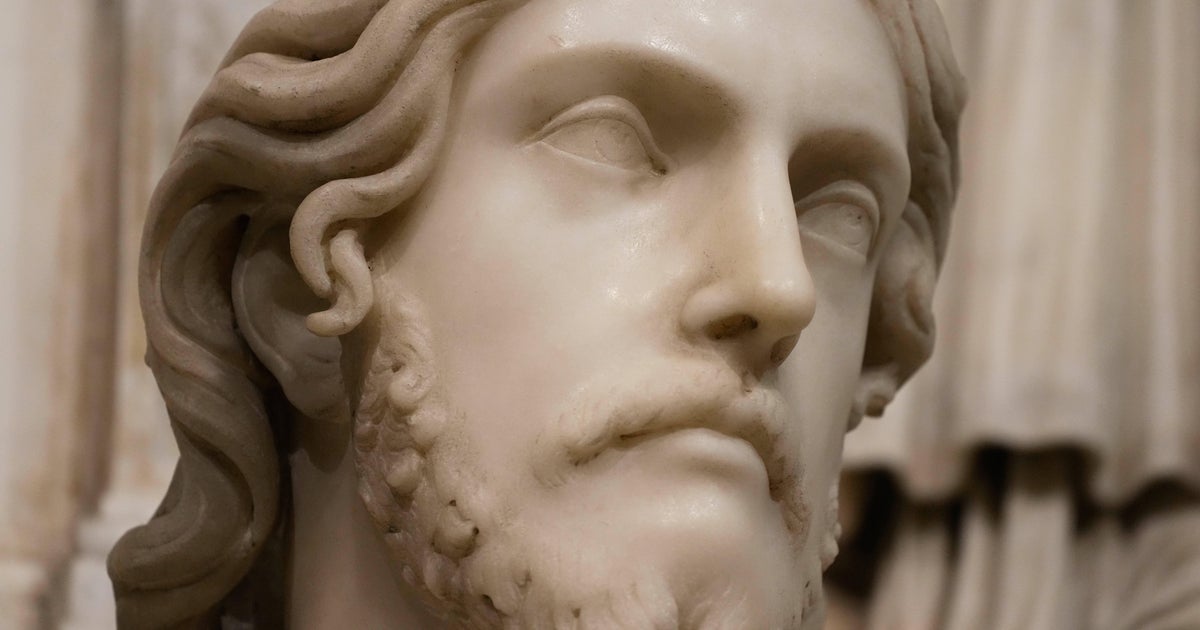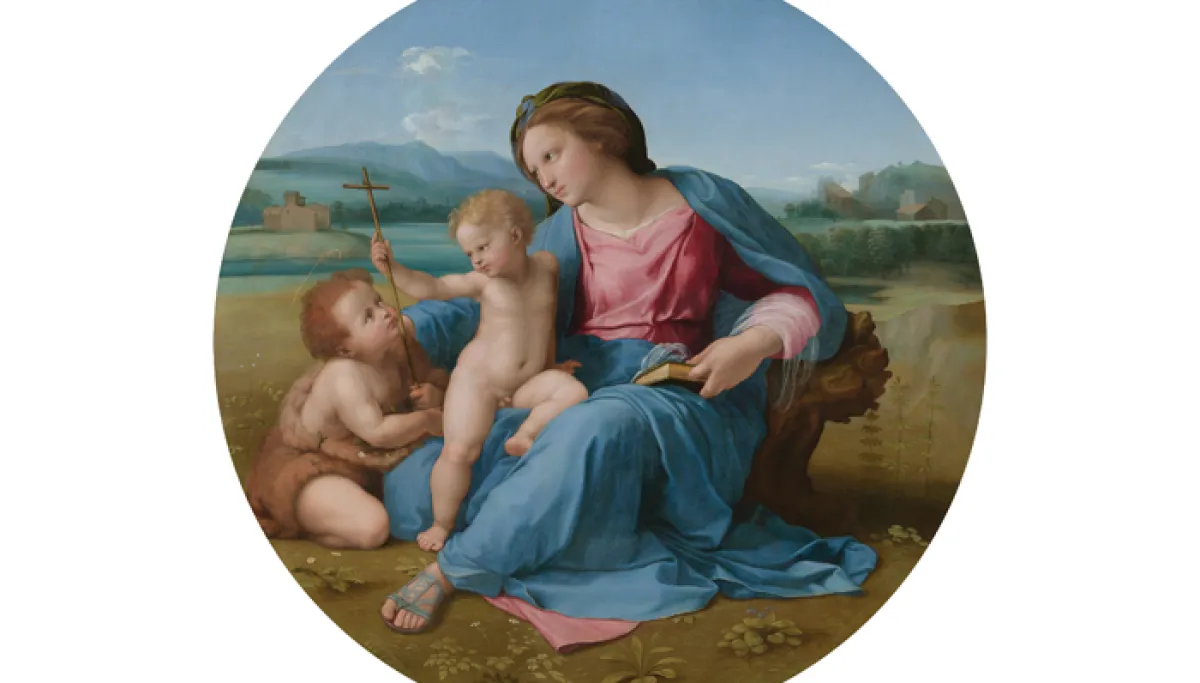
Like many Americans, I grew up believing that Leonardo and Michelangelo were clearly superior to Raphael and Donatello. If the Renaissance artists were the Beatles, Michelangelo and Leonardo would be John and Paul, and Raphael and Donatello would be Ringo and George.This changed when I traveled to Italy for the first time 16 years ago and visited the Vatican. While walking through the Apostolic Palace, I came upon the most incredible work of art that I had ever seen. It was a large, panoramic illustration painted onto a wall, otherwise known as a “fresco,” that depicted the greatest scientists and philosophers of the ancient world gathered at the entranceway of a classical academy. I stood in wide-eyed awe at the sublime sight splayed out before me — the figures in the fresco towered over me like revivified giants from a land before time. This magnificent work, you may have guessed by now, was none other than Raphael’s The School of Athens, one of the most famous and oft-reproduced images of Renaissance art. I had seen reproductions of it before, but coming face to face with it was a life-changing experience. Among other things, I was dead wrong to have thought that Raphael was the Ringo of the Renaissance.If my pop-culture-and-art-addled brain hasn’t yet convinced you of Raphael’s greatness, then the Metropolitan Museum of Art’s current exhibition “Raphael: Sublime Poetry” surely will. The exhibition, which opened in March, continues through June 28. The show presents over 170 of the Renaissance master’s paintings, drawings, prints, and tapestries, some of which are held in private collections and thus rarely reach the public. What emerges is a portrait of an artist who not only epitomized the ideals of the High Renaissance but also set a standard for artistic grace and beauty.
Review of Raphael: Sublime Poetry exhibit
The Metropolitan Museum of Art exhibition “Raphael: Sublime Poetry” will convince you of Raphael's greatness.
1,125 words~5 min read