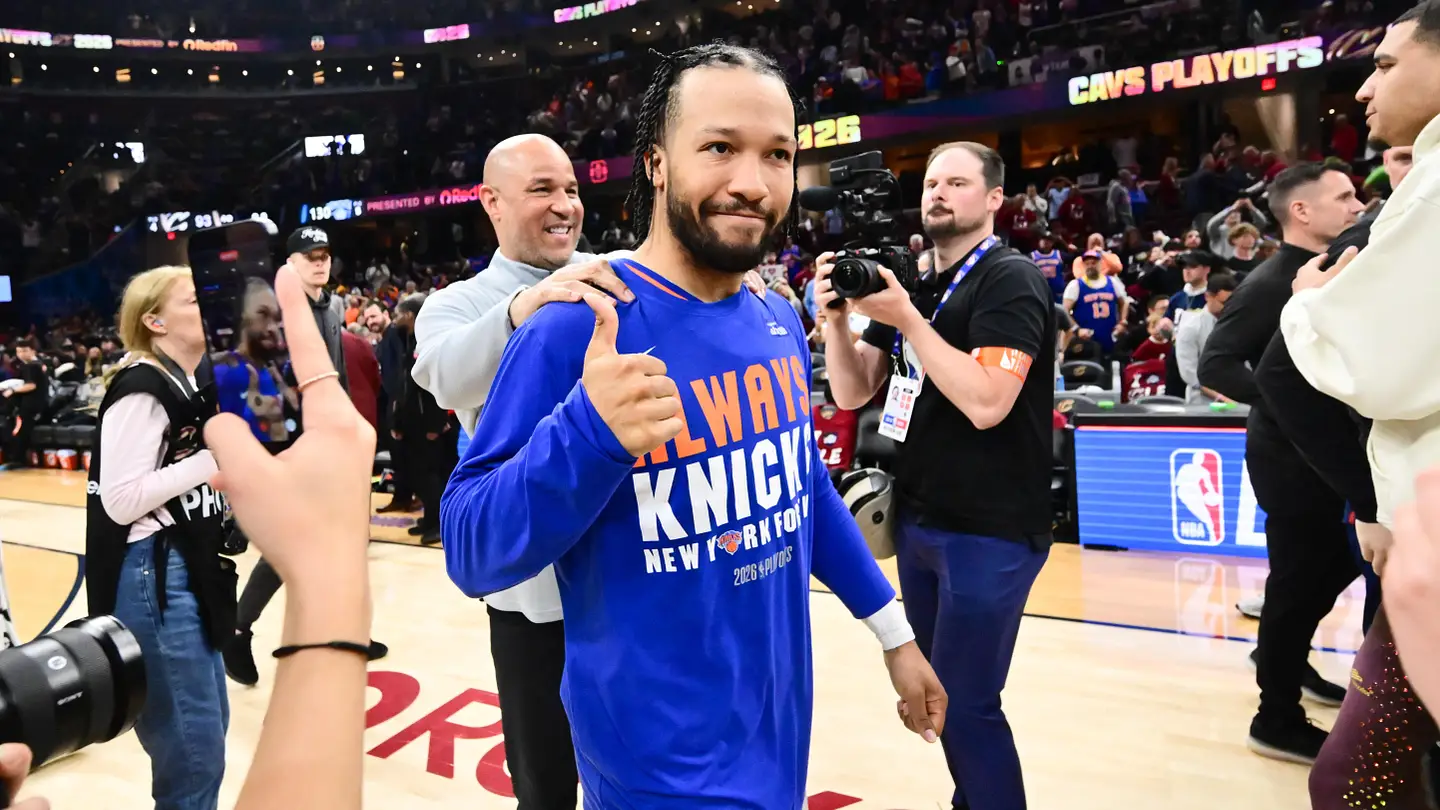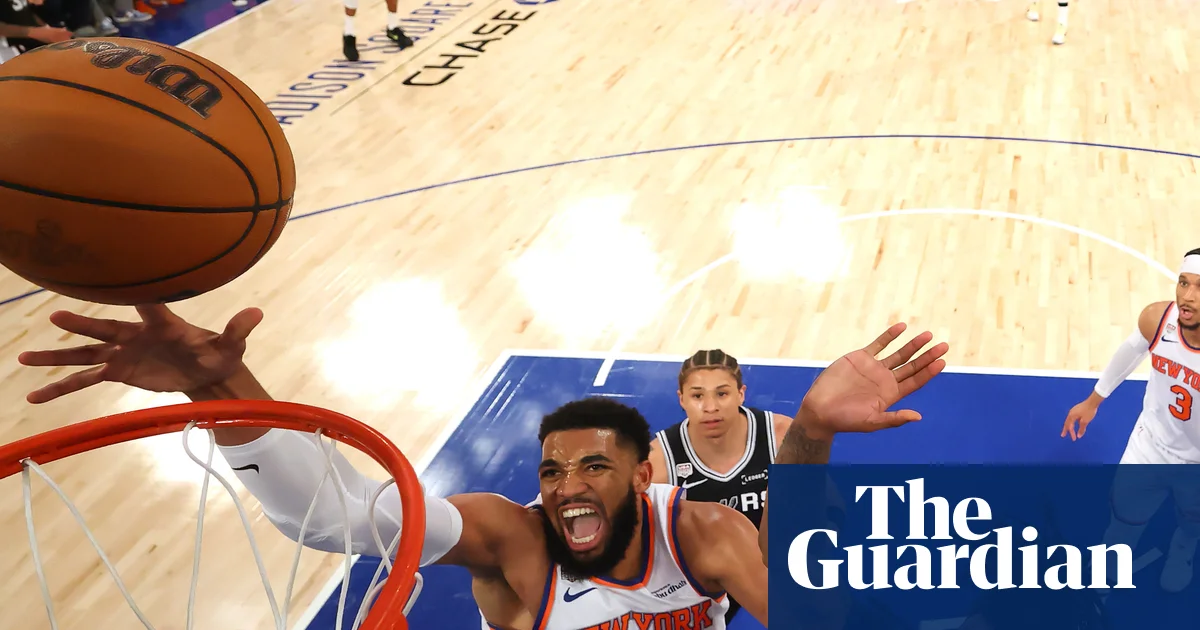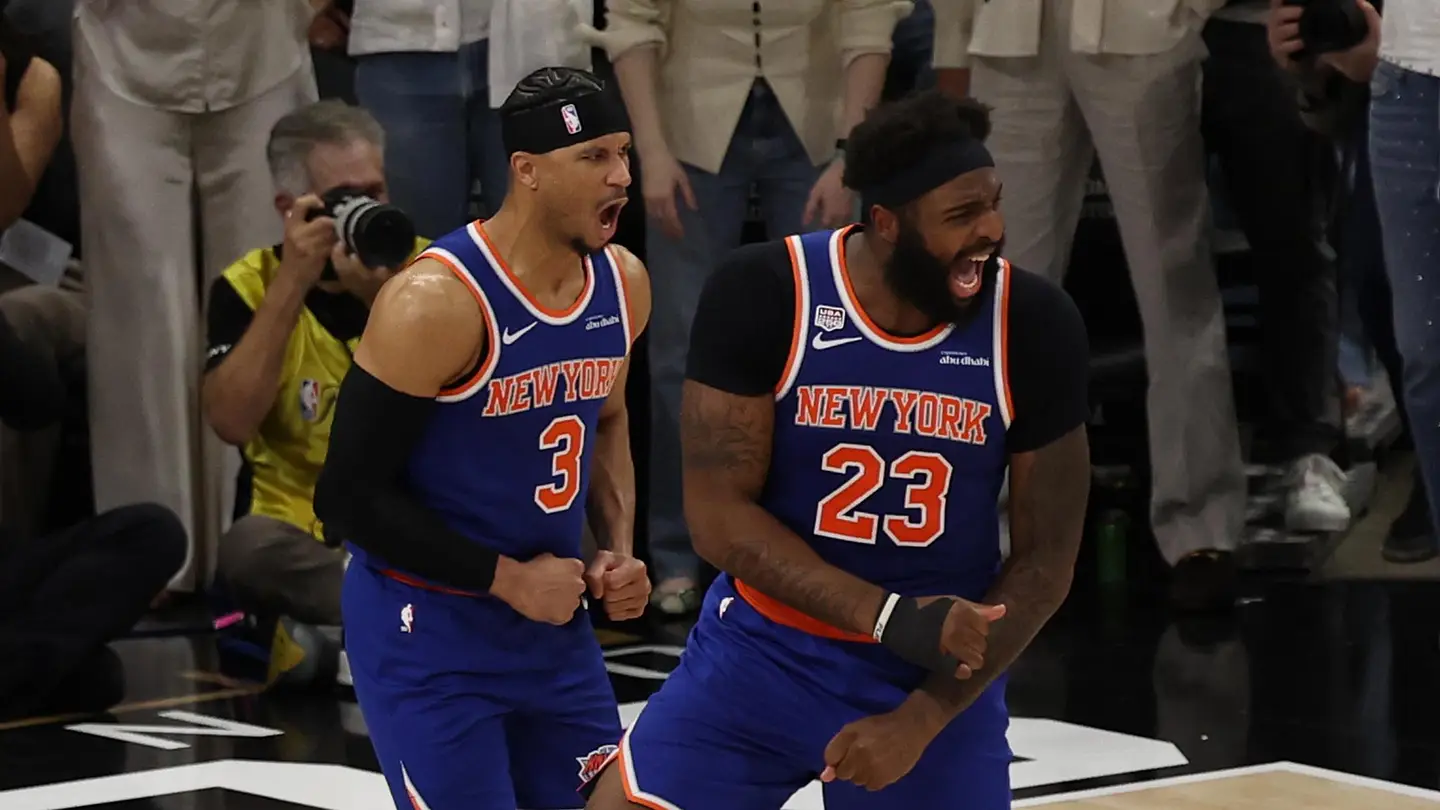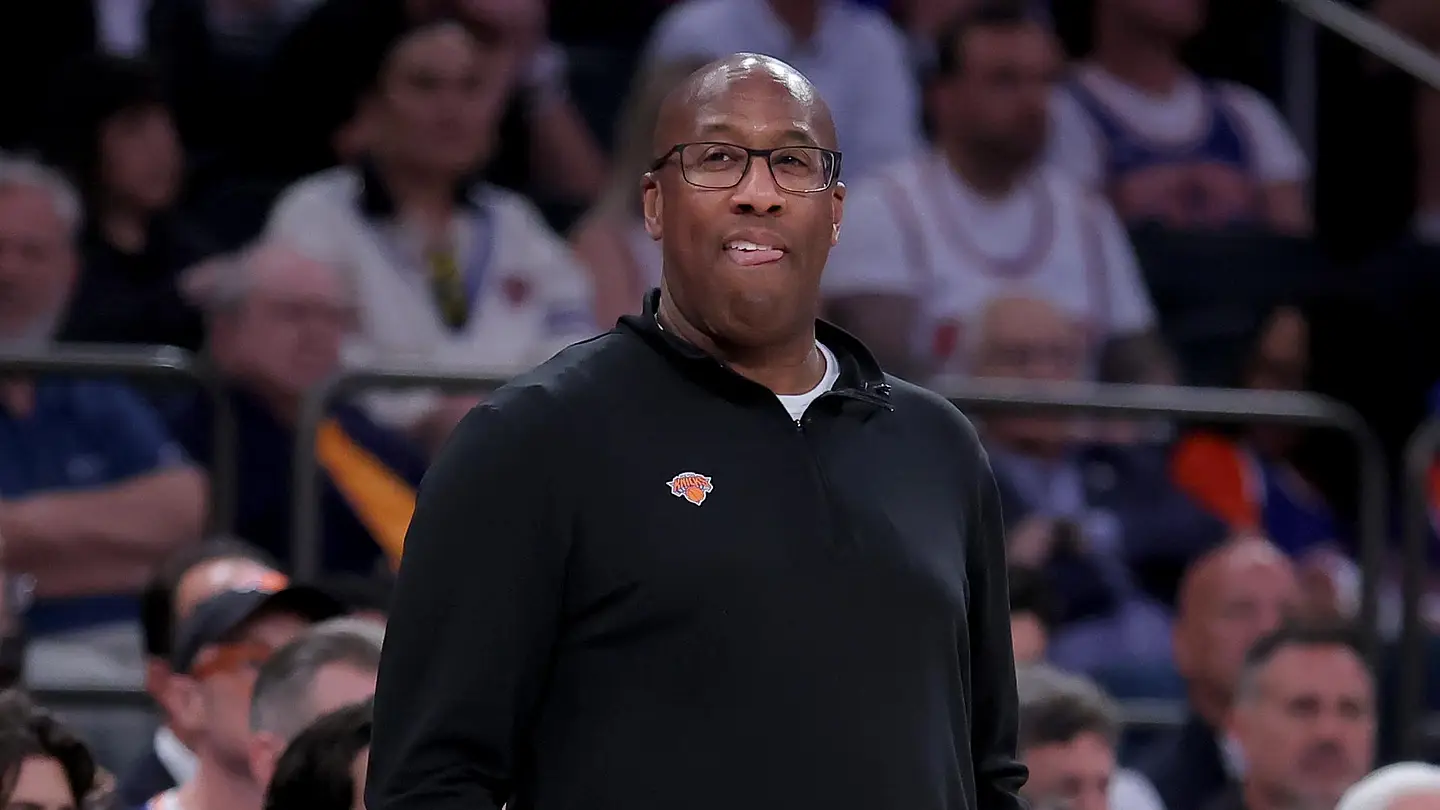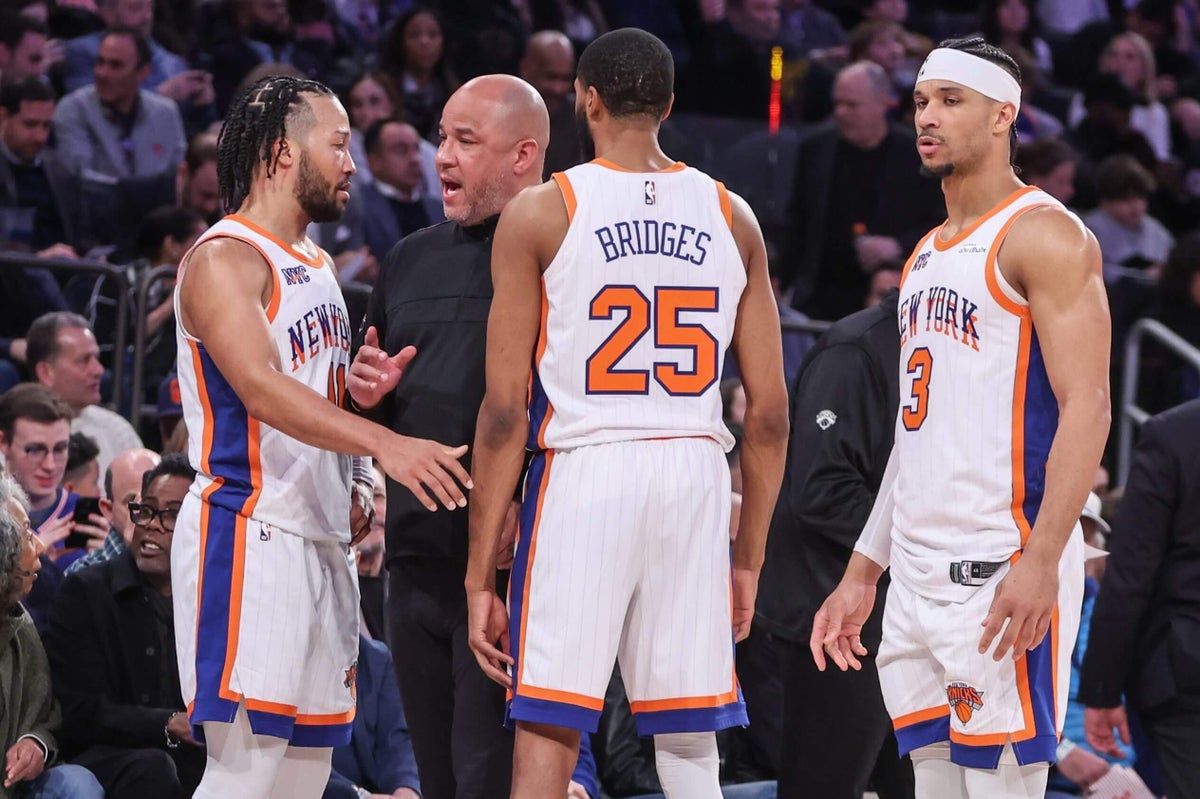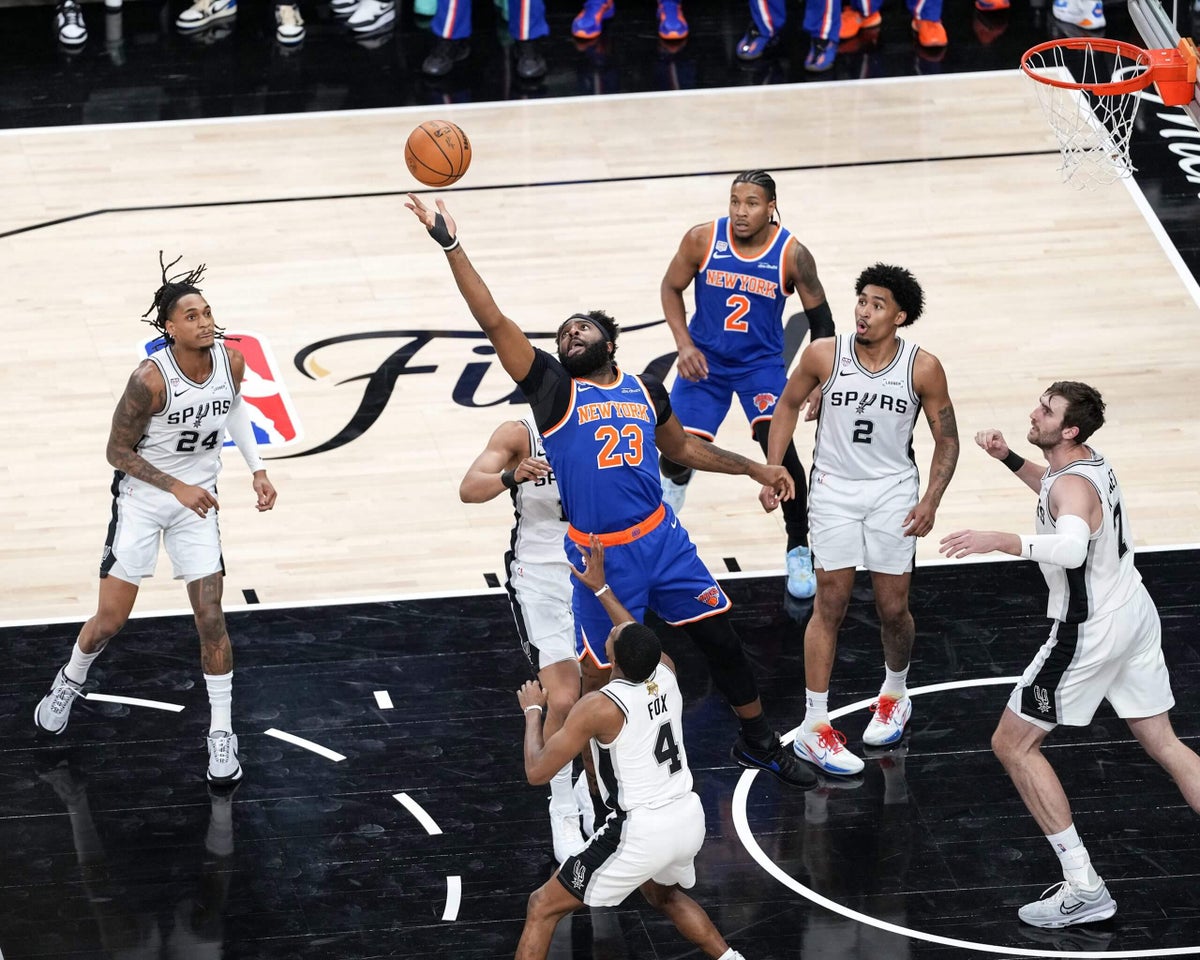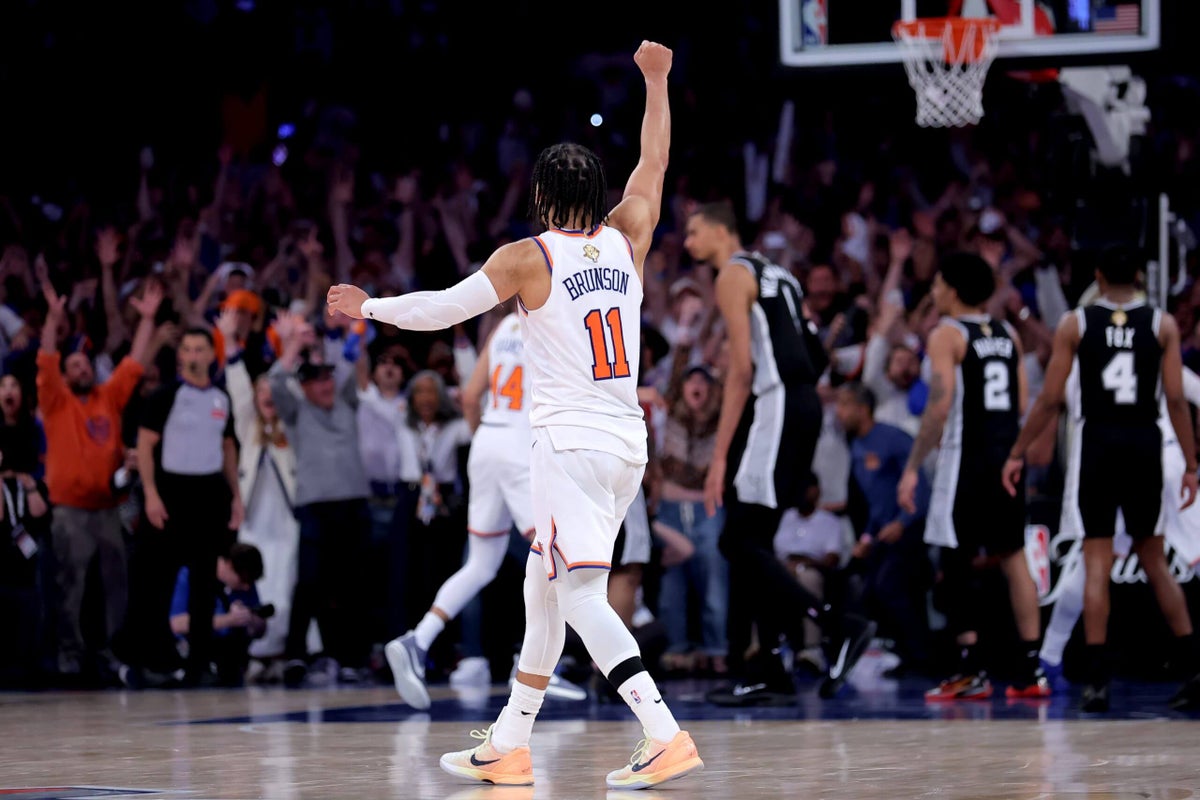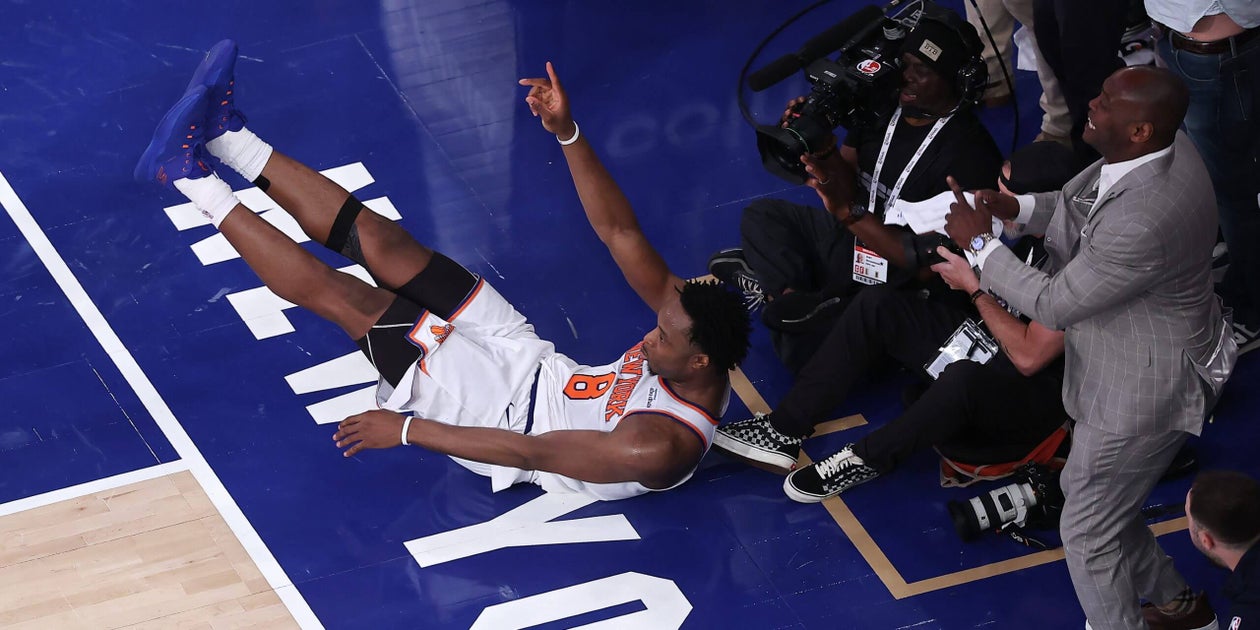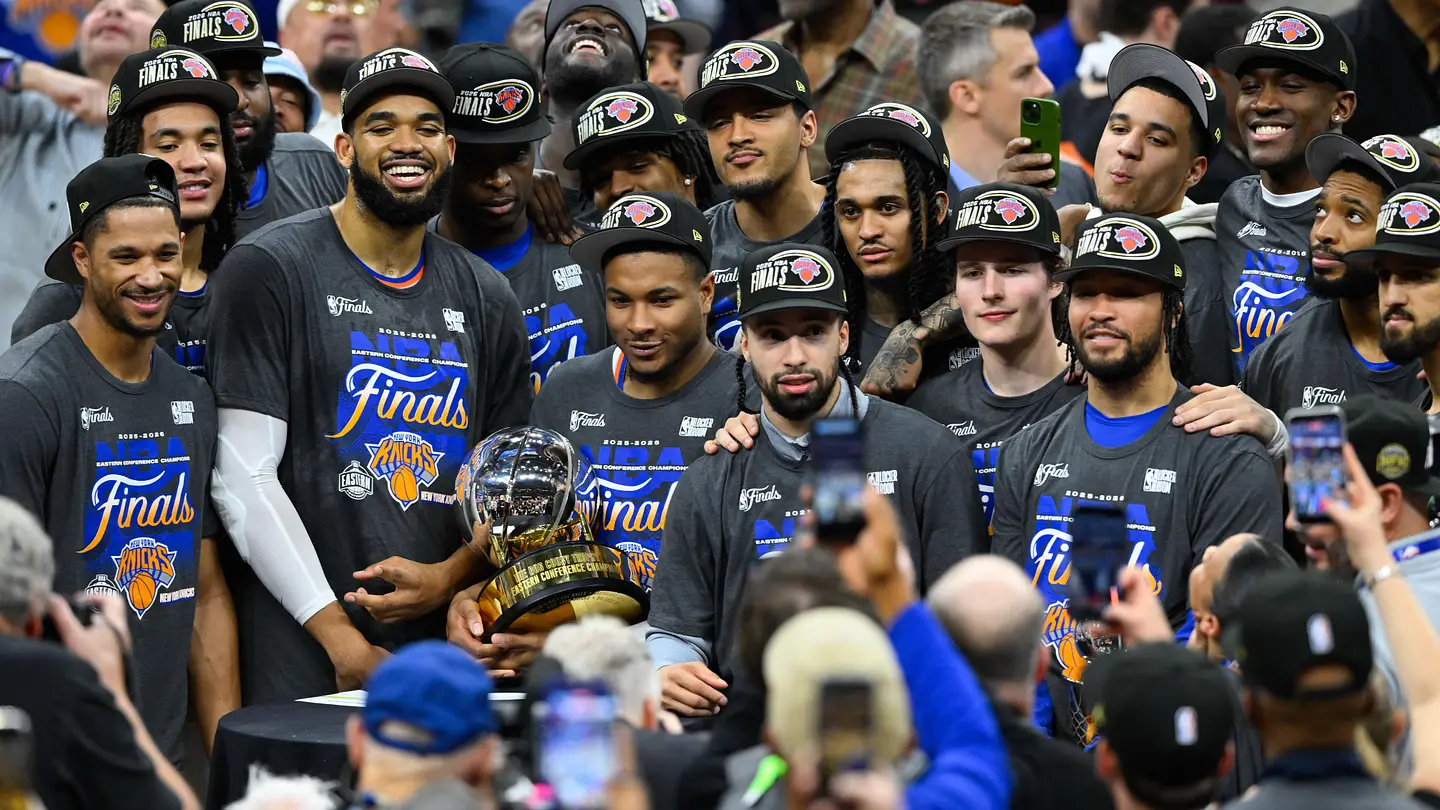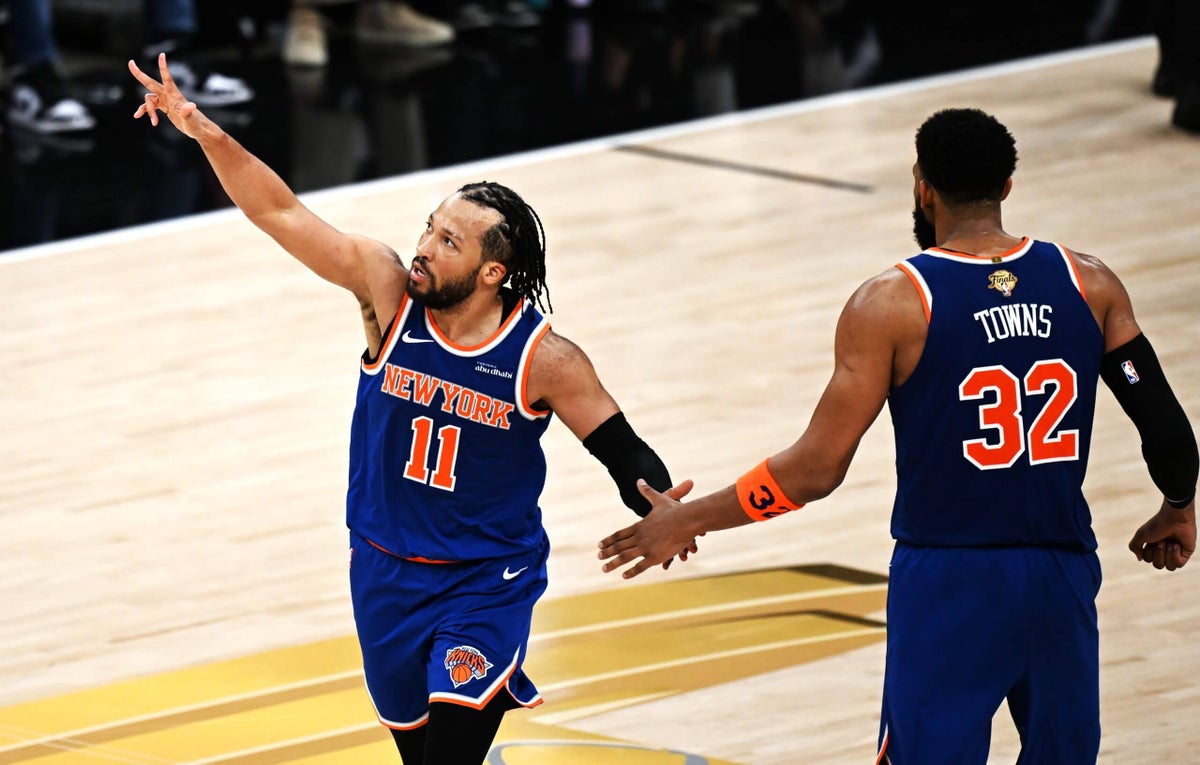
NEW YORK — Before collectiveness became the defining trait of the New York Knicks, signs of it began to sprout earlier this season.The Knicks sit only two wins short of their first championship in 53 years. But a few months ago, with a ring yet to pop up in such clear sight, one man sacrificed for the greater good.At the end of January, head coach Mike Brown plopped Jordan Clarkson, a former sixth man of the year winner, at the end of the bench. Clarkson, whose silhouette could have been the logo of the national bucket association, had fallen into basketball’s oblivion, parked on the end of the bench without any burn unless the Knicks were mired with injuries.So he vowed to change.He barely played in February. In March, the Knicks faced his former Utah Jazz. New York assistant Mo Cheeks suggested in a coaches’ meeting that Brown use Clarkson, for whom it could be an emotional night. Brown obliged, and Clarkson went off: 27 points in 26 minutes, leading the Knicks to victory in a game that was too close for comfort.It was Clarkson’s final scoring outburst of the season. It was also his return to the rotation.No longer did Clarkson’s signifier, all those points, matter. An old dog, a 12-year veteran, had learned new tricks.From then on, a new, unrecognizable version of Clarkson formed. He started full-court pressuring opposing ballhandlers — and doing so with success. Wherever Clarkson moved to on defense, he did so with burst. He puffed out his chest, a grin across his face, when he learned that the analytics said he was pressing dribblers even more than Jrue Holiday, possibly the staunchest defensive guard of his generation. “Now, I definitely gotta keep this up,” he said. He darted after offensive rebounds. From the moment he returned to the rotation through the end of the regular season, he was one of the NBA’s feistiest guards on the glass.This was not Clarkson, the man whose value wrapped into whether or not he made shots. It was a Josh Hart impersonator, someone who cared about everything but putting the ball in the hoop.Earlier this season, a reporter asked the Knicks’ captain, Jalen Brunson, if Clarkson’s reinvention (and the unselfishness that inspired it) could be an example for the team’s young players. For Brunson, the question’s premise was not extreme enough.“It can be an example for anybody,” Brunson said.Anybody — including Hart, Mitchell Robinson, Karl-Anthony Towns, Mikal Bridges, OG Anunoby or even Brunson himself.After contributing in some fashion to nearly every victory during the Knicks’ miraculous playoff run, which includes 13 consecutive wins, the second-longest postseason winning streak ever, Clarkson did not play in Game 2 of the NBA Finals, which New York pulled out by one point to take a 2-0 series lead over the San Antonio Spurs.Before departing Frost Bank Center, he stood at his cubby in the visiting locker room. Next to him was Robinson. He turned to his dear friend and dropped two words.“No egos,” he said.Robinson nodded.The moment defined a team that now requires only two wins to reach immortality, the Knicks’ first championship since 1973.The Knicks dropped two of their first three games to the Atlanta Hawks in the first round. It didn’t matter. They fell 22 points in the fourth quarter against the Cleveland Cavaliers. It didn’t matter. They trailed by 14 in Game 1 of the finals and 12 in Game 2; it took them only three minutes to hand a 14-point advantage back at the end of Game 2. None of it mattered.
Knicks are a team with ‘no egos.’ It’s put them within two wins of a championship
The Knicks have shown growth all season long and are now greater than the sum of their parts.
1,625 words~7 min read