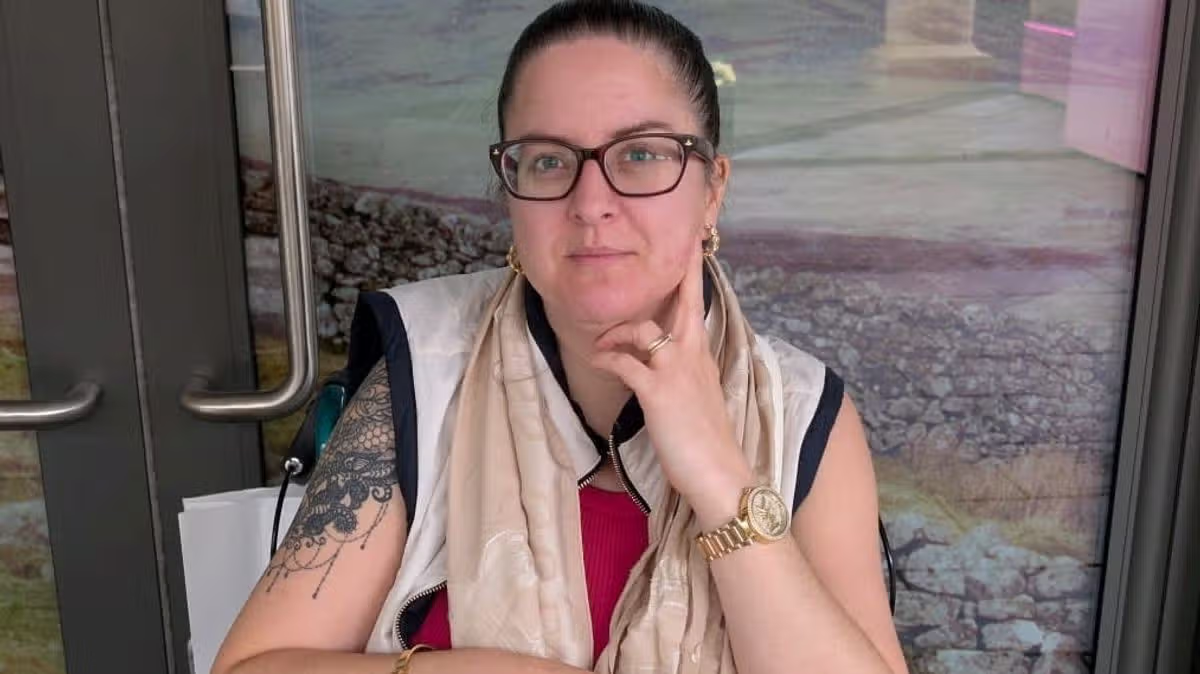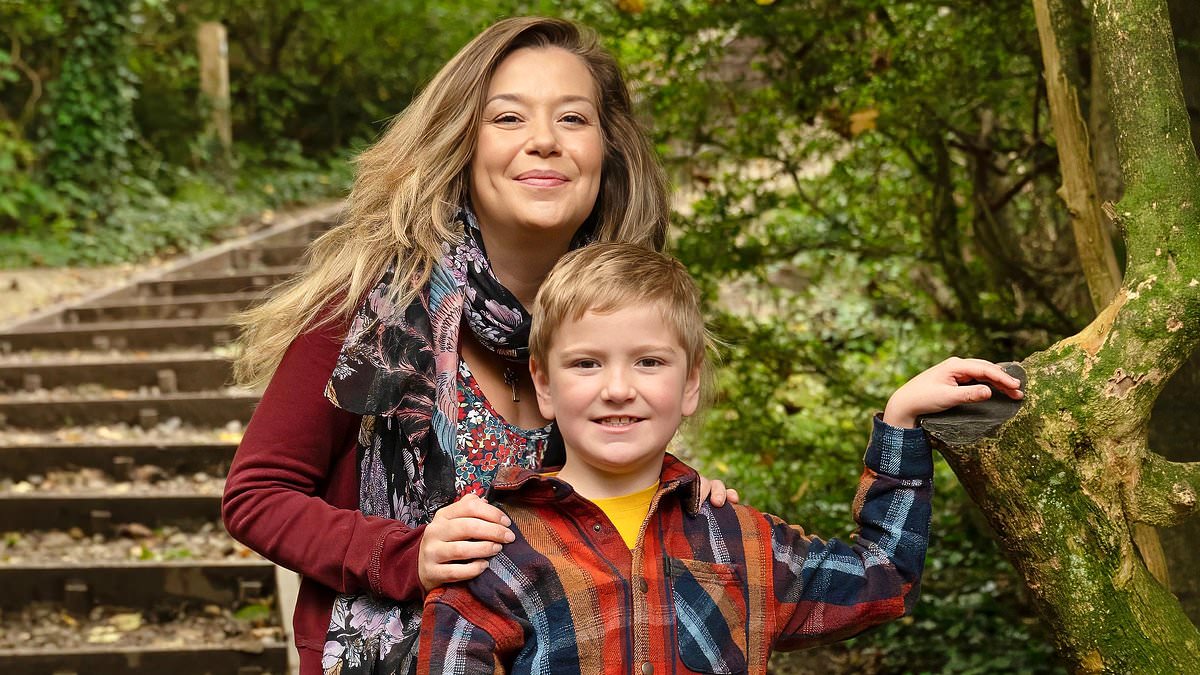
For seven months, Denise Tough’s life has revolved around a pain that she couldn’t predict, but also couldn’t ignore. “It started one evening after dinner in November [2025]. I felt a dull ache under my ribs on the right-hand side that gradually became a sharp, gripping pain.
At first, she thought it was indigestion, so chewed some antacids and waited for it to pass. Instead of easing, the pain intensified, spreading into her back. “I felt sick and sweaty. By midnight, I was curled up on the bathroom floor, begging my husband to call 999,” she says.
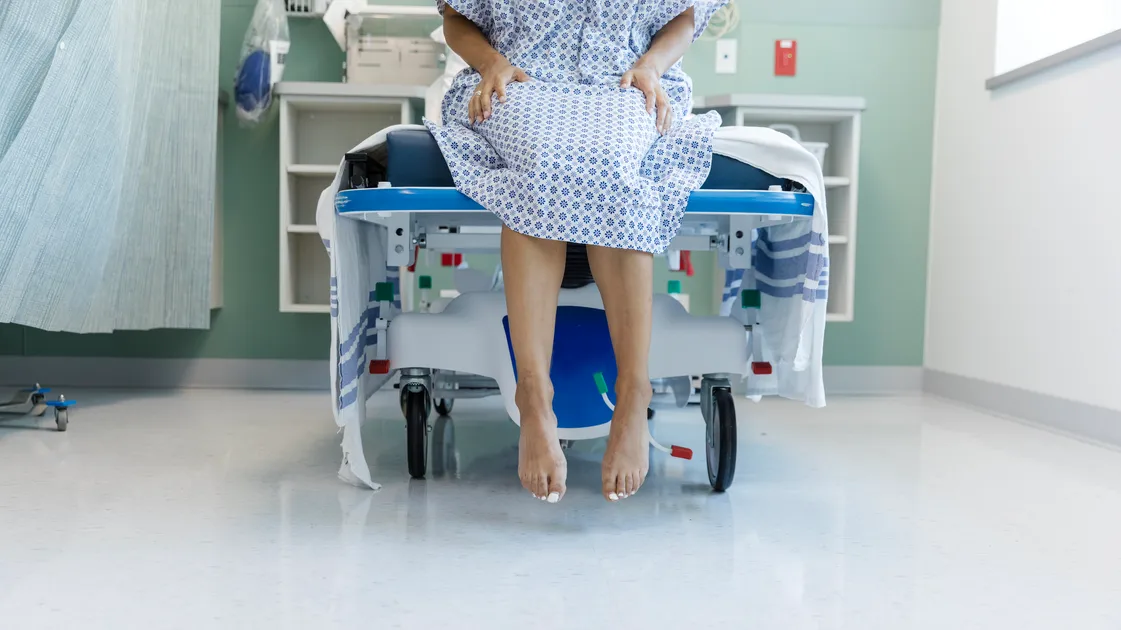
When paramedics arrived five hours later, Tough received morphine for the pain, and was transferred to her local hospital, where an X-ray and ultrasound found she had gallstones. A general surgeon told her she would need an operation to remove her gallbladder, but that current waiting times in her local NHS Trust were around 38 weeks.
Shorts
The treatment backlog caused by the pandemic is still being felt six years on, with six million patients waiting for elective treatment in NHS England, according to most recent figures. Although gallstones, – hardened deposits that form in the gallbladder – are relatively common, and often have no symptoms, extreme cases can cause blockages in the bile ducts, tiny canals that transport digestive fluid to the liver, leading to excruciating episodes of pain and sickness.