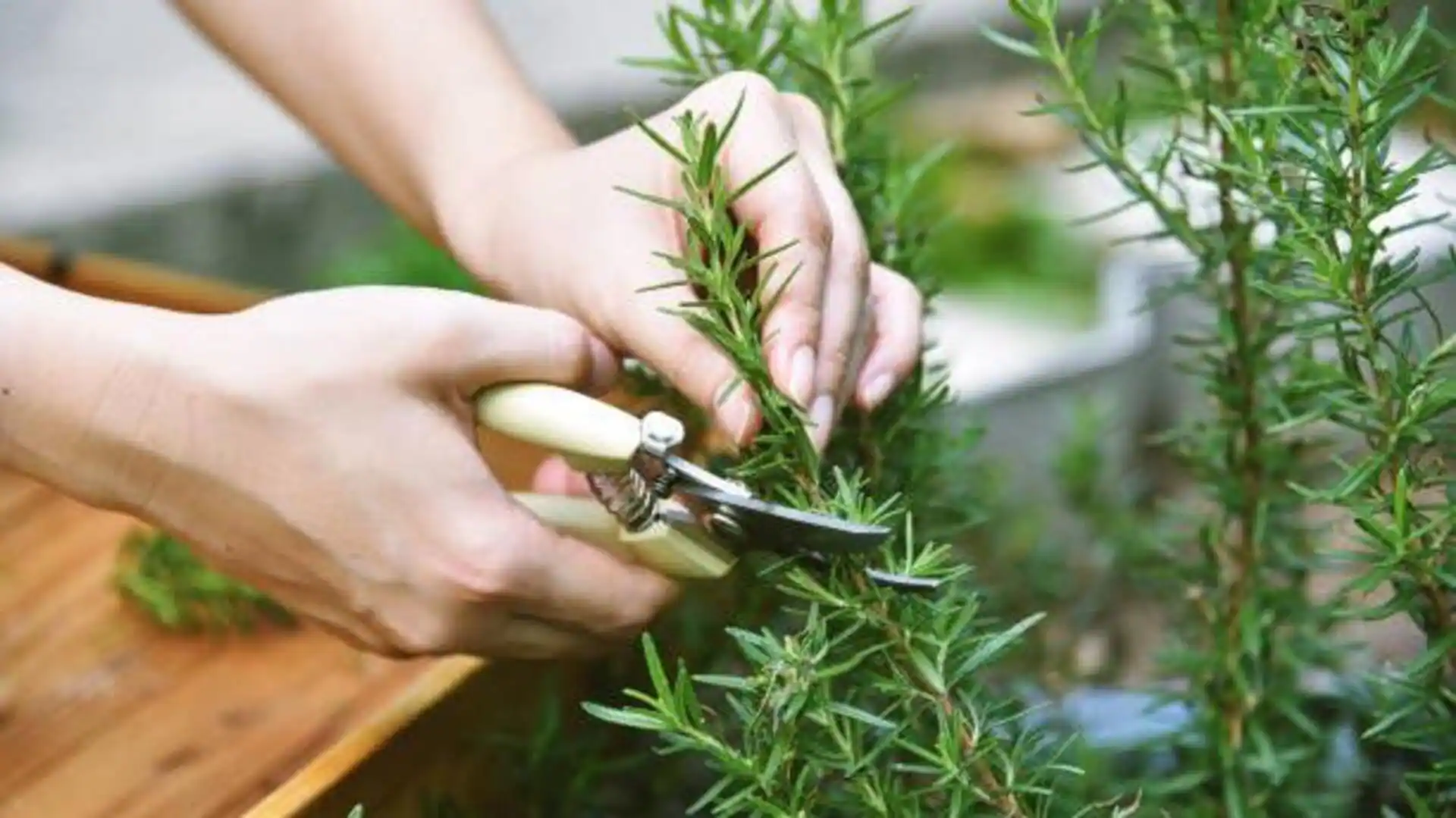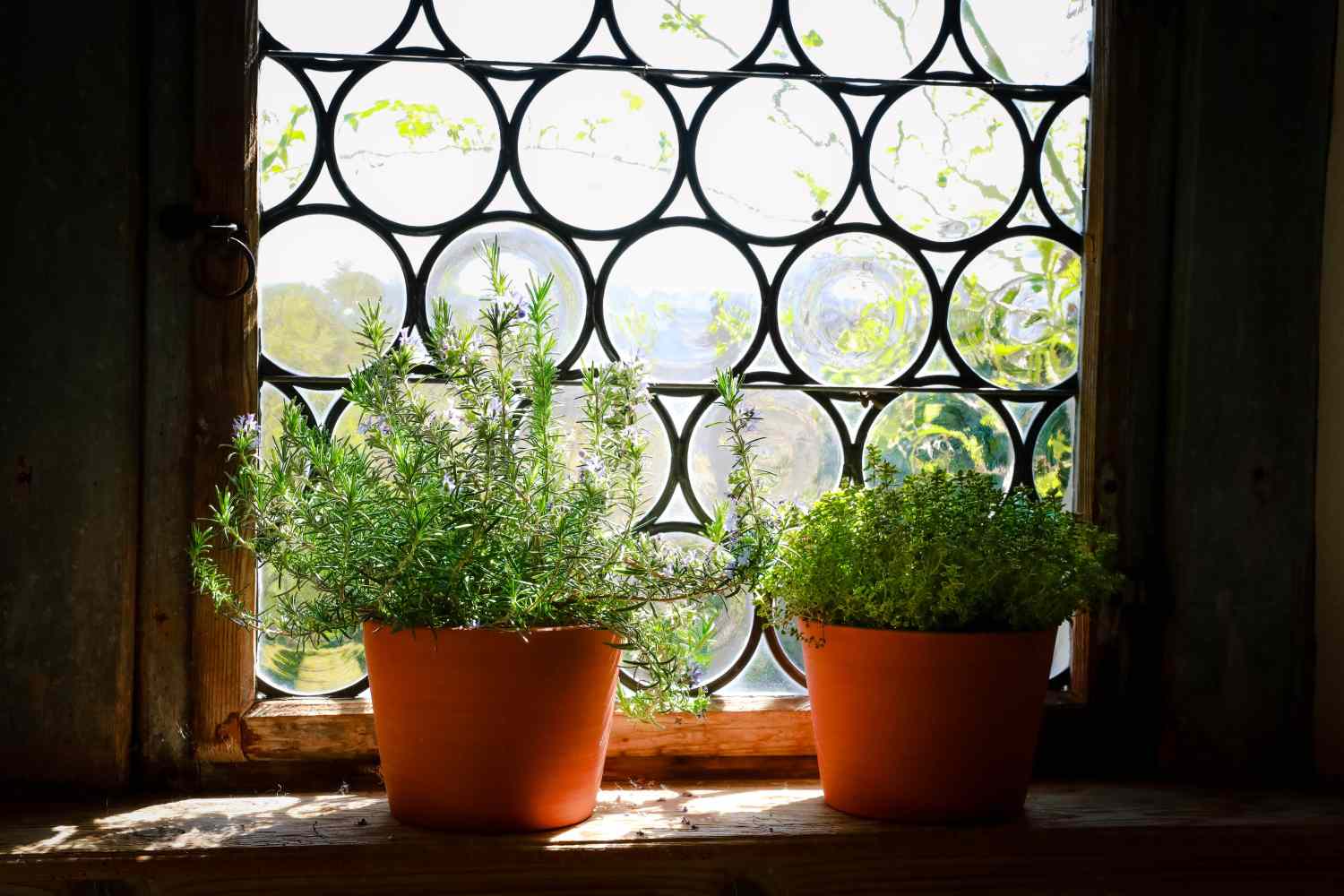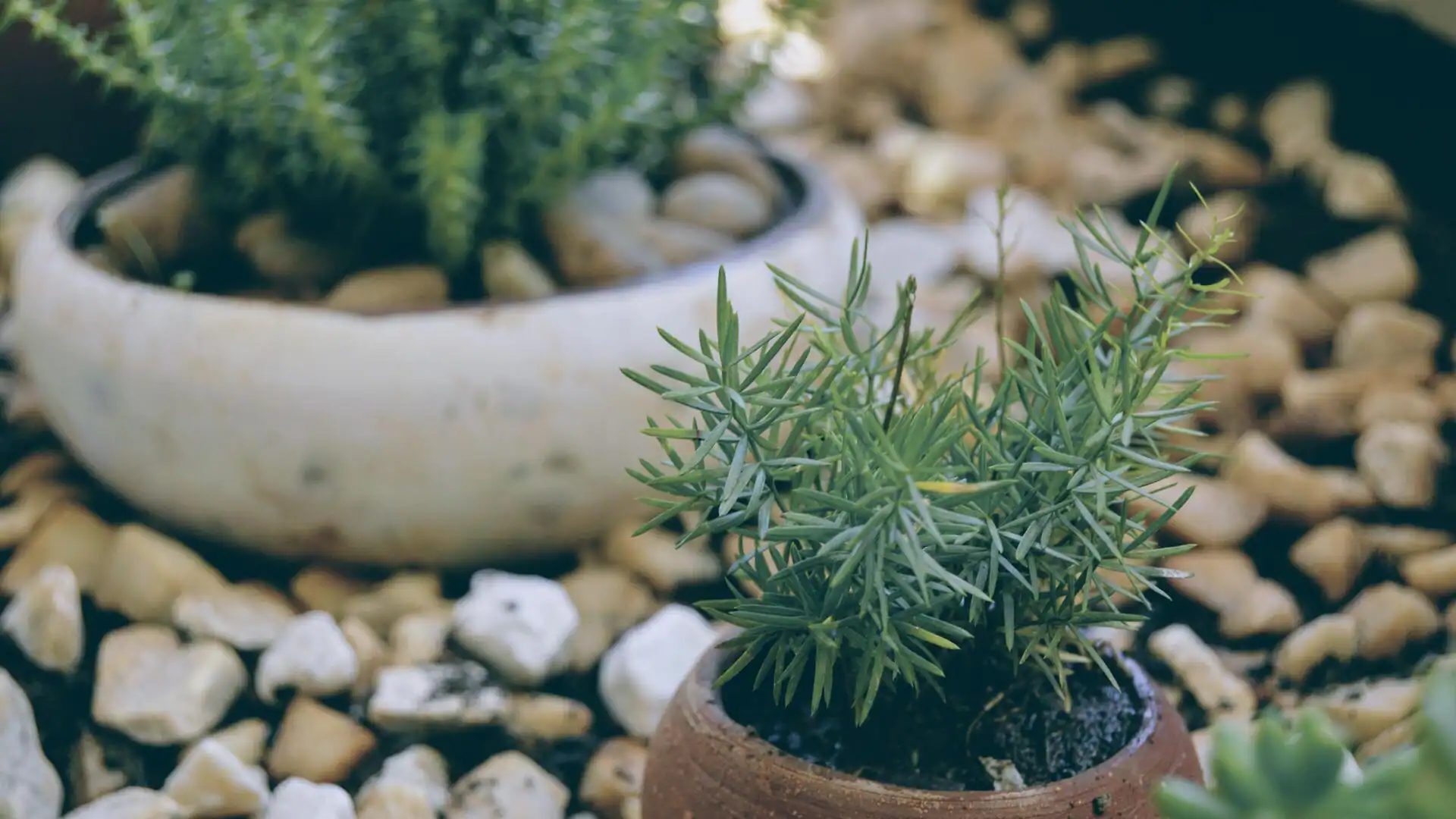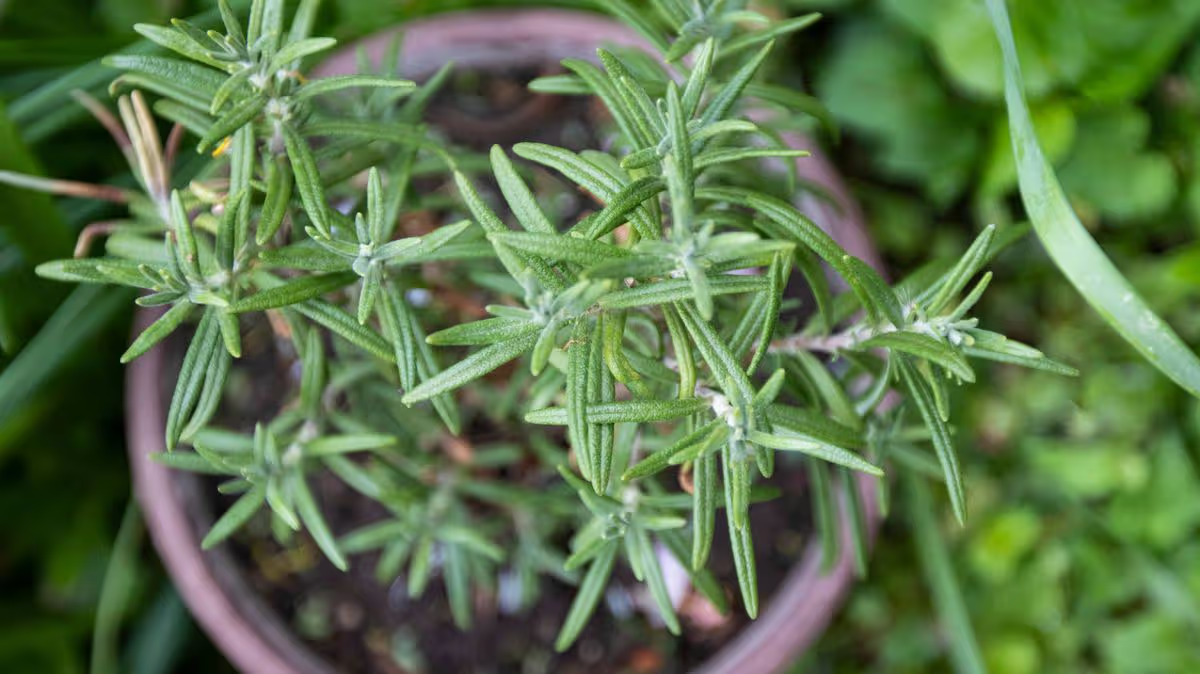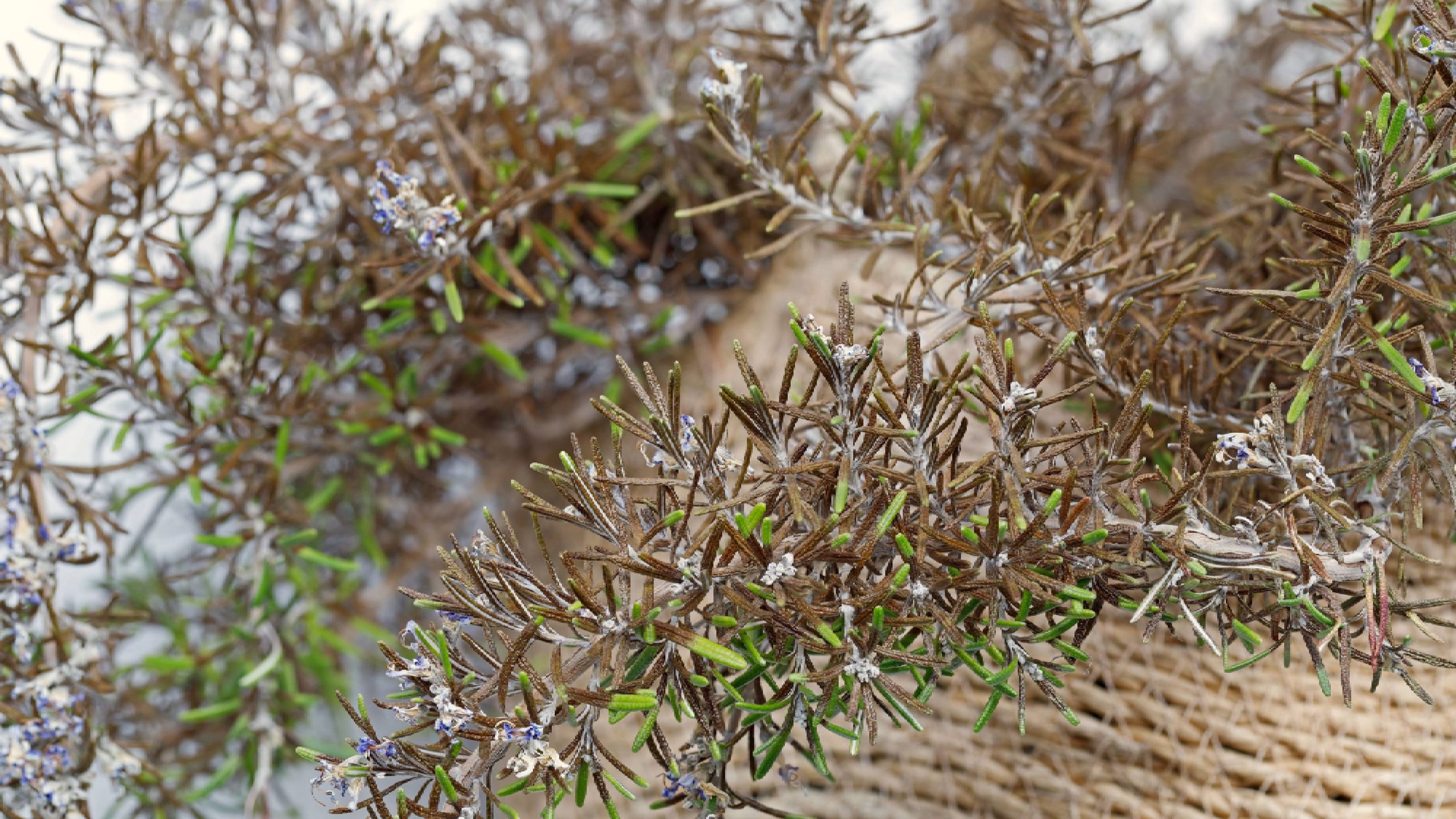
Rosemary growing wild might make you think it's unusually hardy, but like any plant, the wrong conditions can cause harm. Browning leaves are usually a sign that something is off — whether that's too much water, too little sun, or a sudden change in temperature.Most rosemary plants can be brought back to full health with a little attention and the right fix. Before reaching for a new plant, it's worth taking a closer look at what your rosemary is trying to tell you.Read on to find out what different signs indicate, and what to do next to restore your plant to its full, green vitality.Is your rosemary dead or just stressed?The best way to find out is to use the scratch test. Use a fingernail to scratch a small portion of the main stem. If you see green, moist tissue, the plant is still alive, but if the stem is brittle and brown, that branch is dead.If you can only find brown, brittle stems, the plant is beyond saving — it’s time to start again with a new one. If you see any green, though, your rosemary may still thrive with a little extra care.The main causes of browning (and how to fix them)
1. Root rot
If your rosemary has been overwatered or if it is in compacted soil or pots without drainage holes, the plant can develop root rot. Root rot occurs when too much water overwhelms the roots and encourages fungal diseases. Check the soil around the plant’s roots for moisture and porosity — that is, how densely the soil is packed and how easily it can drain. If your plant is outdoors and you’ve recently had a rainy spell, the rosemary may just need some time to dry out.