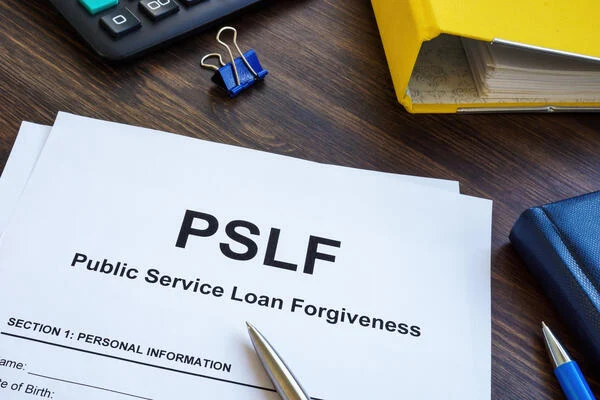
The Trump administration has asserted that it should serve as the final authority on eligibility for Public Service Loan Forgiveness, a change set to take effect July 1. This centralization of authority raises significant concerns, as no administration should have unilateral power to redefine eligibility for a statutory program created by Congress. Recent congressional efforts to overturn these new rules have already failed, as Republicans did not support a resolution that would have reversed the Trump administration’s changes.
To understand the implications of these new rules, it is helpful to briefly review the program’s origins. PSLF was established in 2007 under President George W. Bush through the College Cost Reduction and Access Act to encourage college-educated workers to enter public service professions such as teaching, policing, social work and nonprofit health care. Although straightforward in concept, the law lacked clarity, and misinformation from the federal government and loan servicers led to widespread confusion about eligibility and the forgiveness process. Early outcomes reflected these flaws, with denial rates reaching as high as 99 percent.
In response, Congress created the Temporary Expanded Public Service Loan Forgiveness program in 2018 to address these failures. This policy allowed borrowers to have their payment histories reassessed, particularly when they had been placed on ineligible repayment plans. Many borrowers held incorrect loan types, such as FFEL loans, or were enrolled in nonqualifying plans—often due to misinformation. In 2021, the Biden administration expanded these efforts, allowing borrowers to get credit for certain past payments that would not otherwise qualify toward PSLF. Together, these changes reduced borrower uncertainty and signaled that PSLF was finally beginning to function as intended.