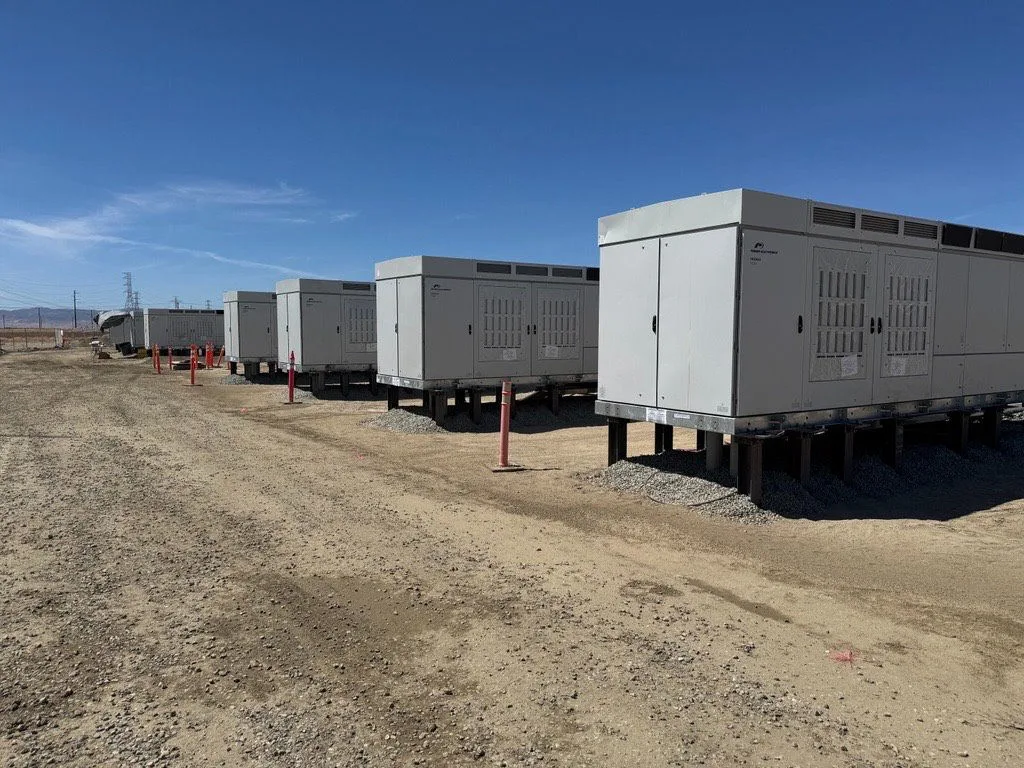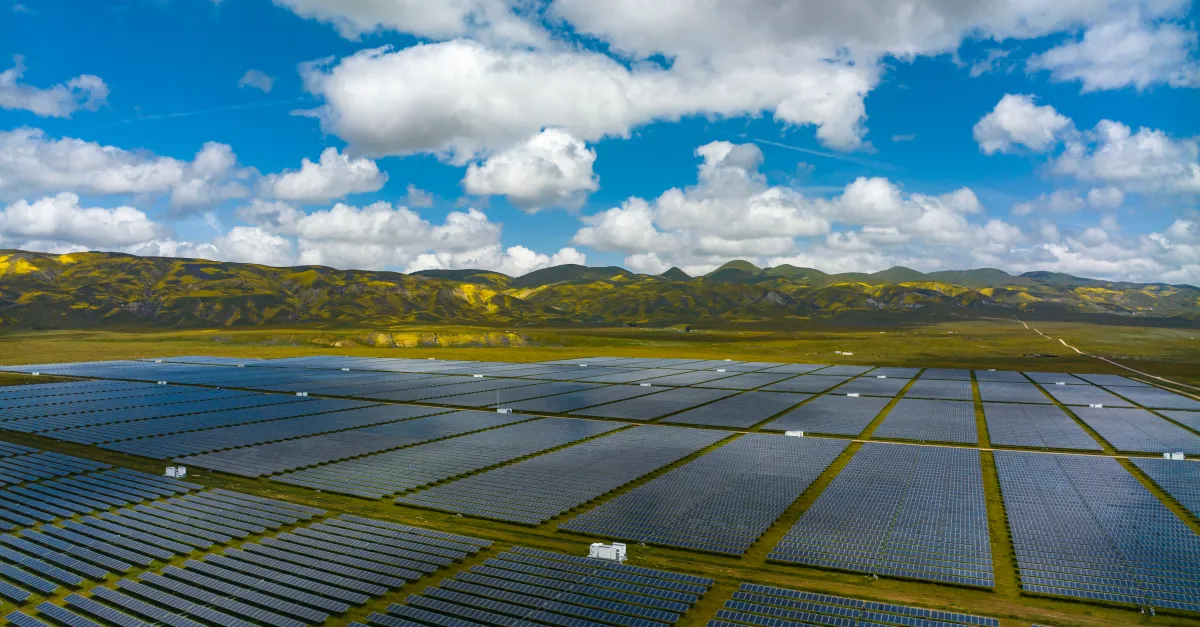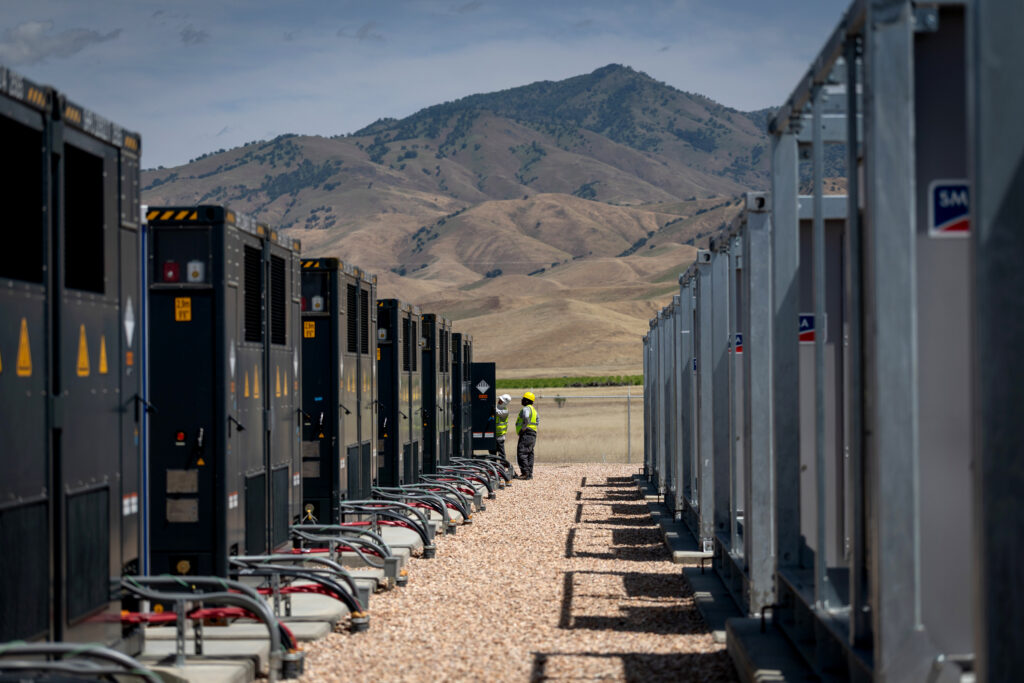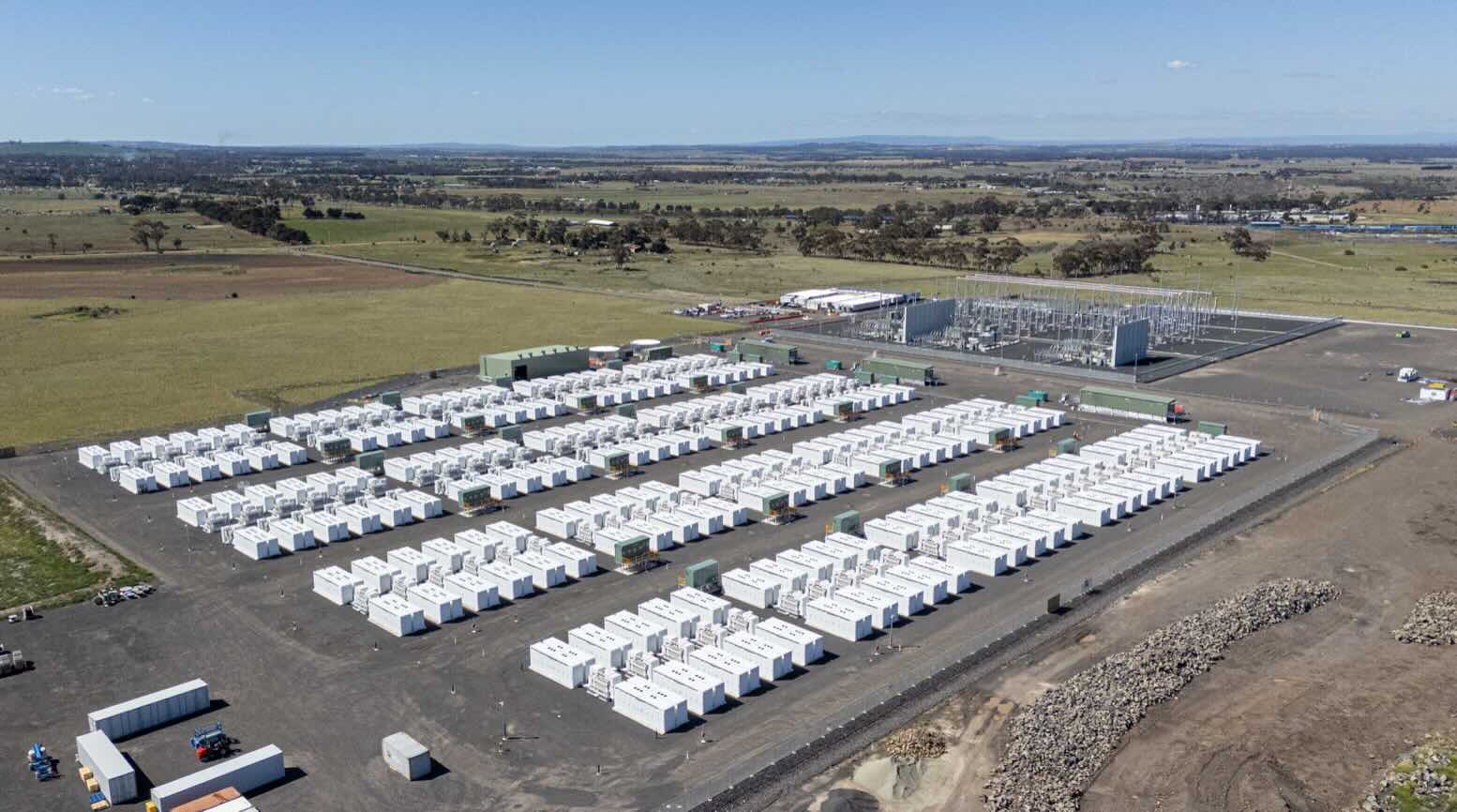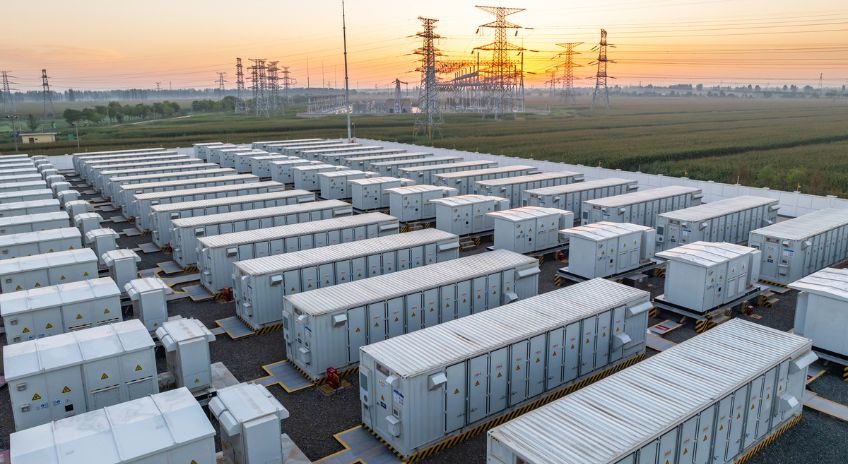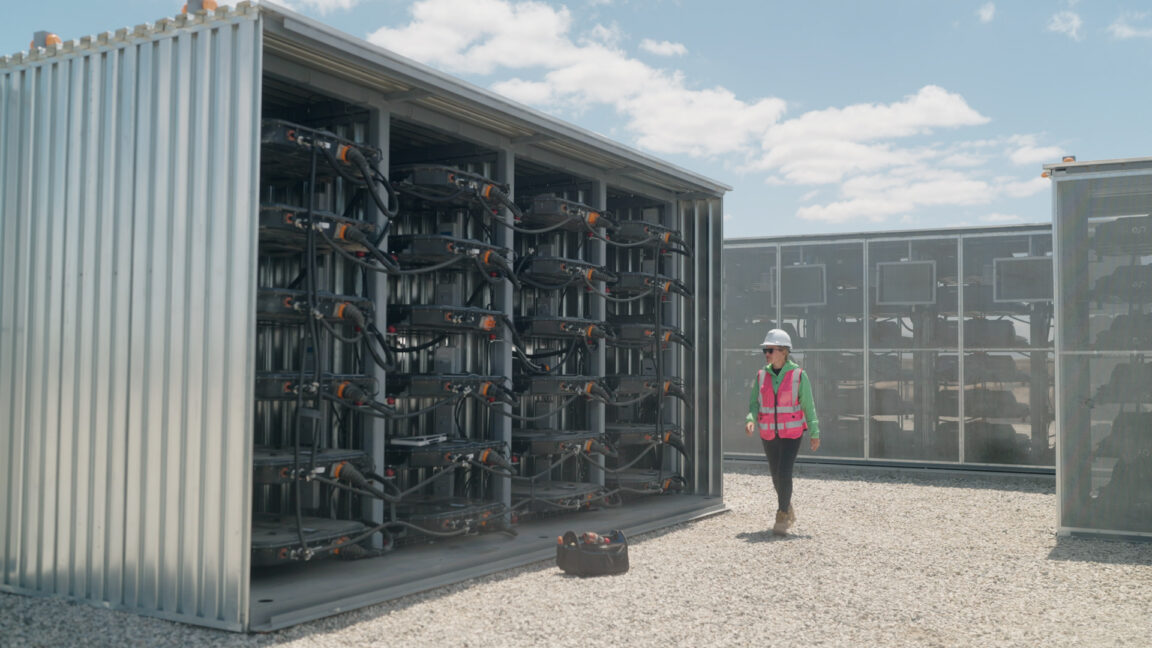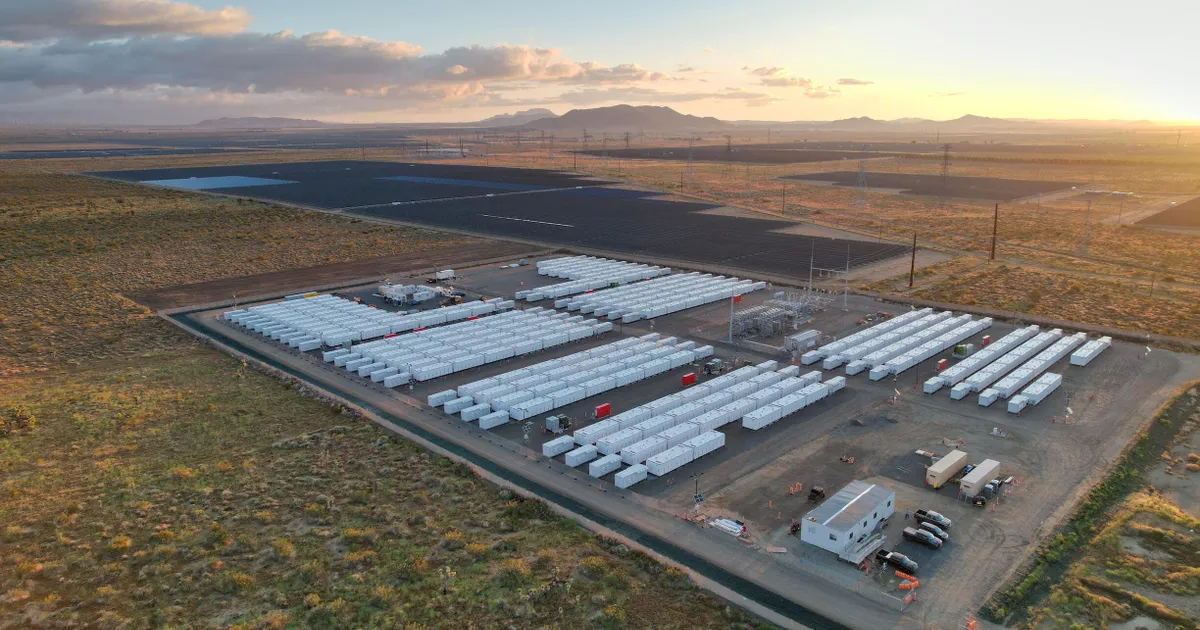
On June 1, the Tumbleweed project in California’s Kern County became the first major battery installation in the U.S. that can discharge power for up to eight hours at a time — twice as long as typical energy-storage facilities.
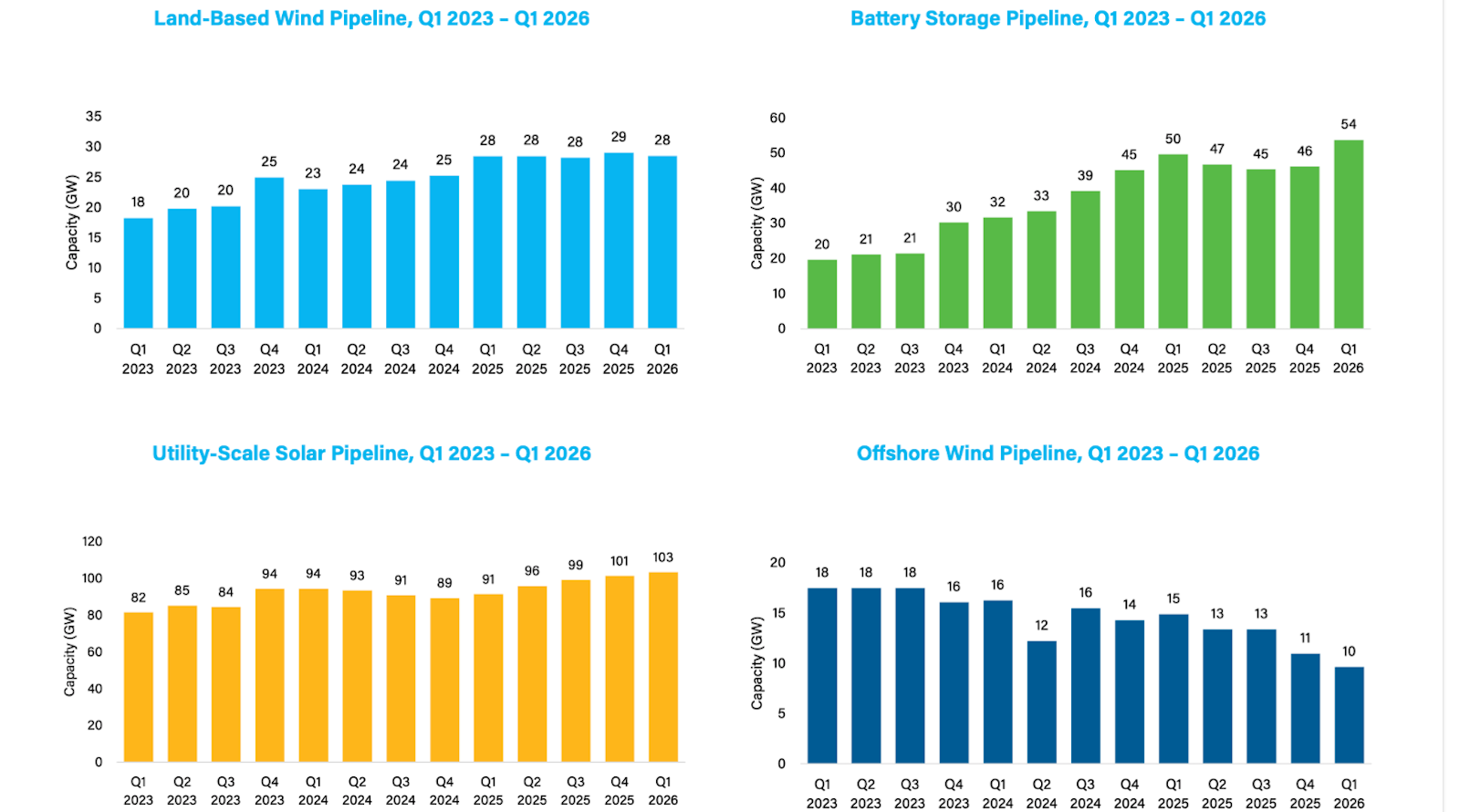
The U.S. power sector now builds more battery storage capacity than any other form of on-demand power, like gas, nuclear, or geothermal. But battery developers typically design their projects to discharge at maximum capacity for four hours before running out of juice; that’s what has made sense, so far, given equipment costs and market opportunities. Analysts have concluded that longer-duration storage is needed to cost effectively power the grid with clean energy 24/7.
“This was one of our first eight-hour contracts in the country for batteries, and now it’s one of the first projects online, and it’s a complex deal with a bunch of members coming together,” said Alex Morris, general manager of California Community Power. “It’s designed to be part of the clean energy mix, helping capture the solar and discharge that later when they need it.”
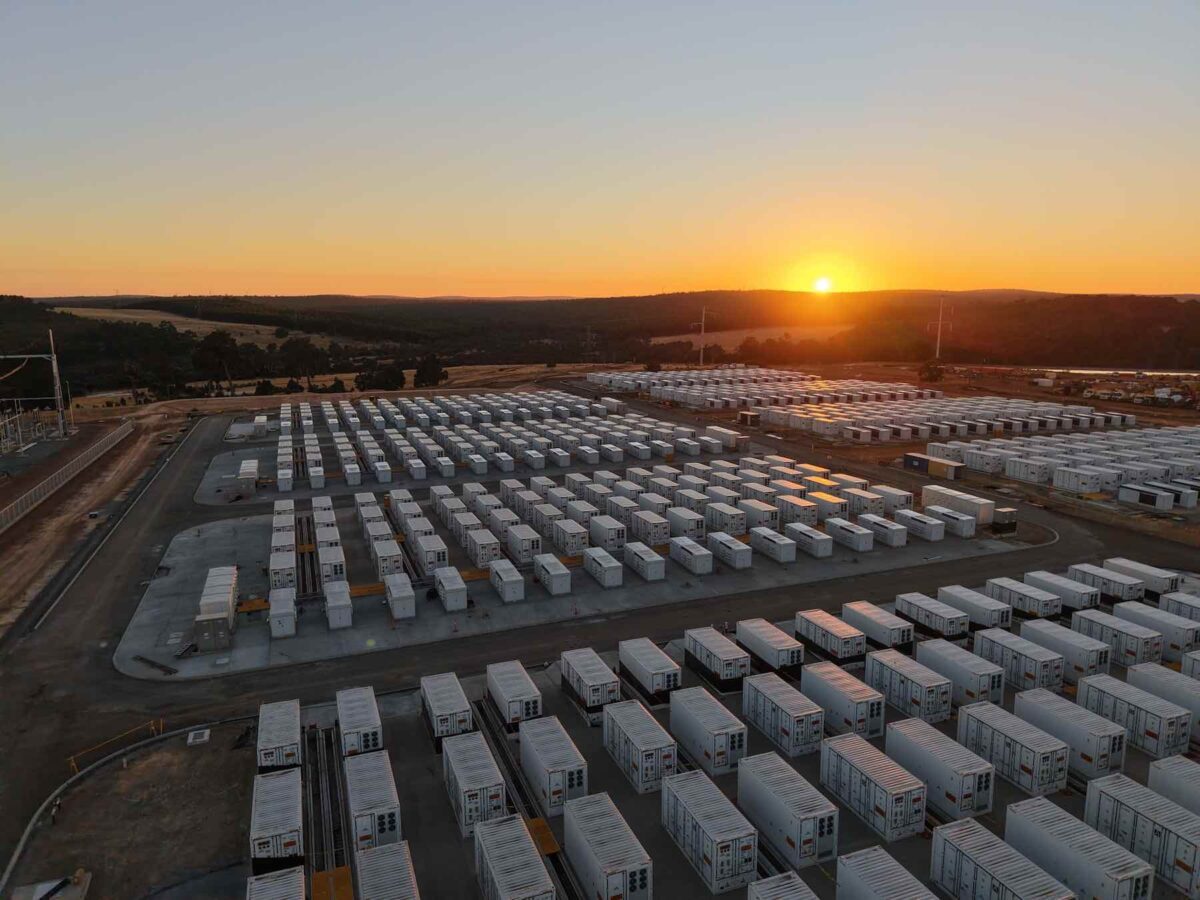
Granted, the system’s 125 megawatts of instantaneous capacity are modest compared with the multi-hundred-megawatt batteries getting built elsewhere in the West. But Tumbleweed is far bigger than the 6-megawatt, eight-hour battery installed in Nantucket in 2019 for a special-case island power role, and larger than the 50-megawatt, eight-hour battery that went live in Australia in May. Tumbleweed has finally delivered eight-hour storage at a meaningful scale to test what this emerging resource means for the grid.