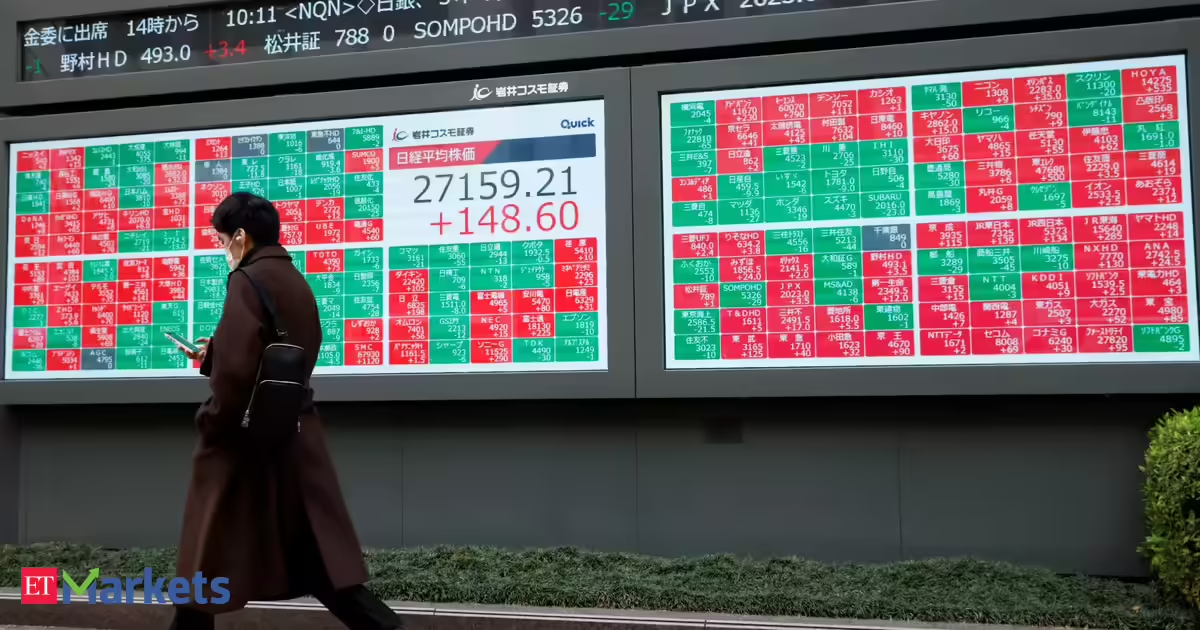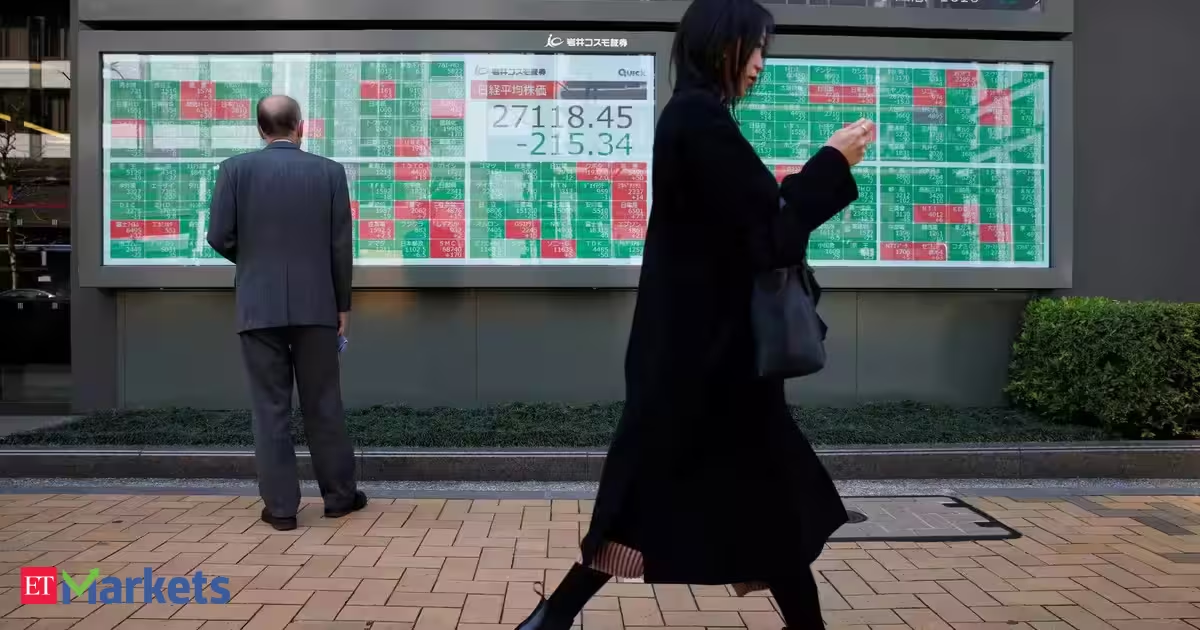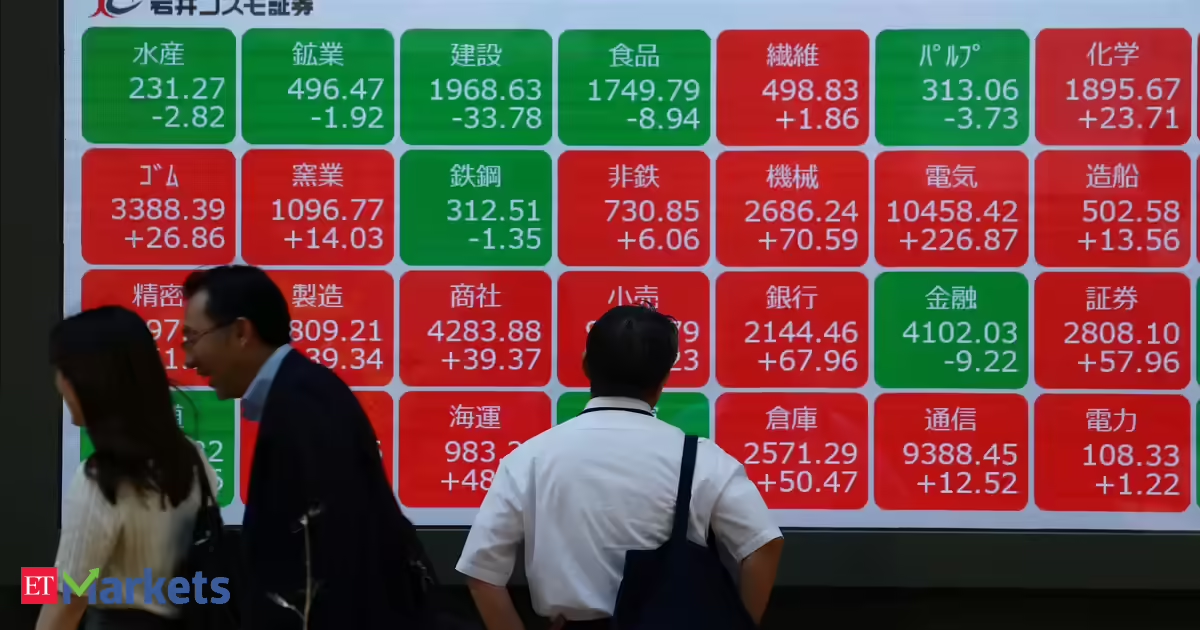
Japan's Nikkei share average sank by the most in three months while the yen traded above 160 per dollar on Monday on renewed concerns about technology valuations and a flare-up in Middle East hostilities. The benchmark Nikkei 225 Index dropped 3.85% to close at 64,024.60, marking its sharpest one-day slide since March 9. The broader Topix slid 2.45% to 3,852.38. Tech stocks in the U.S. cratered on Friday after a hot May jobs report fuelled fears of a hawkish policy pivot from the Federal Reserve. The Philadelphia SE Semiconductor Index posted its largest one-day plunge since March 2020. Oil prices jumped on Monday after an Israeli attack on Beirut over the weekend prompted Iran to direct a salvo of missiles at Israeli targets. U.S. President Donald Trump said on Sunday that new strikes by Israel and Iran would not affect his administration's peace talks with Tehran. "In addition to the decline in technology-related stocks, geopolitical risks also seem to be weighing on the market," said Maki Sawada, an equities strategist at Nomura Securities, adding that the yen remains at the 160 per-dollar level where currency intervention is a concern. The yen weakened to levels not seen since Tokyo intervened in markets more than a month ago, while government bonds fell as a jump in energy costs fanned inflation concerns. Data on Monday showed that Japan's economy lost momentum in the January-March quarter, as the Middle East conflict added to headwinds. There were 163 decliners on the Nikkei index against 61 advancers. The largest losers on the gauge were Sumco, down 12.8%, followed by Murata Manufacturing, down 10.1%, and Socionext Inc, which lost 10%.
Global markets: Japan's Nikkei slumps, yen trades above 160 level on tech, Gulf concerns
Japan's Nikkei share average experienced its biggest drop in three months. The yen also weakened significantly against the dollar. Concerns over technology stock valuations and escalating Middle East hostilities impacted the market. This led to a sharp decline in Japanese equities. Investors are closely watching geopolitical developments and their economic consequences.
273 words~1 min read