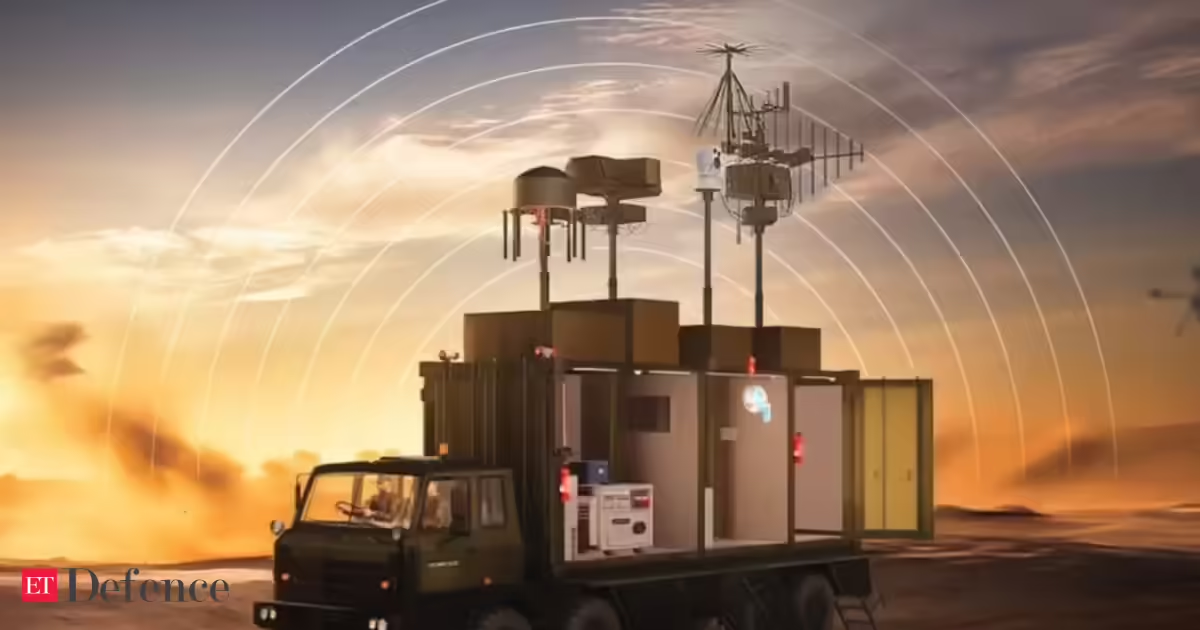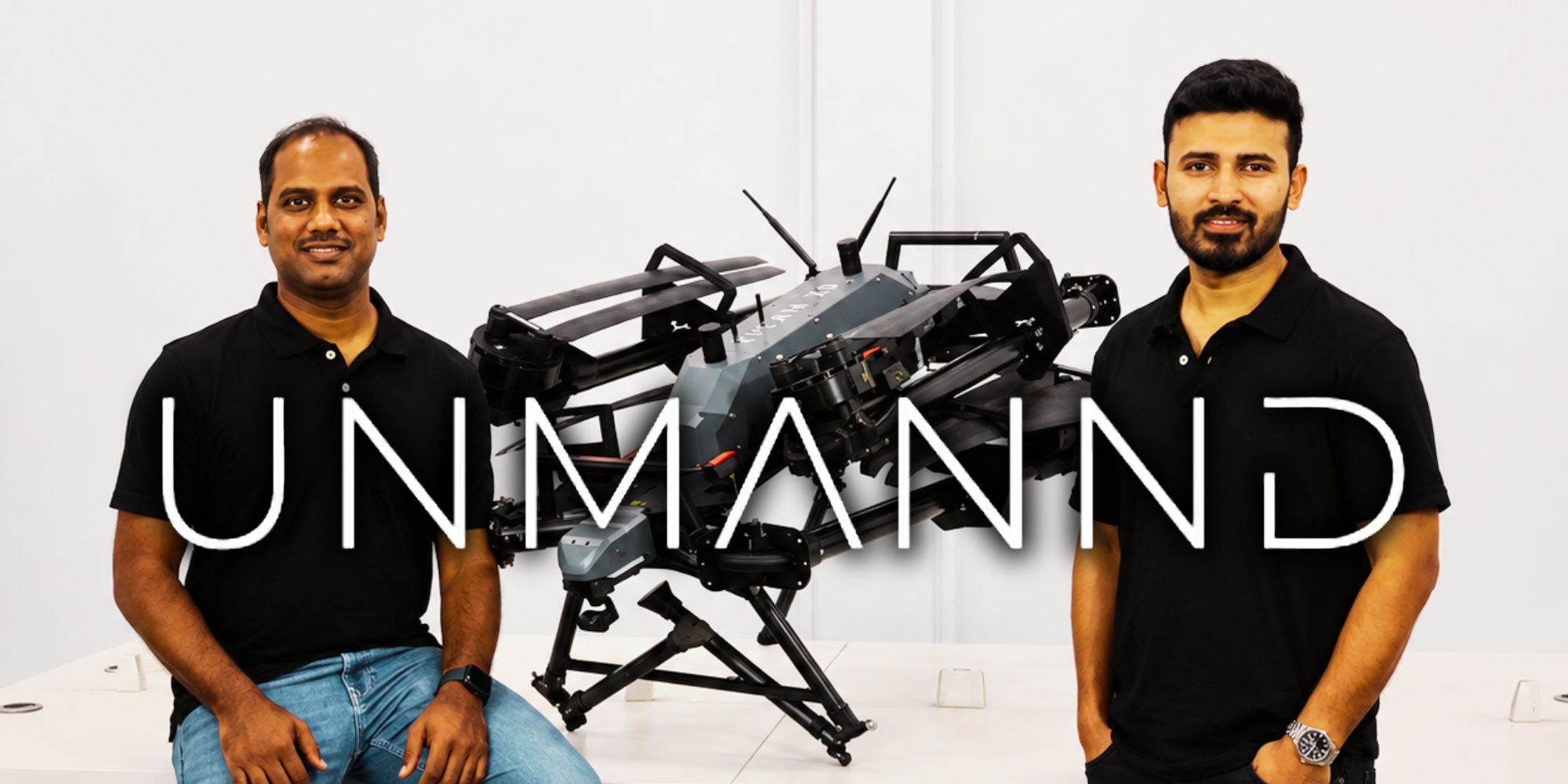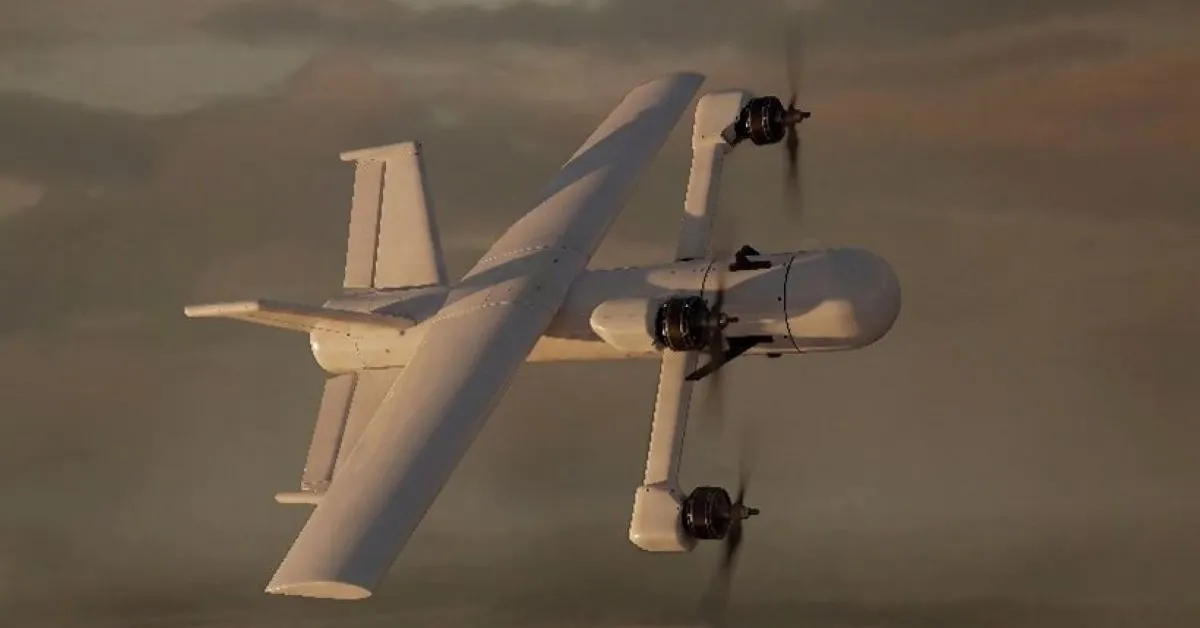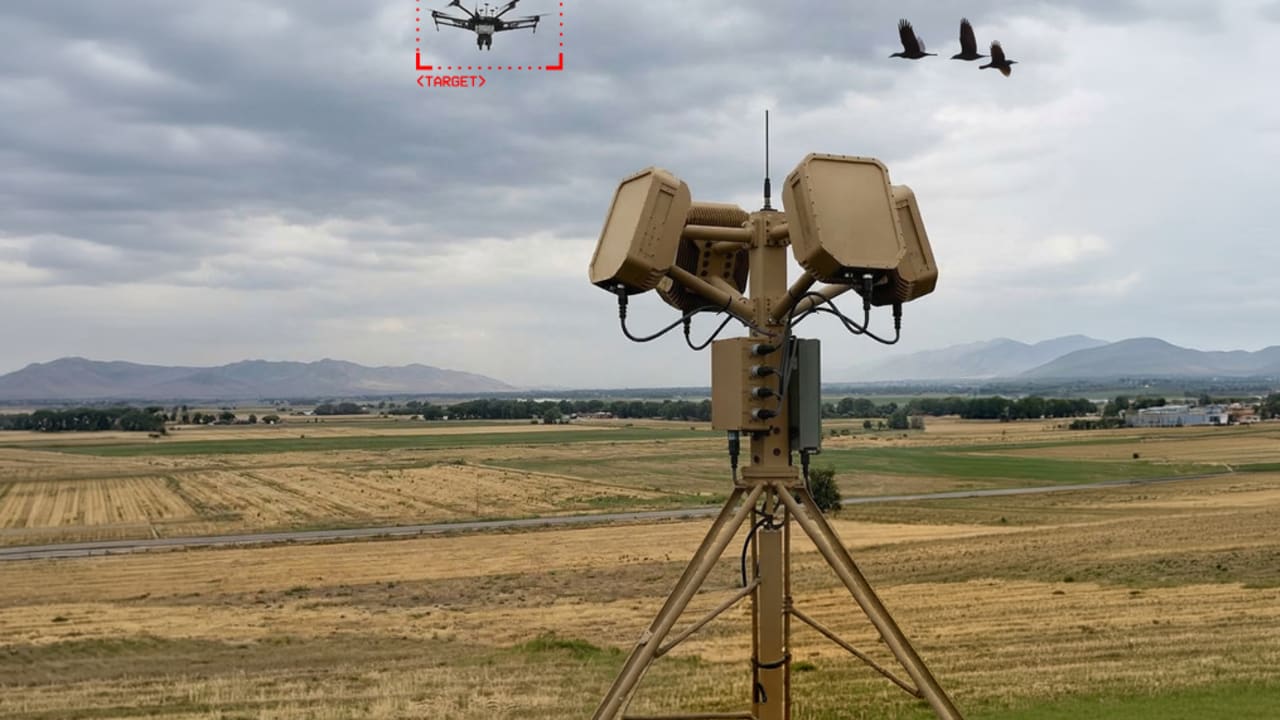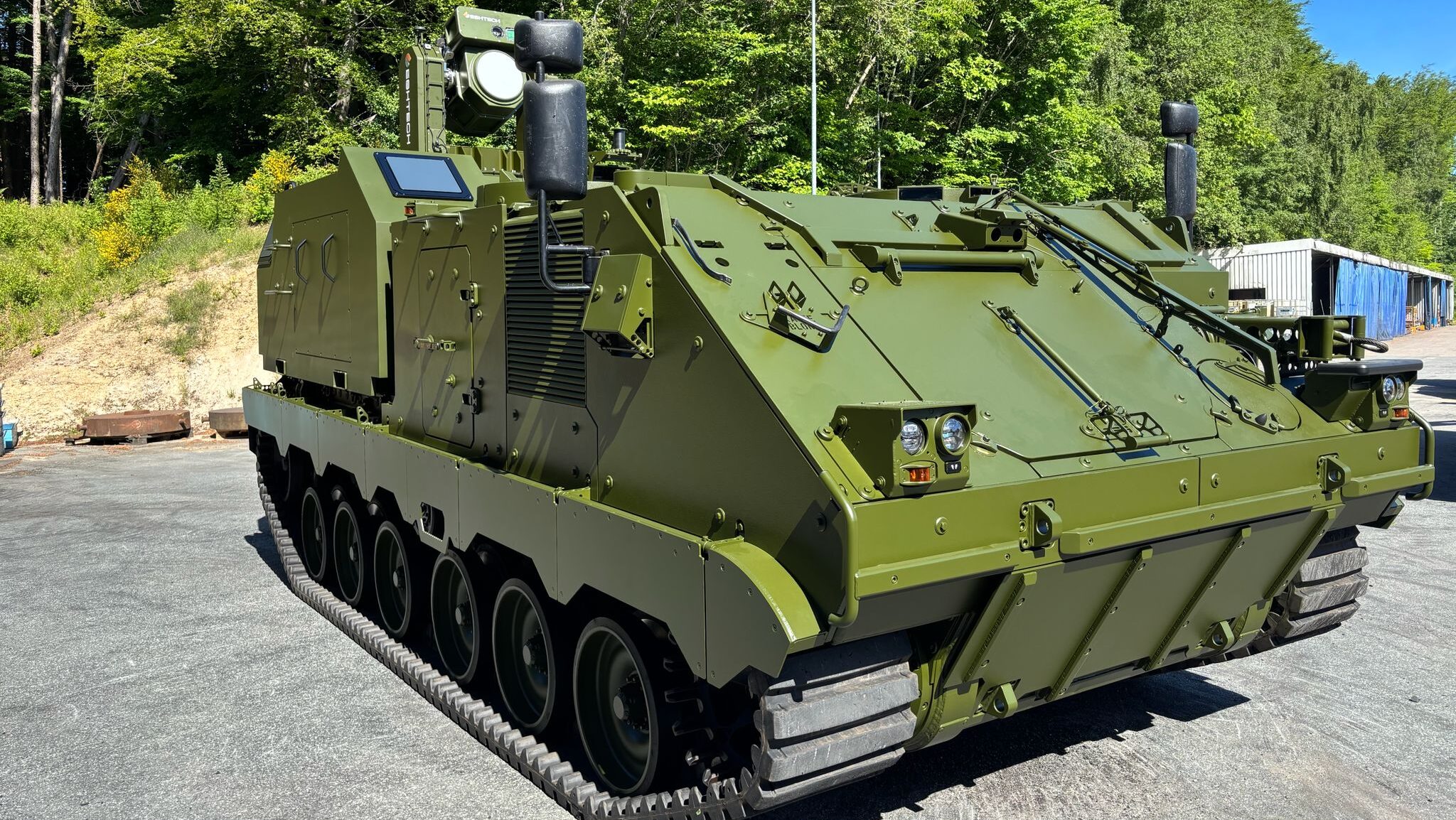
Zen Technologies Ltd is developing a comprehensive anti-drone system designed especially to neutralise hostile swarm unmanned platforms using a combined “soft kill” and “hard kill” grid, company CMD Ashok Atluri said. While Zen has non-kinetic soft kill systems, it is now pivoting towards upgraded integrated, automated weapon systems — a hard kill shift Atluri admits poses an engineering challenge.The company has so far supplied to armed forces Counter-Unmanned Aerial Systems (C-UAS) of different capabilities. These include an anti-drone system with hard-kill capability, which integrates legacy L-70 air defence guns to detect target data from sensors and automatically lead the barrel to accurately track and shoot down hostile drones. Likewise, it has supplied an anti-drone system soft-kill framework to jam communication networks and navigation links to bring down hostile drones. Their systems were also deployed during Operation Sindoor.“We want to expose soldiers as little as possible by offering completely AI-driven automated weapon systems,” Atluri said during an interaction at his Hyderabad facility. This gives a sense of his company’s future programmes that are in sync with the armed forces’ growing demands for platforms designed to detect, track, identify, and neutralise rogue drones in real time through kinetic and non-kinetic means.Referring to the development cycle, the Zen CMD stated that multiple simulations of actual scenarios are going on to arrive at solutions for shooting down drones in varied numbers. “We are examining what kind of remote controlled weapon systems would be required for this comprehensive model. We will eventually do the trials to know the kill ratio. By the end of this year, we should be in a position to carry out testing at our Hyderabad facility,” he stated.The overall counter-drone architecture, according to him, will have a combination of interceptor drones and integrated weapon systems.On the first anniversary of Operation Sindoor, the company launched India’s first fully integrated, AI-powered anti-drone system at the North Tech Symposium in Prayag. Featuring a unified soft-kill and hard-kill architecture, this modern defence solution counters the exact low-cost drone swarms currently overwhelming traditional air defences in global conflicts.He also stated that Zen Technologies is developing aircraft simulators for the Indian Air Force after meeting requirements of the Indian Army with different sets for firing training of small arms and artillery guns, and for driving trucks and tanks, apart from others for the Indian Navy.Through six subsidiaries, it is also developing smart bombs like air bursts and loitering munitions, engines for long-endurance UAVs, and is indulging in automation and robotics to fulfil military objectives.Vector Technics, a Hyderabad-based startup which offers indigenous DC propulsion systems for different weight classes and mission types of drones and has clients like Tata Advanced Systems Ltd (TASL) and Bharat Forge, is now moving towards manufacturing internal combustion fuel-powered engines for aerial vehicles.The initiative is a strategic move to ensure readiness in indigenous propulsion technology, focusing on the power requirements of long-endurance drones. The benchmark for this development is Iran’s Shahed family of combat UAVs, which captured global attention for their widespread deployment by Russian forces in Ukraine, as well as in recent direct escalations involving Iran, the US, and Israel.“Drones are developing as fast as AI. Our formula is to fail fast to get engines fast,” remarked Vector Technics CEO Prudhvi Raj Pakalapati at his shopfloor on the outskirts of the capital city, surrounded by youngsters immersed in front of screens and tools and machinery to produce motors for drones. At a corner of their industrial facility, innovators were minutely checking an under-development engine which, Pakalapati said, has done a hundred hours of running.Karna Raj, the co-founder and Chief Technology Officer (CTO) of the startup, said they would be in a position to go for trials of the engine propulsion system, having endurance for a five- to eight-hour long mission, in the second quarter of 2027.“We would want to be the Bosch (Germany-based world’s premier engineering and technology giant) of UAVs. Like they do lots of things for cars without actually manufacturing the car per se. Similarly, we too are progressing in that direction,” he stated, outlining the future roadmap. They are also investing in drivers for robotics.Recalling his battle to get traction for homegrown engine manufacturing just a few years ago, he said he knocked on doors across the defence establishment but found the sector entirely blinded by the hype of battery and hybrid propulsion systems — leaving conventional engine innovators out in the cold, which they are chasing now.Indian companies are even with European and American ones on hardware development but need to catch up on testing and field experience. There has to be a method for institutionalising user feedback for continuous development of products, he suggested.(The writer was invited by Zen Technologies Ltd to see developments of its military platforms.)Published on June 8, 2026
Zen Technologies develops integrated AI-powered anti-drone system
Zen Tech develops anti-drone systems, UAV engine plans grow
795 words~4 min read