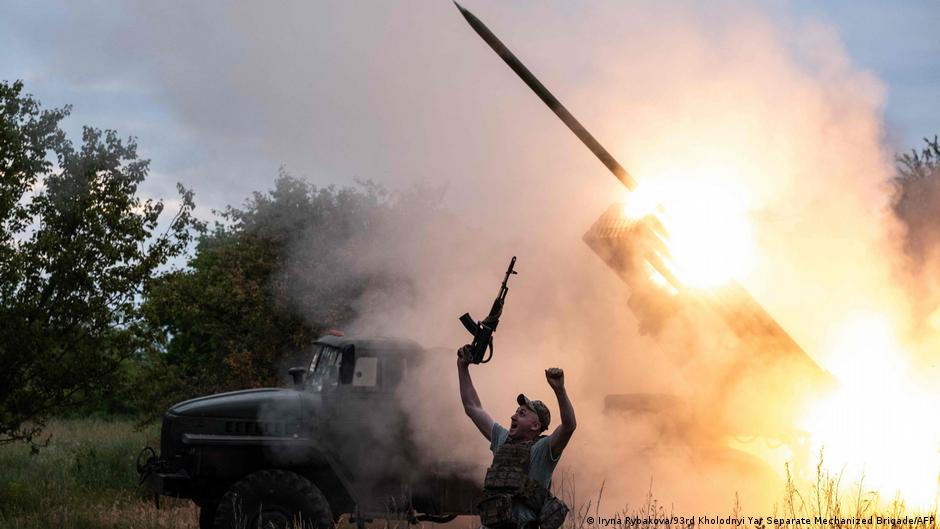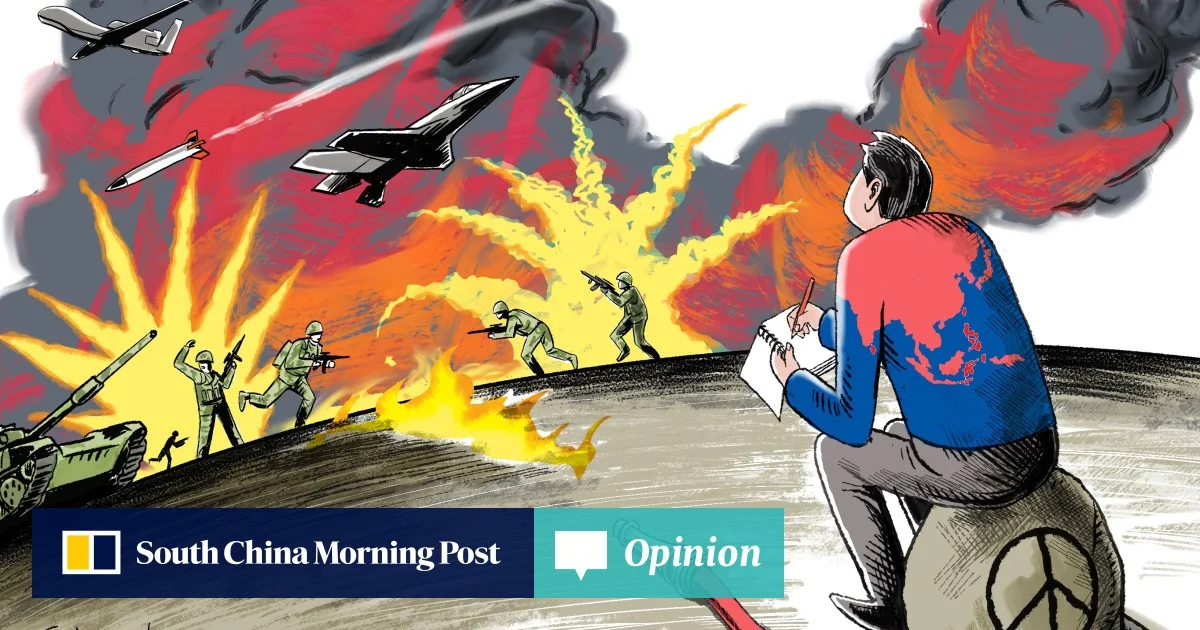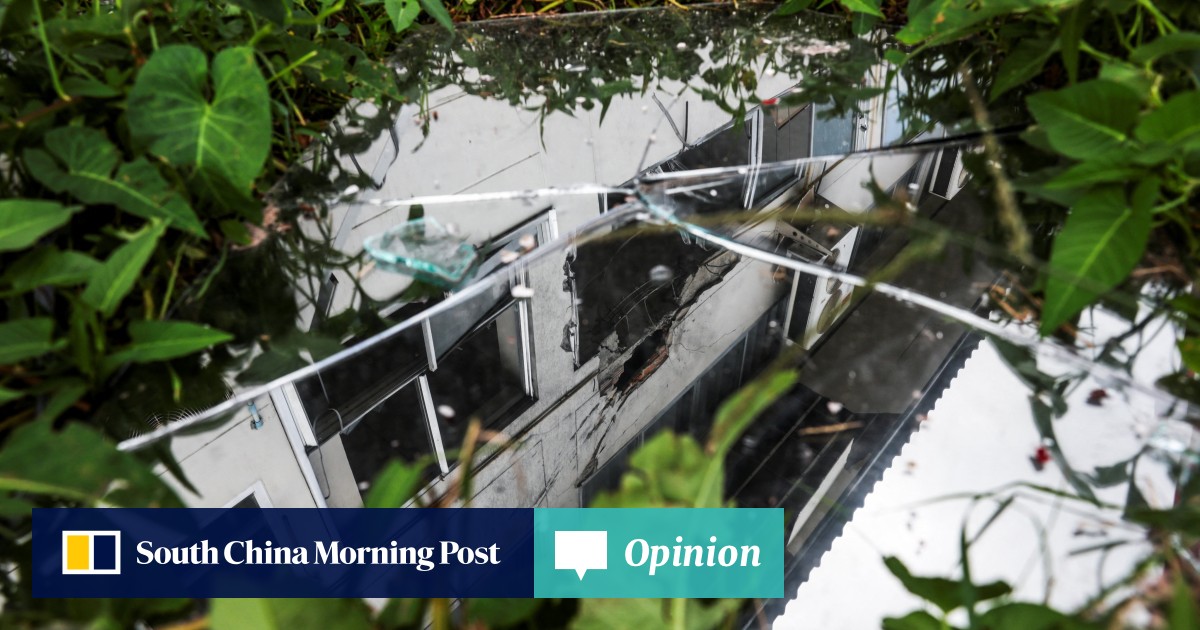
With wars raging around the globe, the study of peacebuilding should be more high profile than ever. Yet for all its relevance and rigour, peace studies has always occupied a contentious position within academia and society that has limited its visibility and impact.
“Peace and conflict studies have never been prominent, though they should be,” reflected Oliver Richmond, professor of politics at the University of Manchester, who founded its master’s programme focused on these subjects.
He argued that its “long and dynamic” body of research “could help in these current wars”. But implementing these ideas would require “fundamental reforms to the international system as well as to foreign policy, which many countries are unwilling to do”, he explained on why politicians haven’t embraced the discipline in the same way as war or security studies.
Peace studies goes beyond the “limited perspective” of nation states agreeing peace via diplomatic deals, usually following military action, said Richmond of how the discipline differs from conventional security studies. Instead, it moves towards a “deeper and broader” perspective of the “conflict-affected citizen supported by global and regional peace-making tools”.