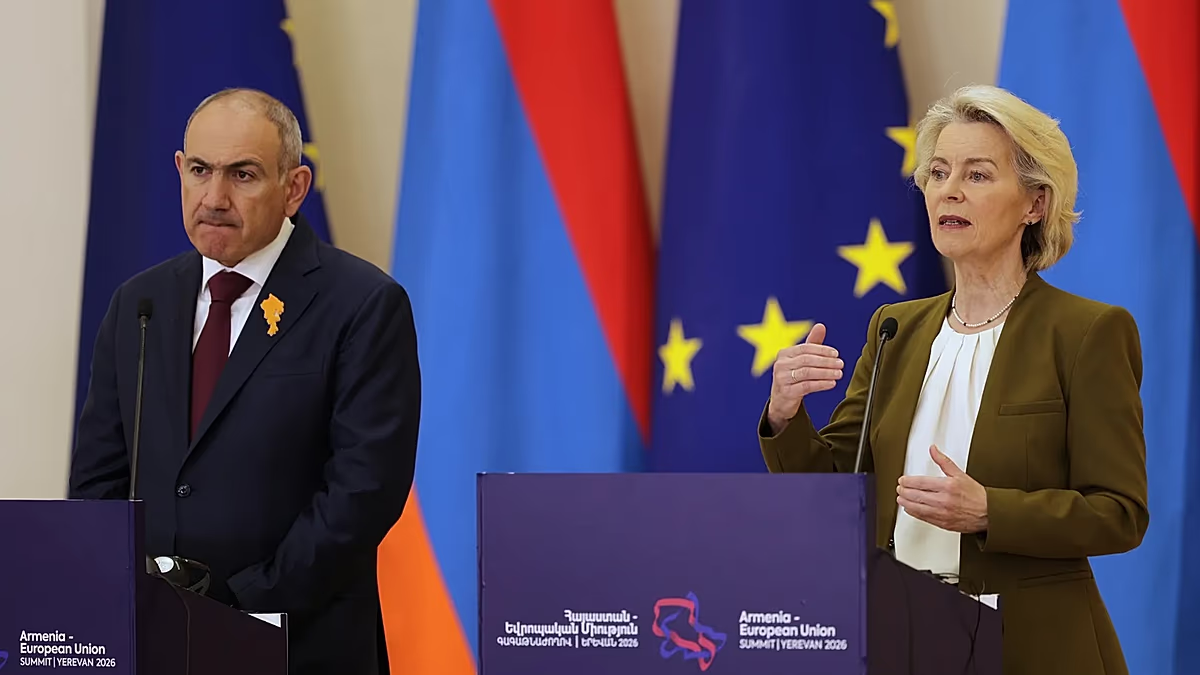
Good morning, Brussels. Angela Skujins here on newsletter duties. Roughly 24-hours ago we saw two lightning rod elections – one in Kosovo and one in Armenia — with candidates bristling against Russian influence and communities weighing whether to get closer to the European Union.
This newsletter is all about the bloc's battle of wills amid campaigns of foreign interference.
Barbs at the ballot box. Near complete results from Kosovo’s snap election show the country’s incumbent Prime Minister Albin Kurti's party on track to secure the most votes (43%). The social democratic, pro-EU party, Vetëvendosje, has not drummed up enough support to govern alone, however, and will most likely need to form a coalition.
Despite the results, it remains unclear whether this will bring an end to a political impasse for the small Balkan country seeking to move closer to the EU and North Atlantic Treaty Organisation (NATO).
On a whistle-stop trip to the Western Balkans last week, European Council President António Costa urged Kosovo and Serbia, a country seen by some for having pro-Russian proclivities, to normalise ties between each other. This would benefit both bids to join the 27-member bloc.