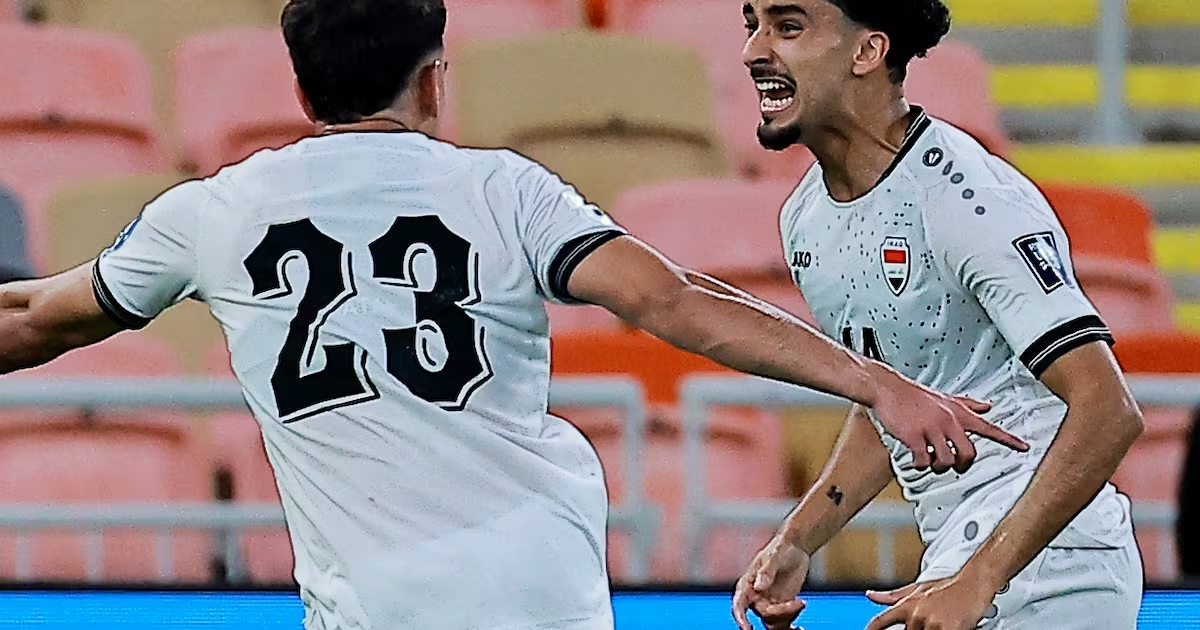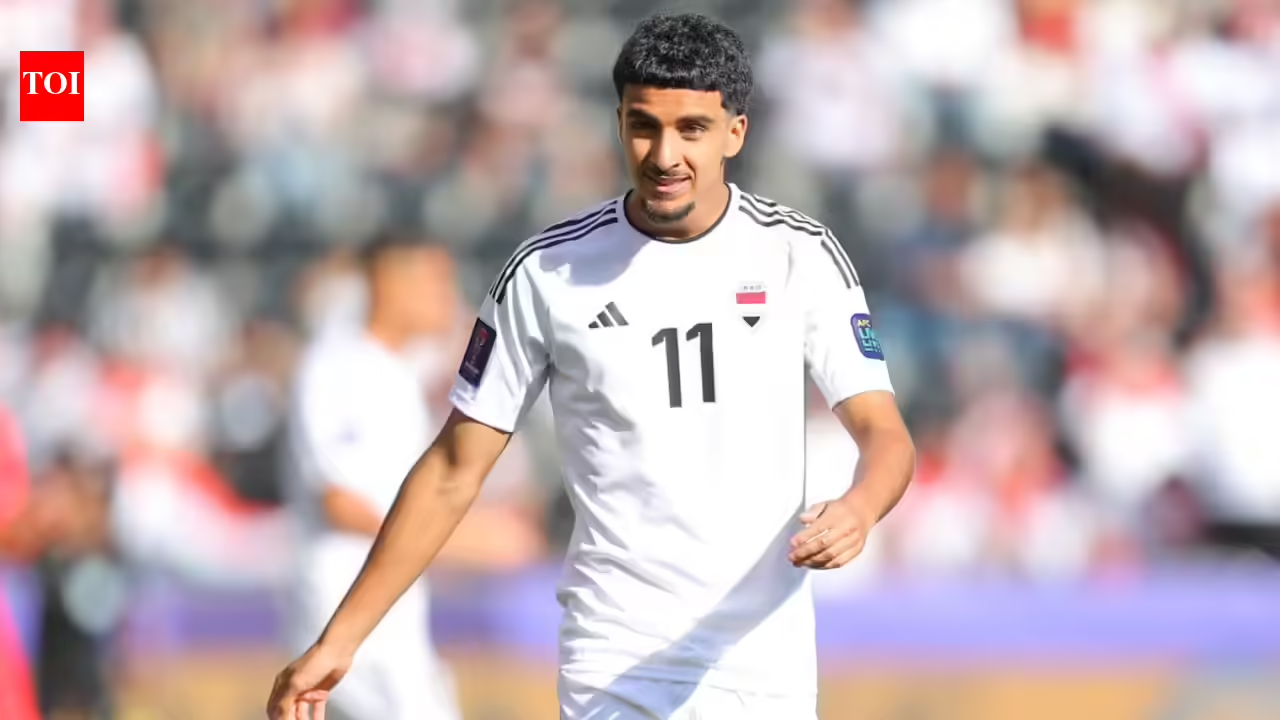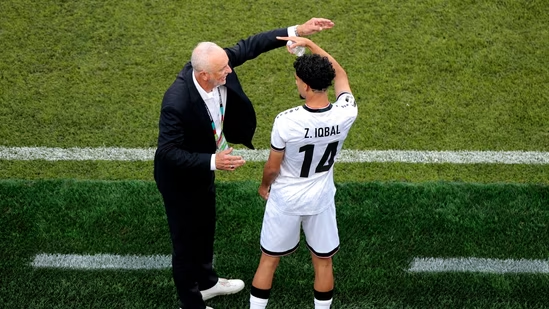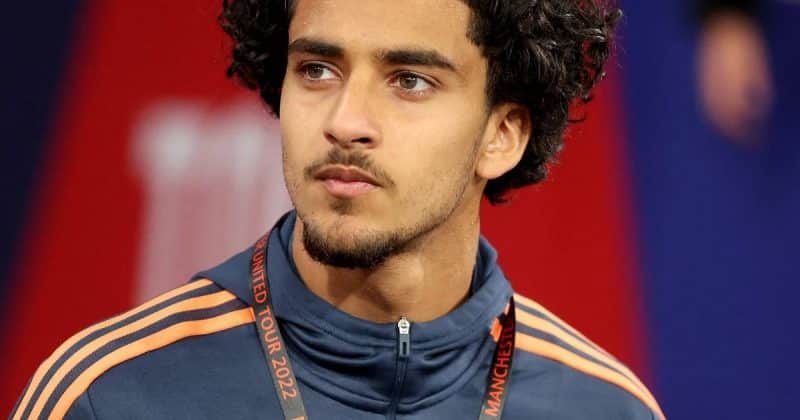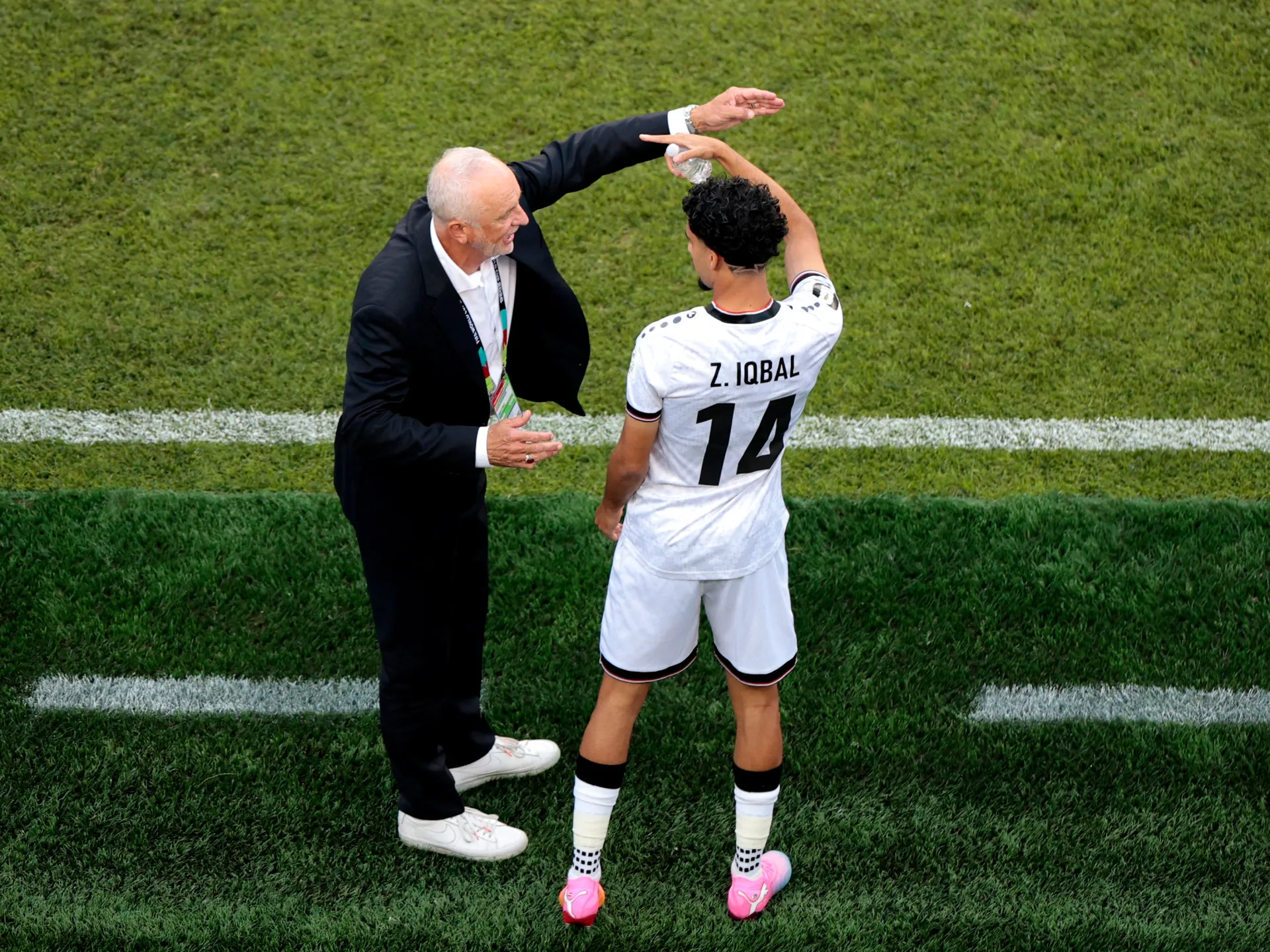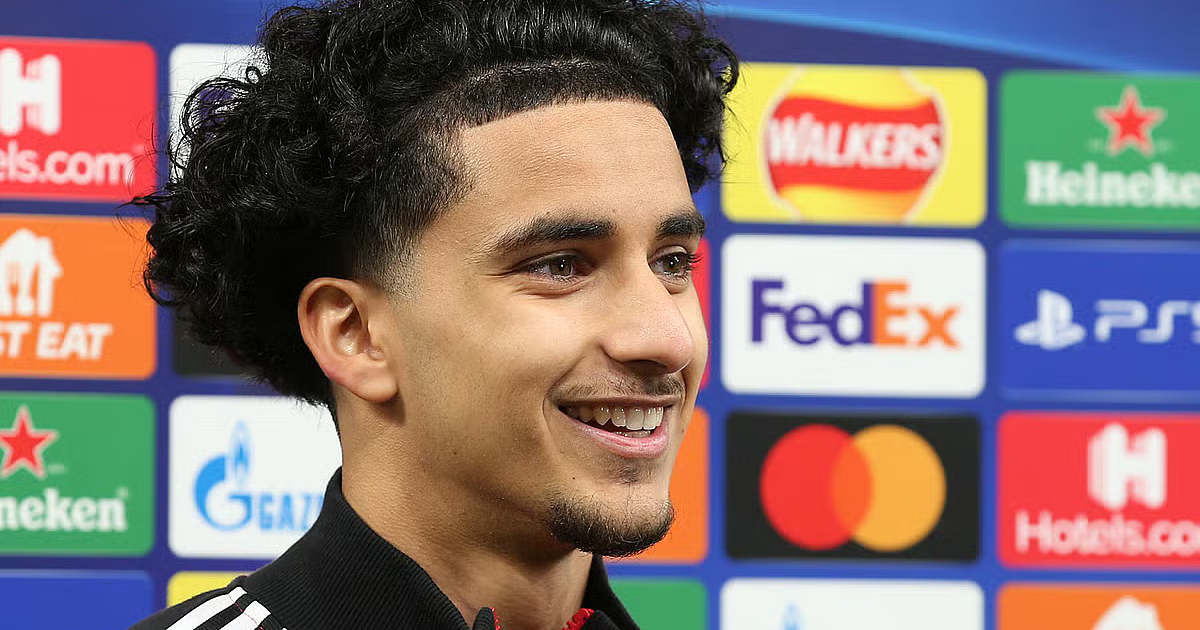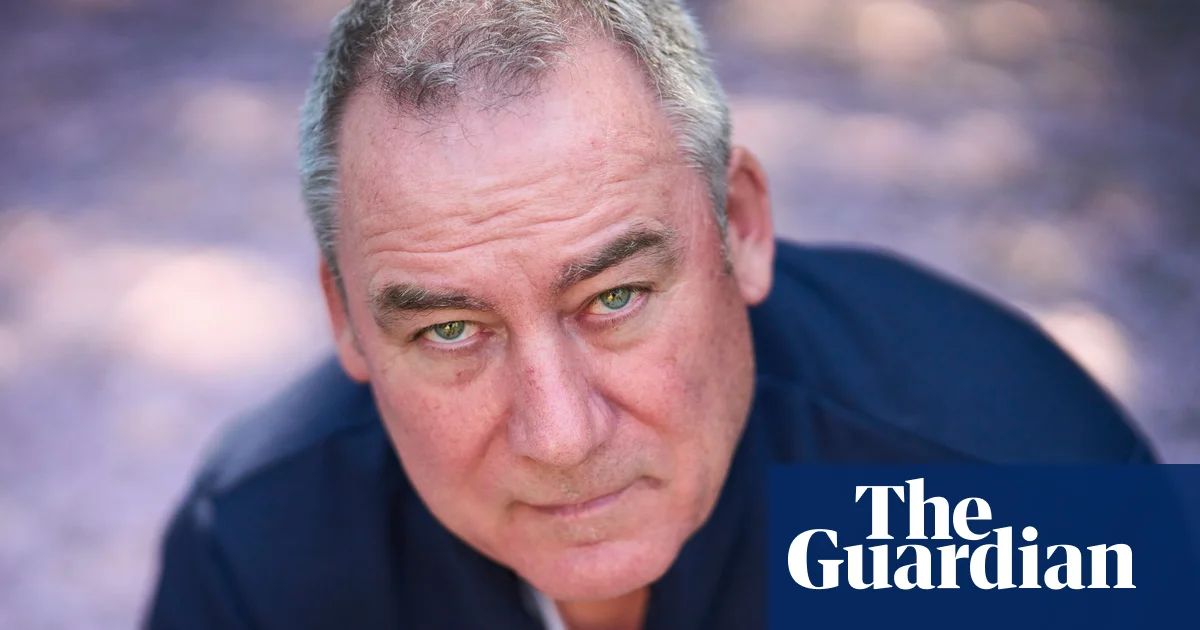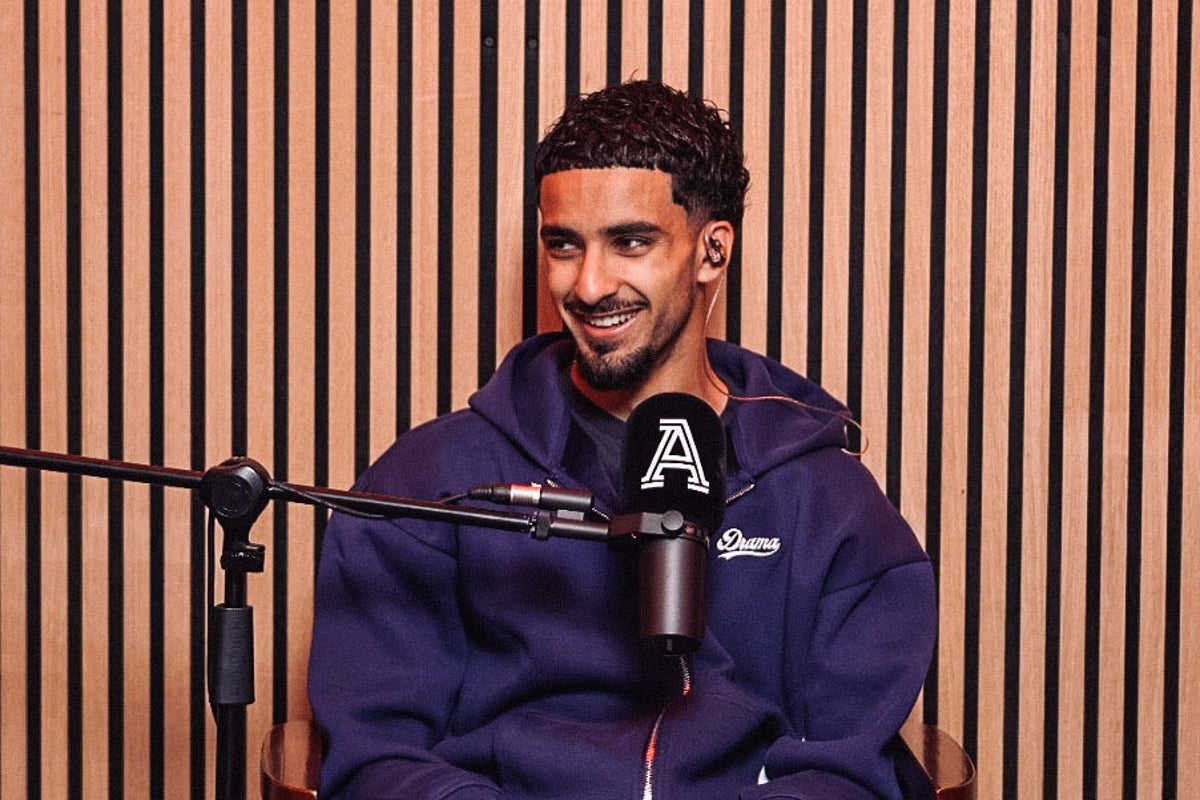
Everyone has a first World Cup memory. For Zidane Iqbal, it came after arriving home from primary school with his dad Aamar to find Brazil vs North Korea frozen on the family TV. “He’s paused the game, picked me up from school, we’ve come back and Maicon; I’ve seen the goal,” he says.An arrowed cross-cum-shot from an almost 90-degree angle, struck between goalkeeper Ri Myong-guk’s left hand and the near post, to slam in at the far corner, that goal will have stuck with many of Iqbal’s generation.It has stayed with the Manchester United academy graduate too, even if he’d witnessed it a little later than the rest.
How did he score from THAT angle at the #WorldCup!? 🧐
Maicon was equally worthy of congratulations that day as he is today.
Parabéns to a wonder goal specialist on turning 38! 🇧🇷🎂 pic.twitter.com/1ApD7wOo6B
— FIFA World Cup (@FIFAWorldCup) July 26, 2019But a major difference between you and I, and Iqbal and the 1,247 other players at the World Cup this summer, is that they have the opportunity to be somebody else’s Maicon.“I didn’t think of it like that,” he says. “A lot of little kids will be watching the World Cup, especially a lot of Iraqis, all following the games. They’ll watch that and be like: ‘Wow’. That was me when I was younger.“Now I’m living out a dream that I had when I was seven, eight. I hope there’s children, whether Asian, Arab, whatever you are, who watch that and think they can do it because it’s possible. It’s definitely possible. And if I’ve done it, then why can’t they?”Iqbal has prepared to be part of an Iraq squad that will represent their nation of 40 million people at the tournament for the first time in four decades. The Lions of Mesopotamia’s road to the World Cup was the most arduous of any nation, clocking in at 21 games.After the penultimate leg, a 3-2 aggregate victory over the United Arab Emirates courtesy of a 107th-minute penalty, Iqbal walked back into the dressing room thinking it was job done. “Then people were like: ‘Yeah, where’s the next game?’” he says. “I’m like: ‘What next game?’”He will be there, though. The win over the UAE secured Iraq’s place in the intercontinental play-offs, in which they beat Bolivia 2-1 to be the final side to qualify for the tournament. Iqbal’s contributions along the way included the winning goal off the substitutes’ bench in a qualifier in October against Indonesia. After he scored, he could hear his mum’s screams above the crowd.Ayat, Iqbal’s mother, was born in Samawah in southern Iraq but left when she was only a year old to flee war. Aamar is of Pakistani heritage, hailing from Sahiwal in Punjab, but is an adopted Iraqi now.“He comes, he wears the Iraq shirt, he’s got my name, number, everything on the back,” Iqbal says. “And when we score, he screams just as loud.”Iqbal looks on during a pre-season friendly between Manchester United and Rayo Vallecano in 2022 (Photo: Jan Kruger/Getty Images)Yet through Aamar, Iqbal will also be the first player of Pakistani origin — the fifth-most populous country on Earth — to play at a World Cup finals, as he learned on the way home from the win over Bolivia in Mexico.“I’m sat in the airport and my friend sent me this post, so’s my dad,” he says. “It’s crazy. Your name’s in history now — first one —and no one can ever take that away from you.”aIqbal’s path is typical of the multi-heritage player pool at modern World Cups, and the surprisingly informal ways in which national associations learn of dual or triple-nationality players.The first approach, of sorts, came through fans in Indonesia on social media in the mistaken belief he might be eligible. Iraq’s awareness of his actual heritage came later but also originated online.“There’s a big Instagram page that follows Iraqis across the world and they got in contact with me and asked me: ‘was it true if I was an Iraqi?’,” Iqbal explains.Word reached the Iraqi Football Association, which eventually persuaded Iqbal and his parents to pledge their allegiance over a series of Zoom calls.Despite always being “tapped in” to his family’s origins, with his mum’s side living locally in Ardwick in east Manchester, he had never visited Iraq before travelling with the under-23s in September 2021.“The culture shock hit me,” he says. “I was really surprised and honestly, the first time, I didn’t enjoy it. Then I went a few more times and started to understand the culture a bit more.”Gradually, a country that was part of his heritage began to feel like his nation.“It just felt right,” he says of his decision to represent Iraq. “All the love and support from the fans in Iraq and across the world messaging me and messaging my parents, and how hard the FA tried to bring me… When someone shows so much love, it’s only right that you feel it, you know?”Preparations for the final play-off against Bolivia, held in the Mexican city of Guadalupe, were severely disrupted by the closure of Iraq’s airspace as a result of the US-Iran conflict.Iqbal vies for the ball against Kuwait defender Sami Al-Sanea during World Cup qualification (Photo: Yasser Al-Zayyat/AFP via Getty Images)After calls for postponement fell on sympathetic but ultimately unwilling ears at FIFA, Iraqi-based players faced a 10-hour coach journey from Baghdad to Amman, in Jordan, before connecting flights through Europe to Mexico.Iqbal’s journey from the Netherlands, where he now plays for FC Utrecht, was more straightforward, but even 15 years after the Second Gulf War ended, this was another demonstration of how war and instability within the region has affected, if not prevented, the growth of the Iraqi game.Poignantly, the match-winner in the decisive 2-1 victory against Bolivia was Aymen Hussein. Hussein’s father was killed by Al-Qaeda in 2008. His brother was captured by Islamic State six years later and is still missing, presumed dead.“This generation of Iraqis, they’ve gone through such hard times with the wars and a lot of hardships. I think football is their freedom, their enjoyment,” Iqbal says, keen for this World Cup campaign to defy perceptions of the country.“I think we can finally show the world what Iraq’s really about,” he adds. “If you mention Iraq to some people across the world, they’ll just link it to war and fighting and terrorism. Iraq’s a beautiful country, honestly, and our football is good.”Relief, rather than joy, was the overwhelming emotion on the final whistle in Guadalupe, the home of CF Monterrey. “People were waiting on us to qualify,” says Iqbal. “This was the generation that was supposed to do it.”Airspace restrictions prevented Iqbal from joining celebrations in Baghdad but that allowed for a moment of gratitude on his journey back to Manchester.Rene Meulensteen, the former United coach, is assistant manager to Iraq’s Graham Arnold. Having mined Meulensteen for tidbits about the 2008 Champions League-winning team, the flight back from Mexico was time to give back.“I just thanked him,” Iqbal says. “I told him the experience he has from qualifying with Australia, he’s brought it to us.”“We can carry that experience with us. New players will look up to us because we’ve done it, and then it just gets passed on from generation to generation. Hopefully, it becomes a norm in Iraq to qualify for the World Cup.”Iraq’s opening game in Group I is against Erling Haaland’s Norway. Back-to-back finalists France, and Kylian Mbappe, await in Philadelphia. Then it is Senegal, the disputed champions of African football.Any improvement on Iraq’s only previous World Cup appearance — three narrow defeats in the 1986 group stage — is the target. Iqbal believes it is a realistic one.“For example, France, they’re definitely one of the favourites, they’ve got everything to lose. We go there with no pressure. They have to beat us,” he says. “I think we might surprise some people.”At least Haaland, Mbappe and the rest are at least a little less intimidating when one of your first exposures to senior men’s football at Carrington was marking the all-time leading scorer in international football on a corner.“I got chosen to go do set pieces with the first team and then I had to mark Cristiano (Ronaldo),” he recalls. “I got told: ‘Just don’t do anything stupid. No elbows, no nothing’.”His job was just to stand still and ‘shadow play’, starstruck as Ronaldo ghosted past to score unchallenged. “Just to see him in real life compared to FIFA, because sometimes FIFA’s face scan might be a bit off, you know?”Iqbal is something of a celebrity himself, though: his Instagram following clocks in at two million, more than several of United’s current first-team players.