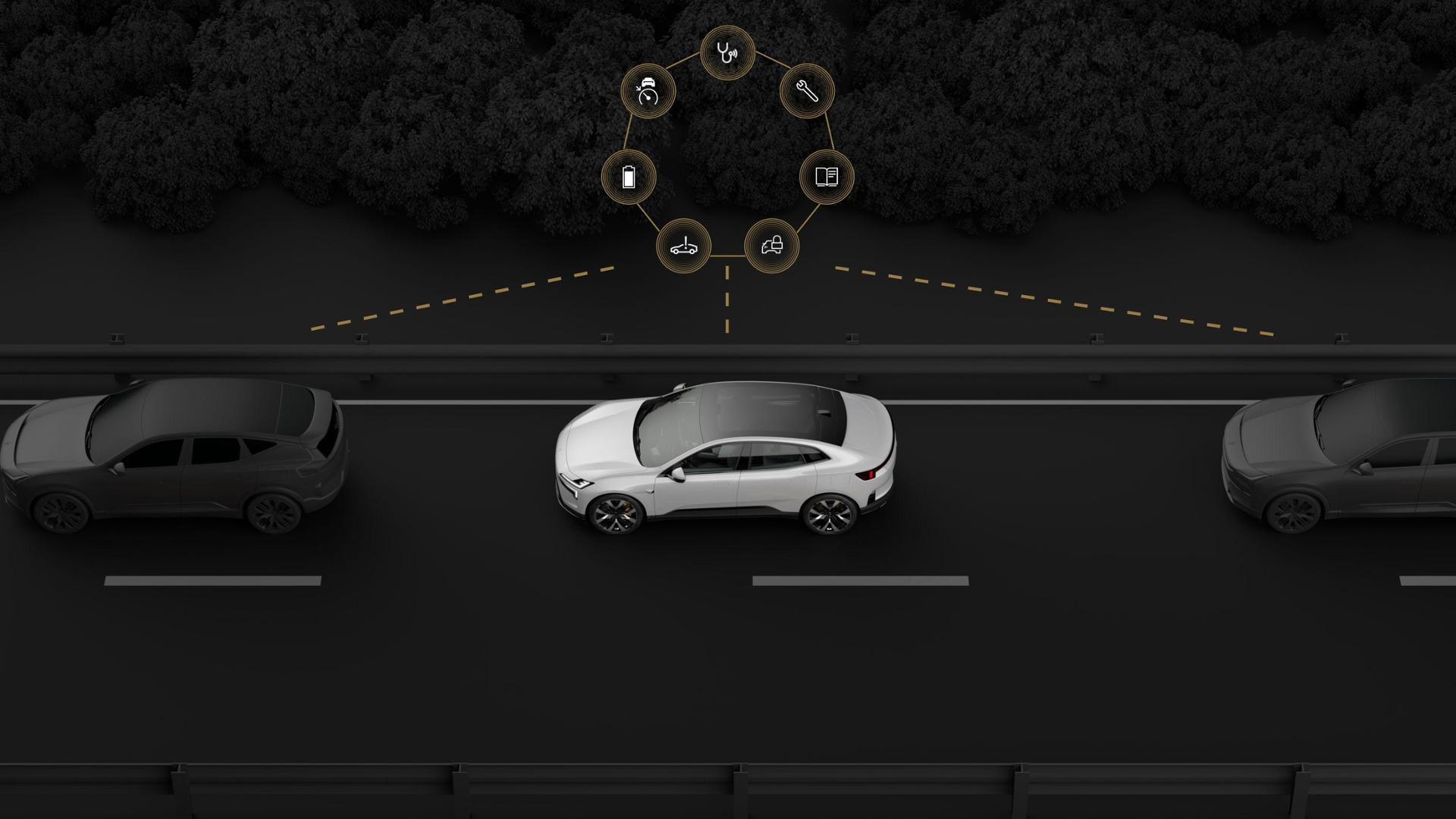
For fleet managers, staying compliant isn’t just about ticking boxes, it’s a matter of safety, efficiency, and operational continuity.With increasing regulations across protection, maintenance, environmental impact, reporting, and data privacy, compliance is a constant challenge. Non-compliance can result in penalties, legal costs, reputational damage, and customer dissatisfaction.This is where telematics has become an indispensable tool.By combining GPS tracking with real-time data analytics, fleet telematics systems, such as those offered by Tracker, give managers the visibility and control they need to meet regulatory requirements. Here’s how:Hours of serviceA critical aspect of regulatory compliance is ensuring that drivers adhere to legal limits on driving hours and rest periods. Fatigue remains a leading cause of road accidents, and non-compliance can result in serious safety risks and penalties.Telematics systems use electronic logging devices to automatically log driver hours, rest breaks, and on-duty status. This removes manual recordkeeping and reduces the chance of error. Fleet managers gain visibility into driver schedules and can intervene before limits are exceeded.Driver safetyTelematics gives fleet managers visibility into driver behaviour, including speeding, harsh braking, aggressive cornering, and mobile phone usage. Alerts flag risky behaviour, enabling timely intervention through coaching or retraining.Artificial intelligence dashcams add another safety layer by monitoring driver attentiveness and alerting the driver in real time through a speaker to risks such as drowsiness, distraction, speeding, mobile phone usage, and seatbelt violations. Location tracking further strengthens safety by allowing managers to quickly locate drivers and provide help in emergencies.Vehicle roadworthiness and maintenanceRoadworthiness standards are in place to prevent mechanical failures that can lead to breakdowns and accidents. Telematics systems help managers stay ahead of maintenance through real-time diagnostics and automated alerts.Key indicators such as engine health, brake wear, tyre pressure, and battery status are monitored continuously. Alerts for faults or upcoming services enable proactive maintenance, helping prevent costly repairs or compliance violations.Telematics systems help fleet managers proactively manage maintenance, preventing unexpected breakdowns and reducing costly downtime. (Getty Images via Tracker) Digital records simplify audit requirements by ensuring maintenance is tracked and up to date. Driver vehicle inspection reports further support compliance by allowing drivers to complete pre- and post-trip inspections, ensuring defects are identified and resolved promptly.Regulatory reportingCompliance requires accurate and accessible recordkeeping, which can be time-consuming when done manually. Telematics systems automate data collection and report generation, reducing administrative effort and the risk of errors. Reports on driver hours, vehicle maintenance, fuel usage, and inspections can be produced quickly, ensuring information is consistent and up to date.Environmental and emissions complianceAs environmental regulations tighten, fleet operators are under pressure to reduce their carbon footprint. Telematics helps by monitoring fuel consumption, excessive idling and driving patterns. This allows fleet managers to address inefficiencies and reduce emissions through informed interventions. This data also supports accurate fuel reporting and longer-term decisions around route optimisation, vehicle use, and driver training, contributing to improved environmental performance.Authorised vehicle useRegulatory requirements and good governance demand that vehicles are used only by authorised personnel and within defined operating parameters. With GPS tracking and driver identification features, telematics systems can verify who is driving, where, and when. Alerts can be set for unauthorised usage, including after-hours driving or route deviations.Facial recognition and live cabin monitoring add further oversight by providing visual confirmation of the driver and flagging unauthorised access. Systems can also track driver licensing and training compliance, helping ensure only properly credentialed staff operate vehicles.Data security and privacy complianceAs telematics systems collect large volumes of sensitive data, compliance with privacy regulations is critical. Businesses must ensure data is collected, stored, and used responsibly. Telematics providers support this with secure platforms with built-in access controls and data encryption, helping reduce legal and reputational risk.A smarter way to stay compliantManaging compliance across a busy, distributed fleet is complex. Telematics provides a centralised, real-time view of operations, making it easier to monitor safety, efficiency, and compliance.As regulatory demands continue to grow, investing in a robust telematics solution is no longer optional. The right system helps reduce risk while improving operational performance over the long term.Visit Tracker’s website to learn more about its telematics solutions, designed to help fleet managers maintain accurate records, strengthen governance oversight, and operate with confidence.This article was sponsored by Tracker.
Keeping your fleets compliant, safer, and more efficient
SPONSORED | Tracker’s telematics systems give operators live control over their drivers and vehicles, saving them from costly errors
696 words~3 min read