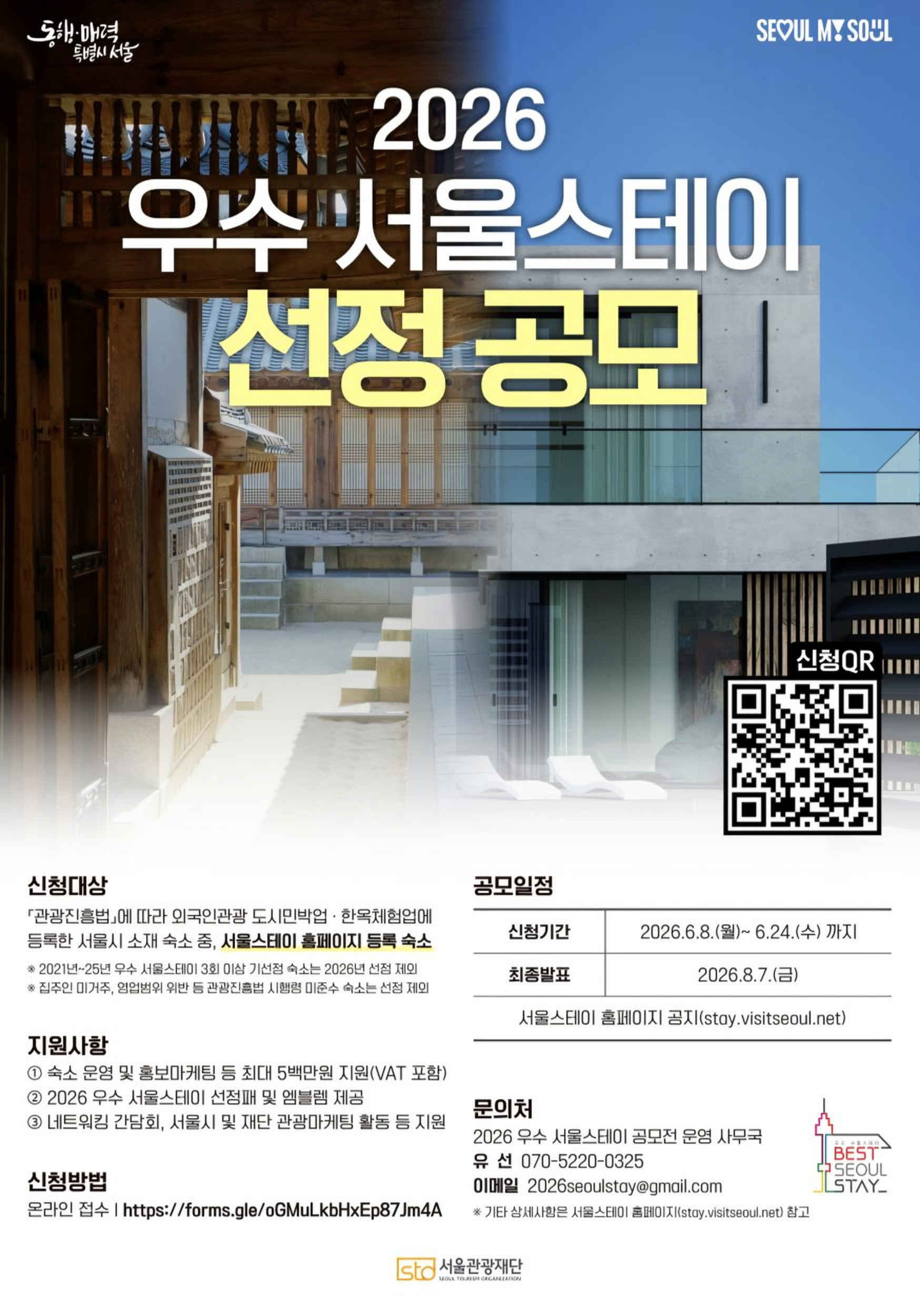
A promotional poster outlining application steps for the 2026 Excellence Seoul Stay designation. Courtesy of Seoul Metropolitan Government
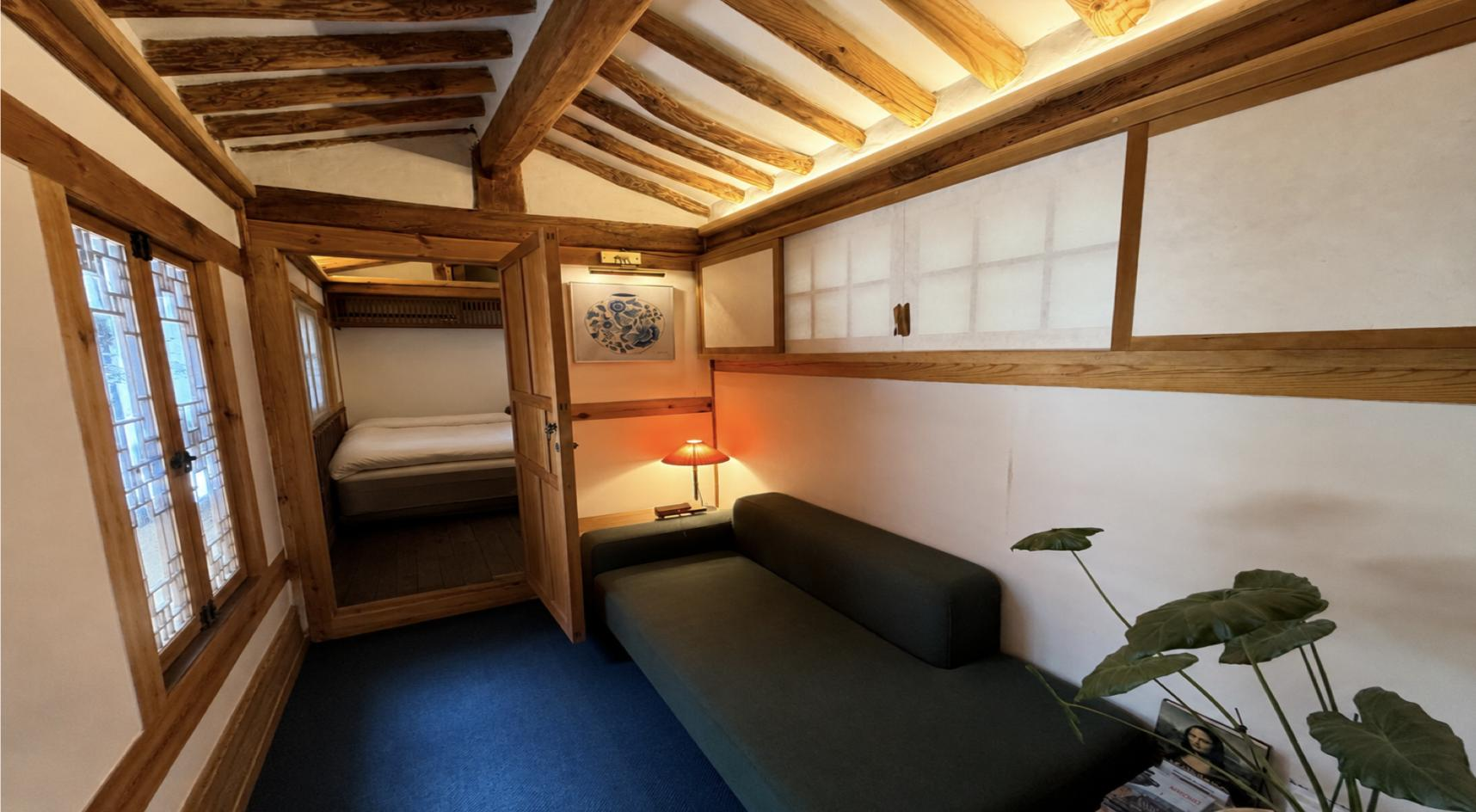
For a decade, Seoul has nudged its residents to open their doors to foreigners, turning spare bedrooms and historic hanok, or traditional Korean houses, into the front line of the city’s hospitality drive. But as international arrivals swell to historic highs, the city is shifting its focus from raw numbers to a more delicate problem: neighborhood friction and fire safety.
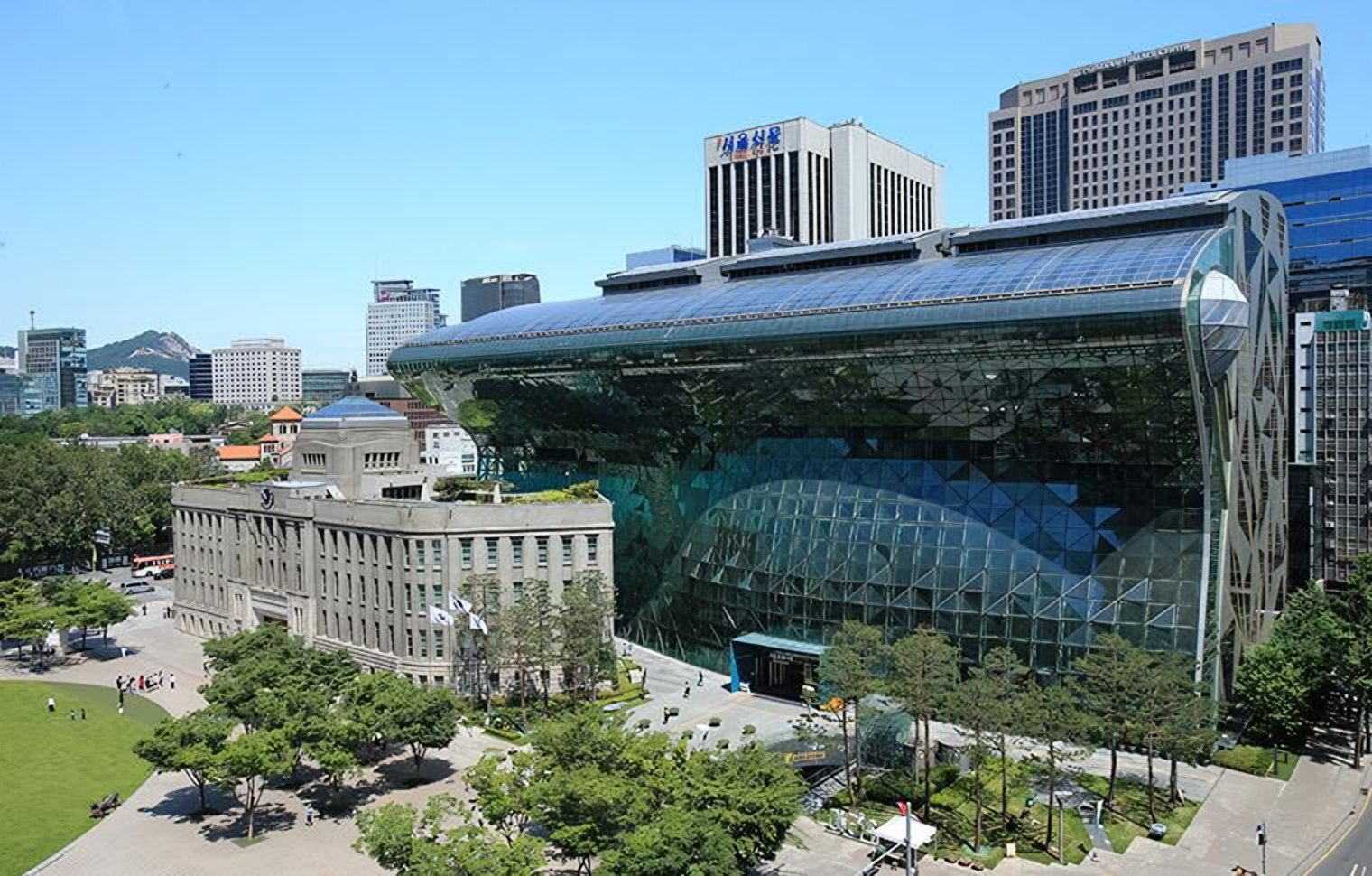
The Seoul Metropolitan Government and the Seoul Tourism Organization said Monday that they will launch a competitive auditing process to select the city’s top 20 alternative accommodations. The initiative, running through late June, targets officially registered urban homestays and traditional guest houses under the city’s "Seoul Stay" umbrella, promising up to 5 million won ($3,650) in subsidies for those that make the cut.
Yet the financial carrot comes with an aggressive stick. This year, city officials are overhauling the selection criteria to heavily favor safety infrastructure and community relations over aesthetic charm. For the first time, independent fire and safety experts will join the inspection panels, conducting unannounced site visits to scrutinize emergency exits, smoke detectors and electrical wiring in residential buildings.