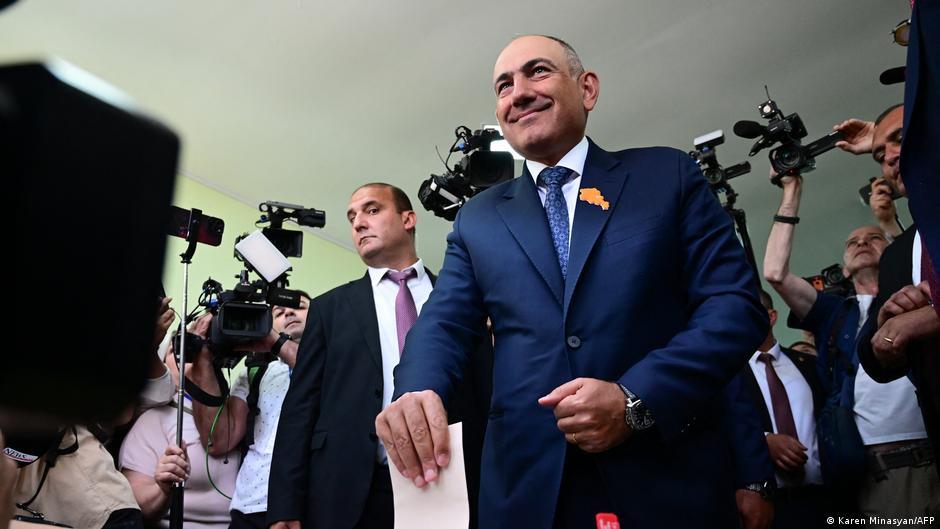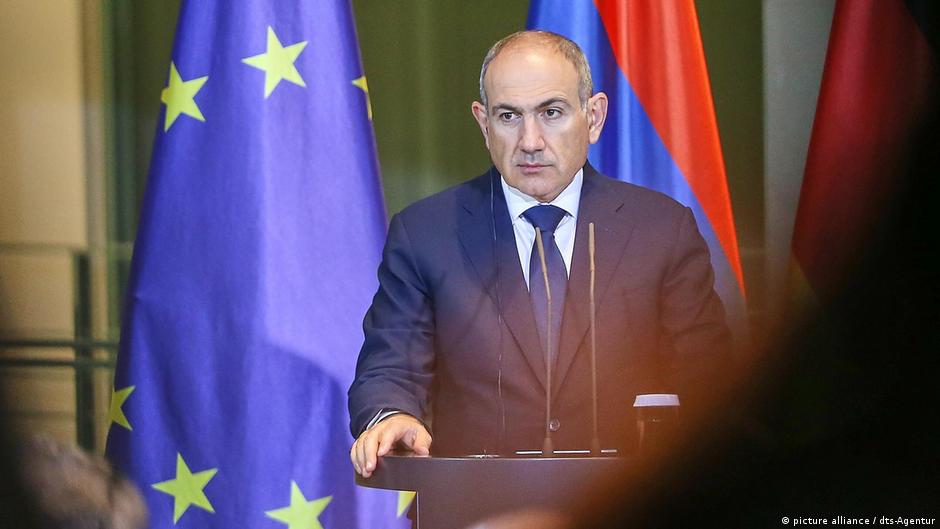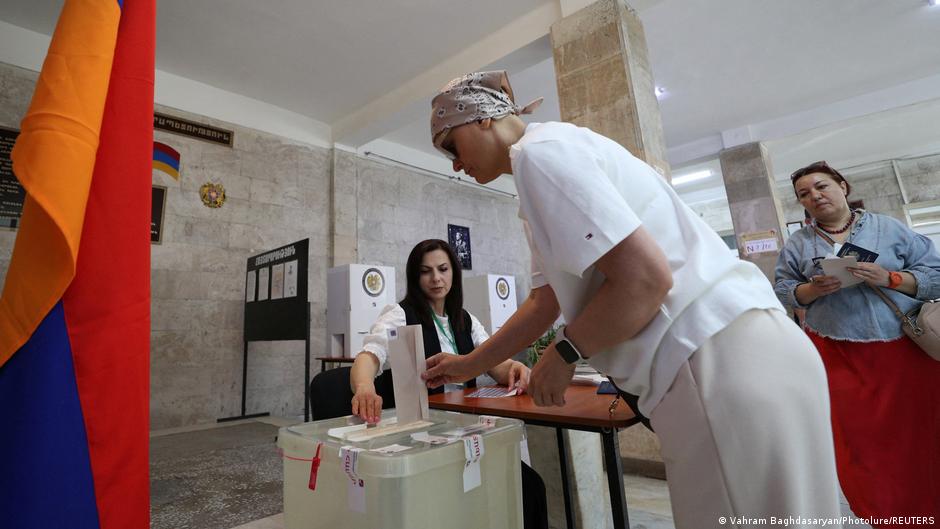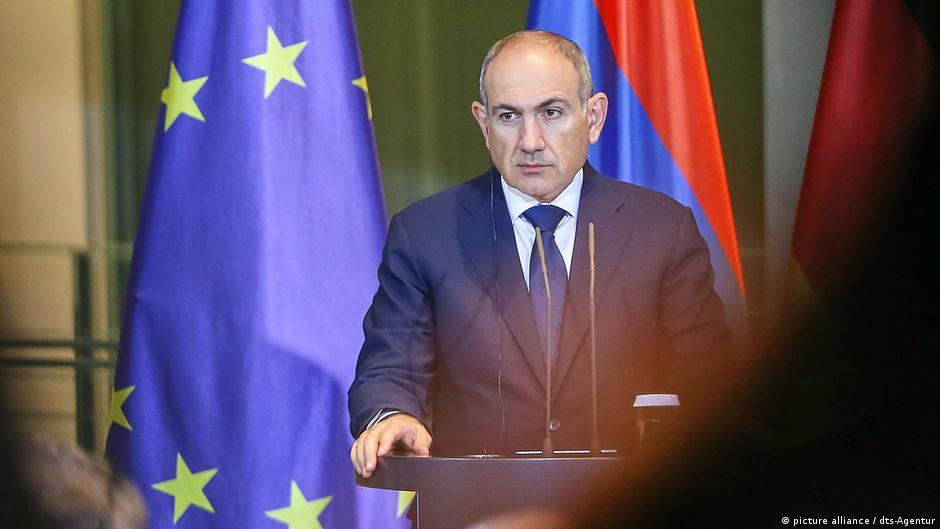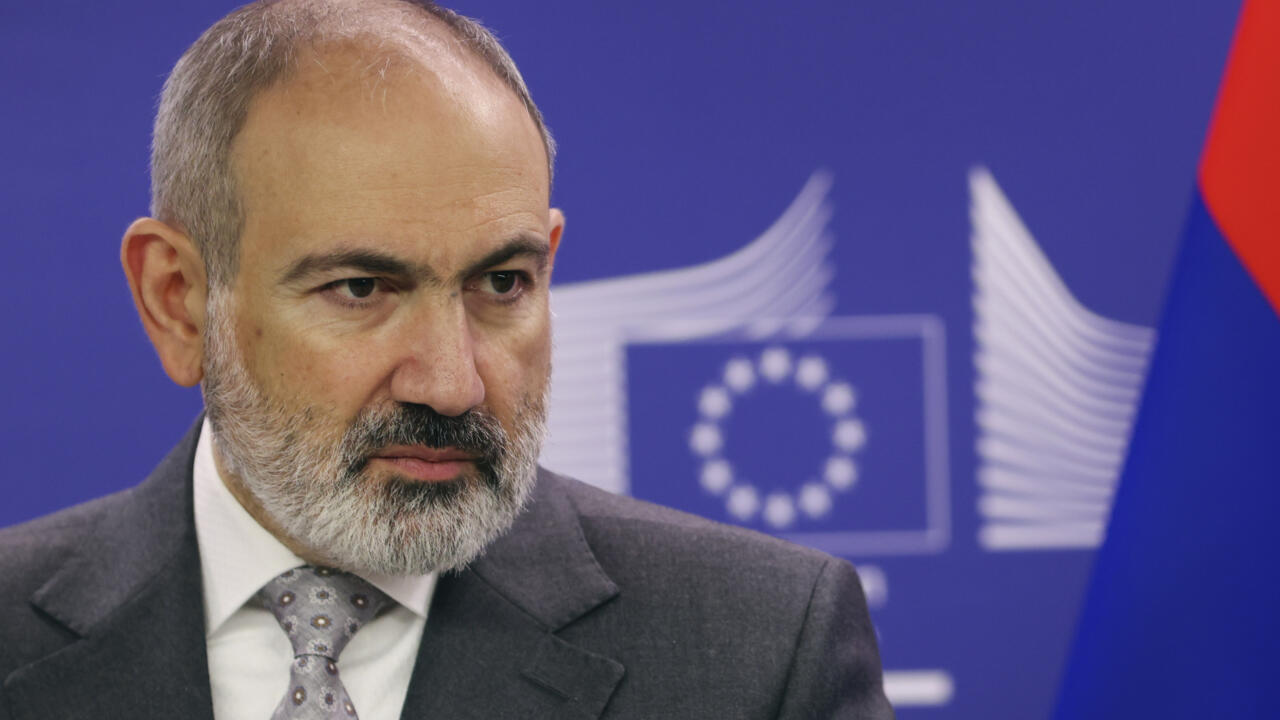
The European Union breathed a sigh of relief last week when Hungary voted out Prime Minister Viktor Orban in favour of Peter Magyar. Like Moldova’s election last year, the vote was seen as an ideological battleground between the Kremlin and Brussels. Orban, a long-standing ally of Russian President Vladimir Putin, will be replaced by Magyar, who said he wants to repair ties with the EU. “Hungary has chosen Europe,” European Commission President Ursula von der Leyen said after the results were announced. Read moreOrban ousted: What Magyar’s victory means for Hungary and the EU Now the bloc’s attention is shifting further east towards another country seen to be making a similar choice: Armenia. But this could have long-lasting consequences for the Armenian people, according to some observers. A step towards Europe The June 7 parliamentary elections in Armenia matter for Europe, as public opinion in the country – long aligned with Russia – is now turning toward Brussels. While campaigning officially begins 30 days before the election, candidates have already hit the trail. The current front-runner in the polls is Prime Minister Nikol Pashinyan, the head of the political party Civil Contract. He came to power in 2018 after being elected in the wake of the Velvet Revolution, a series of anti-government protests. He is seeking reelection on a pro-European campaign.
'They are stealing the election': How Armenia became the next Russia-EU battlefield
Armenians are set to head to the polls in June for their parliamentary elections, which the EU and Russia are closely watching. With support for joining the bloc at an all-time high, this could be a…
1,204 words~5 min read