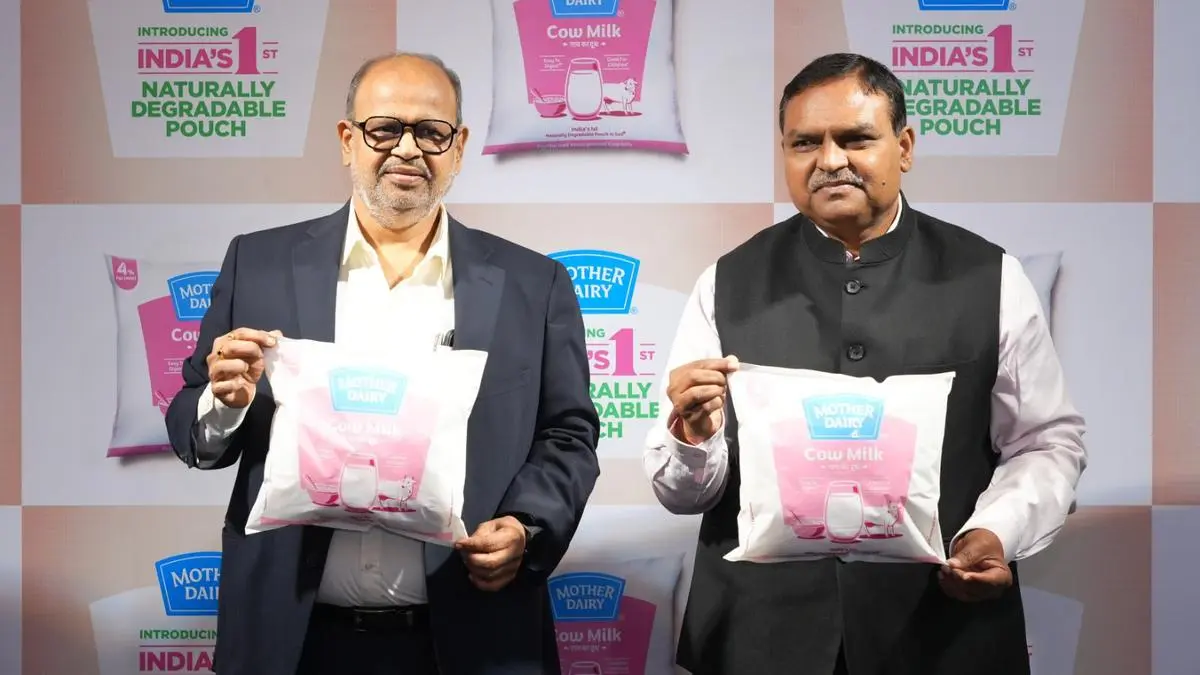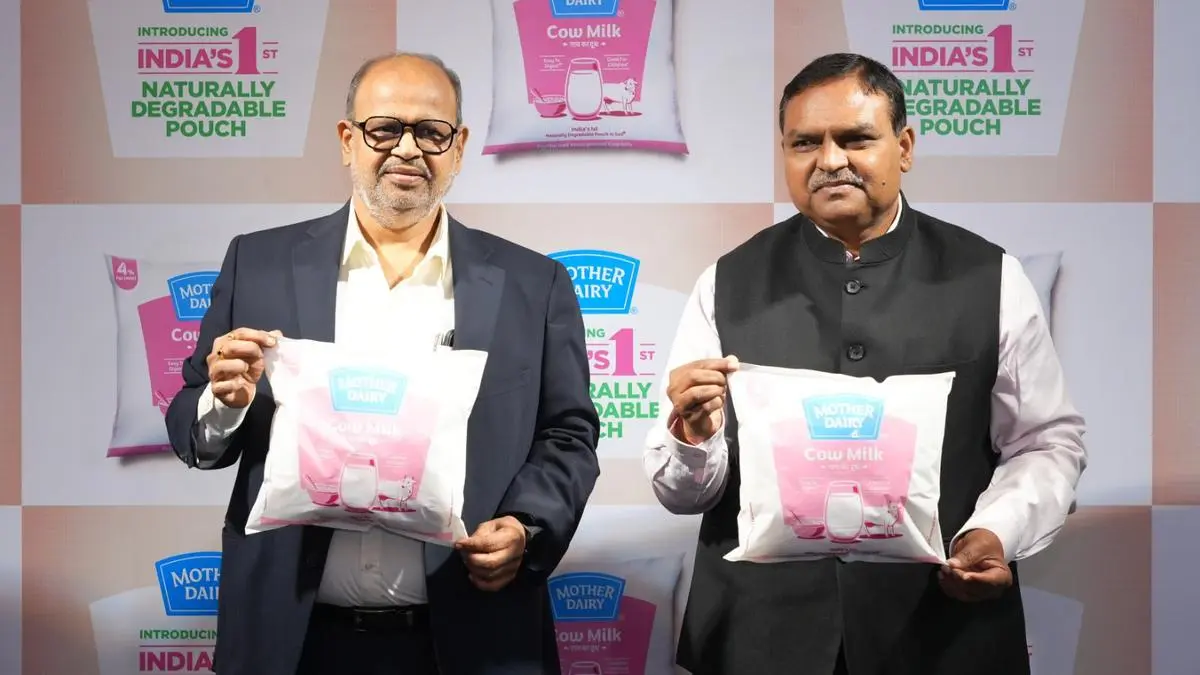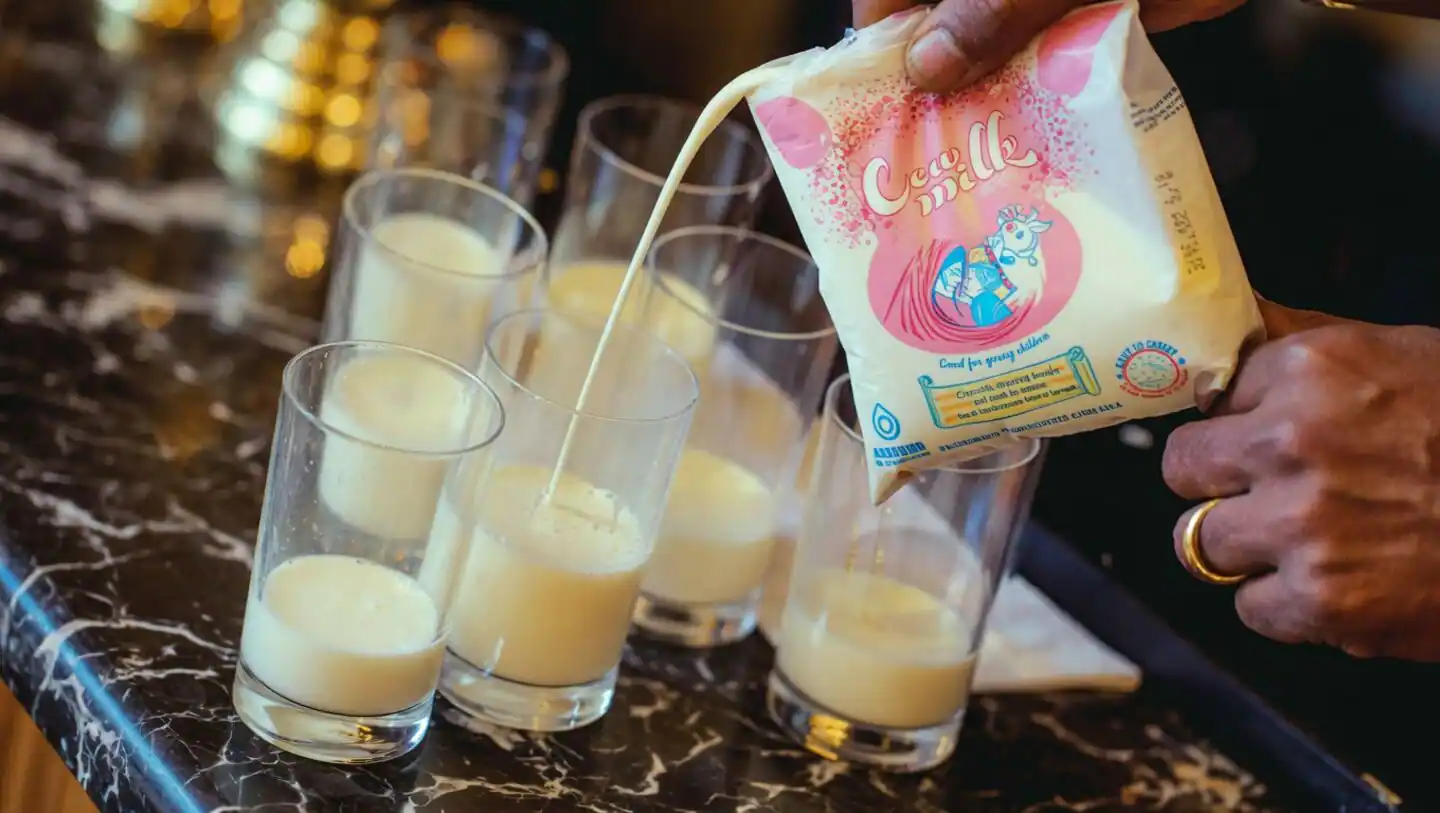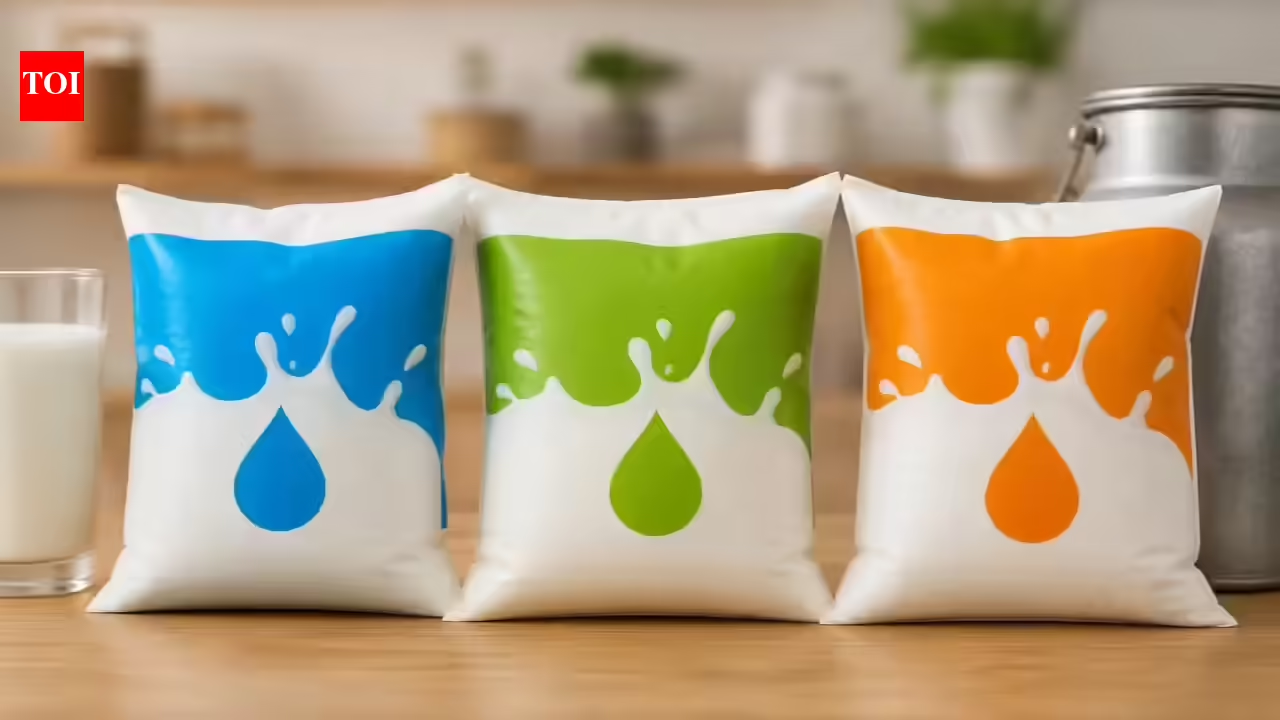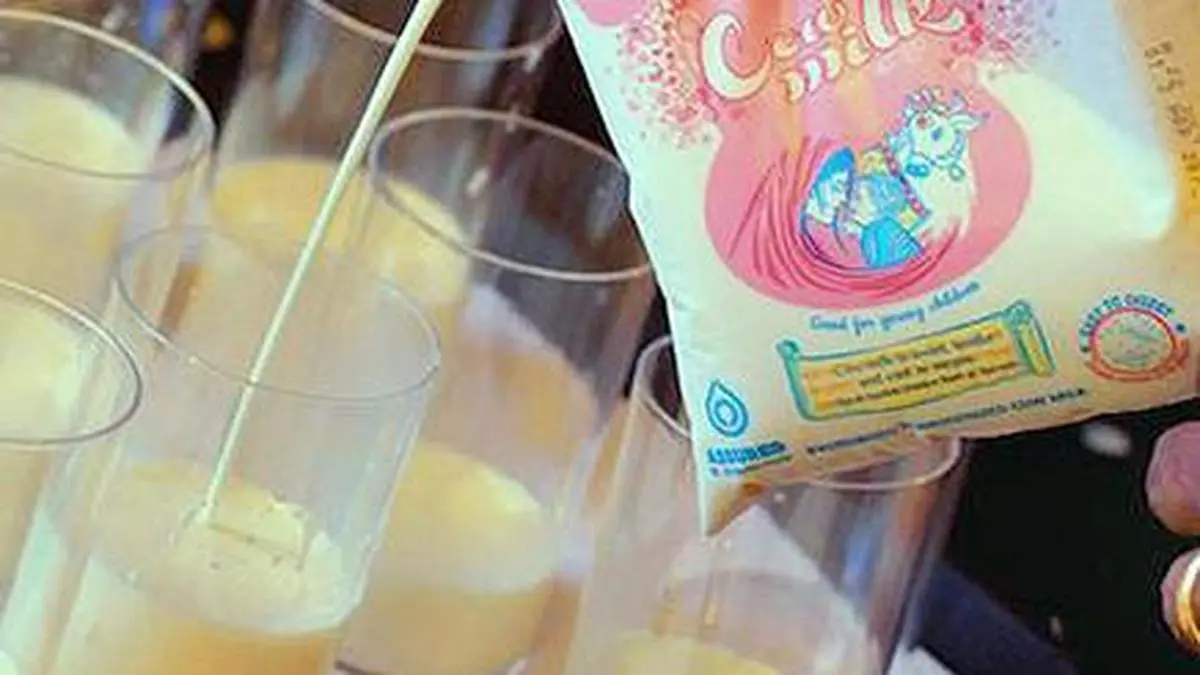
India’s dairy sector could be taking a significant step towards sustainable packaging. The National Dairy Development Board (NDDB) has developed a biodegradable milk packaging film that is designed to degrade in soil within about two years. The technology is being introduced through Mother Dairy, NDDB’s wholly owned subsidiary, beginning with select milk variants in the NCR market. In an interview with businessline, NDDB Chairman Meenesh Shah discusses the innovation, its environmental benefits, and plans for wider adoption.What is the biggest breakthrough in this new milk packaging?The biggest breakthrough is that we have developed a milk packaging film that is designed to biodegrade in soil within about two years. India has relied on conventional LDPE (Low-Density Polyethylene) polyfilm for milk packaging because it is affordable, convenient, and compatible with the supply chain that has evolved over the last five to six decades. Our challenge was to develop a more environmentally responsible solution without disrupting that ecosystem.
Who is manufacturing the new packaging, and does it require new production facilities?
Our subsidiary, Indian Dairy Machinery Company Ltd (IDMC), is already engaged in the production of polyfilms used by the dairy sector. Given the large volumes involved in milk packaging, many dairy cooperatives have their own film-making facilities, and IDMC’s polyfilm unit at Anand has been supplying packaging material for Mother Dairy and other dairy operations.One of the advantages of this innovation is that it does not require a separate manufacturing setup. The same production lines that currently manufacture conventional LDPE milk packaging film can be used to produce the biodegradable film as well. As a result, there is no need for significant additional capital investment, making it easier to scale adoption across the dairy industry.Does the packaging leave behind microplastics or harmful residues?That was one of our key focus areas. Conventional plastic can remain in the environment for centuries and contribute to microplastic pollution. We have extensively tested this packaging through independent NABL-accredited laboratories for biodegradability, eco-toxicity and heavy metal content, in accordance with relevant ISO, IS and OECD standards. The material is designed to break down into biowax and carbon-based compounds such as carbon dioxide. After degradation, it does not persist as conventional plastic in the environment.Why did it take four years to develop?We wanted to be absolutely certain before introducing it at scale. This is not a laboratory project—it has to work in India’s real-world dairy supply chain. We conducted extensive testing and validation because we wanted a solution that is environmentally effective, operationally practical, and affordable for consumers.Where is the rollout beginning?We have started with Mother Dairy’s cow milk variant in the NCR market. Mother Dairy sells around 40 lakh litres of milk daily in NCR, and cow milk accounts for roughly 35 per cent of that volume. We will begin with about 10–15 lakh litres per day and gradually expand to other variants. The larger objective is to make this technology available across the dairy cooperative ecosystem. We would like other milk cooperatives to adopt it as well. If we can combine environmental sustainability with affordability and operational ease, it can have a meaningful impact at a national scale.Will consumers have to pay more for milk in this packaging?There is an additional cost involved in producing this film. However, we have decided not to pass that cost on to consumers at this stage. We see this as our contribution towards sustainability. As volumes increase, we expect manufacturing costs to come down further.Published on June 8, 2026