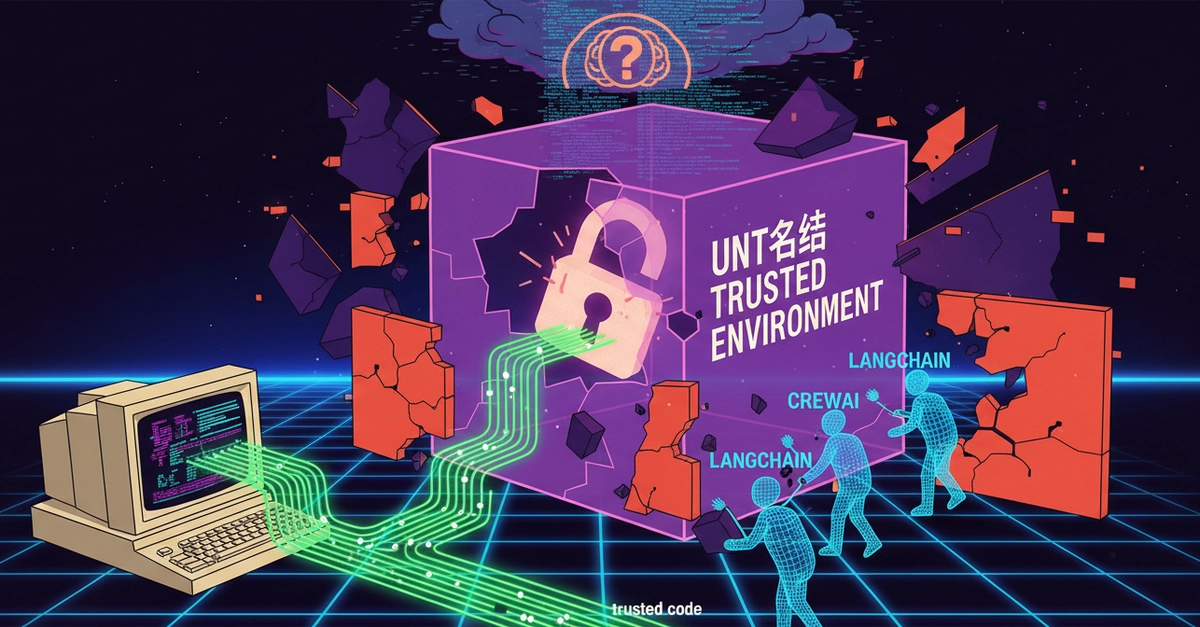
The AI Agent framework landscape has reached a state one could fairly describe as oversaturated. The Python ecosystem has LangChain, CrewAI, and AutoGen; TypeScript offers the Vercel AI SDK; Go has langchaingo. Yet every one of these frameworks shares the same predicament: they define tools as trusted code running in an untrusted environment, then patch the gaps with sandboxes after the fact.
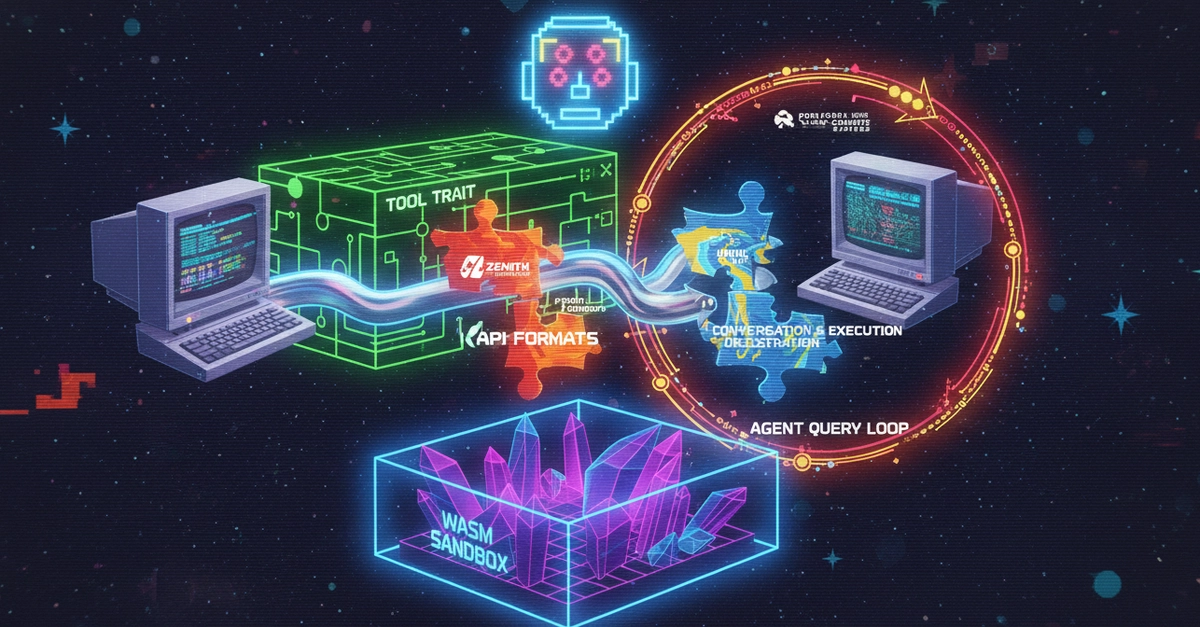
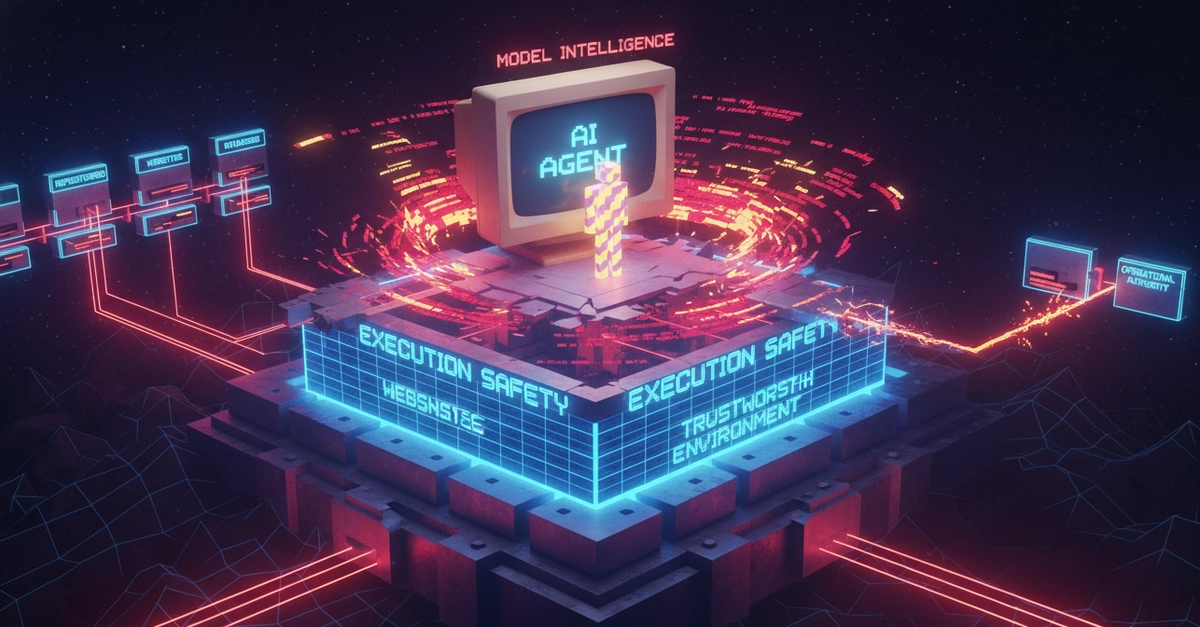
BoxAgnts takes the opposite approach. It chooses a harder path: building the isolation boundary at the runtime level from the start, using a WebAssembly sandbox to enforce security constraints before tool execution begins, rather than intercepting syscalls after the fact. The entire system is implemented in Rust from the ground up — 12 crates, a zero-external-dependency Agent runtime, and a streaming query engine that directly interfaces with 12 AI model providers.
The "Impossible Triangle" of Tool Systems
LangChain-style tool systems rest on a deep-seated assumption: tool code and the Agent runtime run in the same process. Python's exec(), subprocess.run(), Node's child_process.spawn() — all share the characteristic of performing permission checks at the moment of tool execution, and doing so in a "retrospective" fashion (intercepting known-dangerous syscalls, blocking specific file paths, etc.).