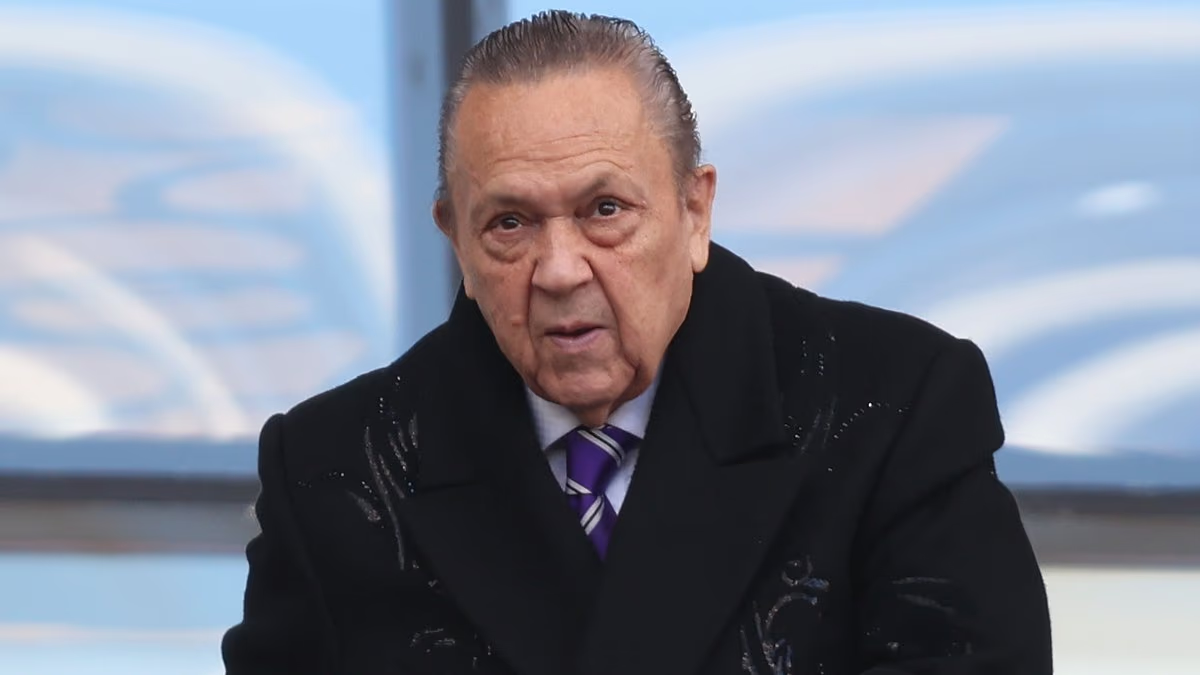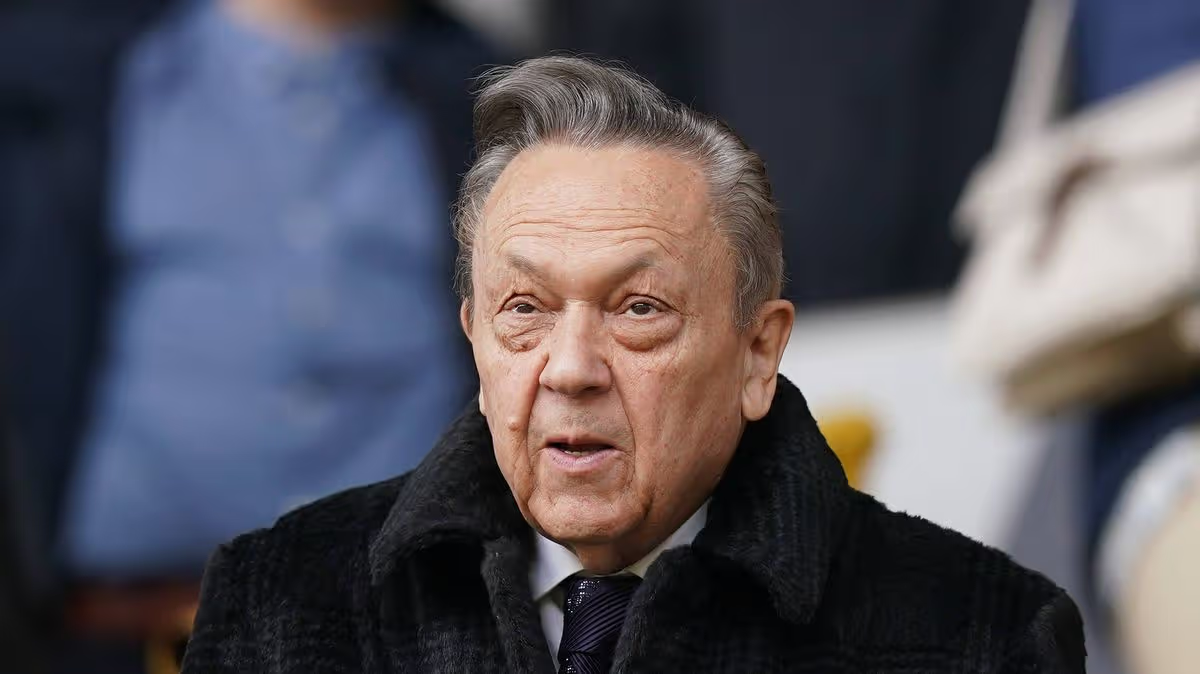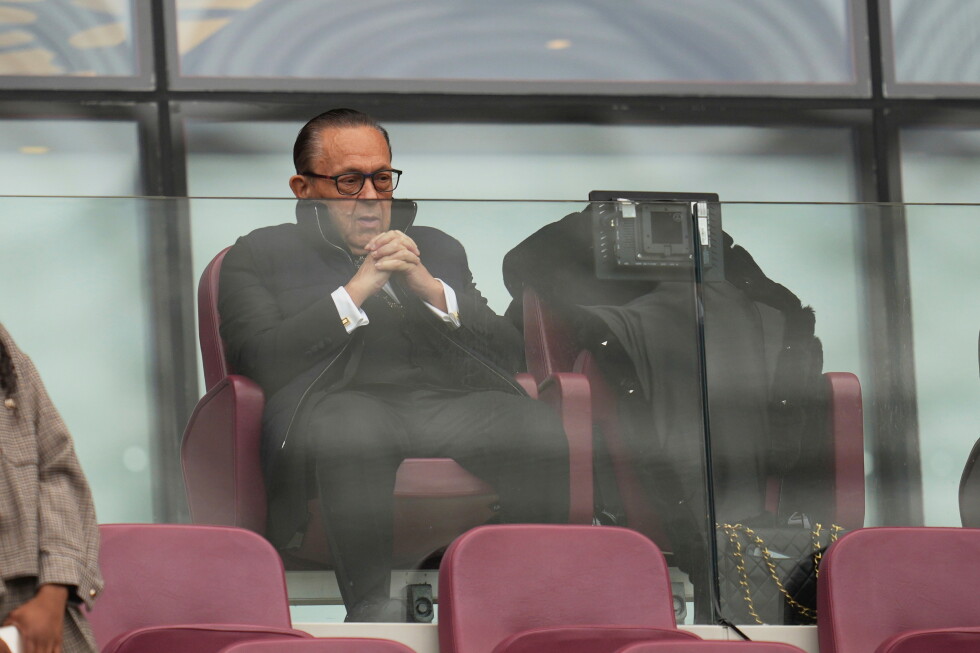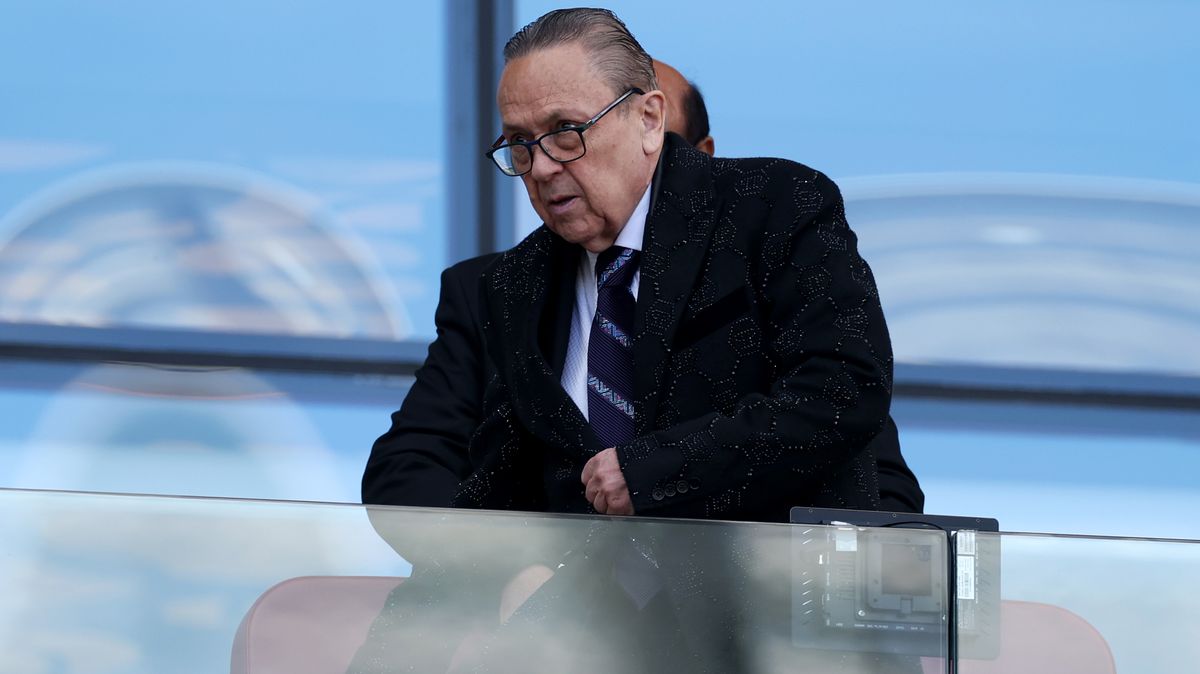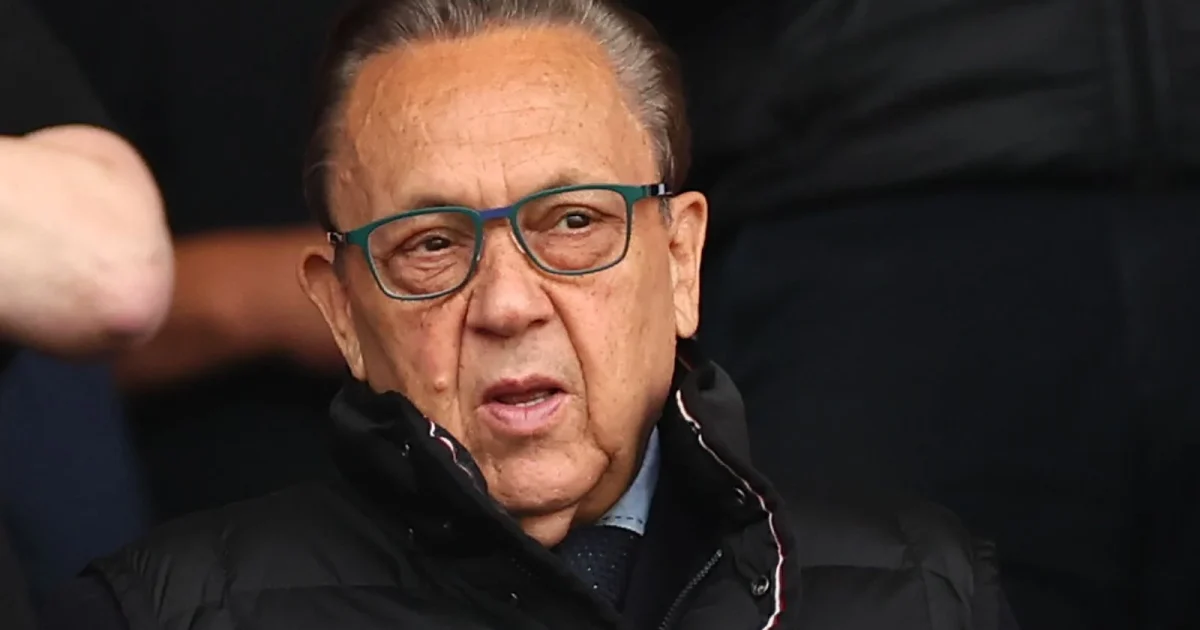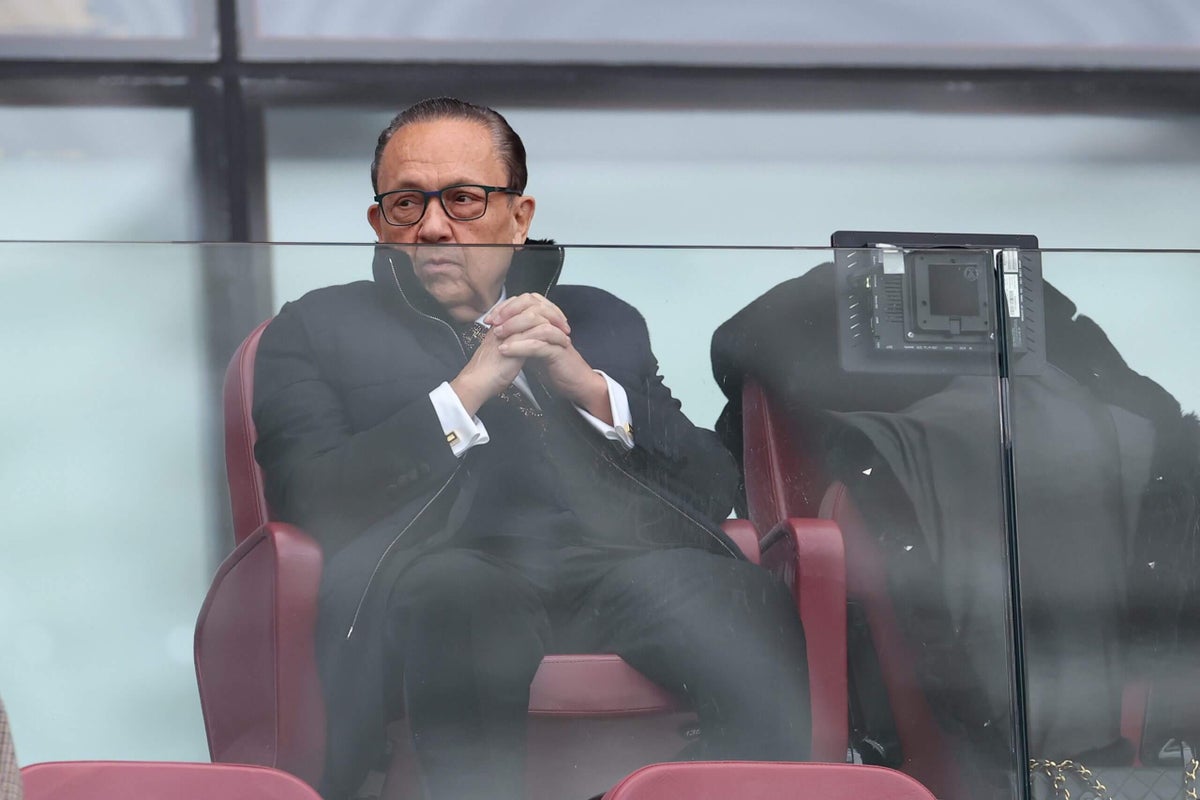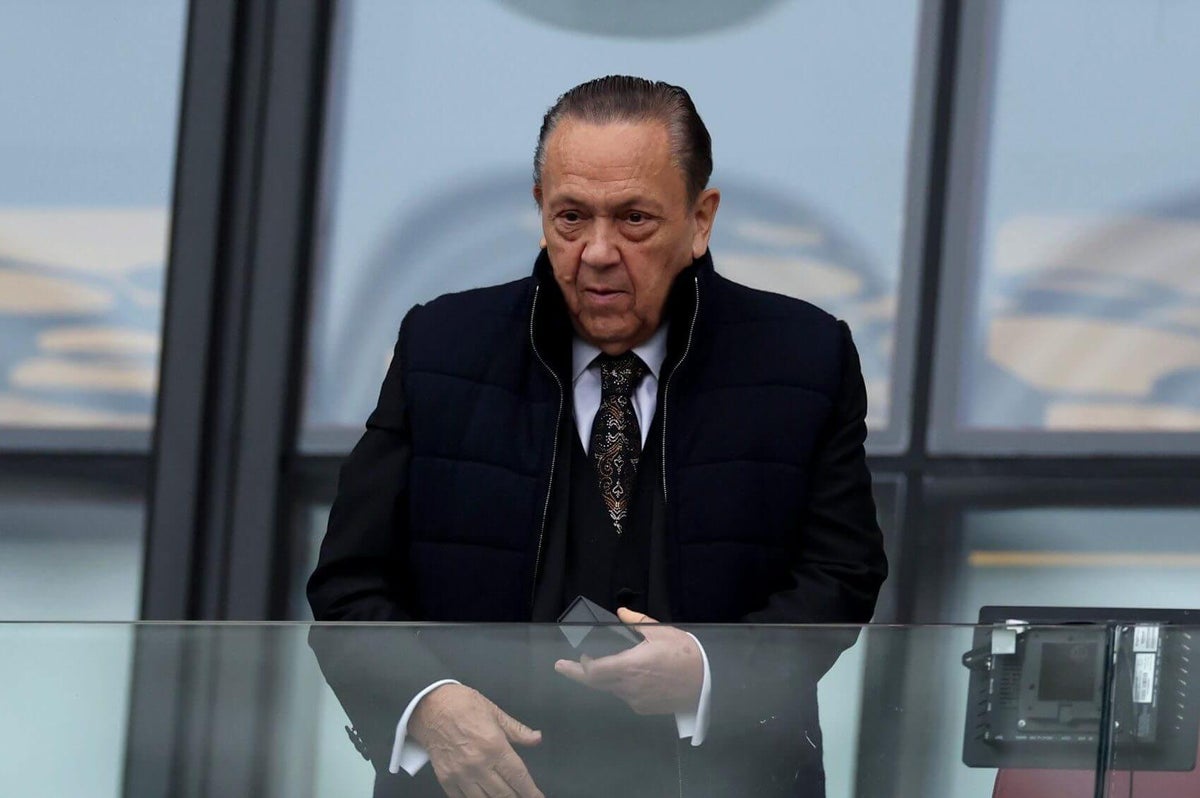
David Sullivan is open to ending his 16-year association with West Ham United by selling his stake, The Athletic can reveal.The 77-year-old resigned as West Ham’s vice-chair and as a director of WH Holding Limited, the club’s parent company, on Saturday due to serious historic allegations against him which are due to be aired in a BBC Panorama documentary on Monday night.Sullivan, who said in a statement issued on Saturday that the claims do not relate to West Ham, has called the allegations “factually incorrect and entirely false” and has resigned to “apply my full energy and attention on fighting (them)”.The Athletic has now learned from a senior source with knowledge of the situation, speaking anonymously to protect their position, that Sullivan would consider selling his 38.8 per cent stake. West Ham have been contacted for comment.So where would Sullivan’s potential departure leave the club, which is still reeling from being relegated to the Championship last month? We analyse the possible implications.What is West Ham’s ownership structure?Sullivan, who initially purchased a 50 per cent share of West Ham with late business partner David Gold in January 2010, remains the largest shareholder. Daniel Kretinsky, 50, purchased a 27 per cent stake for £182.5million in 2021 under 1890s Holdings. The Czech billionaire, who bought Royal Mail for £3.6billion in December 2024, is also the co-owner of Sparta Prague.In April, Sullivan and Kretinsky were in the process of purchasing some of Vanessa Gold’s shares (25.1 per cent), which she inherited from her father David, who passed away in January 2023. Completion of the deal would have brought Sullivan and Kretinsky to just over 40 per cent each and would have given the pair a joint option to purchase more of Gold’s shares, but there have been no further updates.Albert “Tripp” Smith, who has an eight per cent stake, has been a shareholder since 2017. The U.S. businessman regularly attends matches at the London Stadium. The other small investors hold a 1.1 per cent stake within the club.West Ham digest relegation at the end of last season (Henry Nicholls/AFP via Getty Images)How much is Sullivan likely to get for his stake — or could he transfer it to his children?The Athletic valued West Ham — a club situated in England’s capital and with a very generous lease at the 62,000-capacity London Stadium — at between £710m-£780m.Selling at that valuation would have given Sullivan a significant return of around £300m. Relegation, however, will have inflicted a significant dent in that sum.A source with knowledge of the situation says Sullivan has no immediate plans to transfer his shares to his sons, David and Jack.But Sullivan would revisit the situation at a later point if he does not sell his stake. In the short term, his sons will have little involvement in the running of the club. Interim chief executive officer Karim Virani, who joined in April, will be responsible for leading the club’s day-to-day operations.It has been an unsettling period for West Ham following Karren Brady’s departure as vice-chair in April, their relegation to the Championship and the uncertain futures of club captain Jarrod Bowen and Mateus Fernandes.As recently as last week, Sullivan had been expected to spearhead the summer recruitment with head coach Nuno Espirito Santo and a new director of football.During West Ham’s 3-0 home win against Leeds United on the final day of the season, which was not enough to preserve the club’s top-flight status, supporters showed their disdain towards Sullivan with derogatory personal chants. He was later advised to leave his seat in the directors’ box.Throughout the season, supporters staged protests against Sullivan’s handling of the club. Before the home loss to Crystal Palace, fan groups served a “vote of no confidence” letter to the board and Hammers United urged fans to boycott the home game against Brentford. West Ham later issued a statement in an attempt to “reassure all supporters” but the damage was already done.West Ham fans staged regular protests against West Ham’s ownership last season (Michael Regan/Getty Images)“It is no secret that the relationship between the club’s leadership and its supporters became increasingly strained in recent years,” a statement from the fan advisory board read.“Many supporters felt disconnected from key decisions, frustrated by a lack of transparency and concerned about the long-term direction of the club. As supporter representatives, we consistently reflected those concerns through the appropriate channels and, in August 2025, publicly called for a change in leadership because we believed it was necessary to rebuild trust and create a stronger future for West Ham United.“Today presents an opportunity for a completely fresh start under the leadership of Karim Virani and the board. We look forward with confidence to the change that is now underway. The challenges facing the club remain significant. Rebuilding on the pitch, strengthening governance, restoring supporter confidence and establishing a clear long-term vision will require commitment, leadership and collaboration. These issues do not disappear with the departure of any one individual.”What do we know about Kretinsky’s intentions?Kretinsky remains committed to West Ham and aims to help the club seal immediate promotion to the Premier League.“Emotionally I can’t handle Sparta matches, that’s the way it is,” Kretinsky told Czech podcast Vsechno zacina dnes in a recent rare interview. “In West Ham, we’re a minority shareholder, we don’t control the club, but of course we are a part of the important conversations.Czech businessman Daniel Kretinsky is a significant investor at West Ham (Joel Saget/AFP via Getty Images)“It kinda helps that you don’t have the ultimate responsibility so you don’t feel you messed up something for the fans. But I’ve found my stress limit here, too. We’ve made mistakes in the past that have cost us relegation.“Definitely (I will stay on). It doesn’t matter if we’re in first or the second tier. That’s not a reason to abandon the club. A reason for that would be if we could not agree on a strategy with other shareholders, but not a relegation.“Now that we’re down, I will try to find any possible way I can (to) contribute to West Ham’s return to the Premier League. We’ll see (if I will have a bigger share). But I see it as a duty getting us promoted.”Could another buyer emerge?Amid the uncertainty with West Ham’s hierarchy, that has to be a possibility.The last major buyer to express interest in purchasing West Ham was PAI Capital. In October 2021, they made a bid of £400m but Sullivan dismissed the offer and described it as “derisory”. Sullivan and Gold rejected three offers from the consortium, which was backed by ex-West Ham players Rio Ferdinand, Anton Ferdinand and Tony Cottee.The club’s financial situation is clearly challenging. In February, the club announced they had lost £104.2m ($140.6m) pre-tax, the worst financial result in their 130-year history. They will receive parachute payments next season to help cope with their reduced TV revenue but in the short term, the club needs to raise £150m in player sales.But West Ham, despite their relegation, remain in many ways an attractive proposition, with a huge fanbase, impressive history and no issues around their stadium.
David Sullivan is open to selling his West Ham stake. So what happens next?
The 77-year-old resigned as West Ham’s vice-chair and as a director of WH Holding Limited, the club’s parent company, on Saturday
1,184 words~5 min read