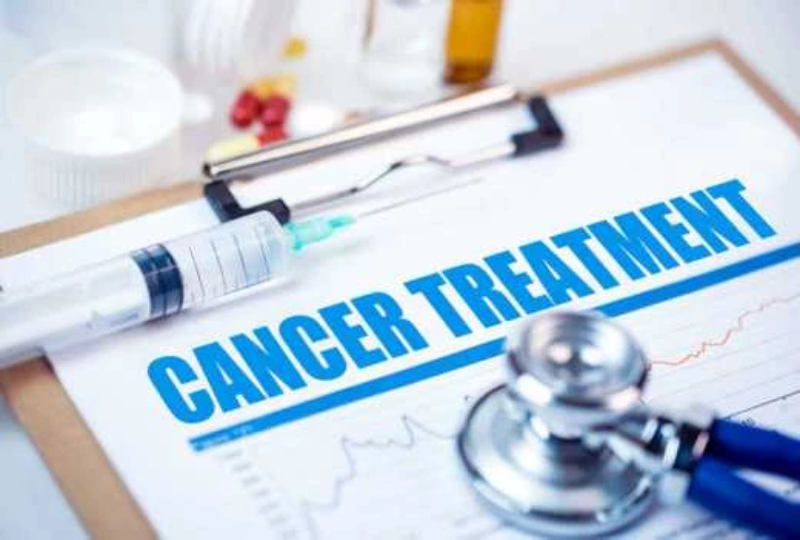
A new health study to help cancer patients recover without taking additional medication.[File, Courtesy]
A new health study drawn from five years of hands-on work at the Kenyatta National Hospital (KNH) has unveiled a non-pharmacological approach to help cancer patients recover without taking additional medication.
Traditionally, healthcare systems have largely relied on pharmacological solutions to manage side effects arising from cancer treatment, often prescribing more drugs to address pain, nausea, and depression caused by the primary therapy.
However, according to a new study based on a culturally responsive framework dubbed The Holistic-Centred Oncology Occupational Therapy Model, also referred to as Tiba Kwa Njia Ya Vitendo in Swahili, recovery can be significantly improved through structured physical and occupational activities. By integrating physical activity into cancer care, patients’ recovery is accelerated, thereby humanising healthcare practice.
As cancer diagnoses continue to rise across Africa, conventional interventions such as radiotherapy, chemotherapy, and radical surgery often leave survivors struggling with severe physical, cognitive, and psychosocial impairments. These adverse side effects frequently strip patients of their daily functioning, autonomy, and even dignity.