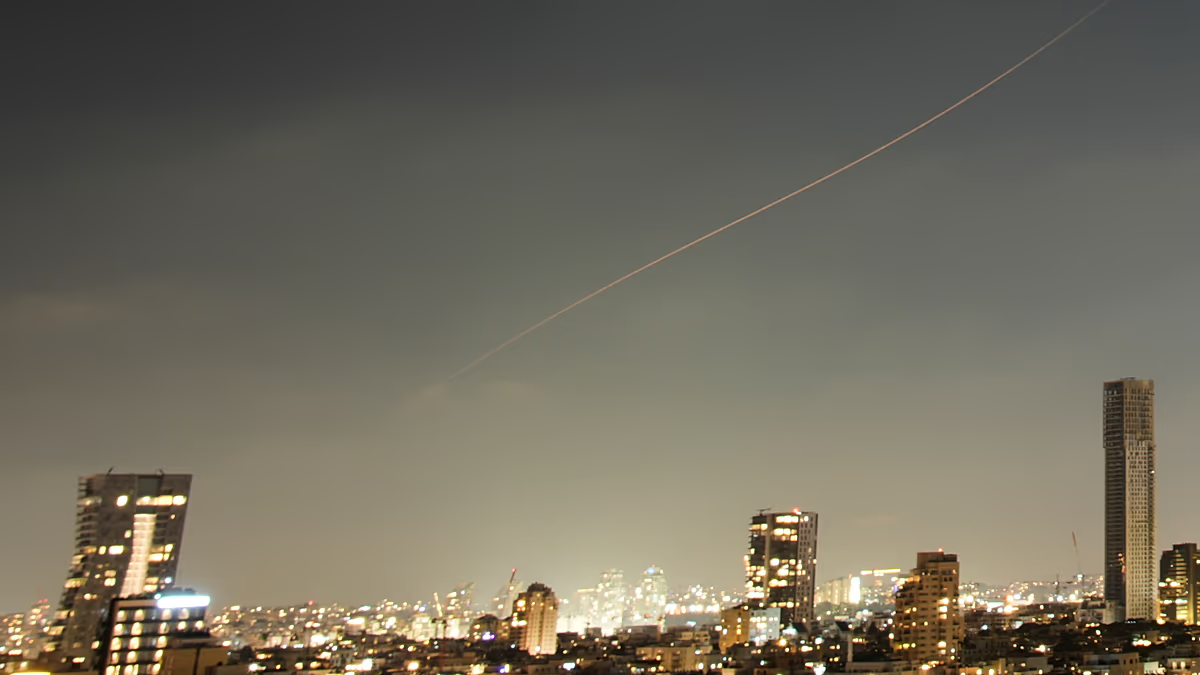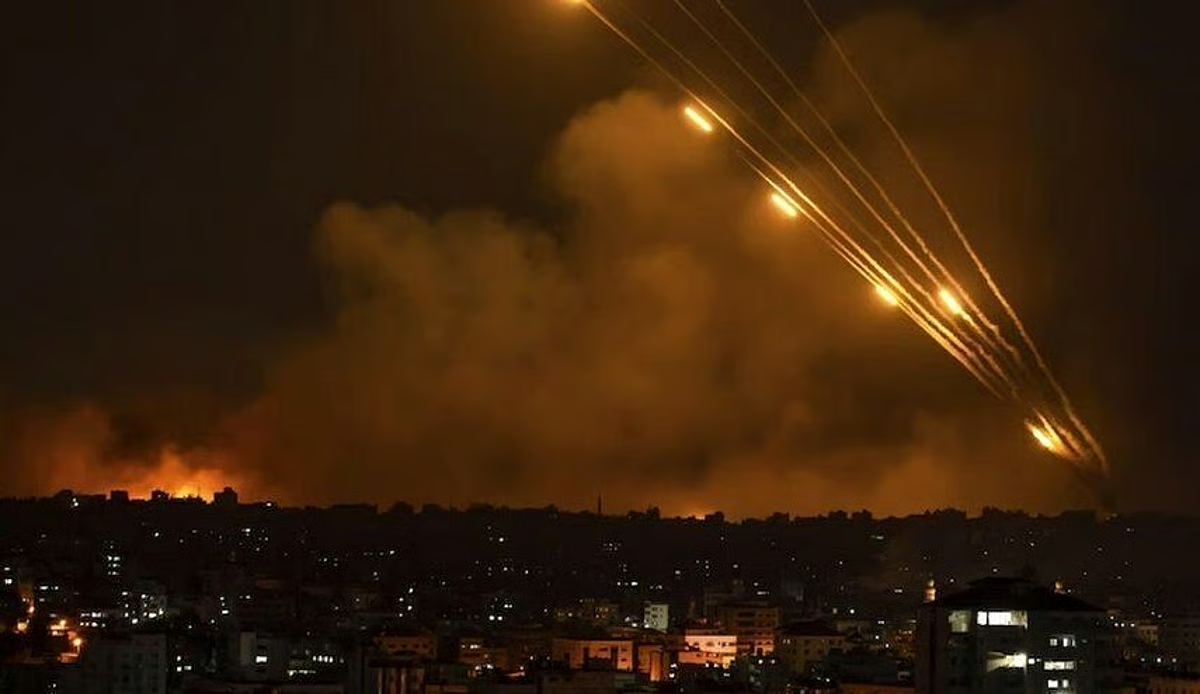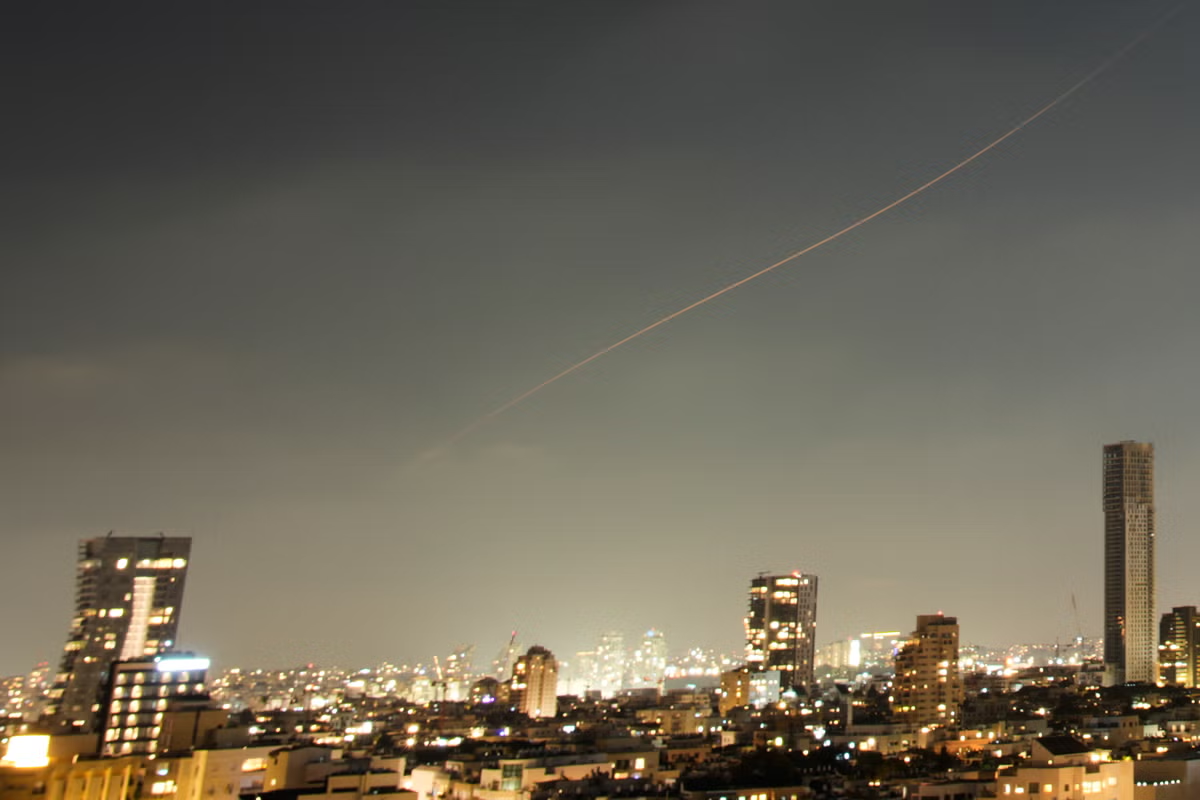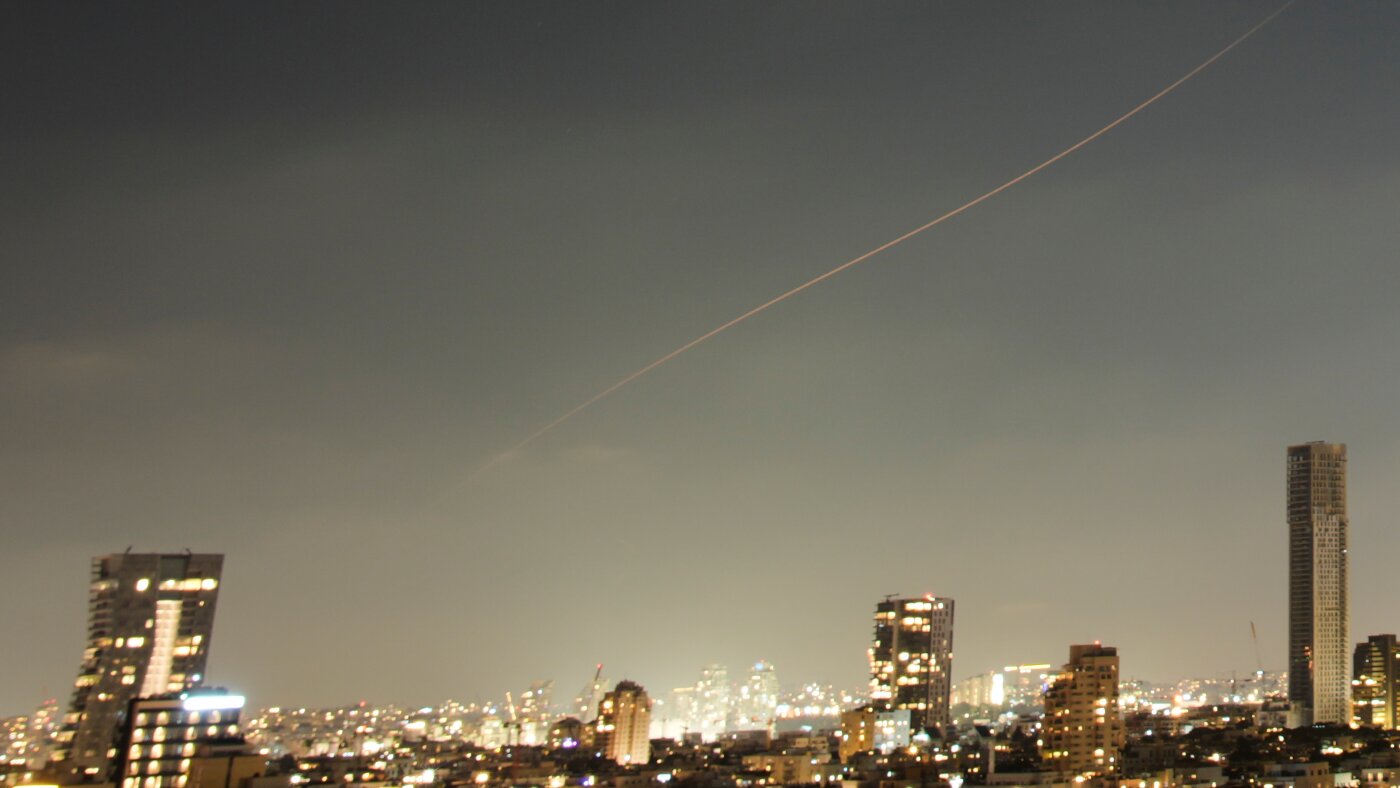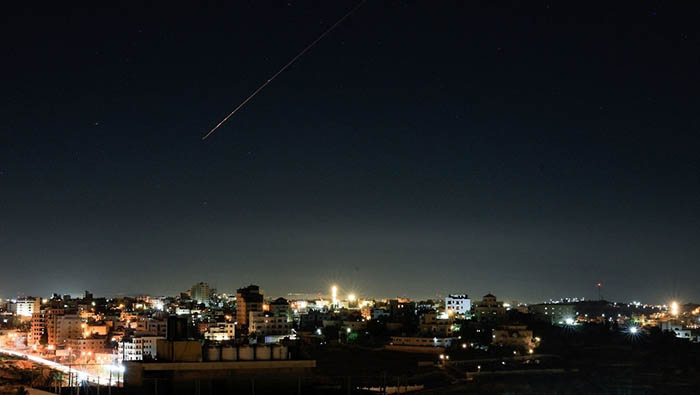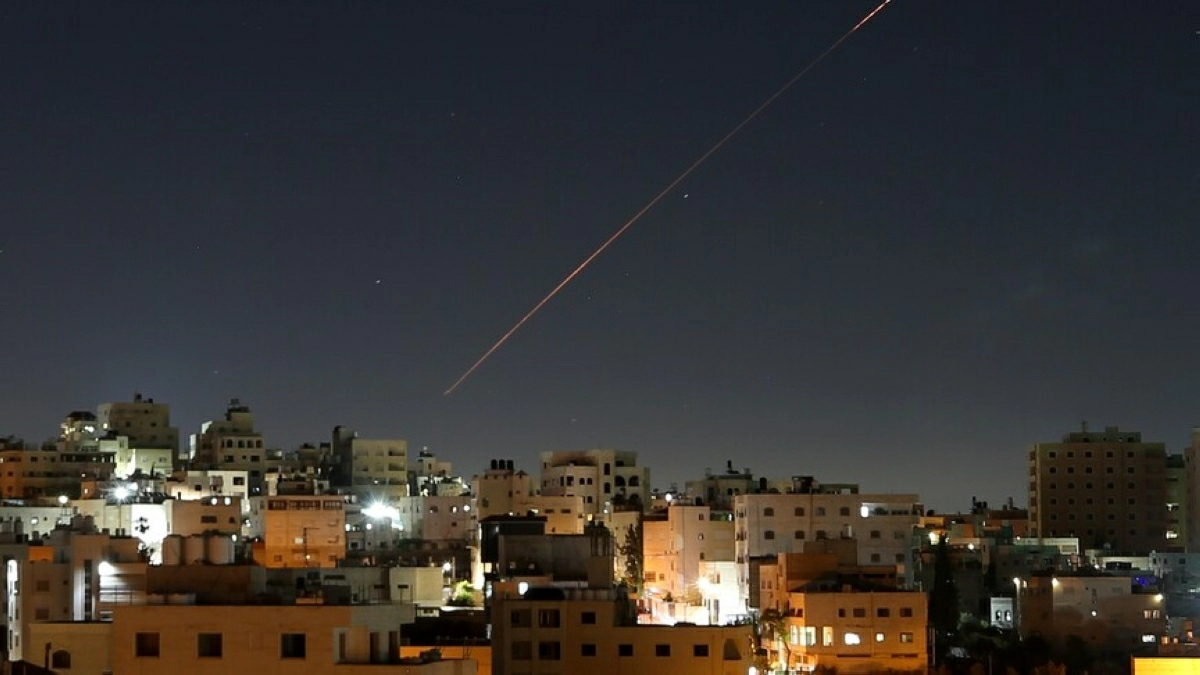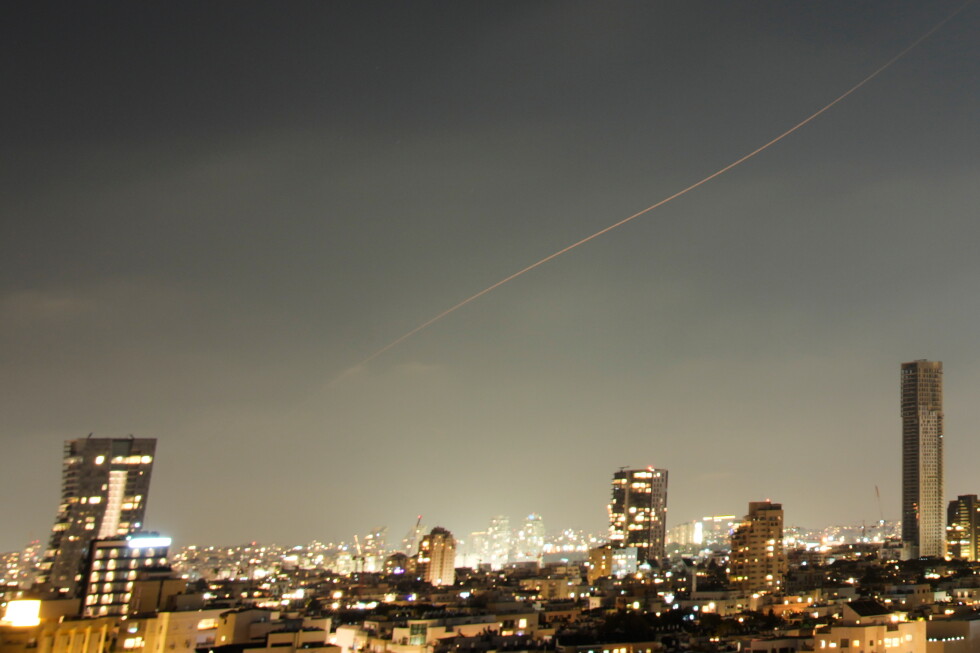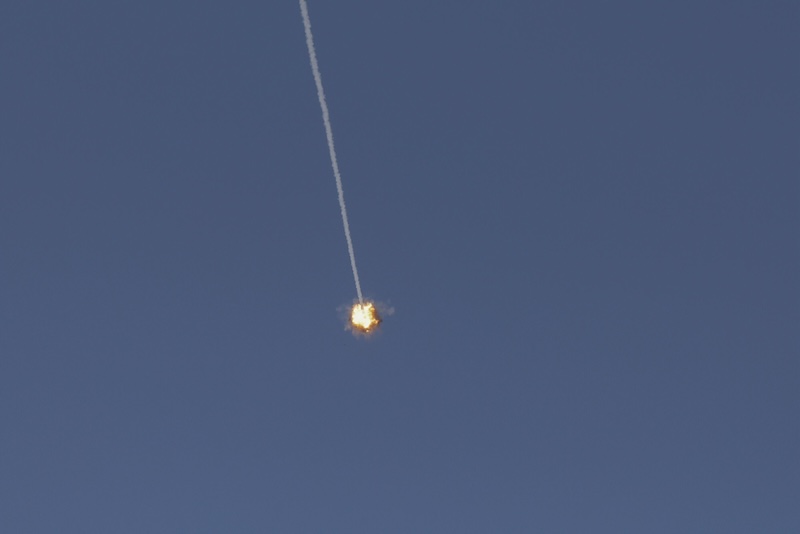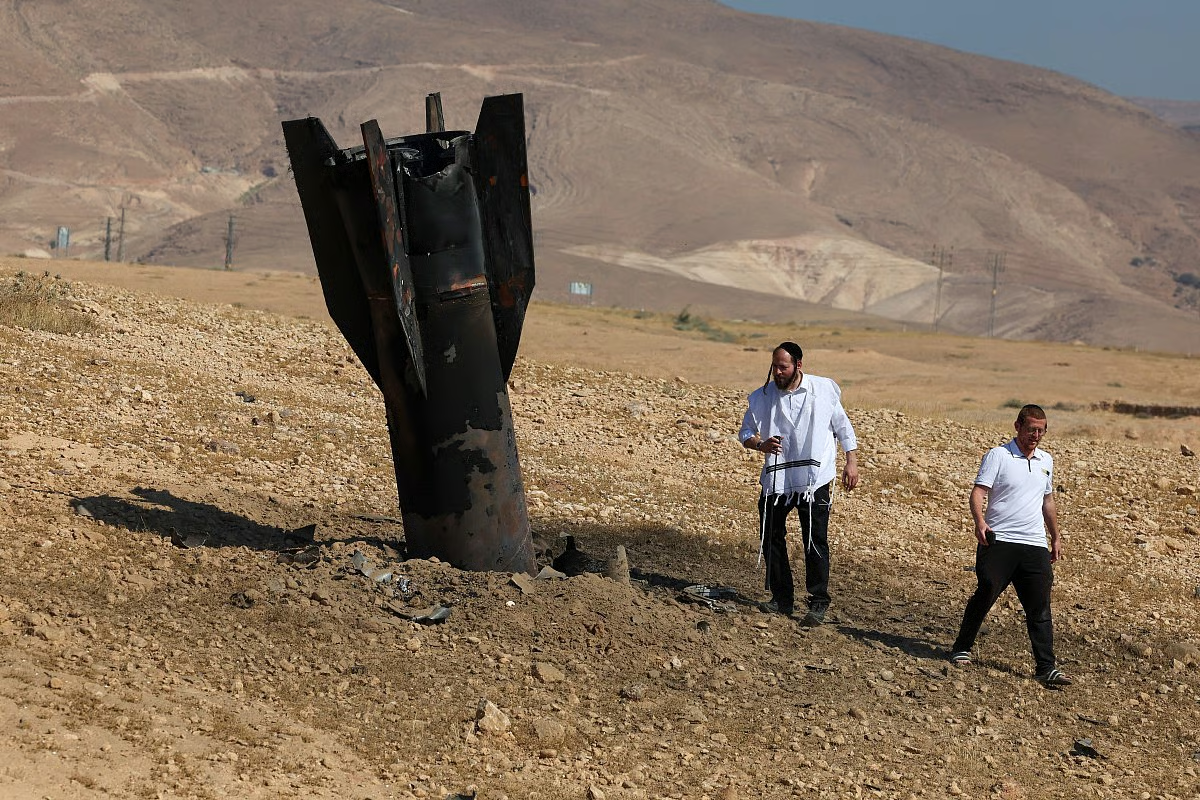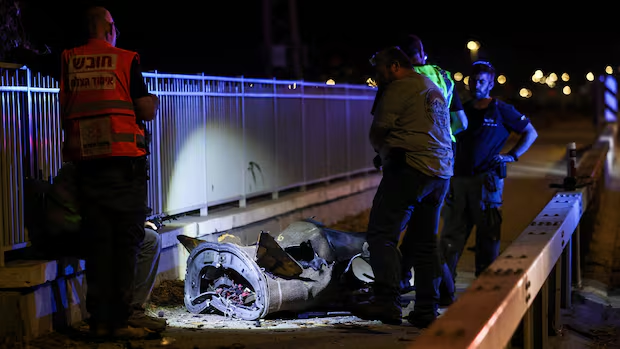
World·UpdatedIsrael launched airstrikes early Monday targeting central and western Iran in response to missile fire from Tehran, attacks that threatened to drag the wider Middle East back into a regional war.Iran fired salvo of missiles at Israeli targets for attack on Beirut's southern suburbsThe Associated Press · Posted: Jun 07, 2026 9:48 PM EDT | Last Updated: 2 minutes agoListen to this articleEstimated 3 minutesThe audio version of this article is generated by AI-based technology. Mispronunciations can occur. We are working with our partners to continually review and improve the results.Israeli security and rescue personnel work next to part of a projectile following a missile attack from Iran, in northern Israel on Monday. (Shir Torem/Reuters)Israel launched airstrikes early Monday targeting central and western Iran in response to missile fire from Tehran, attacks that threatened to drag the wider Middle East back into a regional war.Iranian state television reported the sound of explosions being heard in Isfahan, Tabriz and Tehran, without immediately elaborating. A witness in Tehran described hearing at least one large blast somewhere to the west of the country's capital city.Iran closed the airspace around Tehran's Imam Khomeini International Airport, the country's main airfield, after the Israeli attack.Iranian officials offered no details on what had been struck, nor any damage information. Iran's paramilitary Revolutionary Guard said that Israel used air-launched ballistic missiles in its attack Monday morning, without elaborating.The Israeli military at dawn in Iran issued a short statement as the strikes started: "A short while ago, the Israeli Air Force struck military targets belonging to the Iranian terror regime in western and central Iran." It did not elaborate.Iran tells Israel to heed 'warning' strikes over Lebanon attacksIran launches strikes on Israel in retaliation for Beirut bombardmentThe White House did not respond to messages about the strikes and whether they were done in co-ordination with the United States.For days, negotiations between Iran and the U.S. over the fragile ceasefire in the war had been stalled by the fighting between Israel and the Lebanese Shiite militia Hezbollah. Israel now occupies southern Lebanon and had moved into areas of the country it hadn't held in a quarter century, leading to fears about them further widening their campaign.On Sunday, Israel launched airstrikes in Beirut's southern suburbs. Iran retaliated with its own strike on Israel, which led to Monday morning's attack by Israel on Iran.WATCH | Iran says missiles fired were 'warning' of further attacks:Iran launches strikes on Israel in retaliation for Beirut bombardment2 hours ago|Duration 4:22Israel's military said it identified and intercepted missiles launched from Iran on Sunday, the first escalation of its kind since the fragile ceasefire came into effect in April. The attack follows Israeli strikes on Lebanon's capital, Beirut, and comes as a 'warning' of further strikes if Israeli aggression continues, according to Iranian officials.U.S. President Donald Trump earlier told a Fox News Channel reporter that he wanted the Iranians to stop firing missiles and return to the negotiating table. He also said that Israel's strikes in Lebanon earlier Sunday were not co-ordinated with the U.S. and "I'm not happy about it."A senior U.S. official said Trump had called Israeli Prime Minister Benjamin Netanyahu to urge him not to retaliate immediately for the Iranian missile attack. The official, who spoke on condition of anonymity to describe a private phone call, said that Trump believed he had convinced Netanyahu to wait.Trump "got Bibi to hold off for the time being," the official said. The official would not offer any other details of the call, and there was no immediate comment from Netanyahu's office. The attacks further strain efforts to reach a permanent ceasefire in the war between Iran and the United States.The exchange raised the possibility of a return to heavy fighting and complicating mediation efforts to end the war, which began when the U.S. and Israel attacked Iran on Feb. 28.
Israel launches retaliatory strikes on Iran after Tehran fires missiles on Israel | CBC News
Israel launched airstrikes early Monday targeting central and western Iran in response to missile fire from Tehran, attacks that threatened to drag the wider Middle East back into a regional war.
642 words~3 min read